Natural Resources Wales Must Prevent Pollution – Not Pass the Buck as the Wye and Severn Decline

Download PDF

Written by Emma Dearnaley, River Action’s Head of Legal

Across Wales, rivers that should be a source of pride – places for connection, wildlife and local identity – are in visible decline. 

In recent years, much of the public debate has focused on sewage discharges, storm overflows and Victorian infrastructure doing 21st-century damage. That remains an important focus. But if we are serious about restoring our rivers, another very significant source of pollution must be understood and addressed with an equivalent amount of resolve: nutrient pollution linked to intensive livestock production and, in Wales especially, the waste generated by industrial-scale poultry units. 

This is not about farmers trying to do the right thing in challenging circumstances. It is about whether the regulatory system governing intensive agricultural operations is working as Parliament intended and whether regulators are using the powers they have to prevent harm before it occurs. 

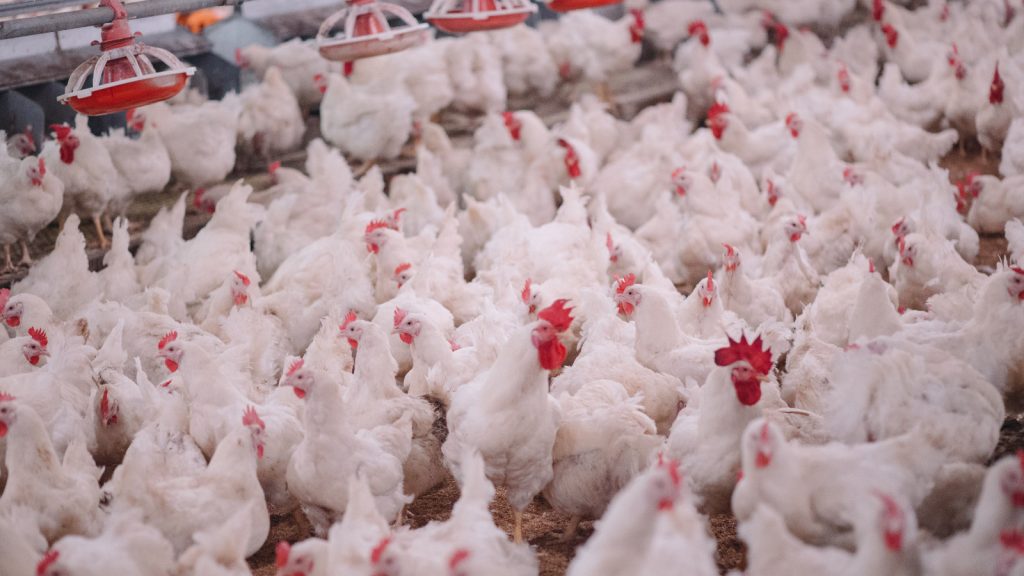
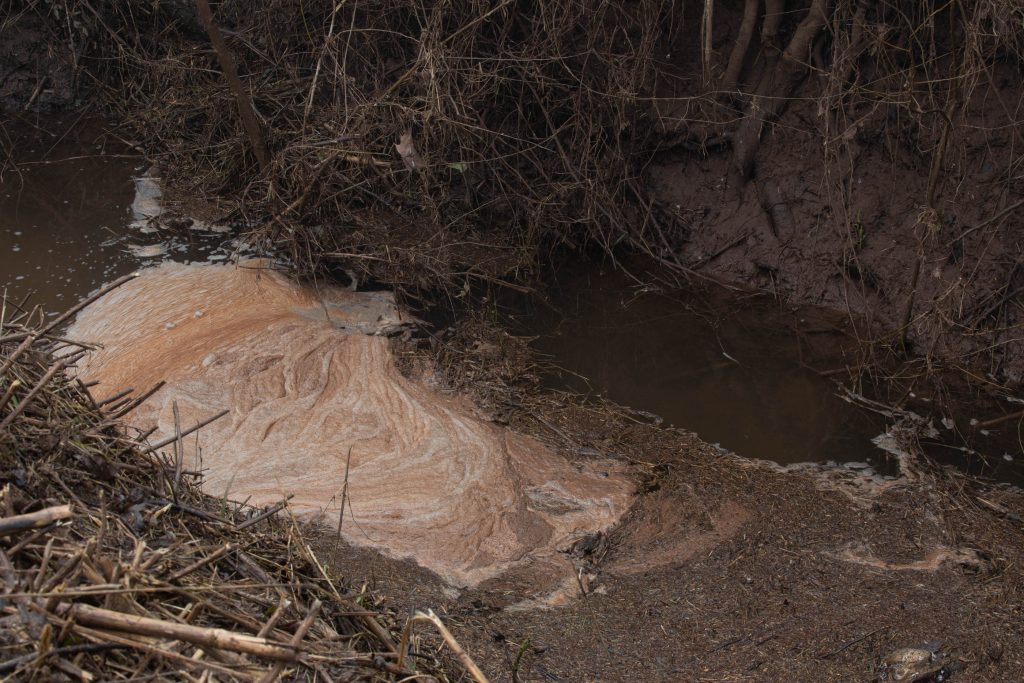
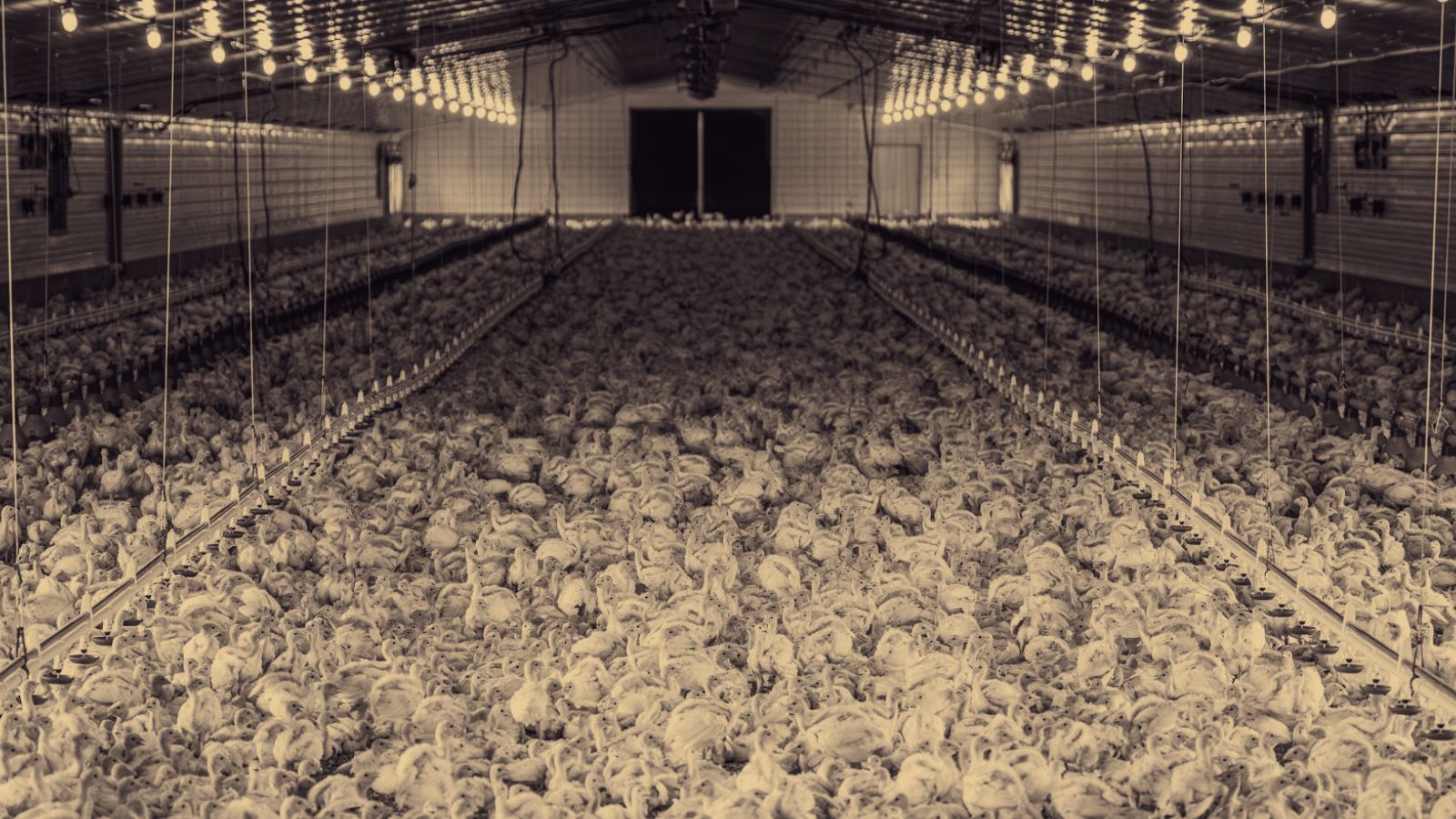
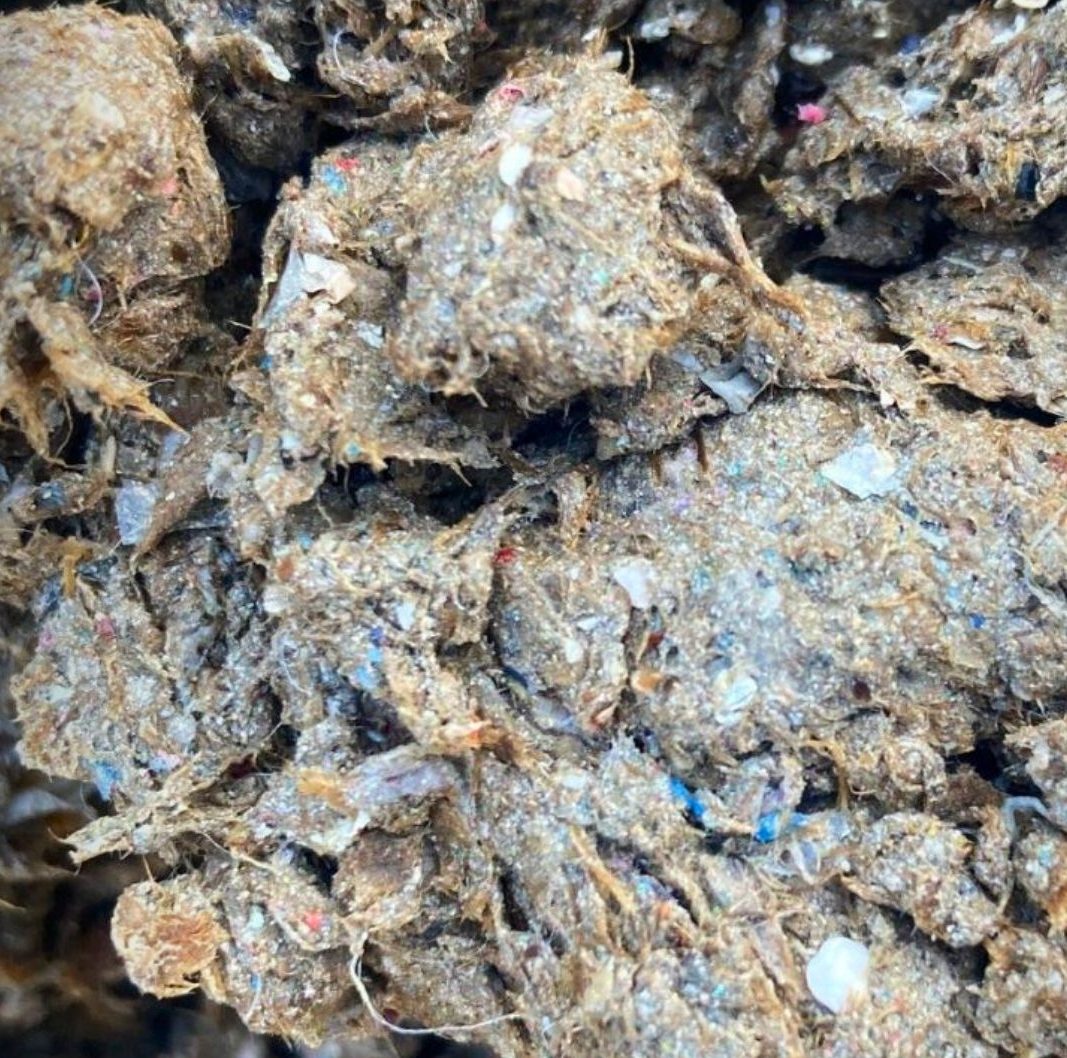
Pollution from intensive poultry production does not usually appear as a dramatic brown slick after heavy rain. Instead, it spreads more quietly. Vast quantities of chicken manure, rich in phosphorus and nitrogen, are being spread on land or exported and spread on other land that in some catchments is already saturated with nutrients. From there, rainfall can wash those excess nutrients into nearby streams and rivers, fuelling algal blooms that choke oxygen from the water, damage wildlife and smother riverbeds. By the time the ecological harm becomes visible, the pollution has already taken hold. 

‘Diffuse’ agricultural pollution comes from widespread activities across a catchment, making it harder to pinpoint and regulate than obvious point-source pollution such as a sewage discharge or a chemical spill. But complexity is not an excuse for inaction: it requires coordinated, consistent, catchment-wide management, not regulatory blind spots. 

That is why River Action has launched a judicial review challenging Natural Resources Wales (NRW)’s decision to approve permit variations allowing three intensive poultry units in Powys to expand. The issue is not whether intensive poultry farming should exist. It is whether Wales’ environmental regulator is properly doing its job by using the legal powers it has to prevent pollution linked to those operations. 

In approving the permit variations, NRW proceeded on the basis that it had no legal power under the Environmental Permitting Regulations 2016 to regulate manure once it leaves the boundary of a permitted poultry unit. On that view, the environmental impacts of manure exported off-site fall outside the permitting regime and are instead matters for the planning system, but without NRW first being satisfied that effective and enforceable pollution controls would in fact be secured elsewhere.

In effect, NRW treated the boundary of the site as the boundary of its regulatory responsibility. Rivers, inconveniently, do not respect such lines.

Manure from intensive poultry farming is a major source of nutrient pollution affecting Welsh rivers, including the Wye and the Severn. This is not theoretical harm. Both rivers are already under severe ecological pressure from excess nutrients, causing declining water quality and damaged habitats.

Environmental permitting exists precisely to prevent unacceptable pollution before it happens. Parliament entrusted NRW, as Wales’ environmental regulator, with assessing whether permitted activities are likely to cause pollution and with imposing conditions to control and stop it. River Action’s case argues that NRW has taken an extraordinarily narrow view of its own powers and misdirected itself in law by excluding the potential off-site impacts of manure from its permitting decisions on the basis it has no legal power to address them. We say that approach is unlawful. The Environmental Permitting Regulations do not stop at the farm gate. If waste arises from a permitted activity and is likely to cause pollution wherever it ends up, NRW as the regulator must assess and, wherever necessary, control those impacts. That is both logical and, we say, what the law requires. Recent court judgments do not say otherwise, despite NRW’s insistence that its hands are tied.

What makes this more troubling is that NRW’s counterpart in England, the Environment Agency, accepts that it must consider and prevent water pollution through the permitting process including impacts that may occur beyond the site boundary. There is no rational basis for Wales’ regulator to do less, especially when making decisions in sensitive and protected catchments on the Welsh border. Environmental protection should not weaken when you cross Offa’s Dyke.

If NRW’s position is allowed to stand, the consequences extend far beyond these three poultry units in Powys. It risks creating a significant regulatory gap, allowing industrial-scale agricultural operations to expand in vulnerable catchments without effective oversight of one of their most environmentally damaging consequences.

This case is not about attributing blame after the damage is done. It is about prevention. Once excess nutrients enter a river system, they are extremely difficult and costly to remove. Rivers such as the Wye cannot be restored while pollution continues upstream without effective regulatory control. 

NRW exists to prevent environmental harm, not to assume that someone else will deal with it. Passing the buck to the planning system on a mistaken understanding of legal powers, without securing robust safeguards elsewhere, won’t wash.  

Wales rightly aspires to environmental leadership. It has strong and progressive environmental frameworks and internationally important rivers. But laws only matter if they are used and followed. 

River Action’s case asks the court to clarify a simple and fundamental point: to confirm that environmental regulation in Wales means what it says, NRW’s interpretation of its powers was wrong, and that pollution prevention does not end at a conveniently drawn boundary line. Our rivers cannot afford another lost decade of buck-passing. If we are serious about protecting and restoring them, we must ensure that those tasked with safeguarding them are equipped – and required – to use their powers in full.

River Action launches legal challenge, accusing NRW of “washing its hands” of intensive poultry pollution

Download PDF

We have launched a judicial review challenging Natural Resources Wales (NRW)’ approval of three expanded poultry farms in Powys, accusing the regulator of “washing its hands” of manure pollution by taking an unlawfully narrow view of its powers.

The case focuses on whether NRW is properly using its role as environmental regulator to prevent pollution from intensive farming or whether responsibility is being passed to others while Welsh river catchments such as the Wye and the Severn continue to deteriorate. 

The legal challenge follows NRW’s decision in November 2025 to approve permit variations allowing three intensive poultry units to expand in Powys. In doing so, NRW proceeded on the basis that the environmental impacts of manure once it leaves the farm boundary fall outside permitting and should instead be addressed through the planning system, without first being satisfied that effective and enforceable pollution controls would actually be put in place elsewhere.  

We say NRW’s approach is a serious misunderstanding of the law, and that NRW misdirected itself by proceeding on the basis that it had no power under the Environmental Permitting Regulations 2016 to assess or regulate the off-site environmental impacts of manure, and so excluded those impacts from its permitting decisions altogether. We also say NRW has misinterpreted recent court judgments – including Squire v Shropshire Council, NFU v Herefordshire Council and Caffyn v Shropshire Council – to justify its position.  

We argue that, properly understood, the law requires NRW to assess and prevent potential pollution impacts that could arise if manure is exported off-site – rather than ruling them out or passing the buck. 

This case matters because environmental permitting is meant to prevent unacceptable pollution before it happens, and Parliament specifically entrusted NRW as Wales’ environmental regulator with making those decisions, rather than deferring responsibility on a mistaken understanding of its powers or assumptions about future planning controls. 

NRW’s sister regulator in England, the Environment Agency, accepts its responsibility for preventing and controlling potential water pollution through the permitting process. We believe there is “no rational basis” for NRW taking a narrower approach in Wales and not taking responsibility. 

If left unchallenged, NRW’s approach could create a significant regulatory gap. This could allow intensive poultry units, and potentially other industrial-scale agricultural operations, to expand without effective control of one of their most environmentally damaging consequences, even in protected and sensitive river catchments such as the Wye and Severn. 

Pollution from intensive poultry farming doesn’t stop at the farm boundary, and regulation can’t lawfully stop there either,” said River Action’s Head of Legal, Emma Dearnaley. “NRW has treated the boundary of the installation as the boundary of its regulatory responsibility, even though the environmental harm caused by excess manure occurs well beyond that line.”

Manure from intensive poultry farming is a major source of nutrient pollution in Welsh rivers, contributing to algal blooms, declining water quality and ecological damage in catchments including the Wye and the Severn. River Action says that environmental permitting is a vital tool to prevent this harm, particularly where planning controls are absent, delayed or ineffective. 

“NRW exists to prevent pollution, not to pass responsibility elsewhere,” Emma Dearnaley added. “If the regulator assumes someone else will deal with manure pollution without securing meaningful safeguards, rivers like the Wye and the Severn will continue to decline.”

After months of objections, correspondence and pre-action engagement, We are asking the court to declare that NRW’s interpretation of its powers was wrong, make clear NRW must lawfully assess and regulate manure-related impacts through environmental permitting where they are a consequence of the permitted activity, and quash the three Powys permit decisions. 

The case is about ensuring environmental regulation works as Parliament intended, preventing pollution before harm occurs rather than wrongly passing responsibility to others or reacting after damage has already been done to our rivers.

Leigh Day solicitor Julia Eriksen said, “NRW’s decision to vary existing environmental permits on three intensive poultry farms will enable thousands more chickens to be housed and produce significantly more manure. River Action argues that it is NRW’s job to guard against any resulting pollution impacts.

“River Action has already secured a court ruling that rules around agricultural pollution should be properly enforced, and hopes this claim for judicial review will make it clearer still what responsibilities NRW has in this area.”

Our Pre-Action Protocol letter to NRW can be read here. NRW’s response is here

You can read our Statement of Facts and Grounds in full here.

It’s time our supermarkets expose Red Tractor’s greenwash and up their standards

Download PDF

By Charles Watson, Founder and Chairman of River Action UK

Britain’s rivers are in terrible shape, and our biggest supermarkets are up to their necks in it. For years, retailers like Tesco and Asda alongside their agribusiness suppliers have hidden behind the cosy logo of Red Tractor, telling customers their food is “farmed with care… from field to store all our standards are met”. This week the Advertising Standards Authority (ASA) called time on this charade.

The regulator has ruled that Red Tractor, the UK’s largest farm assurance scheme, misled the public by suggesting its logo guarantees strong environmental protection. It doesn’t. And today we reveal that the most recent Environment Agency data shows a staggering 19,000 breaches across 60% of Red Tractor–certified farms between January 2020 and July 2025, exposing a systemic failure behind the label’s “environmentally friendly” claims.

This isn’t a marginal issue. It goes to the heart of how our food system operates, and how some of the biggest companies in Britain shield themselves from responsibility while rivers and lakes collapse under a deluge of pollution caused by intensive agricultural practices.

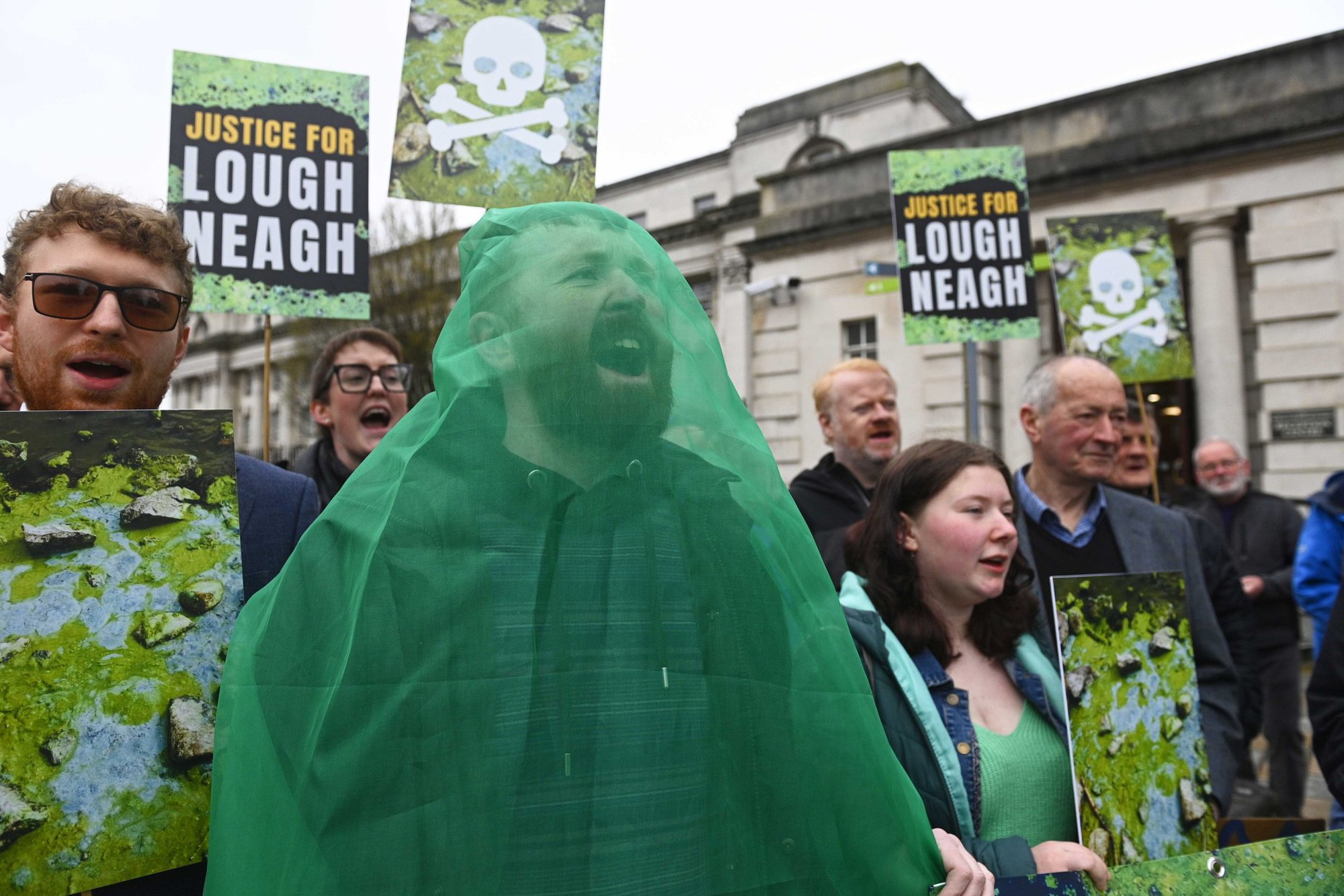
Take Tesco. Controlling nearly 30% of the supermarket sector, it is the single most powerful buyer of British farm produce. Its chicken and pork supply chains run through industrial-scale operators like Avara Foods and Moy Park. These are not quaint family farms but subsidiaries of US agribusiness giants Cargill and Pilgrim’s Pride. These companies have been linked to ecological crises such as the collapse of the River Wye and the ongoing algal disaster in Lough Neagh, the UK’s largest freshwater lake.

For years, supermarkets have pointed to the Red Tractor logo as their environmental alibi. But that line has now been shredded. In a landmark ruling, the UK’s ASA has concluded that Red Tractor’s environmental claims are misleading. This is no longer just campaigners or scientists calling the Red Tractor scheme inadequate. It is a regulator finding that Red Tractor’s advertising exaggerated and misled consumers on its environmental standards. Any retailer still brandishing that logo as a mark of environmental protection is not reassuring customers. They are engaging in greenwash.

The data is stark. Between January 2020 and July 2025, 7,353 Environment Agency inspections of Red Tractor–certified farms found 4,353 breaches — nearly 60% of farms failing environmental rules. These weren’t minor slip-ups: the violations included thousands of breaches designed to prevent slurry and fertiliser from pouring into rivers, fuelling algal blooms, killing fish, devastating ecosystems, and contaminating drinking water. In total, the inspections recorded a staggering 19,305 instances of non-compliance

This is not just a story about dirty rivers. It is about a food system where the biggest players, multinational agribusinesses and the retailers who buy from them, use weak, industry-controlled assurance schemes to insulate themselves from scrutiny. Red Tractor is not a neutral standard-setter. It is designed by the very interests it is supposed to regulate. And guess who controls it? The majority of seats on Red Tractor’s governing council are held by the UK’s various National Farming Union bodies. Yes, the farming lobby actually controls its own product quality scheme. 

Red Tractor’s defenders will say that criticising the scheme means attacking farmers. Let’s be clear, it does not. Many farmers care deeply about the land and waterways that sustain them and us all. They are being undercut by a system that rewards scale, intensification and cutting corners, while paying lip service to environmental protection.

As Martin Lines, CEO of the Nature Friendly Farming Network, has put it: “Consumers and farmers want real sustainability, not a sticker.” Farmers who are genuinely improving soils, protecting rivers and reducing chemicals see little reward for their efforts. Meanwhile, industrial producers hide behind the same Red Tractor logo. That isn’t fairness. It’s exploitation.

Supermarkets cannot claim ignorance. They have been told repeatedly about the links between their suppliers and river pollution. The Environment Agency rejected Red Tractor’s bid for “Preferred Status” precisely because it fails to meet good environmental standards. Yet retailers still rely on the logo as their shield.

This complicity matters because of their sheer market power. When supermarkets demand Red Tractor chicken, vast supply chains, from feed mills to slaughterhouses to contract farmers, are locked into a destructive model. This legitimises the industrial systems polluting our rivers. And when consumers challenge them, they point to the little tractor logo, as if that settles the matter.

The ASA ruling proves it doesn’t.

We now face a choice. Tesco, Asda, Aldi, Lidl, Morrisons and others can continue to sell food tainted with pollution, hiding behind a logo that regulators have called out as misleading on environmental performance. Or they can do the honest thing: demand genuinely high standards from suppliers, and pay farmers properly for producing food in ways that don’t wreck our rivers.

This isn’t just about protecting wildlife or river users such as this nation’s army of wild swimmers. Though that should be enough. It is also about restoring trust in our food system. Consumers deserve to know that when they buy British, they are supporting farming that safeguards our countryside, not destroy it. Farmers deserve a level playing field that rewards those who do right by the land. And companies that profit from selling us food have a duty to ensure their supply chains comply with legal standards, both under the law and broader social responsibility.

For too long, Red Tractor has allowed agribusiness and retail giants to dodge that duty. Thanks to the ASA, the greenwash is now exposed. The question is whether the supermarket giants will finally face up to reality, or whether they will cling to a broken system until public trust collapses.

Britain’s rivers cannot wait. Neither can the farmers who are trying to do the right thing. The time for excuses is over.

ASA ruling exposes Red Tractor as greenwash – River Action demands supermarkets act

Download PDF

New figures reveal staggering 19,000 breaches across 60% of inspected Red Tractor farms, exposing systemic failure behind the label’s “environmentally friendly” claims

River Action is calling on leading supermarket retailers including Tesco and Asda to stop relying on Red Tractor for environmental certification. The scheme has been exposed for serious environmental greenwashing in an Advertising Standards Authority (ASA) ruling.

Having filed the complaint in April 2023, the case is thought to be one of the longest investigations in ASA history.


ASA ruling: Red Tractor environmental claims ‘misleading’

The ASA has today upheld a complaint by River Action’s Chair and Founder, Charles Watson, ruling that Red Tractor – the UK’s largest farming assurance scheme – misled the public about its environmental standards and exaggerated the benefits of Red Tractor endorsement.

River Action challenged advertising for the Red Tractor scheme because of its concerns that environmental standards relating to pollution on Red Tractor farms were not being met – including the claim “When the Red Tractor’s there, your food’s farmed with care… from field to store all our standards are met”.

During its investigation, the ASA considered extensive evidence and arguments put forward by Red Tractor including that it was not an environmental certification mark specifically so “did not seek to replicate environmental law or even cover all aspects of pollution risks by farms”.

The ASA concluded that the evidence provided by Red Tractor to demonstrate compliance with basic legislative standards and a good environmental outcome was insufficient to substantiate the claim which “farmed with care… all our standards are met” conveyed to consumers. The advert breached BCAP Code rules 3.1, 3.2 (Misleading advertising), 3.9 (Substantiation) and 3.12 (Exaggeration).


Evidence of non-compliance and pollution

Red Tractor’s marketing claimed its farms take “a preventative approach to protect the environment”, citing reduced pesticide use, strict pollution controls, and rigorous soil management.

However, as part of its ASA complaint, River Action presented damning evidence – supported by Environment Agency (EA) data (2014 – 2019) – that Red Tractor farms are routinely linked to serious environmental harm:

  • Red Tractor farms were responsible for most agricultural pollution incidents in England over a five-year period.
  • 62% of the most serious pollution events (Categories 1 & 2) involved Red Tractor-certified farms.
  • Certified farms had worse compliance rates than non-certified farms (26% vs 19%).
  • In a North Devon case study (2016–2022), 87% of Red Tractor farms inspected by the EA were in breach of environmental rules.         

The EA rejected Red Tractor’s bid for “Earned Recognition” due to its failure to meet minimum environmental standards.

But more than two years on, River Action can now reveal – through Environmental Information Requests – that serious pollution and regulatory failures persist on Red Tractor–certified farms. The data covers the period January 2020 and July 2025 and reveals the following:

  • 7,353 Environment Agency officer inspections of farms claiming Red Tractor status
  • Alarmingly, 4,353 of these inspections (nearly 60%) identified at least one breach of environmental regulations.
  • A staggering 19,305 instances of non-compliance were recorded across failing Red Tractor assured farms.
  • Cattle farming accounted for just over 25% of non-compliance, with 13.2% from beef farms and 12.4% from dairy farms.
  •  1,373 follow-up inspections were required to address non-compliance.
  • Even when actions were completed by deadlines, a substantial number of farms still failed to meet environmental standards, with only 4,657 actions recorded as completed on time. 
  • This demonstrates that membership of the Red Tractor scheme does not guarantee compliance with environmental regulations.


Supermarkets: up your standards

River Action is now warning major supermarkets that by using Red Tractor to reassure customers they are buying food produced to basic environmental standards they risk complicity in misleading advertising, while pollution of the UK’s rivers continues.

Given their enormous market share and purchasing power, supermarket retailers wield significant influence over UK food supply chains and therefore have the opportunity to drive rapid action to address the environmental harm caused by the industry. 

For example, Tesco dominates the supermarket sector with nearly 30% of the market (28.1%), sourcing vast quantities of Red Tractor meat and poultry through suppliers such as Moy Park and Avara Foods.

According to a recent news report, Moy Park has been implicated in the devastating environmental catastrophe at Northern Ireland’s Lough Neagh, where recurring summer blooms of toxic blue-green algae threaten both wildlife and the health of the lake. 

Similarly, Avara Foods, owned by US agribusiness Cargill and linked to the ecological collapse of the River Wye, boasts on its corporate website: “You can trust that we do things ethically; all of our chicken is Red Tractor approved.”


Other major retailers in the frame

Tesco are not alone. River Action is also calling on Aldi, Lidl, Morrisons, Asda, and others to stop relying on Red Tractor as a mark of environmental standards and protection:

  • Asda – 11.9% market share; told Farming UK: “We continue to source all our other fresh primal chicken from UK Red Tractor Assured farms.” Its website states, “The Red Tractor badge is a standard of excellence….It’s about producing the best possible product in an environmentally friendly and sustainable manner.”  
  • Aldi – 10.9% market share; major buyer of Red Tractor products and states that…you can trust the products you buy when you see the Red Tractor logo…..Red Tractor….(covers) animal welfare, food safety, traceability and environmental protection. Food and drink bearing the Red Tractor logo has been produced responsibly to some of the most comprehensive and respected standards in the world.”
  • Morrisons – 8.4% market share; states that “100% of the fresh pork, beef, lamb, poultry, milk and cheddar cheese we sell in our stores comes from farms certified by Red Tractor, or an approved equivalent scheme, giving customers assurance on food safety, hygiene, animal welfare standards and environmental protection.”
  • Lidl – 8.1% market share;  publically state that “we work closely with Red Tractor to ensure that our British meat, poultry, fruit and veg is responsibly sourced to strict food hygiene, animal welfare and environmental standards.
  • Sainsbury’s, once a Red Tractor buyer, has already distanced itself from the scheme. In 2014, then-CEO Justin King called it “the refuge of scoundrels” and criticised it for setting a “low bar that frankly anybody could use.”


What Tesco says

Celebrating 25 years of Red Tractor, Natalie Smith, Tesco Head of Agriculture, said last month: We’re proud to support British agriculture and the thousands of farmers and producers who provide us with quality, affordable, sustainable products year-round. Certification schemes play a key role in providing reassurance for customers, and over the past 25 years, Red Tractor has established itself as a mark of quality, standing for food safety standards, animal welfare and environmental protection.

“We recognise there is still more to do, and it’s essential we continue to work in partnership with Red Tractor to improve standards, and take quick action to drive forward change, strengthening the farming industry for generations to come.”

The Tesco website proudly states, “We require the majority of our meat, dairy, fruit and vegetable products produced in the UK to meet the Red Tractor standard, or an appropriate equivalent. The Red Tractor standards ensure that the production of these products does not have an adverse impact on the environment. For example, pesticides and fertilisers must be applied and stored in ways that minimise pollution of soil and groundwater; it also provides extensive guidance on manure management.”


River Action responds

Chair and founder of River Action Charles Watson said, “Red Tractor farms are polluting the UK’s rivers, and consumers trying to make environmentally responsible choices have been misled. This ASA ruling confirms what we’ve long argued: Red Tractor’s claims aren’t just misleading – they provide cover for farms breaking the law. The time has now come for our major food retailers to lay out credible plans as to how they will move away from this busted flush of a certification scheme and support farmers whose working practices are genuinely sustainable.

“Supermarkets and their suppliers now face serious reputational risk if they hide behind Red Tractor greenwash. By selling products linked to pollution, they deceive customers, undermine trust, and fail in their duty to ensure supply chains obey the law.”


Consumers want confidence, not greenwashing

River Action says that supermarkets need to use assurance schemes that give consumers genuine confidence that the products they buy are not linked to lawbreaking or environmental harm. At present, Red Tractor fails to provide this. An assurance scheme should be meaningful. Supermarkets already have credible models in place for fresh produce, so the same rigorous standards should be applied to livestock.

River Action has written to all the major supermarkets, calling on them to:

  • Publicly acknowledge the ASA ruling and findings by informing their customers of the misleading labelling and committing to driving change both within farming and food standards and within food certification.
  • Publish a clear and transparent roadmap showing how they will certify the environmental standards of all their food produce – including eggs, poultry, dairy, and fresh produce. This roadmap should set out rigorous environmental requirements, be backed by independent inspections, and ensure full public reporting, so customers can see and trust the standards behind the food they buy.


Red Tractor’s own data shows that its logo appears on approximately £18bn worth of food sold annually, meaning this greenwash reaches deep into Britain’s shopping baskets. Jim Moseley, Red Tractor’s CEO, has also boasted that consumer trust in the scheme is tracking at 74%.

Martin Lines, CEO of the Nature Friendly Farming Network, added: “Consumers and farmers want real sustainability, not a sticker. They want confidence that the British produce they buy does not harm the environment or our rivers. 

“Supermarkets and fast-food chains hiding behind Red Tractor need to sort out their suppliers or face low consumer confidence and difficult questions about the environmental violations in their supply chains that are damaging our rivers. Farmers committed to nature-friendly practices must be properly rewarded, or the system will continue to incentivise damaging methods”

Hugh Fearnley-Whittingstall said, “As someone who will always support farmers who work positively with nature, protect the environment and feed the nation, I am deeply concerned by the ASA’s ruling exposing Red Tractor’s persistent greenwashing. For years, consumers have trusted the logo as a sign of environmentally responsible farming, yet the evidence shows widespread environmental breaches that are causing ongoing pollution all over the UK. 

“Supermarkets should not hide behind environmental certification that fails both the planet and honest producers. They have enormous influence and must use it to drive genuine progress that benefits the environment.  That means paying farmers properly for sustainable practices, supporting nature-friendly food production, and leading the way in either rigorously reforming or, if necessary,  completely dropping Red Tractor as a mark of environmental standards.

“Customers deserve more than misleading labels. They deserve assurance that their food supports farming that regenerates soils, protects wildlife, and respects the environment. It is time for supermarkets to step up, take responsibility, and make sustainability a real priority, not a fake one.”

River Action’s complaint to the ASA was prepared with the expert support of Leigh Day solicitors — Ricardo Gama, Carol Day, Julia Eriksen and Lily Hartley-Matthews — together with counsel Tom de la Mare KC and George Molyneaux of Blackstone Chambers. Their advice and representation were instrumental in securing this ruling.

Leigh Day partner Ricardo Gama, who represents River Action, said, “After a two and half year investigation, River Action is delighted that the ASA has finally ruled that Red Tractor was likely to mislead consumers when claiming that its certification scheme ensures high environmental standards. 

“The length of time of the investigation was a result of the contested nature of the case, with both River Action and Red Tractor arguing tooth and nail for their positions. This should set a precedent for other advertisers, including those in the food industry, that misinformation will not be tolerated.”


Consumers: demand better

River Action is urging the public to pressure supermarket retailers into telling their customers the truth about Red Tractor-labelled produce.

Support the campaign: Tell your supermarket to expose Red Tractor
If you shop at these supermarkets, tell them to clean up their supply chains and stop profiting from environmental harm. For more information and to find out how you can support the campaign, visit www.upyourstandards.riveractionuk.com.


Notes to Editor
The source for supermarket market share figures is a Kantar article published on 24 June 2025, which you can read here.

An assessment carried out by the Environment Agency (EA) in 2020, revealed that between 2014 – 2019 Red Tractor-assured farms were responsible for the majority of instances of agricultural pollution over a five-year period. The assessment revealed that of a total 4,064 pollution incidents RT farms were responsible for 62% of category 1 and 2 incidents and 56% of category 3 incidents. Significantly, the report concluded that RT farms were less compliant (26%) with EA inspections compared to non-RT farms (19%). As a result of this assessment, a request by Red Tractor for its assured farms to benefit from EA “Preferred Status” was denied.

When we received the data from the Environment Agency, they advised that many farms include more than one livestock or crop type. As a result, category totals may not add up precisely to the overall inspection figure.

Our research indicates that we could not find any ASA case that took longer to resolve than our complaint against Red Tractor. On its website, the ASA notes that, “A small number of our most complex cases can take six months or more to complete if, for instance, we need to appoint independent experts to help us assess evidence.”

At a webinar in April 2024, Red Tractor CEO Jim Moseley told the Tenant Farmers Association that the Red Tractor logo features on £18 billion worth of food sold each year. He also claimed that public trust in the Red Tractor scheme stands at 74% (watch from around 9 minutes 31 seconds).

ASA ruling of 15 October 2025:

  • River Action challenged a 2023 advert for Assured Food Standards’ Red Tractor Scheme because of its concerns that environmental standards relating to pollution on Red Tractor farms were not being met. 
  • The ASA considered extensive evidence and arguments put forward by Red Tractor, including its own claims that environmental protection was not its primary focus and that RT was not an environmental certification mark specifically so “did not seek to replicate environmental law or even cover all aspects of pollution risks by farms”. 
  • The ASA assessed how the notional average consumer, who was reasonably well-informed and reasonably observant and circumspect, was likely to view the ad. This included the claim “When the Red Tractor’s there, your food’s farmed with care… from field to store all our standards are met”, highlighting the use of Red Tractor labelling across all aspects of food production and farming. The ASA considered that at least some consumers would expect that, in giving assurances about high standards of farming and food production, Red Tractor’s standards would include measures to manage and mitigate environmental risk that arose through farming practices. The ASA also considered that consumers would expect that such standards incorporated compliance with or reflected at least basic legal requirements concerning food safety, animal welfare and environmental protection, and that measures were in place to help produce a high standard and quality of food (in line with the objectives of the Red Tractor scheme, which included environmental measures, as explained on Red Tractor’s website).
  • In reaching its decision, the ASA looked at Environment Agency (EA) reports and data which showed “around half of RT farms being not fully compliant” and led the EA to conclude “The evidence gathered through this project indicates that Red Tractor membership is not currently an indicator of good environmental performance”.
  • The ASA concluded that the evidence provided by Red Tractor to demonstrate compliance with basic legislative standards and a good environmental outcome was insufficient to substantiate the claim which “farmed with care… all our standards are met” conveyed to consumers. 
  • The advert therefore breached BCAP Code rules 3.1, 3.2 (Misleading advertising), 3.9 (Substantiation) and 3.12 (Exaggeration).

Campaign Win! New DEFRA guidance a win for our rivers

Download PDF

DEFRA has issued stronger guidance on Farming Rules for Water. The change means that manure can now only be spread when crops actually need it – not at times it can just run off and pollute our river. After years of campaigning and legal pressure, we welcome this significant step forward that provides stronger protection for England’s rivers from agricultural pollution.

The stream of events:

June 2022 – Manure and fertiliser overuse is killing our rivers

In 2022 WWF and ClientEarth launched a legal complaint to the UK’s environmental watchdog the Office for Environmental Protection (OEP). The complaint was related to DEFRA’s guidance with regard to the overuse of manure and fertiliser which floods our rivers with nitrates and phosphates, fuelling algal blooms that choke ecosystems and suffocate wildlife.

May 2024 – Farming practice must change

As a result of our legal challenge against the Environment Agency (EA), the High Court ruled that farming practices must change to comply with the Farming Rules for Water – a response to the EA’s failure to prevent pollution in the River Wye and other threatened waterways. As a result of this legal action, Defra committed to reviewing its guidance.

June 2025 – New Farming Rules for Water

In June 2025, DEFRA released revised statutory guidance ‘Enforcing the Farming Rules for Water’. While this was a welcome step, it fell short in two key areas:

1) Autumn manure spreading: It didn’t go far enough to clarify the rules around autumn manure spreading – a practice often linked to river pollution.

2) A lack of clarity around enforcement thresholds: I.e. How are the rules actually going to be enforced.

In particular, some farming commentators wrongly interpreted the guidance to mean that autumn spreading could still go ahead as usual. However, The High Court ruling in River Action’s legal case demonstrated that it is unlikely to be compliant with the Farming Rules for Water unless it’s in exceptional and specific circumstances. The new guidance failed to set this out.

July 2025 – Closing the loophole

To address these issues, we wrote to DEFRA to seek urgent clarification. We’re pleased to say DEFRA listened. On 16 July, DEFRA issued additional new guidance to farmers called ‘How to comply with the Farming Rules for Water’. This new guidance made it explicit that manure must only be applied when it meets crop or soil need at the time of application – a critical clarification that closes a dangerous loophole and brings guidance in line with the law.

If accompanied by robust enforcement and clear advice for farmers, this should lead to much stronger compliance and significantly reduce agricultural pollution across England’s rivers. We’re grateful to DEFRA for taking these vital steps forward to rescue our rivers. We’ll continue pushing for the protections our rivers so urgently need.

River Action wins landmark High Court case against Shropshire Council over industrial chicken farm chaos

Download PDF

High Court ruling sets national precedent that marks turning point for polluting factory farming in the UK

We have won a major legal victory in the High Court against Shropshire Council today, successfully overturning the approval of a 200,000-bird intensive poultry unit near Shrewsbury in the River Severn catchment. The High Court judgment marks a pivotal moment in the movement against factory farming in the UK.

The case was brought by local campaigner and River Action board member Dr Alison Caffyn, supported by River Action. The judgment quashes Shropshire Council’s planning decision and marks a major turning point in the fight against the irresponsible and harmful spread of factory farms and the protection of the UK’s iconic rivers.

This victory sends a clear message that planning authorities must:

1)  Assess the cumulative impacts of having multiple intensive agricultural developments in one river catchment before granting permission for another.

2) Consider how livestock production units dispose of the waste from treatment facilities downstream, including from anaerobic digestion plants.

The case highlights systemic failures to account for the environmental toll of having clusters of industrial-scale poultry farms in one area causing “ecological death by thousands of tonnes of chicken muck.”

It has shone a light on the problems with the planning system when it comes to agricultural developments in precious and protected environmental sites, such as the River Severn and River Wye catchments.

This case has importantly clarified the approach that local authorities across the country will need to take to properly assess the cumulative and downstream environmental impacts of any future intensive farming developments in protected areas. This will mean taking a combined approach when assessing new intensive agricultural developments instead of viewing them as being unconnected to what is already there.


A watershed moment for rivers

The judicial review focused on Shropshire Council’s failure to lawfully assess the environmental impact of the development, including the widespread and damaging practice of spreading poultry manure or digestate on surrounding land.

Key issues upheld by the court included:

  • Failure to assess cumulative impacts: The council failed to assess the total impacts of the development alongside other existing ones (including increases to chicken numbers consented through environmental permits instead of planning permissions).
    Failure to assess indirect environmental impacts: The council failed to lawfully assess the downstream impacts of the development, in particular the spreading of digestate on land.


Legal significance


The tide of megafarm pollution is turning

This judgment follows several recent challenges against industrial agriculture. In March, the High Court ruled in The National Farmers’ Union v Herefordshire Council that farming manure constitutes industrial waste in law, with significant implications for the sustainable management of manure-as-waste across the UK. Earlier this year, a proposed megafarm in Methwold, Norfolk was rejected over environmental concerns including the need to take full climate impacts into account when deciding whether to grant permission and the need to properly manage waste to prevent air and water pollution.

With the future of megafarms and our iconic rivers at a crossroads, the government now needs to drive industry-wide reform.

We hope that today’s victory will be a turning point in agricultural planning and policy, putting environmental health at the heart of decisions, stopping the spread of unsustainable megafarms and delivering proper protection for our rivers.

The grant of planning permission was quashed by the court.

Shropshire Council will not be appealing the decision.

Read the full judgment here.

Severn in crisis: Why we took Shropshire Council to the High Court

Download PDF
By Emma Dearnaley, Head of Legal, River Action

Last Wednesday and Thursday, we went to court to challenge Shropshire Council’s approval of yet another huge intensive poultry unit (watch the highlights in the video below). Our aim: to stop the unsustainable spread of factory farming across the county as part of River Action’s nationwide campaign to prevent further devastating river pollution from industrial agricultural practices.


The counties of Shropshire, Herefordshire and Powys are home to more than 50 million chickens at any one time, placing huge ecological pressures on the rivers Wye and Severn. The enormous quantities of manure produced by intensive livestock farming results in significant air and water pollution due to ammonia emissions and the deposition of nitrogen and phosphorus. For years, Shropshire Council has been approving application after application, allowing the significant expansion of intensive poultry units in the Severn catchment area. And, although measures outside the planning regime regulate certain activities that are carried out at poultry units (such as the spreading of manure on farmland), they have not been able to protect designated sites from the environmental impacts of manure. As the judge noted in the recent case of NFU v Herefordshire Council (in which River Action successfully intervened), non-planning measures have “beyond any doubt… failed to protect the environment from harm”.

Put simply, there are too many chickens located in precious and protected river catchments such as the Severn – causing ecological death by thousands of tonnes of chicken manure. My colleague Drew talks more about this problem in his blog. 

The case we launched last week concerns the Council’s decision to grant permission for LJ Cooke & Son to build a unit housing 200,000 chickens in Felton Butler – right in the centre of the Severn catchment close to ecologically sensitive Ramsar sites and only 400 metres from an existing site holding nearly 500,000 birds – despite increasing concerns about the environmental impacts of this development and others like it.

We brought this legal challenge with River Action board member Dr Alison Caffyn to try to stop the new Felton Butler site. The case also has the potential to set a national precedent for how planning decisions are made by ensuring the environmental impacts of new intensive farms are properly assessed in combination with the impacts of existing ones. This is really important when the reality is that pollution extends beyond one individual agricultural development and impacts the wider area. A whole catchment approach to planning, management and enforcement is needed to address the issues facing our severely polluted rivers. This case seeks to develop the law and raise awareness to make the necessary systemic changes happen.

Dr Alison Caffyn (centre left, next to our CEO, James Wallace), River Action team and activists outside court

Before the hearing

Outside the legal process, we gathered early last Wednesday morning in front of the Cardiff Civil Justice Centre as part of River Action’s community-led demonstration – a visual representation of ‘too many chickens’ and an opportunity to bring the issues at the centre of the case to regional and national attention.

In a career first (but hopefully not last), I experienced a beautiful and moving water ceremony. A vial of water from the River Severn and the legal team were blessed in a ceremony led by Vey Straker as Lady Wye and Kim Kaos as Goddess of the Severn, with each of us choosing a word to describe a quality of the River Severn to evoke – with clarity, transparency, health, renewal and rebalance among those taken with us into the courtroom.

Water cermony performed by the ‘Lady of the Wye’ to our legal team

During the hearing 

The two-day hearing involved complex legal arguments, with the judge asking detailed questions of counsel for each of the parties involved.

The case is a significant test of the legal principles governing environmental impact assessments (and, in particular, the assessment of indirect effects as recently considered in the cases of Squire and Finch), the use of planning conditions and the Habitats Regulations in the context of intensive livestock farming.

In court, David Wolfe KC representing Alison – with the vial of Severn water carefully placed on his desk – argued that Shropshire Council had failed to lawfully assess the effects of manure being taken off-site, acted unlawfully by imposing a condition which failed to prevent the spreading of manure on land and failed to carry out a lawful assessment of the development’s environmental impacts. He argued that a holistic approach needs to be taken to properly assess the cumulative effects and ecological damage of having many poultry units across the same river catchment.

In response, Shropshire Council and LJ Cooke & Son argued that impacts are controlled by the Farming Rules for Water (the regulatory regime found to be lacking in NFU v Herefordshire) and that the condition to take manure away to be processed on third-party land was required because the proposed new development was not large enough to handle the amount of manure that would be produced.

Ricardo Gama, solicitor at Leigh Day next to our CEO, James Wallace and Head of Legal, Emma Dearnaley

After the hearing

Whichever way the judgment goes (and judicial review cases are never easy to win), this case raises urgent and national-level questions: Should planning permission be granted for new factory farms near protected sites? Can local councils rely on promises from developers without enforceable safeguards or meaningful oversight? And are current environmental rules enough to protect our rivers from the proliferation of industrial-scale agriculture?

At the heart of this case is the crucial issue of whether environmental protections are being taken seriously in planning decisions — or whether councils long-term ecological risks are being undervalued in favour of short-term agricultural expansion. The outcome of this case could influence not only the fate of the Felton Butler site in Shropshire but also planning and environmental policy across the UK.

If the decision goes in our favour, councils will have more power to protect rivers from the growing pressures of agricultural pollution. This case could set a national precedent requiring more robust scrutiny of factory farming proposals – particularly in areas where multiple intensive livestock units operate within the same river catchment. It could also compel developers to produce more robust and enforceable waste management plans – building on the recent NFU v Herefordshire Council ruling, in which the High Court provided welcome clarification that livestock manure can be legally classified and treated as waste.

Some councils, like King’s Lynn and West Norfolk, are already rejecting factory farm proposals on environmental and climate grounds. I hope that this case will further empower councils to hold agricultural polluters to account. Now is the time to raise the bar for environmental protection – not lower it.

Following the hearing, Alison returned home to Shropshire – and the blessed vial of water to its rightful place in the River Severn. A decision in this case is expected in the next few weeks.

Our beautiful River Severn

Megafarms, Meet the Rule of Law: Why Methwold Matters

Download PDF
By: Lily O’Mara – Climate Justice Fellow and Ruth Westcott – Campaign manager. Both from Sustain, the alliance for better food and farming.

Finally holding livestock corporations to account

The landmark rejection of the Methwold Megafarm means livestock corporations must come clean about their climate impacts. With the recent victory for Herefordshire Council and River Action’s challenge of another chicken megafarm in Shropshire coming up, is legal action finally meaning we can hold intensive livestock corporations to account?

Cheers erupted in King’s Lynn town hall on 3rd April as it was announced that the council had unanimously said no to one of the largest megafarms in Europe. The community have been fighting against the plans for nearly three years, and the planning team were unequivocal in their recommendation to Council: Reject the application or risk legal action.

When Sustain first looked into the plans in 2023, it was clear there was no assessment of the greenhouse gas emissions – a huge omission. This concern was shared with the Council. Emissions from these units don’t come just from the animals themselves, but from manure, feed, transport, processing, and everything that happens after the animals leave the site.

The application wasn’t unusual, others for intensive livestock units (ILUs) have gone through the system without serious consideration of their climate impact. Local planning authorities (normally local councils) make planning decisions based on the environmental information presented to them, and that has routinely excluded greenhouse gas emissions. Councils have essentially been left in the dark on one of the most significant impacts of these facilities. In the Methwold case, the developer was alerted to the need to include a greenhouse gas assessment, and they still refused.

We argued, alongside local residents, other civil society organisations and lawyers, that this wasn’t just an oversight, but a legal failure. The planning officers agreed. They recommended the application be refused, saying councillors couldn’t make a lawful decision without understanding the likely climate impacts. The precedent they drew on was established in the Finch case back in June 2024, in which the Supreme Court ruled that a decision to build an oil field was unlawful because it failed to consider the direct and indirect greenhouse gas emissions.


It sets a precedent in planning

This ruling is huge. It sets a precedent in planning: You can’t build a megafarm in the UK without showing and considering how it would affect the climate.

The opportunities for councils from this ruling are huge. 75% of the councils in the UK have declared a climate emergency – an amazing sign of leadership. There is also local and national policy encouraging councils to make planning decisions on climate grounds. The National Planning Policy Framework for England says that planning decisions ‘should help to: shape places in ways that contribute to radical reductions in greenhouse gas emissions’ (para 161) and that ‘The need to mitigate and adapt to climate change should also be considered in preparing and assessing planning applications, taking into account the full range of potential climate change impacts’ (para 163). Add to this that the UK’s latest carbon budget says we need to reduce livestock numbers by 39% to reach climate targets.

Intensive livestock units have colossal climate impacts. We estimated that the Methwold Megafarm alone would increase the borough’s total emissions by 6%. The bulk of these are ‘scope 3’ emissions which are indirect impacts like feed production, transport and processing. Avara Foods, one of the largest chicken agribusinesses in the UK, estimates their scope 3 accounts for 95% of total emissions. For pork giant Cranswick, it’s even higher – 96% – according to FAIRR.

As part of objecting to the Methwold Megafarm, we were also able to talk about the incredibly timely precedent set in the case brought by the National Farmers Union against Herefordshire County Council which clarified that manure from industrial agriculture should be handled as industrial waste. Referencing this case, planners in the Methwold case judged that the waste plan wasn’t comprehensive enough. They said; “The lawful application of pig slurry, pig manure and poultry litter to land requires that where they are used as a soil fertiliser to the benefit of crops, the land to which the effluent is to be applied is identified in advance and the effluent not to be ‘overspread’ based on the needs of that land.”

Looking ahead, the legal challenges are continuing. River Action has a hugely exciting judicial review hearing coming up, which will consider whether councils are required by law to take into account the pollution already being caused by livestock units in an area when deciding whether new units are permissible, particularly in already polluted catchments. The hearing is on 30th April and 1st May in Cardiff. It is hoped that this will further clarify the scrutiny that can and should be in place before ILUs are given the green light.


What can councils do now?

The two groundbreaking rulings from the last couple of months have rightly empowered councils and communities. But what’s next? Well, these aren’t unique cases and councils should look at applications that are in train. These rulings say that to be lawful they must contain:

  • A comprehensive greenhouse gas impact assessment, including direct and indirect emissions, so that climate change can be taken into account
  • If you are in an area in which river or soil pollution is an issue, the manure and slurry plan must identify where and how waste will be disposed of, demonstrating that there is a need, and won’t be overspread
  • Should the case being brought by River Action against Shropshire Council set a precedent, the cumulative environmental impact of developments must be properly considered.

To make sure applications are compliant when submitted, guidance on the above should be included in planning policy and guidance, and councils and communities that would like support can get in touch with either of us, ruth[at]sustainweb.org or lily[at]sustainweb.org

The actions of communities and councils to stand up to intensive livestock corporations is inspirational. These legal wins happened because people spoke up and councils listened, and councils recognised that they have power. They came from persistence and strategic planning – both from the community groups involved and NGOs. But we can’t rest on our laurels. If we want to keep this momentum going, campaigners must help by pushing councils to demand proper climate and waste assessments, backing communities resisting new factory farms, and making sure national planning policy reflects these new legal precedents. The tools are there now – what matters is how we use them.


River Action are currently raising funds to finance their legal future legal action. The Big Give are currently matching all donations, so all contributions will go twice as far. You can donate here.

High Court ruling adds weight to challenge to intensive poultry unit in Shropshire 

Download PDF

A judicial review case supported and funded by campaign group River Action as part of its drive to limit the uncontrolled growth of large-scale intensive poultry production farms has been strengthened by an important High Court ruling this week.

A judge has allowed further grounds to be added to the claim brought by River Action advisory board member Dr Alison Caffyn. It is challenging Shropshire County Council’s planning permission for the construction of a large-scale intensive poultry unit.

Granting permission, the judge said that there is ‘wider interest’ in the court hearing the extra two grounds at the substantive hearing due in the coming months, and emphasised that it would be helpful to have the court’s authority on the issues raised.

The case is now set to be heard on four grounds when it is presented to the High Court at a hearing in March or April 2025.

The legal action aims to stop the spread of intensive poultry production in Shropshire and the River Severn catchment area, and is part of a nationwide campaign by River Action to prevent river pollution caused by intensive agricultural practices.

An application for the poultry production unit by developer LJ Cooke & Son was approved by Shropshire Council in May 2024 after it had initially been rejected, with the site located north-west of Shrewsbury at Felton Butler.

In July 2024, a legal challenge opposing the poultry unit was launched by Dr Caffyn, who lives in Shropshire and is a member of River Action’s advisory board.

The case argues that the decision to grant permission failed to account for the cumulative impact of the rapid and uncontrolled increase of intensive poultry units being constructed within specific river catchments. It is argued that the effect of spreading manure and the emissions from burning biomass is causing severe concentrations of river and air pollution.

Following the recent severe pollution of the neighbouring catchment of the River Wye, which is believed to be because of the expansion of intensive poultry production, the case argues that the catchment of the River Severn is now being subject to similar environmental threats.

Follow the High Court ruling, the expanded grounds being argued in the March judicial review hearing are:


  • A failure to assess the effects of spreading manure and the emissions from burning biomass, which as indirect effects of the development, needed to be assessed.
  • A failure to impose a lawful planning condition on manure processing that would mean that the development would not cause groundwater pollution.
  • A failure to carry out a lawful appropriate assessment as required by the Habitats Regulations to ensure that the development would not adversely affect the integrity of a designated protected habitat – an area with special status due to its natural importance.
  • A breach of regulation 9(3) of the Habitats Regulations, which requires the council to take steps to avoid the deterioration of protected habitats.


The first two grounds were given permission in October 2024, with permission for the third and fourth grounds being given permission at a hearing in February 2025.

The proposed poultry unit would house 200,000 birds and include four poultry rearing buildings each over 100 metres long, as well as a biomass store with boilers. It would be located 400 metres from an existing poultry site, which is thought to hold nearly 500,000 birds.

Permission for the unit was initially refused after Natural England advised that three nearby protected sites, Shrawardine Pool, Lin Can Moss and Fenmere, could be impacted by aerial pollutants.

Council officers also raised concerns over the lack of detail on how the development would handle chicken manure without an anaerobic digester – a large sealed vessel used to break down organic materials.

However, the plans for the development were approved after LJ Cooke & Son proposed exporting manure to a third party anaerobic digestion unit.

Chairman and founder of River Action, Charles Watson, said:

“Like an appalling car crash in slow motion, exactly the same set of tragic events is now unfolding in catchment of the River Severn as has happened recently in the neighbouring catchment of the River Wye. We believe the waving through of permission for ever more giant intensive poultry units by Shropshire County Council is environmentally reckless. We are determined to do whatever it takes to support this critically important legal claim to end the ecocide which we say is being perpetrated upon our most iconic rivers by uncontrolled intensive agricultural practices.”

Dr Alison Caffyn said: 

“It’s really encouraging that the two extra grounds have been approved. We’re looking forward to demonstrating next month how inadequate Shropshire Council’s processes have been in granting planning permission for this industrial chicken operation. Shropshire has some really special countryside and habitats and local people need to be sure that the Council is protecting these and the River Severn catchment”

Leigh Day environment solicitor Ricardo Gama said: 

“Our client is delighted that the court has allowed two further grounds to proceed to a full hearing. This means that the hearing will now encompass the detrimental impact our client says the poultry unit will have on nearby protected habitats, as well as from the negative effects of pollution from manure and burning biomass. We look forward to arguing the case in the High Court, as part of River Action’s wider campaign to protect rivers from pollution caused by intensive agricultural activity.”

ENDS

Dr Alison Caffyn: “Chicken farm… or factory?”

Download PDF

I have had to address this question twice in the last week. Both times I was chatting with people from conservation charities in Shropshire about the environmental impacts of intensive poultry operations locally. Both times the individual expressed sympathy with chicken farmers – along these lines: “It’s been so difficult for family farms in the last few years; what with low farm gate prices, huge shifts in support mechanisms and challenging climate changes. One has to symphathise if they feel their only option is to put up a chicken shed or two.” Each time I have tried to rebalance their perceptions of a typical ‘chicken farm’ in this area.

Firstly, it is true, there are some operations which fit the above description, particularly on and over the Welsh border. Small, one shed, free range egg units with, commonly, 16,000 birds operating in upland landscapes, diversifying from unprofitable sheep or cattle businesses. There are even some older chicken operations producing a few thousand organic and free range birds for the local market – but these are few and far between. The vast majority of intensive poultry units have capacity for 30-90,000 hens or many hundreds of thousands of broiler (meat) chickens.

When I interviewed farmers and land agents in Shropshire and Herefordshire for my research we discussed farmers’ motivations for going into poultry. I even developed a typology. The five ‘types’ included the ‘desperation factor’ described above. But there were also: older, large, well-established broiler operations – some dating back to the start of the industry in the 1960s and some still owned by the chicken processing company (Cargill). There were many large farms which diversified into poultry in order to support other farm enterprises. There were several large estates developing poultry as a new venture (for tenants) and finally, a few cases where investors had made speculative land purchases in order to set up a new poultry operation.

Some older sites have been expanded in stages over the decades with some IPUs now having 10-16 ‘sheds’ and up to a million birds. I was told the average return on investment (of about £500,000 per shed at the time) was ten years. Sooner, if the site installed biomass boilers and the like to receive generous Renewable Heat Incentive payments. Some IPUs were making substantial annual profits.

I’ve done a bit of number crunching to check my facts. The average size of all 150 odd IPUs in Shropshire is 131,000 birds. Broiler units are larger on average, housing around 200,000 birds per four sheds. Egg units are generally smaller averaging 83,000 hens – but that includes both several units with only around 4,000 birds and one large egg operation with nearly 2 million.

I have walked close to or through many IPUs in Shropshire and Herefordshire and spent more hours than I care to admit poring over satellite imagery of all the others. Most don’t look or sound or feel or smell like a farm. The brooding 100m long sheds, the acres of concrete, sickly reek and eerie stillness are not what you would expect on most farms. The operation is overseen on the site manager’s laptop or phone. There is a periodic rattle of feed being pumped along automatic feeding tubes. There will be someone who walks through each shed once a day to pick up the dead birds. Until, after six weeks, the lorries arrive to take the birds away to the processing factory.

You get the picture. And that picture is more factory than farm. An agricultural factory, in a rural location. But not a farm. And, indeed, many farmers say exactly this themselves.

We need to take this growing diversity of agricultural operations into account when addressing the impacts of the industry. No one want to accuse all farmers of environmental harm. Many are doing amazing, progressive things to transition towards more sustainable farming systems. Only a small percentage of farms locally have intensive livestock operations, but their environmental impacts far outweigh those that do not. But out of date perceptions and misplaced sympathy are not helpful – although they are often promoted by farming lobbyists.

Dr Alison Caffyn – River Action Advisory Board member

Privacy Overview

This website uses cookies so that we can provide you with the best user experience possible. Cookie information is stored in your browser and performs functions such as recognising you when you return to our website and helping our team to understand which sections of the website you find most interesting and useful.