Natural Resources Wales Must Prevent Pollution – Not Pass the Buck as the Wye and Severn Decline

Download PDF

By Emma Dearnaley, River Action’s Head of Legal

Across Wales, rivers that should be a source of pride – places for connection, wildlife and local identity – are in visible decline. 

In recent years, much of the public debate has focused on sewage discharges, storm overflows and Victorian infrastructure doing 21st-century damage. That remains an important focus. But if we are serious about restoring our rivers, another very significant source of pollution must be understood and addressed with an equivalent amount of resolve: nutrient pollution linked to intensive livestock production and, in Wales especially, the waste generated by industrial-scale poultry units. 

This is not about farmers trying to do the right thing in challenging circumstances. It is about whether the regulatory system governing intensive agricultural operations is working as Parliament intended and whether regulators are using the powers they have to prevent harm before it occurs. 

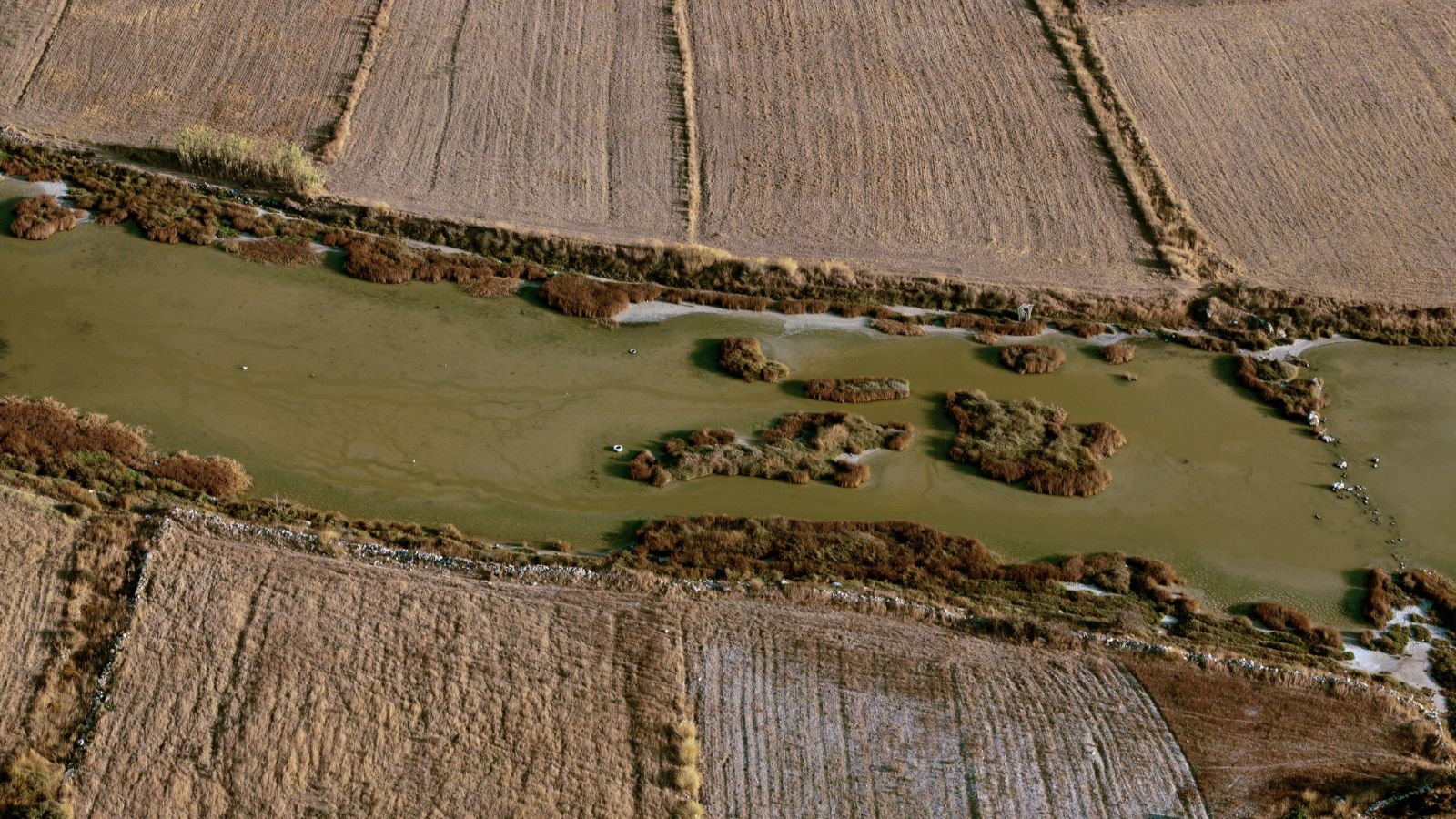
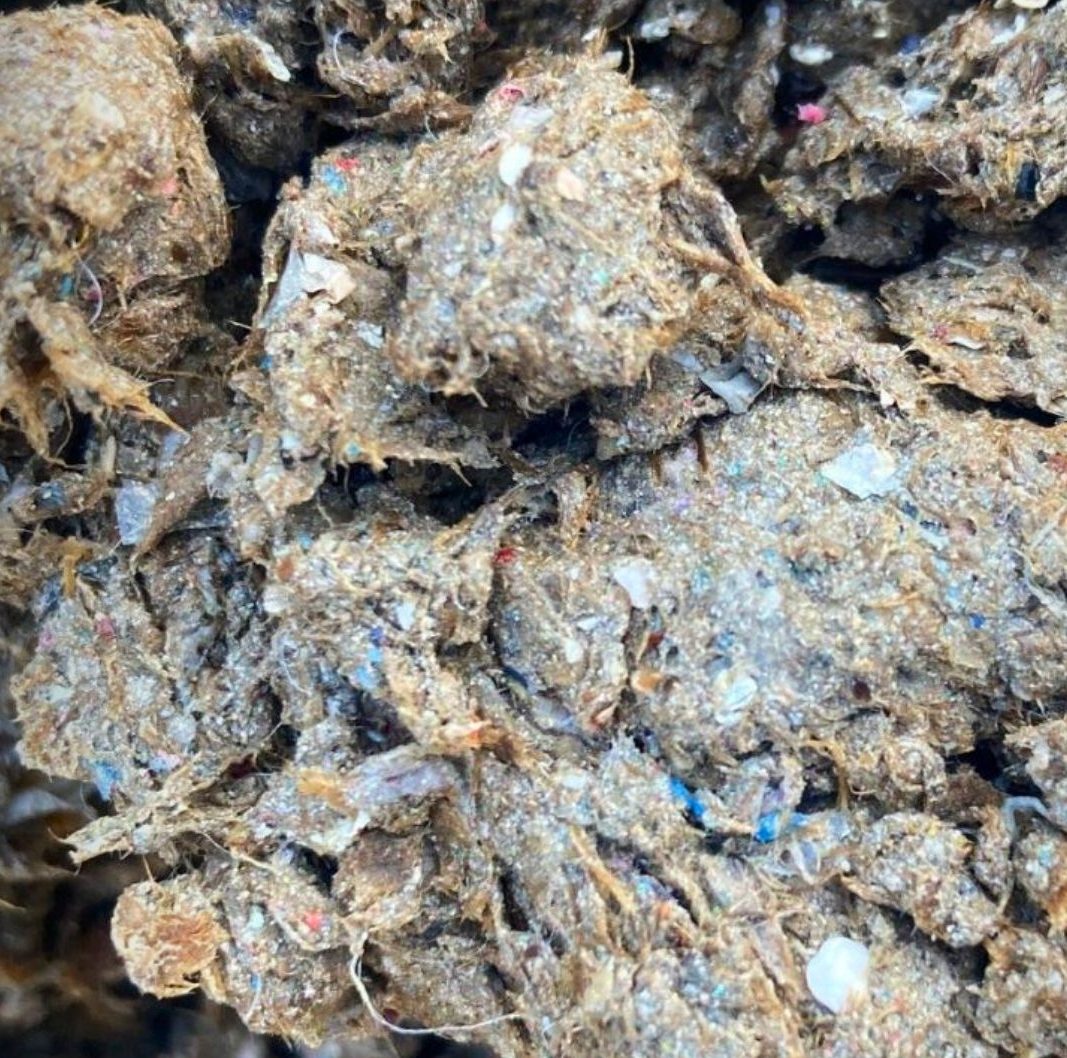
Pollution from intensive poultry production does not usually appear as a dramatic brown slick after heavy rain. Instead, it spreads more quietly. Vast quantities of chicken manure, rich in phosphorus and nitrogen, are being spread on land or exported and spread on other land that in some catchments is already saturated with nutrients. From there, rainfall can wash those excess nutrients into nearby streams and rivers, fuelling algal blooms that choke oxygen from the water, damage wildlife and smother riverbeds. By the time the ecological harm becomes visible, the pollution has already taken hold. 

‘Diffuse’ agricultural pollution comes from widespread activities across a catchment, making it harder to pinpoint and regulate than obvious point-source pollution such as a sewage discharge or a chemical spill. But complexity is not an excuse for inaction: it requires coordinated, consistent, catchment-wide management, not regulatory blind spots. 

That is why River Action has launched a judicial review challenging Natural Resources Wales (NRW)’s decision to approve permit variations allowing three intensive poultry units in Powys to expand. The issue is not whether intensive poultry farming should exist. It is whether Wales’ environmental regulator is properly doing its job by using the legal powers it has to prevent pollution linked to those operations. 

In approving the permit variations, NRW proceeded on the basis that it had no legal power under the Environmental Permitting Regulations 2016 to regulate manure once it leaves the boundary of a permitted poultry unit. On that view, the environmental impacts of manure exported off-site fall outside the permitting regime and are instead matters for the planning system, but without NRW first being satisfied that effective and enforceable pollution controls would in fact be secured elsewhere.

In effect, NRW treated the boundary of the site as the boundary of its regulatory responsibility. Rivers, inconveniently, do not respect such lines.

Manure from intensive poultry farming is a major source of nutrient pollution affecting Welsh rivers, including the Wye and the Severn. This is not theoretical harm. Both rivers are already under severe ecological pressure from excess nutrients, causing declining water quality and damaged habitats.

Environmental permitting exists precisely to prevent unacceptable pollution before it happens. Parliament entrusted NRW, as Wales’ environmental regulator, with assessing whether permitted activities are likely to cause pollution and with imposing conditions to control and stop it. River Action’s case argues that NRW has taken an extraordinarily narrow view of its own powers and misdirected itself in law by excluding the potential off-site impacts of manure from its permitting decisions on the basis it has no legal power to address them. We say that approach is unlawful. The Environmental Permitting Regulations do not stop at the farm gate. If waste arises from a permitted activity and is likely to cause pollution wherever it ends up, NRW as the regulator must assess and, wherever necessary, control those impacts. That is both logical and, we say, what the law requires. Recent court judgments do not say otherwise, despite NRW’s insistence that its hands are tied.

What makes this more troubling is that NRW’s counterpart in England, the Environment Agency, accepts that it must consider and prevent water pollution through the permitting process including impacts that may occur beyond the site boundary. There is no rational basis for Wales’ regulator to do less, especially when making decisions in sensitive and protected catchments on the Welsh border. Environmental protection should not weaken when you cross Offa’s Dyke.

If NRW’s position is allowed to stand, the consequences extend far beyond these three poultry units in Powys. It risks creating a significant regulatory gap, allowing industrial-scale agricultural operations to expand in vulnerable catchments without effective oversight of one of their most environmentally damaging consequences.

This case is not about attributing blame after the damage is done. It is about prevention. Once excess nutrients enter a river system, they are extremely difficult and costly to remove. Rivers such as the Wye cannot be restored while pollution continues upstream without effective regulatory control. 

NRW exists to prevent environmental harm, not to assume that someone else will deal with it. Passing the buck to the planning system on a mistaken understanding of legal powers, without securing robust safeguards elsewhere, won’t wash.  

Wales rightly aspires to environmental leadership. It has strong and progressive environmental frameworks and internationally important rivers. But laws only matter if they are used and followed. 

River Action’s case asks the court to clarify a simple and fundamental point: to confirm that environmental regulation in Wales means what it says, NRW’s interpretation of its powers was wrong, and that pollution prevention does not end at a conveniently drawn boundary line. Our rivers cannot afford another lost decade of buck-passing. If we are serious about protecting and restoring them, we must ensure that those tasked with safeguarding them are equipped – and required – to use their powers in full.
River Action launches legal challenge, accusing NRW of “washing its hands” of intensive poultry pollution

Download PDF

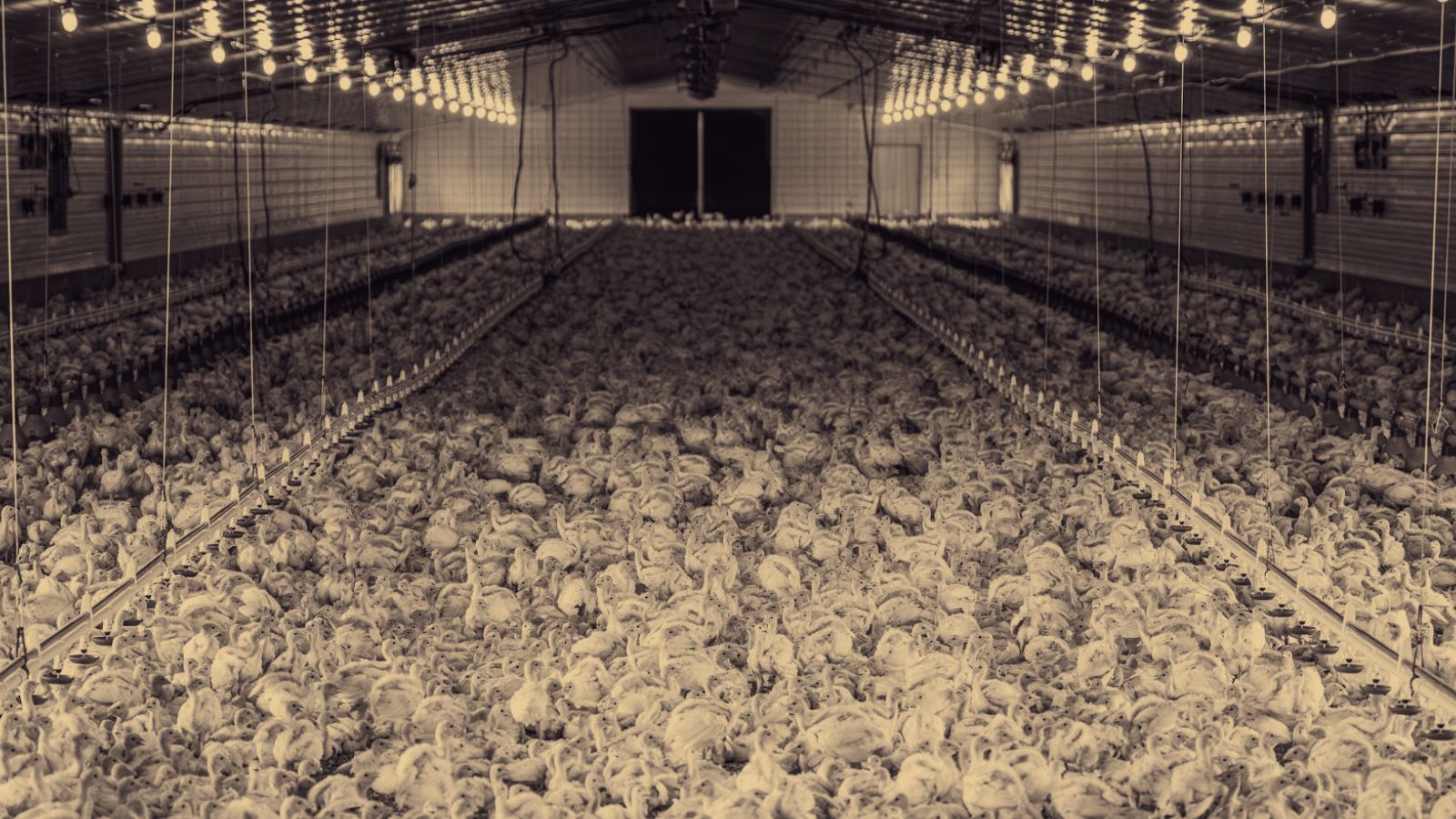
We have launched a judicial review challenging Natural Resources Wales (NRW)’ approval of three expanded poultry farms in Powys, accusing the regulator of “washing its hands” of manure pollution by taking an unlawfully narrow view of its powers.

The case focuses on whether NRW is properly using its role as environmental regulator to prevent pollution from intensive farming or whether responsibility is being passed to others while Welsh river catchments such as the Wye and the Severn continue to deteriorate. 

The legal challenge follows NRW’s decision in November 2025 to approve permit variations allowing three intensive poultry units to expand in Powys. In doing so, NRW proceeded on the basis that the environmental impacts of manure once it leaves the farm boundary fall outside permitting and should instead be addressed through the planning system, without first being satisfied that effective and enforceable pollution controls would actually be put in place elsewhere.  

We say NRW’s approach is a serious misunderstanding of the law, and that NRW misdirected itself by proceeding on the basis that it had no power under the Environmental Permitting Regulations 2016 to assess or regulate the off-site environmental impacts of manure, and so excluded those impacts from its permitting decisions altogether. We also say NRW has misinterpreted recent court judgments – including Squire v Shropshire Council, NFU v Herefordshire Council and Caffyn v Shropshire Council – to justify its position.  

We argue that, properly understood, the law requires NRW to assess and prevent potential pollution impacts that could arise if manure is exported off-site – rather than ruling them out or passing the buck. 

This case matters because environmental permitting is meant to prevent unacceptable pollution before it happens, and Parliament specifically entrusted NRW as Wales’ environmental regulator with making those decisions, rather than deferring responsibility on a mistaken understanding of its powers or assumptions about future planning controls. 

NRW’s sister regulator in England, the Environment Agency, accepts its responsibility for preventing and controlling potential water pollution through the permitting process. We believe there is “no rational basis” for NRW taking a narrower approach in Wales and not taking responsibility. 

If left unchallenged, NRW’s approach could create a significant regulatory gap. This could allow intensive poultry units, and potentially other industrial-scale agricultural operations, to expand without effective control of one of their most environmentally damaging consequences, even in protected and sensitive river catchments such as the Wye and Severn. 

Pollution from intensive poultry farming doesn’t stop at the farm boundary, and regulation can’t lawfully stop there either,” said River Action’s Head of Legal, Emma Dearnaley. “NRW has treated the boundary of the installation as the boundary of its regulatory responsibility, even though the environmental harm caused by excess manure occurs well beyond that line.”

Manure from intensive poultry farming is a major source of nutrient pollution in Welsh rivers, contributing to algal blooms, declining water quality and ecological damage in catchments including the Wye and the Severn. River Action says that environmental permitting is a vital tool to prevent this harm, particularly where planning controls are absent, delayed or ineffective. 

“NRW exists to prevent pollution, not to pass responsibility elsewhere,” Emma Dearnaley added. “If the regulator assumes someone else will deal with manure pollution without securing meaningful safeguards, rivers like the Wye and the Severn will continue to decline.”

After months of objections, correspondence and pre-action engagement, We are asking the court to declare that NRW’s interpretation of its powers was wrong, make clear NRW must lawfully assess and regulate manure-related impacts through environmental permitting where they are a consequence of the permitted activity, and quash the three Powys permit decisions. 

The case is about ensuring environmental regulation works as Parliament intended, preventing pollution before harm occurs rather than wrongly passing responsibility to others or reacting after damage has already been done to our rivers.

Leigh Day solicitor Julia Eriksen said, “NRW’s decision to vary existing environmental permits on three intensive poultry farms will enable thousands more chickens to be housed and produce significantly more manure. River Action argues that it is NRW’s job to guard against any resulting pollution impacts.

“River Action has already secured a court ruling that rules around agricultural pollution should be properly enforced, and hopes this claim for judicial review will make it clearer still what responsibilities NRW has in this area.”

Our Pre-Action Protocol letter to NRW can be read here. NRW’s response is here

You can read our Statement of Facts and Grounds in full here.

Red Tractor Misleads On Environmental Claims

Download PDF

By Amy Fairman, Head of Campaigns at River Action UK

Britain’s rivers are in terrible shape, and our biggest supermarkets are up to their necks in it. For years, retailers like Tesco and Asda alongside their agribusiness suppliers have relied on the cosy logo of Red Tractor, telling customers their food is “farmed with care… from field to store all our standards are met”. In late 2025, the Advertising Standards Authority (ASA) called time on this charade.

The regulator has ruled that Red Tractor, the UK’s largest farm assurance scheme, misled the public by suggesting its logo guarantees environmental protection. It doesn’t. The most recent Environment Agency data shows a staggering 19,000 breaches across 60% of inspected Red Tractor–certified farms between January 2020 and July 2025, exposing a systemic failure behind the label’s “environmentally friendly” claims.

This isn’t a marginal issue. It goes to the heart of how our food system operates, and how some of the biggest companies in Britain shield themselves from responsibility while rivers and lakes collapse under a deluge of pollution caused by intensive agricultural practices.

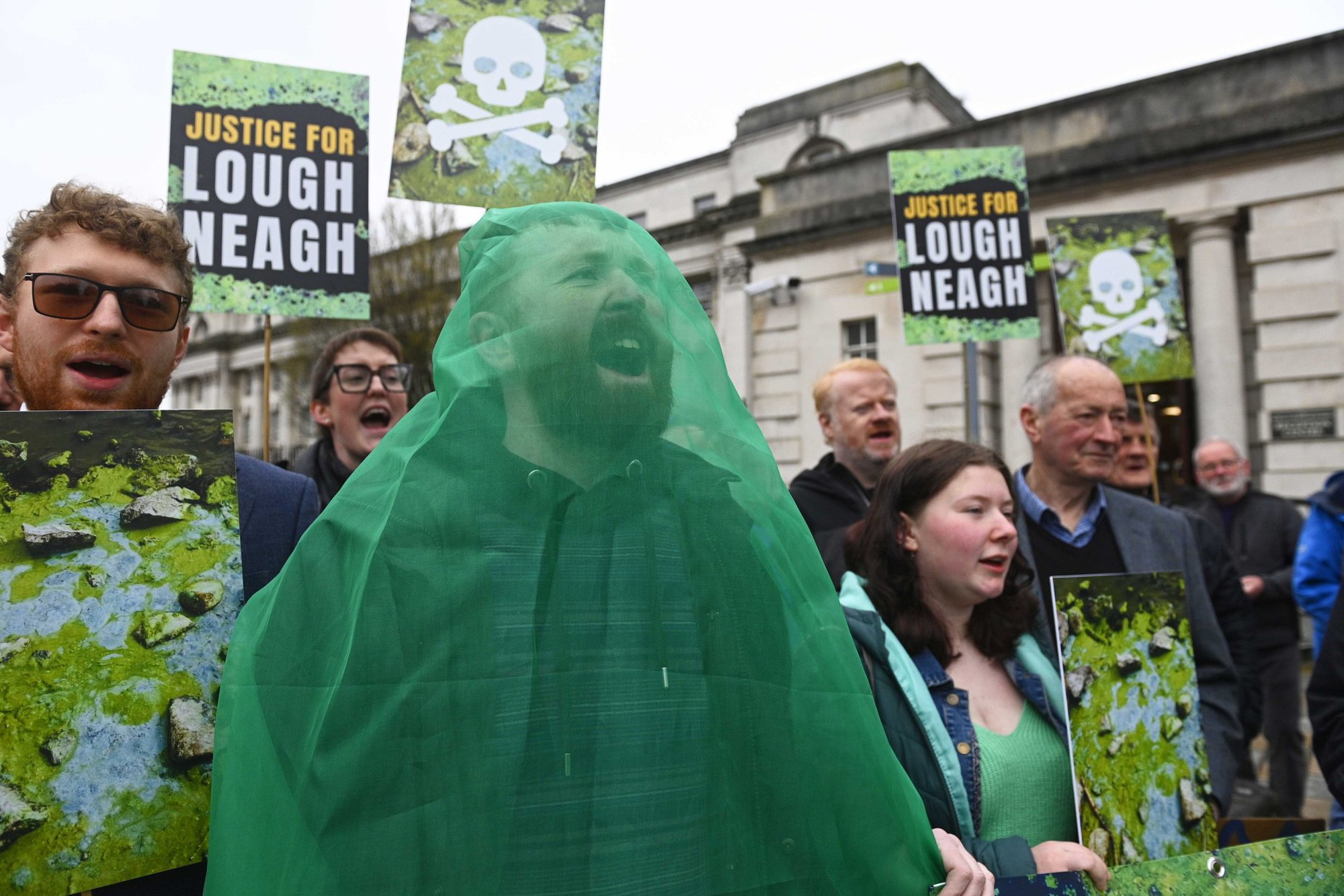
Take Tesco. Controlling nearly 30% of the supermarket sector, it is the single most powerful buyer of British farm produce. Its chicken and pork supply chains run through industrial-scale operators like Avara Foods and Moy Park. These are not quaint family farms but subsidiaries of US agribusiness giants Cargill and Pilgrim’s Pride. These companies have been linked to ecological crises such as the collapse of the River Wye and the ongoing algal disaster in Lough Neagh, the UK’s largest freshwater lake.

At a recent Sustainable Food Conference in London, River Action’s Head of Engagement asked Tesco CEO Ken Murphy why the company continued to stock Red Tractor products after the ASA upheld a greenwashing complaint against the scheme. His response was: “That’s an issue for Red Tractor.”

For years, supermarkets have pointed to the Red Tractor logo as their environmental shield. But that line has now been shredded. In a landmark ruling, the UK’s ASA concluded that Red Tractor’s environmental claims were misleading, finding that the advertising exaggerated the scheme’s standards and misled consumers. This is no longer just campaigners or scientists raising the alarm; it is an independent regulator confirming that the reassurance offered by the logo does not stack up. Any retailer still presenting Red Tractor as a marker of good environmental outcomes is not reassuring customers, but risking greenwash.

The data underpinning the ruling is stark. Between January 2020 and July 2025, 7,353 Environment Agency inspections of Red Tractor–certified farms found 4,353 breaches, meaning nearly 60% of farms failed to meet environmental rules. These were not trivial lapses.  Inspectors recorded 19,305 instances of non-compliance, including thousands of breaches intended to stop slurry and fertiliser entering rivers – pollution that fuels algal blooms, kills fish, damages ecosystems, and contaminates drinking water.

This is not just a story about dirty rivers. It is about a food system where the biggest players, multinational agribusinesses and the retailers who buy from them, use weak, industry-controlled assurance schemes to insulate themselves from scrutiny. Red Tractor is not a neutral standard-setter. It is designed by the very interests it is supposed to regulate. And guess who controls it? The majority of seats on Red Tractor’s governing council are held by the UK’s various National Farming Union bodies. Yes, the farming lobby actually controls its own product quality scheme.

Red Tractor’s defenders will say that criticising the scheme means attacking farmers. Let’s be clear, it does not. Many farmers care deeply about the land and waterways that sustain them and us all. They are being undercut by a system that rewards scale, intensification and cutting corners, while paying lip service to environmental protection.

As Martin Lines, CEO of the Nature Friendly Farming Network, has put it: “Consumers and farmers want real sustainability, not a sticker.”

Farmers who are genuinely improving soils, protecting rivers and reducing chemicals see little reward for their efforts. Supermarkets cannot claim ignorance. They have been told repeatedly about the links between their suppliers and river pollution. The Environment Agency rejected Red Tractor’s bid for “Earned Recognitions” precisely because it fails to meet good environmental standards. Yet retailers still rely on the logo as their shield.

This complicity matters because of their sheer market power. When supermarkets demand Red Tractor chicken, vast supply chains, from feed mills to slaughterhouses to contract farmers, are locked into a destructive model. This legitimises the industrial systems polluting our rivers. And when consumers challenge them, they point to the little tractor logo, as if that settles the matter.

The ASA ruling proves it doesn’t.

We now face a choice. Tesco, Asda, Aldi, Lidl, Morrisons and others can continue to sell food tainted with pollution, hiding behind a logo that regulators have called out as misleading on environmental performance. Or they can do the honest thing: demand genuinely high environmental standards from suppliers, pay farmers properly for producing food in ways that don’t wreck our rivers, and support the farming community’s transition to nature friendly farming.

This isn’t just about protecting wildlife or river users such as this nation’s army of wild swimmers. Though that should be enough. It is also about restoring trust in our food system. Consumers deserve to know that when they buy British, they are supporting farming that safeguards our countryside, not destroy it. Farmers deserve a level playing field that rewards those who do right by the land. And companies that profit from selling us food have a duty to ensure their supply chains comply with legal standards, both under the law and broader social responsibility.

For too long, Red Tractor has allowed agribusiness and retail giants to dodge that duty. Thanks to the ASA, the greenwash is now exposed. The question is whether the supermarket giants will finally face up to reality, or whether they will cling to a broken system until public trust collapses.

Britain’s rivers cannot wait. Neither can the farmers who are trying to do the right thing. The time for excuses is over. We hope that conversations like the one with Tesco’s CEO plant a seed and prompt supermarkets to take real responsibility for the food they choose to stock on their shelves.

Environmental and nature-friendly farming groups warn Government risk missing river clean-up targets without action on agricultural pollution

Download PDF

Leading environmental and nature-friendly farming organisations, including River ActionNature-Friendly Farming Network, The Rivers Trusts, Surfers Against Sewage, Wildlife and Countryside Link, WWF-UK, Wildfarmed, RSPB and the Soil Association, have written to the Secretary of State for Environment, Food and Rural Affairs calling for urgent government action to tackle agricultural water pollution.

The letter follows the launch by River Action in December 2025 of a dedicated Agricultural Water Pollution Strategy, warning that current efforts to clean up rivers risk falling short by focusing too narrowly on sewage while neglecting a major source of pollution. 

The Strategy identifies excess nutrients from large-scale livestock systems and contaminants from sewage sludge as two leading sources of agricultural water pollution. Both nutrients and sludge are used as fertilisers, yet are not often valued as they should. Sewage sludge in particular holds great risks because of toxic chemicals, plastics and pharmaceuticals, including ‘forever chemicals’, which risks further contaminating soils and rivers after being spread on farmland.

Agriculture is now recognised as a significant source of water pollution as sewage, yet it has not received the same political focus, regulatory attention or investment. Without decisive action, the Government will fail to meet its pledge to clean up rivers, particularly when the recently published Water White Paper dedicated only one page to agricultural water pollution, reinforcing its treatment as secondary to sewage.

The signatories welcome Defra’s revised Environmental Improvement Plan and its new targets to reduce agricultural pollution. However, they warn that these targets are unrealistic without significantly stronger action and are likely to be missed on current progress.

The Government’s own regulator supports these concerns. The Office for Environmental Protection has warned that slow progress on agricultural water pollution is undermining overall efforts to improve the water environment.

While recent attempts to reform agricultural pollution rules, including greater engagement between Defra, farmers and environmental groups, are encouraging, they do not yet go far enough to deliver change at the scale required. Farmers need stable, long-term support and clear direction, not short-term schemes or piecemeal reforms, to reduce pollution while continuing to produce food.

River Action’s policy and advocacy manager Ellie Roxburgh said, “The government cannot credibly claim it is cleaning up rivers while continuing to sidestep a major source of pollution flowing into them. Agricultural pollution does as much damage to our rivers as sewage, yet it remains under-regulated, under-resourced and politically neglected. 

“We welcome the Government’s consultation on sewage sludge. It must lead to strong updated regulation with meaningful action that goes beyond end-of-pipe solutions, stopping water companies from selling contaminated sludge to farmers and with all polluters across the supply chain held responsible.”

We also welcome the Government’s new forever chemical plan, but it lacks the level of ambition needed, relying too heavily on monitoring and voluntary action rather than firm regulation and enforcement.

In response, River Action’s Agricultural Water Pollution Strategy sets out measures it says are essential if government is serious about cleaning up rivers:

  1. Proper and consistent enforcement of anti-pollution regulations, ending reliance on under-resourced, reactive compliance.
  2. A well-resourced and properly trained Environment Agency, with the capacity to monitor, inspect and enforce agricultural pollution rules.
  3. Appropriate funding and updated planning guidance for slurry infrastructure, to prevent pollution from storage and land application.
  4. Mandatory Sustainable Nutrient Management Plans, overseen by a Defra-led taskforce to ensure accountability and coordination.
  5. Lower thresholds for Environmental Permitting Regulations, extending tighter controls to beef and dairy operations currently outside the regime.
  6. A transition to catchment-based nutrient management, using regional water authorities to manage pollution at river-basin scale.
  7. An end to toxic sewage sludge contaminating farmland, including stronger controls on contaminants such as PFAS and microplastics.


Richard Benwell, chief executive of Wildlife and Countryside Link, said the breadth of support behind the letter showed the urgency of the issue. “If ministers are serious about meeting their nature and water quality commitments, tackling agricultural pollution must now be a top priority, not an afterthought.”

This year presents a rare policy window. Major strategies and legislation covering land use, farming incentives, food policy, circular economy measures and water reform give the Government the opportunity to act decisively if they are aligned and used boldly.

The environmental sector is united in calling for urgent, coordinated action and stands ready to support solutions that enable food production without harming rivers.

The message to ministers is clear: delivery, not delay. The credibility of the Government’s commitment to clean up rivers is now at stake.


Notes to editors

The letter to the Secretary of State for Environment, Food and Rural Affairs was signed by a cross-party group of parliamentarians, environmental organisations, farming networks, legal experts and civil society groups, reflecting broad concern about the impact of agricultural pollution on rivers.

Signatories include senior figures from leading environmental organisations, including River Action, Wildlife and Countryside Link, WWF-UK, RSPB, Surfers Against Sewage, The Rivers Trust, the Soil Association and the Nature Friendly Farming Network, alongside representatives from farming, research, legal and community groups.

Political signatories span parties and chambers, including MPs from Labour, Liberal Democrat and Green parties, as well as members of the House of Lords.

The full list of signatories is as follows:

James Wallace (CEO, River Action UK)
Terry Jermy MP (South West Norfolk, Labour)
Roz Savage MP (South Cotswold, Liberal Democrat)
Ellie Chowns MP (North Herefordshire, Green)
Adrian Ramsay MP (Waveney Valley, Green)
Siân Berry MP (Brighton Pavilion, Green)
Carla Denyer MP (Bristol Central, Green)
Lord Randall of Uxbridge
Baroness Jones of Moulsecoomb
Helen Browning (CEO, Soil Association)
Richard Benwell (CEO, Wildlife and Countryside Link)
Catherine Gunby (Executive Director, Fidra)
Gavin Crowden (Director of Advocacy, WWF-UK)
The Duchy of Cornwall
David Wolfe KC (Matrix Chambers)
Alison Caffyn (Rural Researcher)
Alastair Chisholm (Director of Policy, CIWEM)
Martin Lines (CEO, Nature Friendly Farming Network)
Rebecca Wrigley (CEO, Rewilding Britain)
Ellen Fay (Founder, Sustainable Soil Alliance)
Kevin Austin (Director of Policy and Advocacy, RSPB)
Giles Bristow (CEO, Surfers Against Sewage)
Georgia Elliott-Smith (Founder, Fighting Dirty)
Mark Lloyd (CEO, The Rivers Trust)
Natasha Hurley (Deputy Director, Foodrise)
Dee Edwards (Chair, Communities Against River Pollution)
Rob Bray (Chief People and Sustainability Officer, Wildfarmed)

The letter was sent to Rt Hon Emma Reynolds MP, Secretary of State for Environment, Food and Rural Affairs. A copy of the letter is available here

Privacy Overview

This website uses cookies so that we can provide you with the best user experience possible. Cookie information is stored in your browser and performs functions such as recognising you when you return to our website and helping our team to understand which sections of the website you find most interesting and useful.