
The Wildlife Trusts Report: More Proof Our Rivers Need Urgent Action

Download PDF

A Call for River-Friendly Farming: Why We Can’t Ignore Factory Farm Pollution

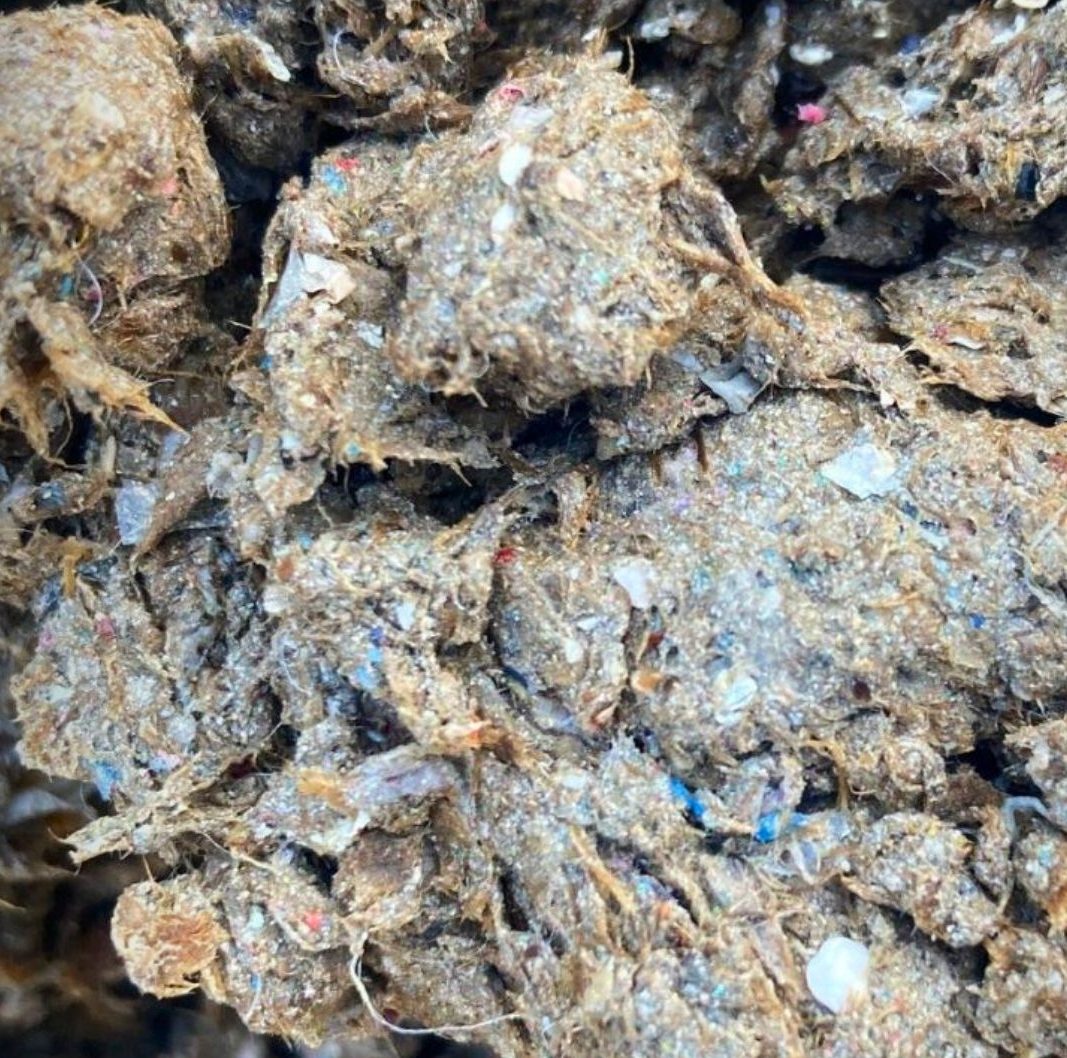
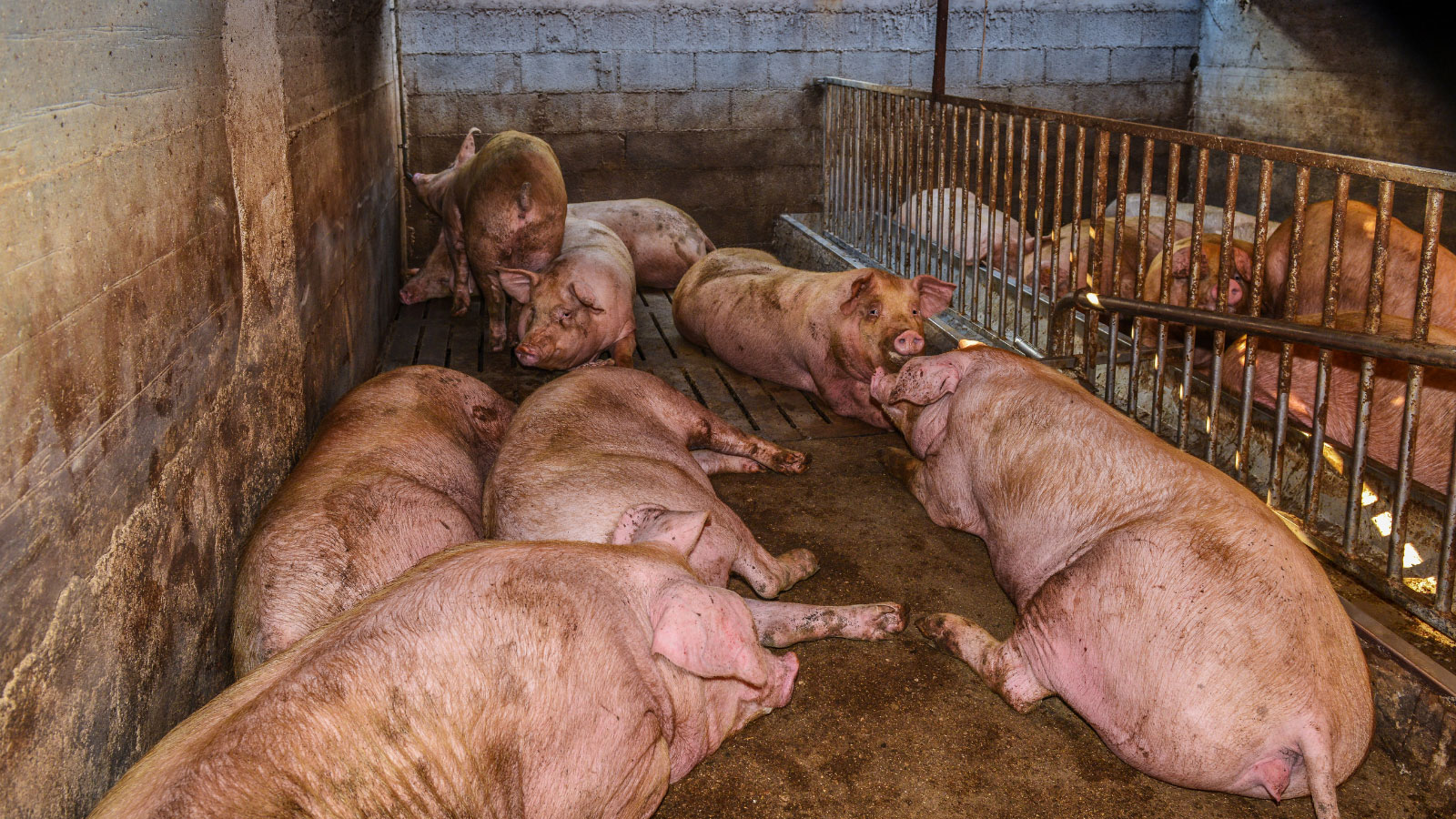
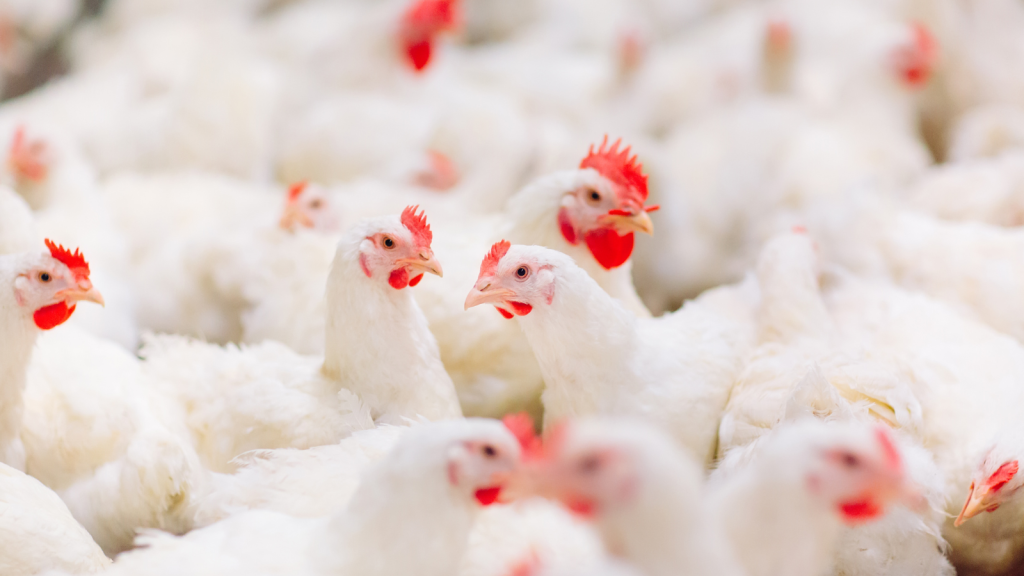
Today, The Wildlife Trusts released a powerful new report exposing the devastating environmental toll of the UK’s intensive pig and poultry industry. For those of us fighting to protect our rivers, its findings come as no surprise – but they provide yet more hard evidence of the scale of damage being caused by factory farming.

At River Action, we welcome this report wholeheartedly. Communities along the Wye, Severn and Kennet have long been raising the alarm about nutrient pollution from intensive farming. This report adds weight to their voices, strengthening the case for urgent change.


Why enforcement matters

The “Farming Rules for Water” already exist to stop pollution – but they remain largely unenforced. Without real accountability, factory farm pollution continues unchecked, leaving rivers overloaded with nutrients and communities paying the price. If the government is serious about protecting nature and rebuilding trust, it must enforce the law while helping farmers make the shift towards more sustainable practices.


River Action’s fight against factory farm pollution – Timeline

We have has taken major legal steps to hold polluters and the authorities enabling them to account:

Taken together, these legal battles underscore a simple truth: without urgent action to rein in the industrial farming model, our rivers and the wildlife that depend on them will continue to pay the price.

What’s next?

The evidence is overwhelming. The law is clear. And communities are demanding change. Now the government must act – ensuring regulations are enforced and farmers are supported in transitioning to sustainable, river-friendly farming practices.

Because nothing less than meaningful reform will do.

The Water Commission’s Final Report: Why It Falls Short – And What Must Come Next

Download PDF
By Amy Fairman, Head of Campaigns

At the end of July, the Independent Water Commission released it’s final report on the state of our water industry with recommendations on how the industry could be fixed. River Action, alongside Surfers Against Sewage, has analysed the recommendations against our five core principles for real reform.

Our conclusion? While the Commission makes some useful noises about reform, it ultimately ducks the bold changes needed to end sewage pollution and protect people and nature.

Here’s how the Commission performed when measured against our principles – and why government must now go much further with its upcoming White Paper.


1. Operating for Public Benefit

The Commission’s approach accepts the profit-driven privatised model of water companies as a given. Instead of rethinking this broken system, it focuses primarily on tighter regulation.

This is not enough. Decades of evidence show that shareholder-first models drain money out of the system while rivers fill with sewage. The Commission ignored credible international evidence that public benefit ownership models – like those in much of Europe – deliver lower bills, more investment, and cleaner rivers.

Without a fundamental redesign of ownership, governance, and financing, alongside regulatory reform the crisis will continue.

2. Democratic Decision-Making

The Commission’s proposal for Regional Water Authorities is a step forward, hinting at more democratic oversight. But as drafted, these bodies risk being toothless talking shops.
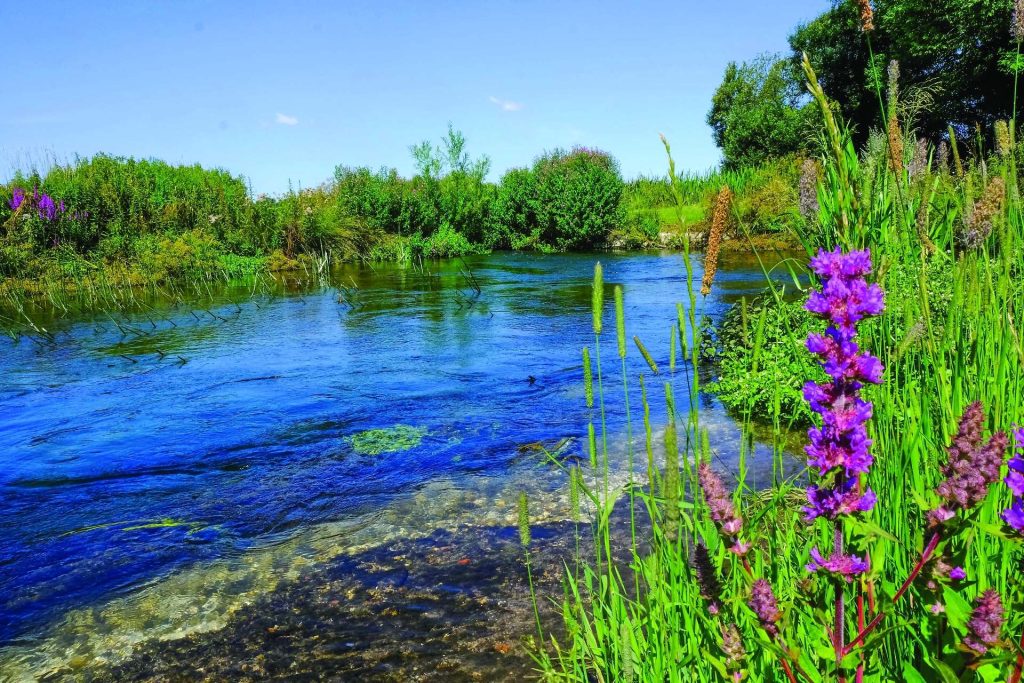

Real reform requires municipal-level oversight, with local authorities, communities, and environmental groups holding real power over how water companies invest, operate, and deliver. Without this, decisions will remain in the hands of profit-driven boards.

3. Protecting Public and Environmental Health

The Commission acknowledges sewage pollution is a major public health crisis – but stops short of the urgent action needed.

Taskforces and reviews won’t protect the thousands of people falling ill after using polluted rivers and seas. We need immediate legal duties for all water companies, regulators, and government to protect public and environmental health, backed by stronger permits and updated Bathing Water Regulations that safeguard everyone, year-round, from emerging pollutants like ‘forever chemicals’ and microplastics.

4. Tough, Independent Regulators 

The Commission rightly diagnoses regulatory failure. But renaming regulators without changing their powers, duties, and resources will not fix the problem.

We need a strong, independent regulator with a clear duty to protect public and environmental health – not water company profits. And where companies fail, government must use the Special Administration Regime to reset them around public benefit principles, starting with Thames Water.

5. Transparency

The Commission calls for more monitoring – which we welcome – but still clings to the discredited model of operator self-monitoring, where water companies mark their own homework.

That system has failed. Independent monitoring, citizen science, and full real-time transparency are the only way forward. People deserve to know what’s happening in their rivers and seas.


The Bottom Line

The Water Commission’s report was a once-in-a-generation opportunity to reset a failing system. Instead, it tinkers at the edges, leaving the profit-driven model intact and communities exposed to sewage, debt, and declining water quality.

Government must now go further. The upcoming White Paper must:

  • Restructure water companies to deliver public benefit, not private profit.
  • Embed democratic oversight at local and regional levels.
  • Put public and environmental health at the heart of water law and regulation.
  • Create a tough, well-funded regulator with the power to act.
  • End operator self-monitoring and deliver full transparency.

Anything less will leave us trapped in the cycle of pollution, public anger, and political failure.

You can read our full indepth analysis HERE.

Plans for 32,000-bird “Megafarm” on the River Kennet Rejected

Download PDF

Berkshire factory farm plans rejected in win for river campaigners


A major win for river campaigners has been secured in Berkshire. Plans for a 32,000-bird egg production unit near Marsh Benham, close to the River Kennet, have been rejected following strong objections from local residents, environmental groups, and anglers led by Action for the River Kennet.

A major win for river campaigners has been secured in Berkshire. Plans for a 32,000-bird egg production unit near Marsh Benham, close to the River Kennet, have been rejected following strong objections from local residents, environmental groups, and anglers led by Action for the River Kennet.

The proposed development would have been sited on the banks of one of the world’s rare chalk streams – the River Kennet, a designated Site of Special Scientific Interest.


Why was the application turned down?

The application was turned down based on the harmful effects from groundwater pollution and surface water runoff that could result from the development, particularly through increased phosphorus and nitrogen deposition. These risks had not been adequately avoided, mitigated, or compensated, with insufficient information provided to justify otherwise.


Community-led resistance


The objection was spearheaded by Action for the River Kennet (ARK) and the Angling Trust, with support from River Action. Together, they argued that the risks to the river had not been properly addressed or mitigated.

Local resident Kate Jones, who objected to the application said:

“We are a small community who have come together to fight this, and we want to encourage others that it can be done. We are incredibly pleased and relieved it has been refused. The River Kennet is safe from such developments for now, though West Berkshire Council have left the door open for SRSL to resubmit. We would also like to thank everybody who has lent their support to our campaign, including River Action.”


A turning tide against factory farming


This decision follows our successful legal case against Shropshire Council, where the High Court overturned approval for a 200,000-bird intensive poultry unit near Shrewsbury in the River Severn catchment. That ruling was described as a “national precedent” and “a pivotal moment in the movement against factory farming in the UK.”

Our CEO and local resident James Wallace added:

“I learned to swim and fish in the River Kennet. This decision sends a strong message: communities will not allow our rivers to continue to be the dumping ground for industrial-scale agriculture. The rejection of this damaging proposal is a victory for rivers, wildlife, and the united voices of concerned local residents, and further evidence that the days of factory farms wrecking our waterways may be numbered.”

The Angling Trust also objected to the application. Martin Salter, lifelong Kennet angler and Head of Policy at the Angling Trust said:

“We told the Sutton’s Estate back in March that the game is up and they should withdraw their irresponsible application to locate a polluting poultry unit on the edge of the Kennet floodplain and just a few hundred metres from a highly protected SSSI, but they didn’t listen. It’s been a long hard campaign but I’m so pleased that common sense has finally prevailed and those of us who love and cherish Berkshire’s most famous chalkstream can breathe a sigh of relief.”


Why is this important for our rivers?


We have consistently warned of the devastating impacts of intensive livestock units on the health of Britain’s rivers. Phosphorus and nitrogen pollution from such sites is a leading cause of algal blooms, oxygen depletion, and widespread ecological damage. Stopping megafarms proposals like the one on the Kennet is integral to protecting the health of our rivers.

Our CEO adds:

“This is an important step forward, we must now accelerate the transition to farming practices that support farmers to work with nature, not against it. Communities are speaking out, decision-makers are listening, and the era of industrial river-wrecking factory farms is drawing to a close.”


Fightback against factory farms: New toolkit to empower communities


As the fightback against industrial-scale factory farms that wreck our rivers gathers pace, we have launched a new Planning Toolkit. This resource is designed to empower individuals and community groups to object to developments that may threaten their local waterways. Be sure to check it out!

From Green to Clean – The Spanish community that saved their lake and what the UK can learn

Download PDF
By Drew Richardson, Communities Coordinator, River Action

The Dirty Man of Europe

The UK is unaffectionately known as the ‘Dirty Man of Europe’ when it comes to the state of our rivers. Three-quarters of rivers now pose a risk to human health, with many of our great lakes and rivers turning green with algal blooms from upstream pollution. Industrial meat production is one of the biggest culprits, driving 62% of river stretches to fail ecological health standards. But a community in Spain faced a similar crisis – and fought back. Their victory offers a blueprint for how we could save our own rivers.

The sad state of the River Wye

A Familar Problem

You may have read my blog post earlier this year, where I visited a community in Spain battling an industrial dairy factory that was threatening to become bigger than their township. I visited this community alongside representatives from across Europe. Organised by Friends of the Earth Europe, we had come together to share knowledge on how communities across the continent are fighting back against industrial pollution.

There I met campaigners from Amigos de la Tierra (Friends of the Earth Spain) and Federación de Consumidores y Usuarios – CECU (the Federation of Consumers and Users). They told me how the community of As Conchas, on the shore of a 25‑mile‑long reservoir, had already begun taking action after years of suffering from pollution caused by industrial meat factories upstream.

For years, local people had endured nauseating smells, keeping their windows shut in the Spanish heat. Further to this, they could no longer access local drinking water, as they saw their wells become contaminated by the waste seeping into the aquifer. Local communities raised their concerns with local government officials, but were told, that the water was safe to bathe in, that their wells were safe to drink from, and no action was needed. And yet, studies warned that cancer rates in the district exceed the rates found in other Galician districts.

Here I am outside the industrial dairy factory in Spain

From Citizen Science to the Courtroom

So local communities decided to take action.

They began with citizen science and found that the Lima River that empties into the reservoir contained at least 97 million dangerous cyanobacteria per litre of water and nitrate pollution levels 1000 times higher than the permitted limits.

The source? Labs attributed this pollution to manure produced by industrial meat factories that litter the river’s catchment. Still the regional government did nothing. So members of the community took their regional government to court, supported by Amigos de la Tierra, Federación de Consumidores y Usuarios – CECU, and Client Earth, for allowing the uncontrolled expansion of industrial meat factories, and inaction regarding the environmental and health impacts they were causing which breached their human rights under the Spanish Constitution and EU human rights law.

After supplying such clear evidence, the judge ruled in their favour and the regional government was ordered by the court to immediately adopt measures to end the pollution impacting the As Conchas reservoir and its community.


What This Means for the UK

This was a tremendous win, which sets a precedent across the EU. Already Portuguese politicians are taking their Environment Agency equivalent to task about downstream pollution. But how does this help us rid the blight from good old Blighty?

Well it wasn’t too long ago that we were part of the EU, so a lot of our environmental law is still in line with our European cousins’. Of course, our laws no longer have to be kept in line with EU directives, so could be liable to change, but so far so good.

Our human rights law however is still the same; we still subscribe to the European Convention on Human Rights (ECHR). These are the laws that ensure we have a right to a fair trial, a right to live, etc. Article 8 is particularly interesting; it’s the right to respect of our privacy and family life. Our private life isn’t just about a place free from surveillance, its our right to participate in society, the economy, culture, and leisure activities. It also means we have rights for the state, individuals, or businesses to not invade our home, affect our private life, or force us from our home.


A Blueprint for Action

When the people of As Conchas could no longer drink the water from their wells, participate in the culture and leisure activities that were intrinsically tied to the reservoir As Conchas was built around, when the smell invaded their home, and when the pollution invaded their bodies and was affecting their health, it became a human rights problem.

We have these same rights in the UK, and now a clear legal precedent that can help hold polluters to account in court. Imagine if we could use these to rescue our rivers. Imagine communities in the Wye, Severn, Thames, or Windermere taking their evidence of pollution to court and forcing action to happen where regulators had failed.

Swimmers, rowers, anglers, and local people, could use their citizen science to demand change, not only through protest, but with the weight of human rights laws behind them. The people of As Conchas have shown us that when local voices come together, even the dirtiest of waters can become clean. And when no one else will listen, not even the authorities, the law can be used to protect people and planet.

Caution to Steve Reed: Don’t betray the public with Thames Water

Download PDF

In response to recent developments, we have written to Environment Secretary Steve Reed to welcome recent steps to prepare for placing Thames Water into a Special Administration Regime. BUT we’ve warned that writing off Thames Water’s debts only to sell the company to another private foreign investor would be a profound betrayal of the public

It follows news reports that the Government is preparing to take control of Thames Water, wipe its debts, and sell it to a Chinese infrastructure company, CKI.

READ THE LETTER

In the letter, we urge the Government to use Thames Water’s Special Administration Regime not as a prelude to another overseas takeover, but as an opportunity to restructure the utility so it is run for public benefit, transparency, and long-term environmental protection.

River Action’s Head of Campaigns Amy Fairman said: 

“Writing off Thames Water’s debts only to sell it to another foreign investor would be a betrayal. 

“This crisis is a chance to rebuild it for public benefit, not private profit. Labour campaigned hard during last year’s election on promises to get a grip on the water crisis and act tough on failing water companies. This is a chance to chart a new course, not repeat the mistakes of the past by selling to overseas buyers eyeing a bargain.

This is a moment for leadership, not short-term expediency. Running Thames Water for public benefit rather than private profit is the surest route to cleaner rivers and satisfying public demands. The Thames and its tributaries are a lifeline for millions – and their health is inseparable from the wellbeing of our environment, economy, and public health,”

The letter outlines the decades of failure that have left Thames Water in crisis: spiraling debt, chronic underinvestment in infrastructure, worsening pollution of rivers, and repeated breaches of environmental law. 

Repeated changes of ownership – often to opaque overseas private investment groups – have consistently prioritised shareholder returns and high-cost debt over safe, clean water and the health of our waterways.

Our key demands to Government:

  1. Rule out the sale of Thames Water to another foreign-owned private investor and ensure a public benefit ownership, investment and governance structure
  2. Use the special administration process to fundamentally restructure Thames Water’s finances and operations to invest in infrastructure that will secure water and protect the environment
  3. Ensure the public does not bail out private investors during the special administration regime and dispel the myth that Thames Water is worth tens of billions
  4. Write-off the current high-interest debt and use Government-backed bonds to significantly lower the burden and attract low-risk, low return, long-term investors
  5. Use the Special Administration Regime for Thames Water as an opportunity to design a permanent public benefit test model for water utilities


It’s clear that the public patience is exhausted and that repeating the same failed privatisation model would undermine trust further.


Campaign Win! New DEFRA guidance a win for our rivers

Download PDF

DEFRA has issued stronger guidance on Farming Rules for Water. The change means that manure can now only be spread when crops actually need it – not at times it can just run off and pollute our river. After years of campaigning and legal pressure, we welcome this significant step forward that provides stronger protection for England’s rivers from agricultural pollution.

The stream of events:

June 2022 – Manure and fertiliser overuse is killing our rivers

In 2022 WWF and ClientEarth launched a legal complaint to the UK’s environmental watchdog the Office for Environmental Protection (OEP). The complaint was related to DEFRA’s guidance with regard to the overuse of manure and fertiliser which floods our rivers with nitrates and phosphates, fuelling algal blooms that choke ecosystems and suffocate wildlife.

May 2024 – Farming practice must change

As a result of our legal challenge against the Environment Agency (EA), the High Court ruled that farming practices must change to comply with the Farming Rules for Water – a response to the EA’s failure to prevent pollution in the River Wye and other threatened waterways. As a result of this legal action, Defra committed to reviewing its guidance.

June 2025 – New Farming Rules for Water

In June 2025, DEFRA released revised statutory guidance ‘Enforcing the Farming Rules for Water’. While this was a welcome step, it fell short in two key areas:

1) Autumn manure spreading: It didn’t go far enough to clarify the rules around autumn manure spreading – a practice often linked to river pollution.

2) A lack of clarity around enforcement thresholds: I.e. How are the rules actually going to be enforced.

In particular, some farming commentators wrongly interpreted the guidance to mean that autumn spreading could still go ahead as usual. However, The High Court ruling in River Action’s legal case demonstrated that it is unlikely to be compliant with the Farming Rules for Water unless it’s in exceptional and specific circumstances. The new guidance failed to set this out.

July 2025 – Closing the loophole

To address these issues, we wrote to DEFRA to seek urgent clarification. We’re pleased to say DEFRA listened. On 16 July, DEFRA issued additional new guidance to farmers called ‘How to comply with the Farming Rules for Water’. This new guidance made it explicit that manure must only be applied when it meets crop or soil need at the time of application – a critical clarification that closes a dangerous loophole and brings guidance in line with the law.

If accompanied by robust enforcement and clear advice for farmers, this should lead to much stronger compliance and significantly reduce agricultural pollution across England’s rivers. We’re grateful to DEFRA for taking these vital steps forward to rescue our rivers. We’ll continue pushing for the protections our rivers so urgently need.

Privacy Overview

This website uses cookies so that we can provide you with the best user experience possible. Cookie information is stored in your browser and performs functions such as recognising you when you return to our website and helping our team to understand which sections of the website you find most interesting and useful.