Environmental and nature-friendly farming groups warn Government risk missing river clean-up targets without action on agricultural pollution

Download PDF

Leading environmental and nature-friendly farming organisations, including River ActionNature-Friendly Farming Network, The Rivers Trusts, Surfers Against Sewage, Wildlife and Countryside Link, WWF-UK, Wildfarmed, RSPB and the Soil Association, have written to the Secretary of State for Environment, Food and Rural Affairs calling for urgent government action to tackle agricultural water pollution.

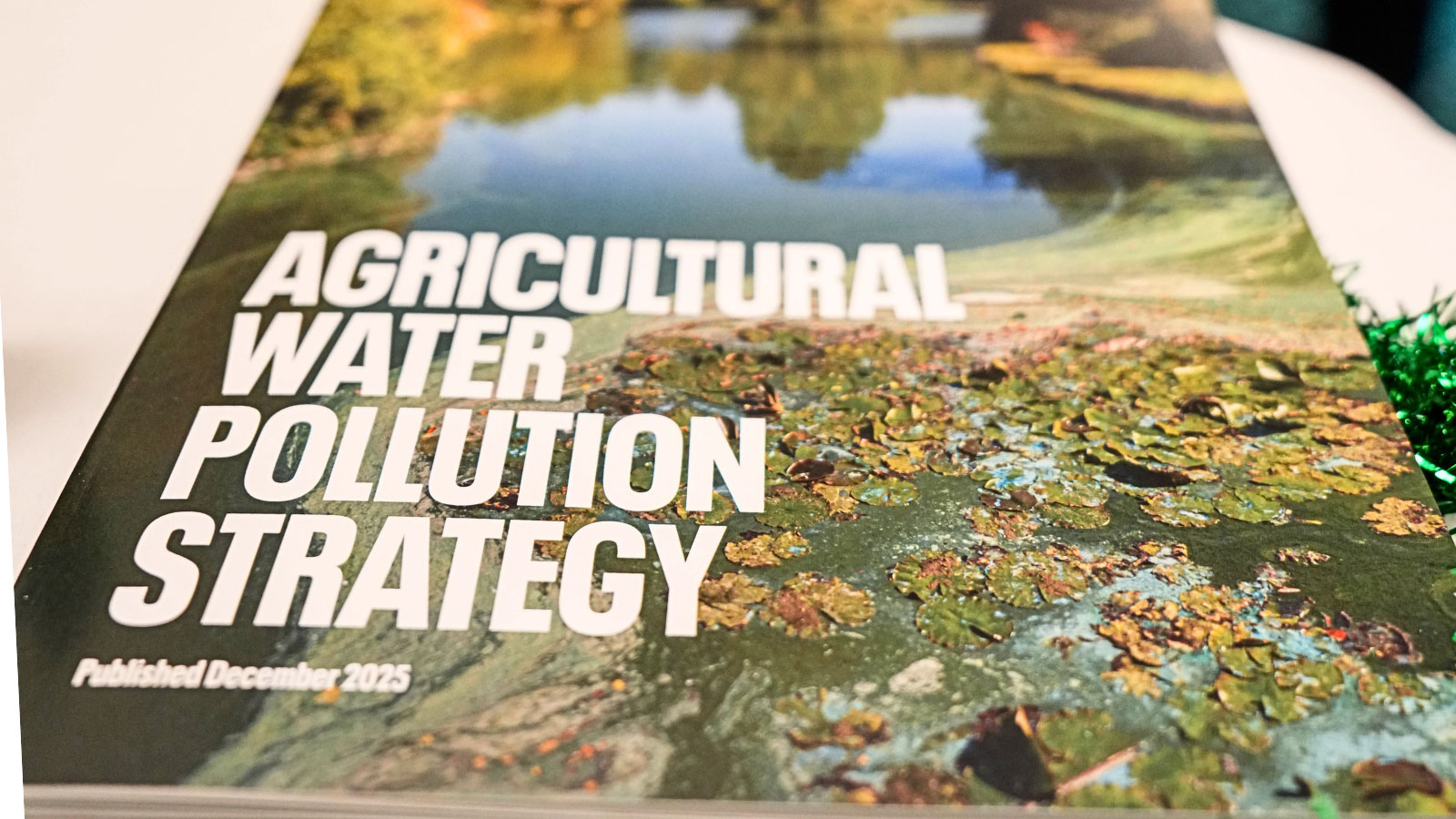
The letter follows the launch by River Action in December 2025 of a dedicated Agricultural Water Pollution Strategy, warning that current efforts to clean up rivers risk falling short by focusing too narrowly on sewage while neglecting a major source of pollution. 

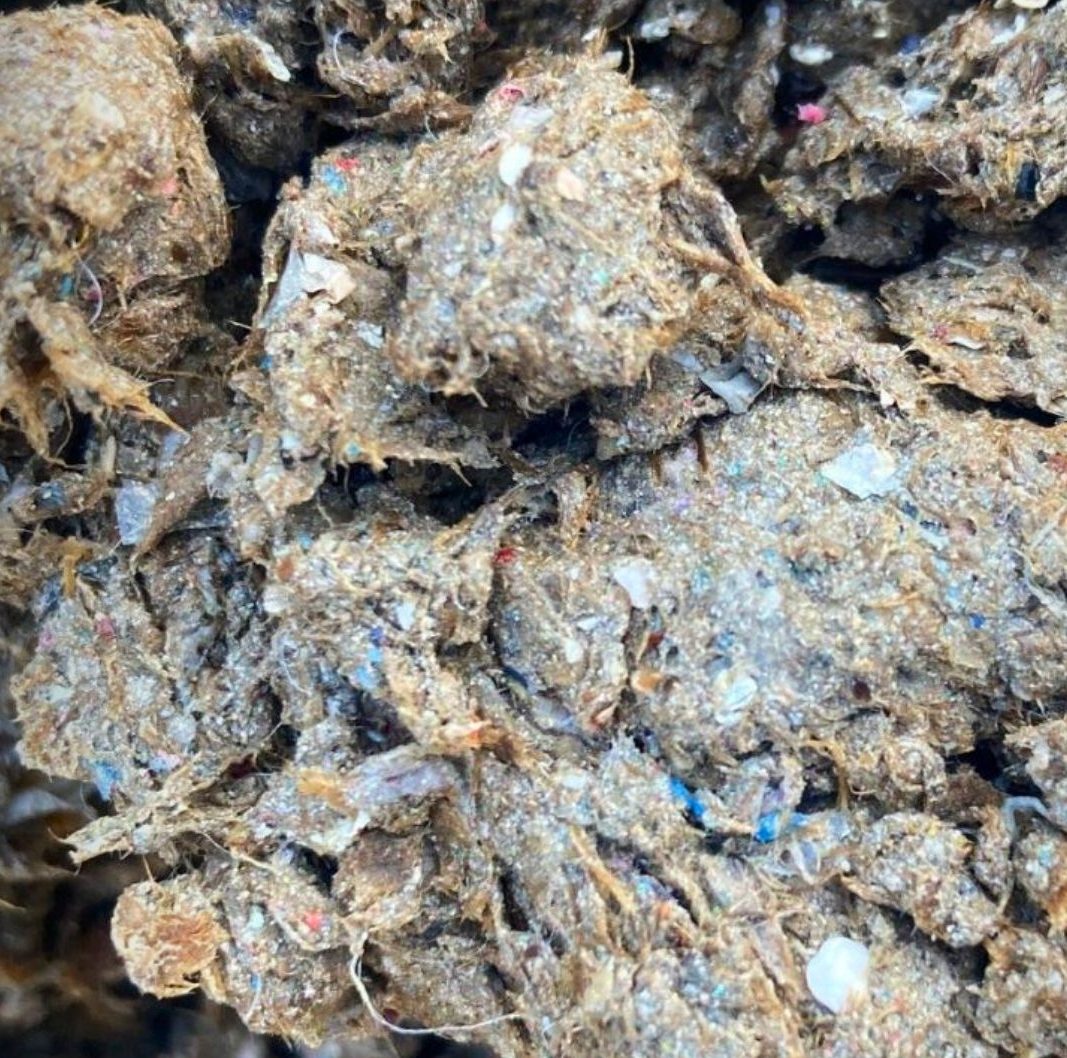
The Strategy identifies excess nutrients from large-scale livestock systems and contaminants from sewage sludge as two leading sources of agricultural water pollution. Both nutrients and sludge are used as fertilisers, yet are not often valued as they should. Sewage sludge in particular holds great risks because of toxic chemicals, plastics and pharmaceuticals, including ‘forever chemicals’, which risks further contaminating soils and rivers after being spread on farmland.

Agriculture is now recognised as a significant source of water pollution as sewage, yet it has not received the same political focus, regulatory attention or investment. Without decisive action, the Government will fail to meet its pledge to clean up rivers, particularly when the recently published Water White Paper dedicated only one page to agricultural water pollution, reinforcing its treatment as secondary to sewage.

The signatories welcome Defra’s revised Environmental Improvement Plan and its new targets to reduce agricultural pollution. However, they warn that these targets are unrealistic without significantly stronger action and are likely to be missed on current progress.

The Government’s own regulator supports these concerns. The Office for Environmental Protection has warned that slow progress on agricultural water pollution is undermining overall efforts to improve the water environment.

While recent attempts to reform agricultural pollution rules, including greater engagement between Defra, farmers and environmental groups, are encouraging, they do not yet go far enough to deliver change at the scale required. Farmers need stable, long-term support and clear direction, not short-term schemes or piecemeal reforms, to reduce pollution while continuing to produce food.

River Action’s policy and advocacy manager Ellie Roxburgh said, “The government cannot credibly claim it is cleaning up rivers while continuing to sidestep a major source of pollution flowing into them. Agricultural pollution does as much damage to our rivers as sewage, yet it remains under-regulated, under-resourced and politically neglected. 

“We welcome the Government’s consultation on sewage sludge. It must lead to strong updated regulation with meaningful action that goes beyond end-of-pipe solutions, stopping water companies from selling contaminated sludge to farmers and with all polluters across the supply chain held responsible.”

We also welcome the Government’s new forever chemical plan, but it lacks the level of ambition needed, relying too heavily on monitoring and voluntary action rather than firm regulation and enforcement.

In response, River Action’s Agricultural Water Pollution Strategy sets out measures it says are essential if government is serious about cleaning up rivers:

  1. Proper and consistent enforcement of anti-pollution regulations, ending reliance on under-resourced, reactive compliance.
  2. A well-resourced and properly trained Environment Agency, with the capacity to monitor, inspect and enforce agricultural pollution rules.
  3. Appropriate funding and updated planning guidance for slurry infrastructure, to prevent pollution from storage and land application.
  4. Mandatory Sustainable Nutrient Management Plans, overseen by a Defra-led taskforce to ensure accountability and coordination.
  5. Lower thresholds for Environmental Permitting Regulations, extending tighter controls to beef and dairy operations currently outside the regime.
  6. A transition to catchment-based nutrient management, using regional water authorities to manage pollution at river-basin scale.
  7. An end to toxic sewage sludge contaminating farmland, including stronger controls on contaminants such as PFAS and microplastics.


Richard Benwell, chief executive of Wildlife and Countryside Link, said the breadth of support behind the letter showed the urgency of the issue. “If ministers are serious about meeting their nature and water quality commitments, tackling agricultural pollution must now be a top priority, not an afterthought.”

This year presents a rare policy window. Major strategies and legislation covering land use, farming incentives, food policy, circular economy measures and water reform give the Government the opportunity to act decisively if they are aligned and used boldly.

The environmental sector is united in calling for urgent, coordinated action and stands ready to support solutions that enable food production without harming rivers.

The message to ministers is clear: delivery, not delay. The credibility of the Government’s commitment to clean up rivers is now at stake.


Notes to editors

The letter to the Secretary of State for Environment, Food and Rural Affairs was signed by a cross-party group of parliamentarians, environmental organisations, farming networks, legal experts and civil society groups, reflecting broad concern about the impact of agricultural pollution on rivers.

Signatories include senior figures from leading environmental organisations, including River Action, Wildlife and Countryside Link, WWF-UK, RSPB, Surfers Against Sewage, The Rivers Trust, the Soil Association and the Nature Friendly Farming Network, alongside representatives from farming, research, legal and community groups.

Political signatories span parties and chambers, including MPs from Labour, Liberal Democrat and Green parties, as well as members of the House of Lords.

The full list of signatories is as follows:

James Wallace (CEO, River Action UK)
Terry Jermy MP (South West Norfolk, Labour)
Roz Savage MP (South Cotswold, Liberal Democrat)
Ellie Chowns MP (North Herefordshire, Green)
Adrian Ramsay MP (Waveney Valley, Green)
Siân Berry MP (Brighton Pavilion, Green)
Carla Denyer MP (Bristol Central, Green)
Lord Randall of Uxbridge
Baroness Jones of Moulsecoomb
Helen Browning (CEO, Soil Association)
Richard Benwell (CEO, Wildlife and Countryside Link)
Catherine Gunby (Executive Director, Fidra)
Gavin Crowden (Director of Advocacy, WWF-UK)
The Duchy of Cornwall
David Wolfe KC (Matrix Chambers)
Alison Caffyn (Rural Researcher)
Alastair Chisholm (Director of Policy, CIWEM)
Martin Lines (CEO, Nature Friendly Farming Network)
Rebecca Wrigley (CEO, Rewilding Britain)
Ellen Fay (Founder, Sustainable Soil Alliance)
Kevin Austin (Director of Policy and Advocacy, RSPB)
Giles Bristow (CEO, Surfers Against Sewage)
Georgia Elliott-Smith (Founder, Fighting Dirty)
Mark Lloyd (CEO, The Rivers Trust)
Natasha Hurley (Deputy Director, Foodrise)
Dee Edwards (Chair, Communities Against River Pollution)
Rob Bray (Chief People and Sustainability Officer, Wildfarmed)

The letter was sent to Rt Hon Emma Reynolds MP, Secretary of State for Environment, Food and Rural Affairs. A copy of the letter is available here

River Action launches new Agricultural Water Pollution Strategy

Download PDF

Cleaning up the UK’s river crisis was a key election commitment for this government, but current efforts risk falling short by focusing too narrowly on sewage. 

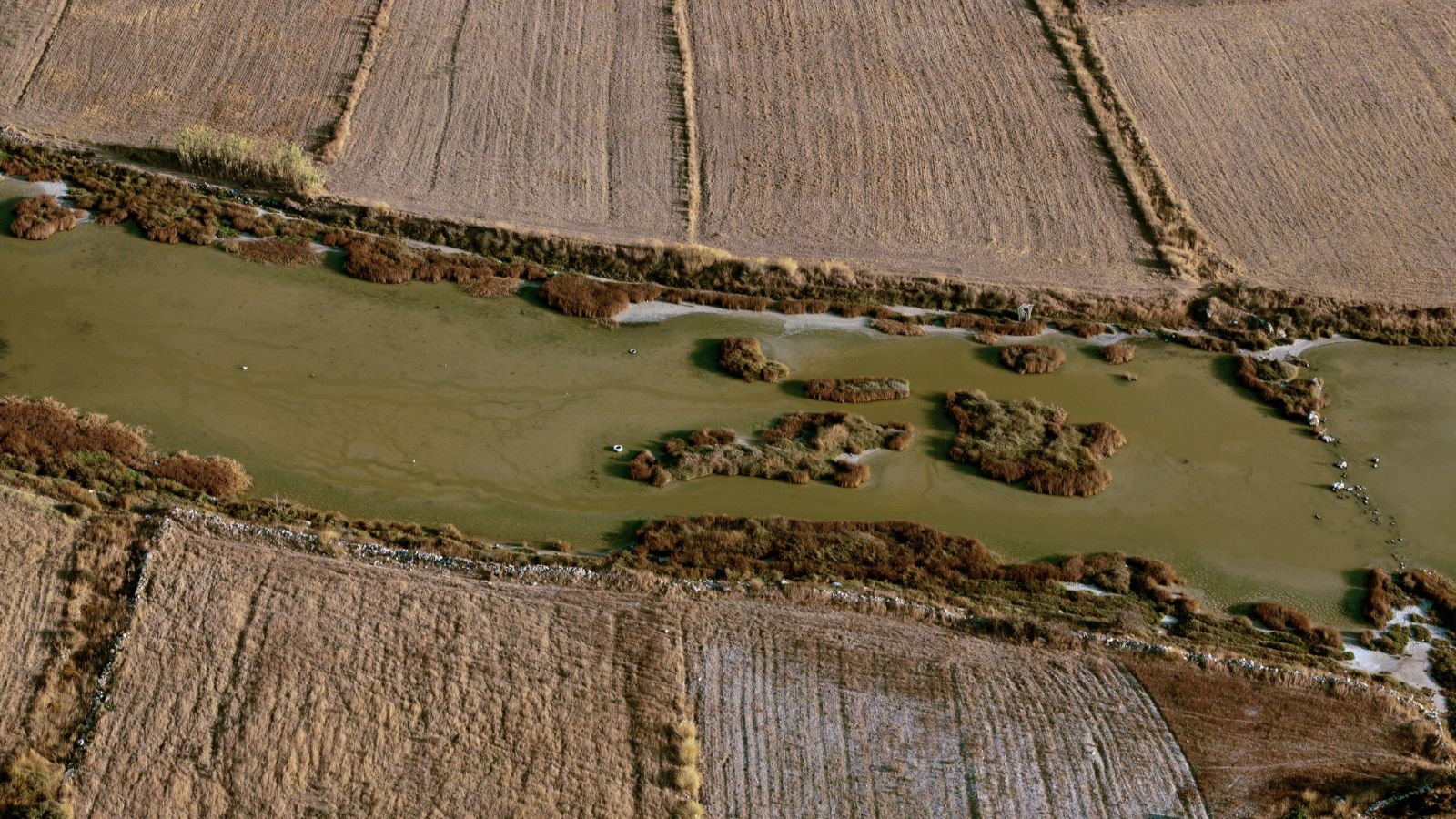
Despite popular claims that sewage is the leading cause of the UK river’s poor health, agriculture is the biggest culprit, affecting 45% of water bodies. This is primarily driven by nutrient and chemical pollution running off agricultural land. 

Nutrient pollution from fertiliser use – particularly nitrogen and phosphorus – drives eutrophication, harming ecosystems, contaminating drinking water and damaging coastal areas.

Synthetic fertiliser and livestock manure are the two primary drivers of nutrient pollution.


  • Synthetic fertilisers are used to boost crop yields beyond nature’s limits, but both the production and use come at an environmental cost. In the UK, the current nitrogen use efficiency of synthetic fertilisers is 55% for crop production, meaning about half of fertilisers are lost to the environment, and this drops to 6-37% for animal products, like dairy.
  • Livestock manure is a valuable nutrient resource that is recycled onto land to fertilise crops, providing an array of nutrients to soils. Its environmental impact is determined by its form, depending if animals are housed in slurry or straw based systems.


Nutrient pollution risk is directly related to the type of farming system. Industrial livestock farming systems are higher risk because animals are raised indoors – in confined spaces – and thus produce vast amounts of manure that has issues relating to storage and application. The rapid increase in industrial livestock units across England and Wales means slurry is produced in ever increasing quantities. These units rely on synthetic fertilisers to grow feed both in the UK and abroad, driving deforestation in biodiverse areas, with half of agricultural land used to grow feed for animals in these systems. High concentrations of phosphate and nitrogen in feed means the livestock manure is highly concentrated in these nutrients, and is thus a risk for environmental pollution.

There are a multitude of confounding reasons for such a large agricultural water pollution issue, including:


  • Poor enforcement of regulations at the mercy of reduced budgets
  • Piecemeal regulation with a multitude of inconsistent requirements of farmers
  • Ever intensifying agricultural livestock production, supported by synthetic fertilisers
  • Poor quality of slurry infrastructure due to financial constraints of small-scale and tenant farmers


Beyond nutrient pollution, sewage sludge is a fertiliser that is unprecedented in its impact, with alarm bells being raised by NGOs over the chemical contaminants present. Sewage sludge is an emerging source of pollutants, with evidence showing contamination with PFAS, microplastics and industrial chemicals. Water companies are paid by chemical producers to take their waste, which is mixed with wastewater before farmers are given the product to use as fertiliser. Typically, farmers are unaware of the contaminants and the potential fertility impacts of continuous use of sludge on soils, with over 3.5 million tonnes of sewage sludge is spread on agricultural land every year. 

Our recent survey found that 92% of people in the UK believe water companies should ensure sewage sludge on UK farmland is not contaminated; 88% support making water companies publicly report contamination levels in treated sewage sludge; 87% support increasing regulation on monitoring of treated sewage sludge.

To conclude, we have put together an Agricultural Water Pollution Strategy with seven recommendations that would help the government to tackle water pollution with the same ambition that has been shown to tackling the water sector crisis:


  • Proper and clear enforcement of anti-pollution regulations 
  • A well resourced and better trained Environment Agency 
  • Appropriate funding and updated planning guidance for slurry infrastructure 
  • Implement Sustainable Nutrient Management Plans overseen by a Defra Task Force 
  • Lower thresholds for Environmental Permitting Regulations and extend to beef and dairy 
  • Transition to a catchment-based approach to nutrient management, using regional water authorities 
  • Prevent toxic sewage sludge contaminating agricultural land


River Action’s Agricultural Water Pollution Strategy was formally launched in Parliament on 17 December 2025, hosted by Alistair Carmichael MP (Chair of the EFRA Committee) with speeches from Emma Hardy MP (Minister for Water) and Helen Browning OBE (CEO of the Soil Association).

The event brought together policymakers, regulators, farmers, scientists, and environmental campaigners to outline a credible, evidence-based roadmap for reducing agricultural pollution while supporting fair and sustainable farming. Speakers welcomed the strategy as a basis for concerned parties from the farming and environmental sectors to work with the government to identify a way forward. Helen called for better monitoring to assist regulators in identifying progress on farms, as well as more research into agricultural practices that work for both farmers and the environment.

Campaign Win! New DEFRA guidance a win for our rivers

Download PDF

DEFRA has issued stronger guidance on Farming Rules for Water. The change means that manure can now only be spread when crops actually need it – not at times it can just run off and pollute our river. After years of campaigning and legal pressure, we welcome this significant step forward that provides stronger protection for England’s rivers from agricultural pollution.

The stream of events:

June 2022 – Manure and fertiliser overuse is killing our rivers

In 2022 WWF and ClientEarth launched a legal complaint to the UK’s environmental watchdog the Office for Environmental Protection (OEP). The complaint was related to DEFRA’s guidance with regard to the overuse of manure and fertiliser which floods our rivers with nitrates and phosphates, fuelling algal blooms that choke ecosystems and suffocate wildlife.

May 2024 – Farming practice must change

As a result of our legal challenge against the Environment Agency (EA), the High Court ruled that farming practices must change to comply with the Farming Rules for Water – a response to the EA’s failure to prevent pollution in the River Wye and other threatened waterways. As a result of this legal action, Defra committed to reviewing its guidance.

June 2025 – New Farming Rules for Water

In June 2025, DEFRA released revised statutory guidance ‘Enforcing the Farming Rules for Water’. While this was a welcome step, it fell short in two key areas:

1) Autumn manure spreading: It didn’t go far enough to clarify the rules around autumn manure spreading – a practice often linked to river pollution.

2) A lack of clarity around enforcement thresholds: I.e. How are the rules actually going to be enforced.

In particular, some farming commentators wrongly interpreted the guidance to mean that autumn spreading could still go ahead as usual. However, The High Court ruling in River Action’s legal case demonstrated that it is unlikely to be compliant with the Farming Rules for Water unless it’s in exceptional and specific circumstances. The new guidance failed to set this out.

July 2025 – Closing the loophole

To address these issues, we wrote to DEFRA to seek urgent clarification. We’re pleased to say DEFRA listened. On 16 July, DEFRA issued additional new guidance to farmers called ‘How to comply with the Farming Rules for Water’. This new guidance made it explicit that manure must only be applied when it meets crop or soil need at the time of application – a critical clarification that closes a dangerous loophole and brings guidance in line with the law.

If accompanied by robust enforcement and clear advice for farmers, this should lead to much stronger compliance and significantly reduce agricultural pollution across England’s rivers. We’re grateful to DEFRA for taking these vital steps forward to rescue our rivers. We’ll continue pushing for the protections our rivers so urgently need.

Fowl play: why this huge chicken farm has no place by the River Kennet

Download PDF
By Janet Coleman, River Kennet Campaigner

Seriously clucked off

As local residents lucky enough to live in Berkshire’s beautiful Kennet Valley we are seriously clucked off by the recent planning application from the landowner – the Sutton’s Estate – to locate a 32,000 bird intensive poultry unit at Bradfords Farm in a field designated AONB (National Landscape), on the edge of the floodplain just 200 metres from the River Kennet, SSSI. It beggars belief that Sir Richard Sutton Limited, a large commercial concern owning luxury hotels in London, and approximately 16,000 acres of land in UK, together with land in Ohio, US, couldn’t find somewhere more appropriate to locate their potentially polluting chicken factory.

We live very close to this site where we enjoy walking by the river and watching the abundant wildlife.  The thought that this treasured river, already under stress, will be put at further risk is completely unacceptable. Fortunately our campaign to fight off this threat to our environment and the potential damage to the River Kennet, one of only 200 chalk streams in the world, has prompted welcome and highly effective support from anglers, wildlife enthusiasts and organisations whose mission it is to care about our endangered environment. 


The River Kennet in Newbury © Steve Daniels

The game changer

Initially the objectors numbered a few dozen local residents but once we reached out to the likes of River Action and the Angling Trust the campaign really began to motor. Local angling clubs such as Newbury AA and Reading & District mobilised their members to the extent that there are now 232 formal objections. The Angling Trust made representations to both the Environment Agency and Natural England who have sent in comprehensive lists of concerns with the EA now escalating theirs to a formal objection. This, we feel, really could be a ‘game changer’.

We asked the applicants to a public meeting at which we were grateful to have the articulate support of James Wallace from River Action, Anna Forbes from Action for the River Kennel (ARK) – our local River Trust, Martin Salter (Head of Policy, Angling Trust) and various locals with knowledge of planning, avian flu and law.  It seemed to us that the applicant’s representatives were very ill prepared and unable to answer many questions. Fish Legal and Solicitors Leigh Day have also given valuable advice.


The case

Our case is simply this – 
  • We support responsible farming but this poultry unit on the proposed site would be an environmental disaster for the river.
  • Massive egg production units like this should be nowhere near any river and this applicant has plenty of environmentally more suitable land.
  • The only reasons given for the applicant selecting this field is its proximity to the farm manager’s house and convenient supply of electricity!
  • If permitted, the precedent will be set and all the other fields along the Kennet Valley owned by the applicant will have units for 32,000 chickens.  When asked this particular question the applicant’s representatives were unable to guarantee that this would be the only one.
  • The applicants have recently submitted a wholly inadequate Manure Management Plan.  They rely on their “circular farming” system which, in simple terms, means collecting waste from the unit, transporting it to another of their nearby farms for storage and then spreading it on land where they grow the grain to feed the chickens. This toxic waste has been legally classified as “industrial waste” and must be treated as such.
  • Hard evidence from the terminal decline of famous rivers such as the River Wye and Severn demonstrates that, far from being custodians of the land, many farmers cannot be trusted to look after habitats and water courses.


The LPA cannot allow this abomination

At the start of this campaign we felt everything was a struggle and that we were up against an applicant with sufficiently deep pockets that every point we raised would just be given to an expensive consultant for response. Fortunately the expensive consultant’s various reports were so inadequate that even we lay people could see there really was no justifiable reason for this poultry unit in this location, so close to the river.

Clearly the Environment Agency – rather better qualified than us to judge – found their reports more than inadequate and has formally objected in strong terms.  We are not there yet but with the EA’s support, and hopefully that of Natural England too, the local planning authority (LPA) surely cannot allow this abomination.

Privacy Overview

This website uses cookies so that we can provide you with the best user experience possible. Cookie information is stored in your browser and performs functions such as recognising you when you return to our website and helping our team to understand which sections of the website you find most interesting and useful.