
Natural Resources Wales Must Prevent Pollution – Not Pass the Buck as the Wye and Severn Decline
By Emma Dearnaley, River Action’s Head of Legal
Across Wales, rivers that should be a source of pride – places for connection, wildlife and local identity – are in visible decline.
In recent years, much of the public debate has focused on sewage discharges, storm overflows and Victorian infrastructure doing 21st-century damage. That remains an important focus. But if we are serious about restoring our rivers, another very significant source of pollution must be understood and addressed with an equivalent amount of resolve: nutrient pollution linked to intensive livestock production and, in Wales especially, the waste generated by industrial-scale poultry units.
This is not about farmers trying to do the right thing in challenging circumstances. It is about whether the regulatory system governing intensive agricultural operations is working as Parliament intended and whether regulators are using the powers they have to prevent harm before it occurs.
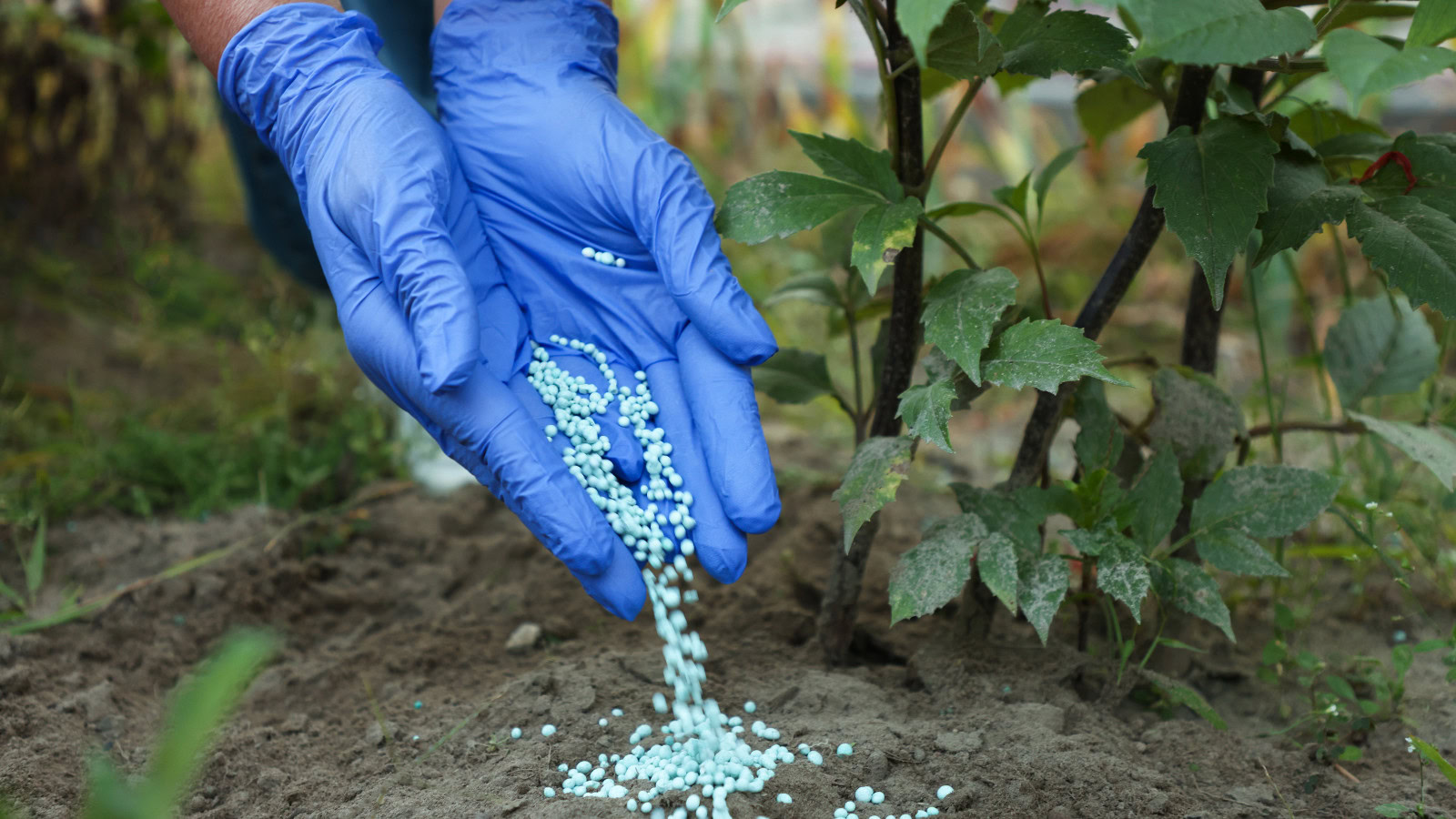
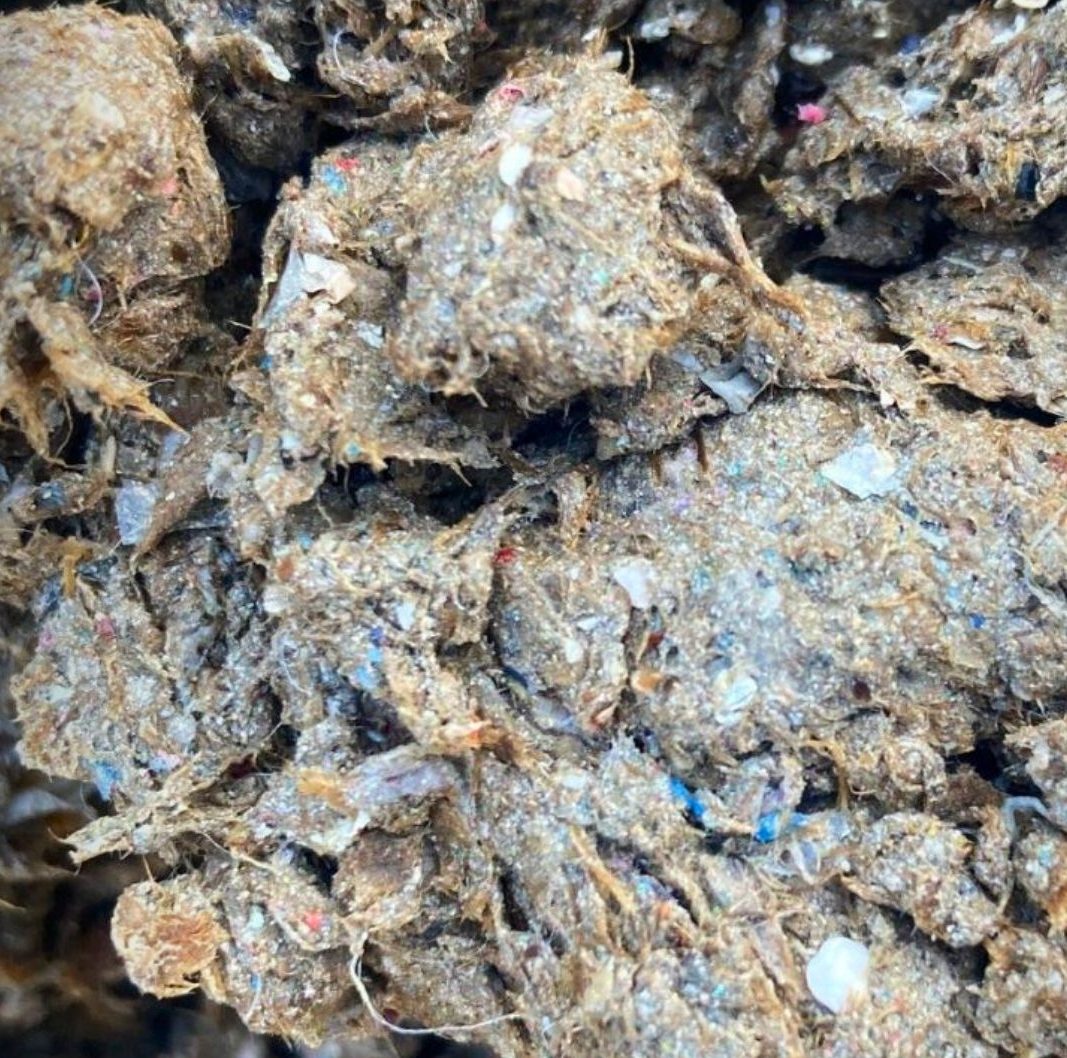
Pollution from intensive poultry production does not usually appear as a dramatic brown slick after heavy rain. Instead, it spreads more quietly. Vast quantities of chicken manure, rich in phosphorus and nitrogen, are being spread on land or exported and spread on other land that in some catchments is already saturated with nutrients. From there, rainfall can wash those excess nutrients into nearby streams and rivers, fuelling algal blooms that choke oxygen from the water, damage wildlife and smother riverbeds. By the time the ecological harm becomes visible, the pollution has already taken hold.
‘Diffuse’ agricultural pollution comes from widespread activities across a catchment, making it harder to pinpoint and regulate than obvious point-source pollution such as a sewage discharge or a chemical spill. But complexity is not an excuse for inaction: it requires coordinated, consistent, catchment-wide management, not regulatory blind spots.
That is why River Action has launched a judicial review challenging Natural Resources Wales (NRW)’s decision to approve permit variations allowing three intensive poultry units in Powys to expand. The issue is not whether intensive poultry farming should exist. It is whether Wales’ environmental regulator is properly doing its job by using the legal powers it has to prevent pollution linked to those operations.
In approving the permit variations, NRW proceeded on the basis that it had no legal power under the Environmental Permitting Regulations 2016 to regulate manure once it leaves the boundary of a permitted poultry unit. On that view, the environmental impacts of manure exported off-site fall outside the permitting regime and are instead matters for the planning system, but without NRW first being satisfied that effective and enforceable pollution controls would in fact be secured elsewhere.
In effect, NRW treated the boundary of the site as the boundary of its regulatory responsibility. Rivers, inconveniently, do not respect such lines.
Manure from intensive poultry farming is a major source of nutrient pollution affecting Welsh rivers, including the Wye and the Severn. This is not theoretical harm. Both rivers are already under severe ecological pressure from excess nutrients, causing declining water quality and damaged habitats.
Environmental permitting exists precisely to prevent unacceptable pollution before it happens. Parliament entrusted NRW, as Wales’ environmental regulator, with assessing whether permitted activities are likely to cause pollution and with imposing conditions to control and stop it. River Action’s case argues that NRW has taken an extraordinarily narrow view of its own powers and misdirected itself in law by excluding the potential off-site impacts of manure from its permitting decisions on the basis it has no legal power to address them. We say that approach is unlawful. The Environmental Permitting Regulations do not stop at the farm gate. If waste arises from a permitted activity and is likely to cause pollution wherever it ends up, NRW as the regulator must assess and, wherever necessary, control those impacts. That is both logical and, we say, what the law requires. Recent court judgments do not say otherwise, despite NRW’s insistence that its hands are tied.
What makes this more troubling is that NRW’s counterpart in England, the Environment Agency, accepts that it must consider and prevent water pollution through the permitting process including impacts that may occur beyond the site boundary. There is no rational basis for Wales’ regulator to do less, especially when making decisions in sensitive and protected catchments on the Welsh border. Environmental protection should not weaken when you cross Offa’s Dyke.
If NRW’s position is allowed to stand, the consequences extend far beyond these three poultry units in Powys. It risks creating a significant regulatory gap, allowing industrial-scale agricultural operations to expand in vulnerable catchments without effective oversight of one of their most environmentally damaging consequences.
This case is not about attributing blame after the damage is done. It is about prevention. Once excess nutrients enter a river system, they are extremely difficult and costly to remove. Rivers such as the Wye cannot be restored while pollution continues upstream without effective regulatory control.
NRW exists to prevent environmental harm, not to assume that someone else will deal with it. Passing the buck to the planning system on a mistaken understanding of legal powers, without securing robust safeguards elsewhere, won’t wash.
Wales rightly aspires to environmental leadership. It has strong and progressive environmental frameworks and internationally important rivers. But laws only matter if they are used and followed.
River Action’s case asks the court to clarify a simple and fundamental point: to confirm that environmental regulation in Wales means what it says, NRW’s interpretation of its powers was wrong, and that pollution prevention does not end at a conveniently drawn boundary line. Our rivers cannot afford another lost decade of buck-passing. If we are serious about protecting and restoring them, we must ensure that those tasked with safeguarding them are equipped – and required – to use their powers in full.