
What Are Welsh Parties Doing About River Pollution? Senedd Election 2026 Explained
By Ellie Roxburgh, Policy and Advocacy Manager, and Erica Popplewell, Head of Engagement
There’s a lot of noise ahead of May’s Senedd election – new voting systems, shifting polls, and speculation about who might form the next government. But beneath that sits a more important question: what kind of country does Wales want to be when it comes to its rivers? Because the decisions taken after this election will shape their future for decades.
This election matters precisely because it is so uncertain. No party is likely to win outright, which means priorities will be negotiated in coalition talks. In that kind of environment, issues only stay at the top if they are politically unavoidable—and river health has too often been treated as something that can be traded off. That’s a risk Wales cannot afford to take.
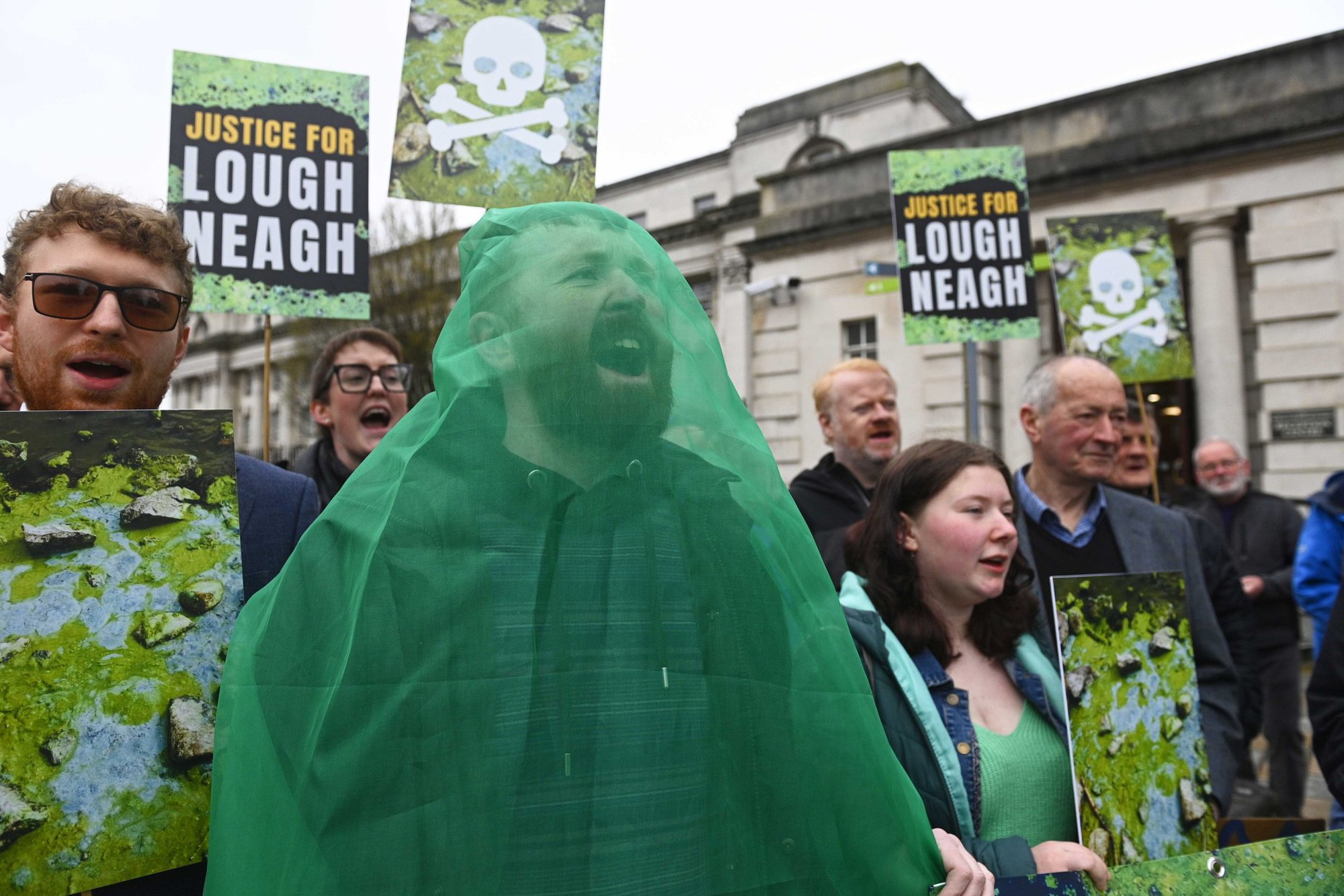
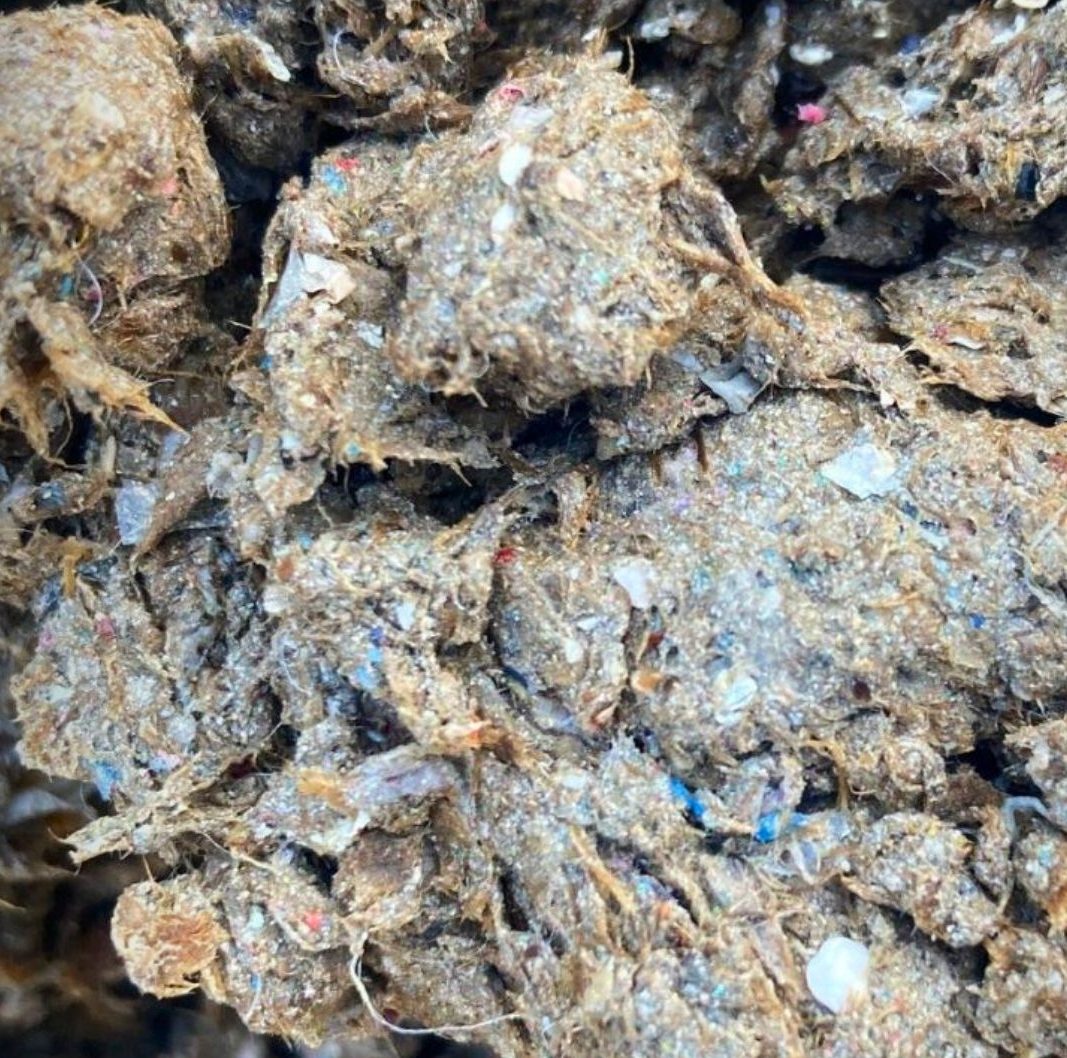
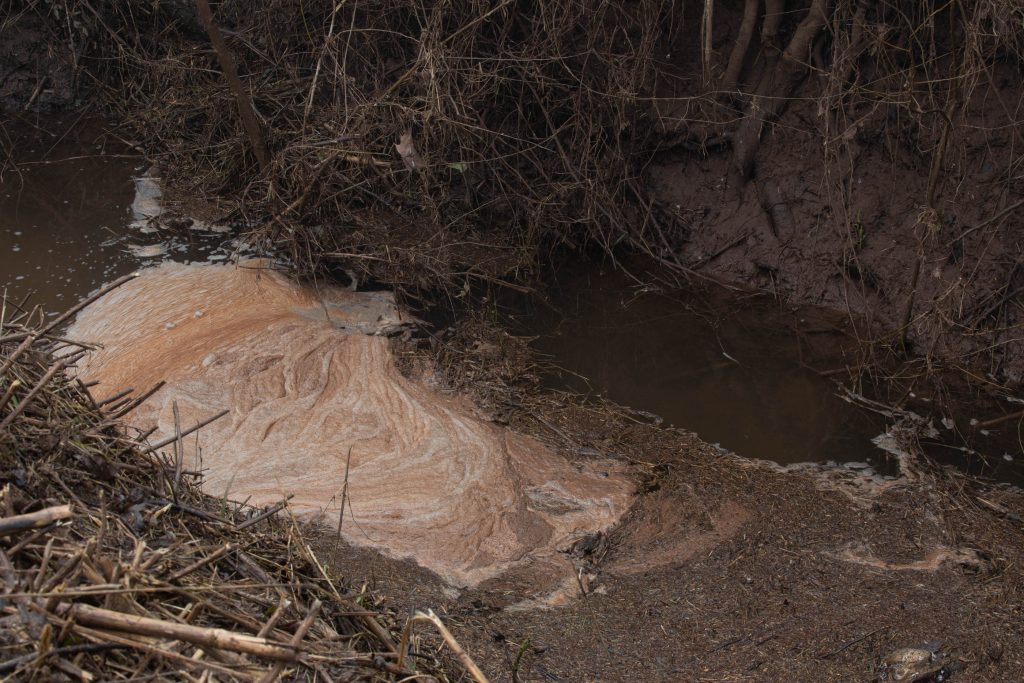
The reality is that Welsh rivers are already under serious strain. Sewage pollution, agricultural runoff and weak enforcement have pushed many waterways beyond ecological limits. Public awareness is growing, and rightly so, this is about health, nature and the places people live. Crucially, there are decisions to be made in Wales. The Senedd has the power to act.
So what are the parties offering?
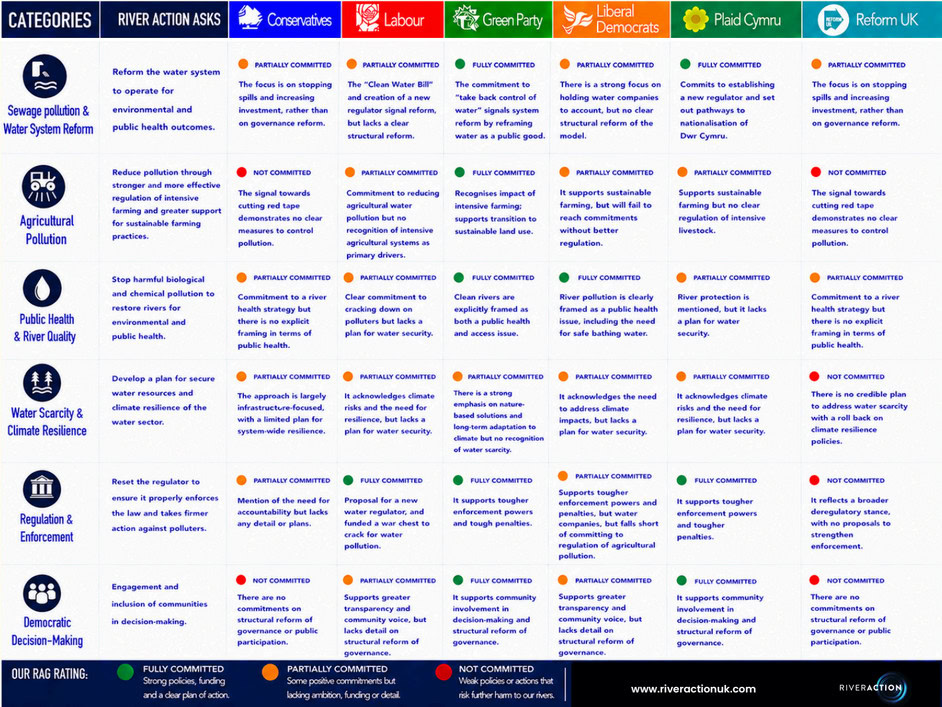
River Action’s Red–Amber–Green analysis against the asks set out in our Cymru Elections Manifesto shows a familiar pattern: some recognition of the problem; however, few parties have set out credible solutions.
On water system reform, most parties acknowledge that water companies should be held accountable but stop short of fundamental change. Labour’s proposed Clean Water Bill and new regulator are steps forward, while others focus on infrastructure and sewage discharges without addressing the system itself. Only Plaid Cymru and the Greens clearly challenge the current model and treat water as a public good.
Agriculture remains the biggest gap
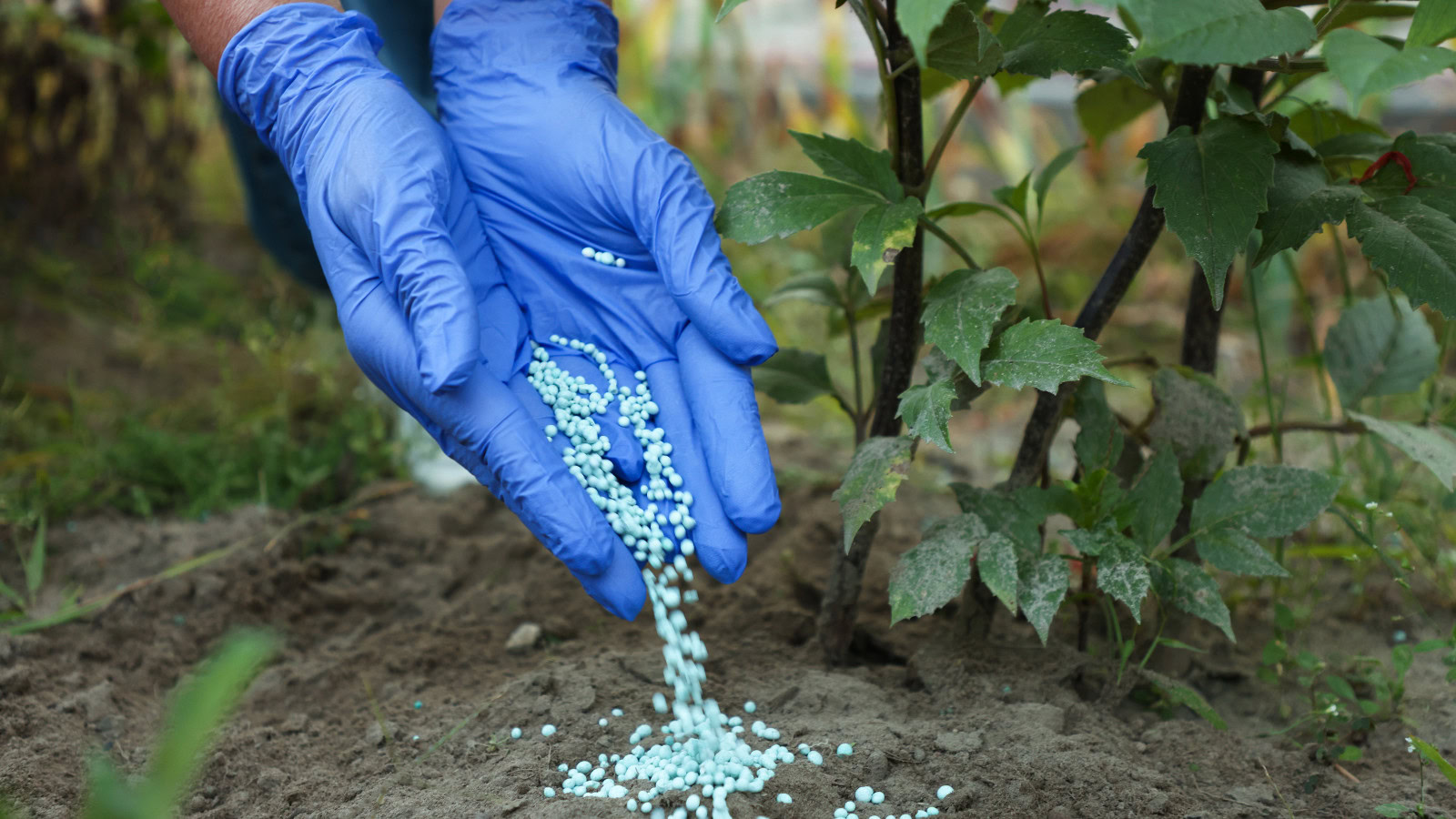
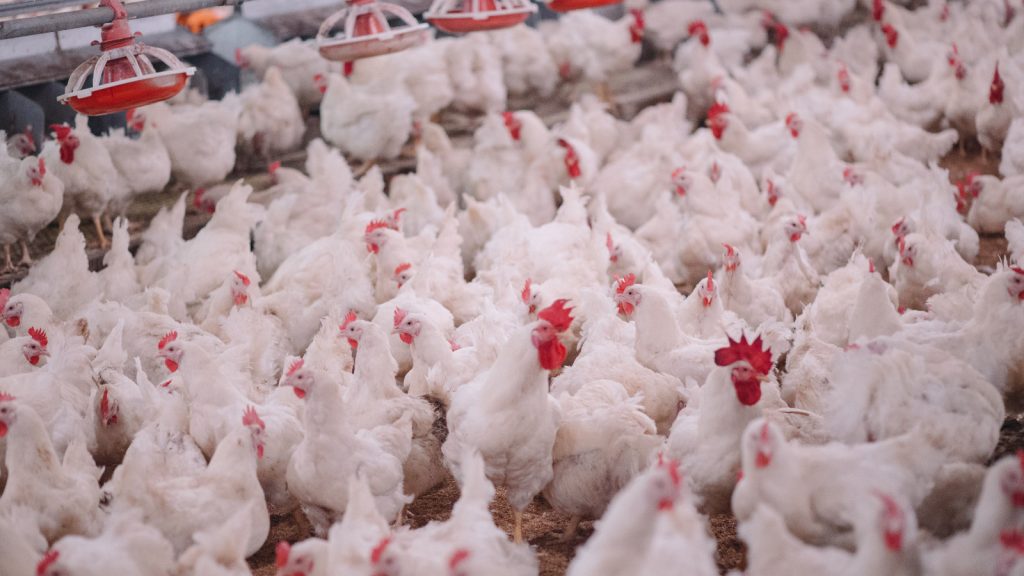
Despite being a major source of river pollution, agricultural pollution is still politically under-addressed. In a bid to make lives easier for farmers by taking the approach of cutting red tape, Reform and the Conservatives will struggle to meet other commitments to clean up rivers.
Labour and the Liberal Democrats favour support and incentives over firm regulation, whereas Plaid Cymru takes the approach of replacing unfit regulations with something that is science-led and risk-appropriate. Only the Greens fully recognise the impact of intensive farming. The result is a clear mismatch between the scale of the problem and the strength of the response.
Progress, but not enough to fix Wales’ rivers
There are some positive shifts. More parties are now framing river pollution as a public health issue, reflecting growing public concern. But stronger language is not the same as stronger policy. Without clear targets, monitoring and enforcement, many commitments risk falling short in practice.
Overall, the picture is one of partial progress but insufficient ambition. In a fragmented Senedd, that matters even more. Without clear commitments, river health risks being diluted in post-election negotiations.
This is why River Action is calling for a step change:
- A water system that prioritises public and environmental health
- Real action on agricultural pollution
- Enforceable plans to restore rivers
- A long-term approach to water resilience
These are not radical demands – they are the foundations required to get the system to work.