By Erica Popplewell, Head of Engagement at River Action
“Popcorn Week”
The recent local elections brought major political change across the country, with seats changing hands in every direction and hundreds of new councillors elected to represent their communities. Nationally, the impacts are already being felt. Westminster has entered what one commentator described as “popcorn week”, a moment where everyone sits back and watches the seismic political shifts unfold.
But while attention is focused on national politics, we shouldn’t forget the real power and opportunity that exists at a local level. Because when it comes to protecting our rivers, local government matters enormously.
New councillors are stepping into their roles full of energy, ideas, and a desire to make a difference in their communities. Many will already care deeply about nature and public spaces. Others may not yet realise just how central healthy rivers are to local life – from public health and biodiversity to flooding, recreation, farming, and community wellbeing.
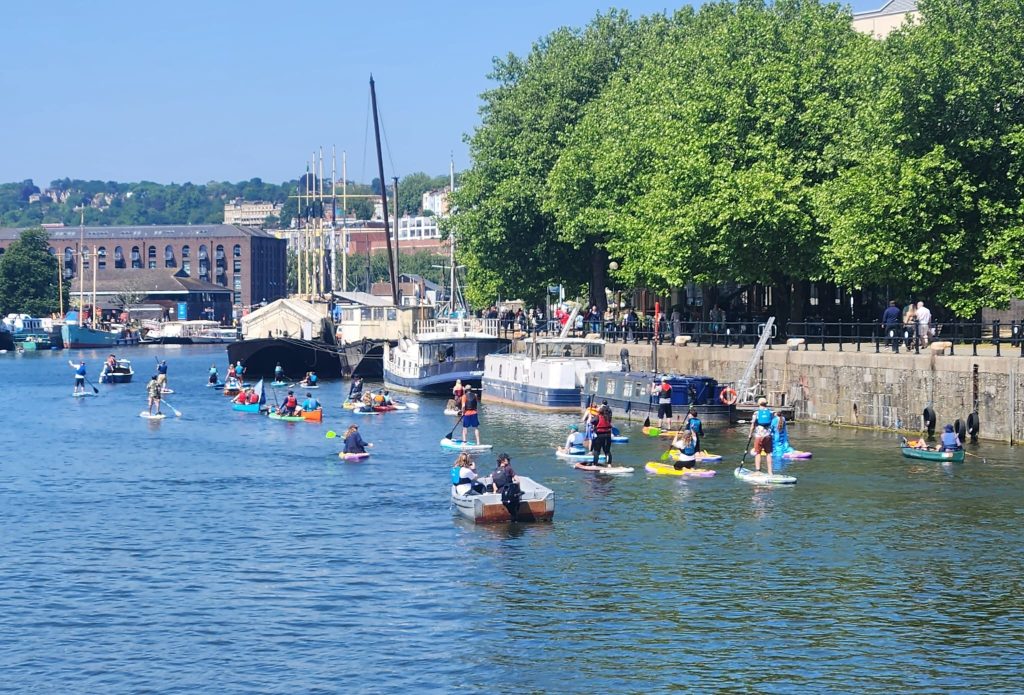
Rivers have been a centre point for local communities for thousands of years.
That’s where we come in.
As campaigners, river users, and citizens who care about our waterways, we have an opportunity right now to help put rivers firmly on the local agenda.
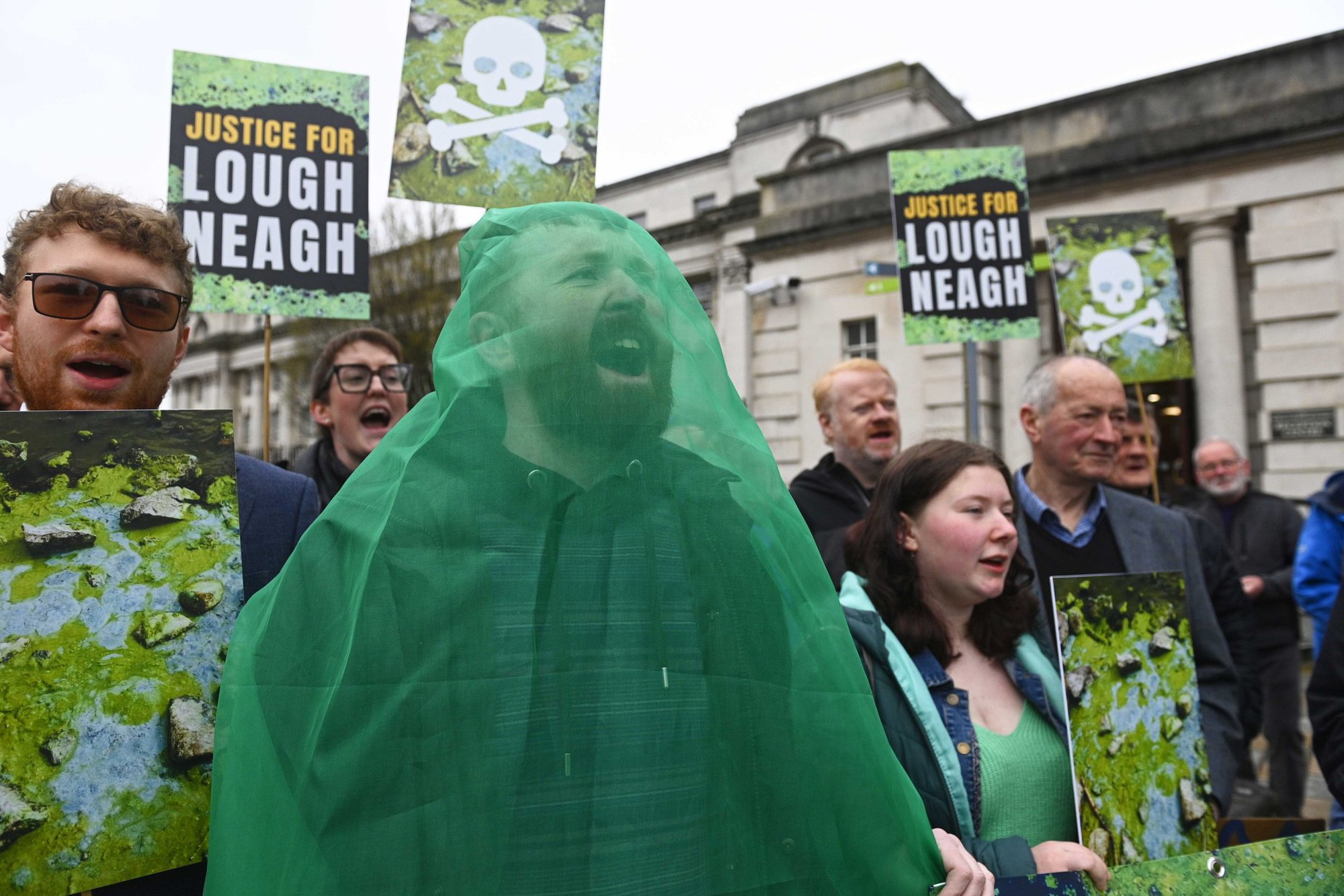
Reach out to your newly elected representatives. Send them a welcome message. Invite them for a walk along their local river. Show them both the beauty and the challenges: the pollution, the sewage, the loss of wildlife, but also the joy, value, and sense of place that rivers bring to communities. For many councillors, environmental issues may sit outside their usual knowledge zone. We can help bridge that gap. We can connect local stories to local action.
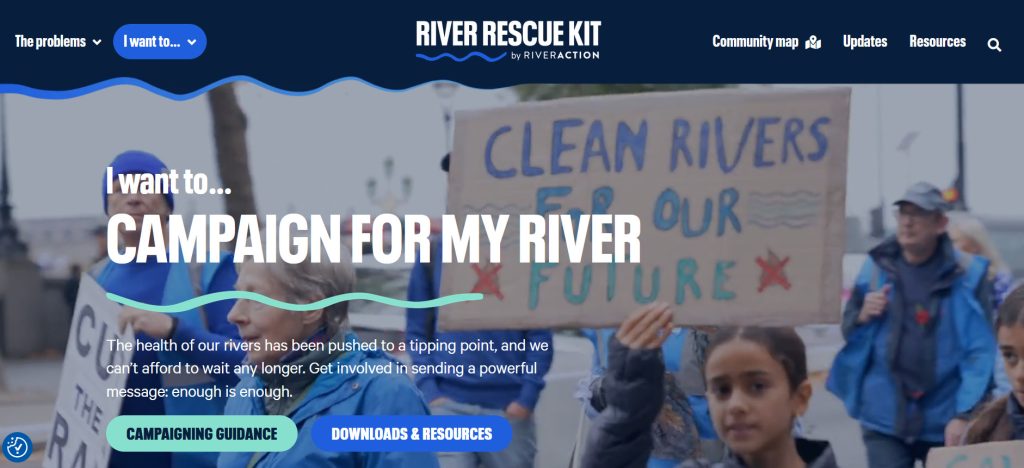
River Action’s River Rescue Kit also contains practical resources and guidance to help communities campaign effectively for cleaner rivers and engage with local decision-makers. You can explore ithere.
River pollution – a shared concern
And while you may or may not agree with the political colour of your new council representatives, one thing is worth remembering: in our experience, there are good people in every party who genuinely care about their communities and want to do the right thing.
At River Action, we’ve sat down with representatives from across the political spectrum, including what felt like one of the unlikeliest meetings I’ve ever attended, with two local councillors, one Green and the other Reform. Yet even there, we found a shared concern about the state of our rivers.
So let’s stay open-minded. Let’s focus on common ground. And let’s work with those willing to stand up for clean, healthy rivers. Political change creates moments of possibility. Let’s make sure rivers are part of this new chapter.
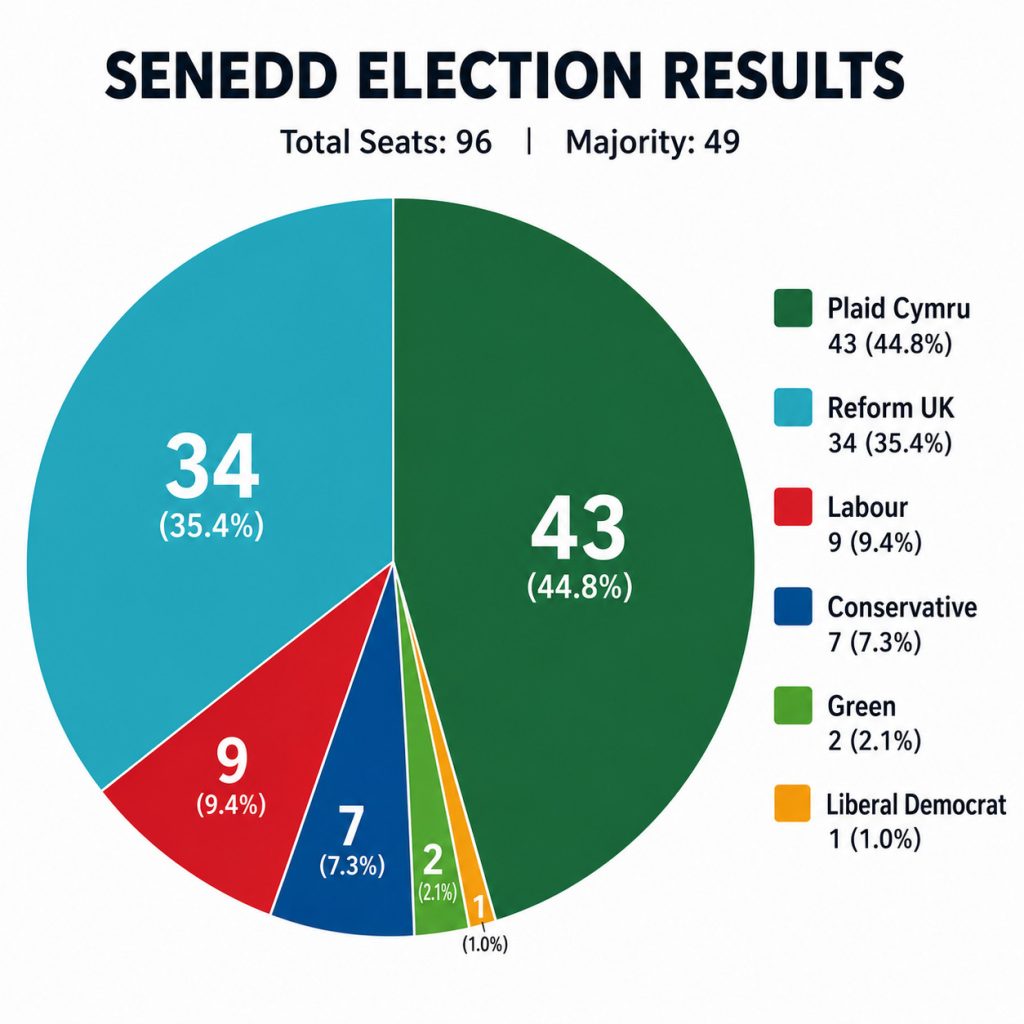
For the first time since devolution, a new party holds the reins in the Senedd. Plaid Cymru won the election with 43 seats, followed by Reform with 34.
As expected, the election was very much a two-party race, with Labour, the Greens and the Liberal Democrats doing somewhat worse than polls had predicted. Labour now holds 9 seats, Conservatives have 7, Greens have 2 and Lib Dems have 1.
Plaid falls short of the 49 seats needed for a majority, but with other parties doing worse than expected, they have limited options with whom to form a coalition. Labour and Plaid are unlikely to find common ground on much, given that Plaid just ousted the long-standing party. Reform and the Conservatives together make a substantial opposition, but we are yet to see if they will work together. Prior to the election, the Conservatives leader, Kemi Badenoch, indicated they would not work with any party that is not delivering, and that “the only deal we’re doing is a deal with the Welsh people”, which could be inferred as an alliance with Plaid over Reform.
In his victory speech on Saturday, Rhun ap Lorweth announced that Plaid will be seeking a minority government. He has now been announced as First Minister of Wales, supported by the two Green Party members.
Plaid Cymru yn cipio’r Senedd
Am y tro cyntaf ers datganoli, mae plaid newydd wrth y llyw yn y Senedd. Plaid Cymru enillodd yr etholiad gyda 43 sedd, wedyn Reform UK gyda 34.
Yn ôl y disgwyl, ras dau geffyl oedd yr etholiad hwn, gyda Llafur, y Gwyrddion a’r Democratiaid Rhyddfrydol yn gwneud fymryn yn waeth nag yr oedd y polau piniwn wedi’i ddarogan. Mae gan Lafur 9 sedd erbyn hyn, y Ceidwadwyr 7, y Gwyrddion 2 a’r Democratiaid Rhyddfrydol 1.
Mae Plaid ychydig yn brin o’r 49 sedd sydd eu hangen ar gyfer mwyafrif, ond gyda phleidiau eraill yn gwneud yn waeth na’r disgwyl, cyfyngedig yw’r opsiynau o ran ffurfio clymblaid. Go brin y bydd Llafur a Plaid yn canfod llawer o dir cyffredin ar lawer, o gofio bod Plaid newydd sgubo’r blaid hirsefydlog o rym. Mae Reform a’r Ceidwadwyr yn bresenoldeb gwrthbleidiol sylweddol, ond dydyn ni ddim eto’n gwybod a fyddan nhw’n cydweithio. Cyn yr etholiad, roedd arweinydd Ceidwadwyr Prydain, Kemi Badenoch, wedi dweud na fydden nhw’n gweithio gydag unrhyw blaid nad yw’n cyflawni, gan nodi “the only deal we’re doing is a deal with the Welsh people”, a allai awgrymu cynghreirio gyda Plaid Cymru yn hytrach na Reform.
Yn ei araith ddydd Sadwrn, cyhoeddodd Rhun ap Iorwerth y bydd Plaid Cymru yn ceisio ffurfio llywodraeth leiafrifol. Mae bellach wedi’i gyhoeddi’n Brif Weinidog Cymru, gyda chefnogaeth dau aelod y Blaid Werdd.
What will Plaid do for Welsh rivers?
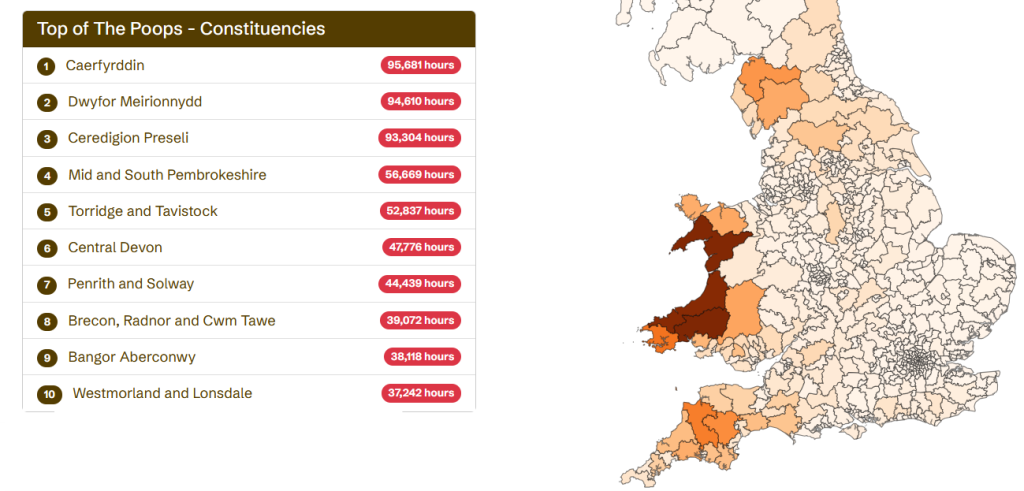
In 2025, six of the ten UK constituencies with the highest combined sewage overflows were in Wales, cumulating to over 415,000 hours of pollution. Last year, Natural Resources Wales (NRW) announced that seven out of nine protected rivers are failing Good Ecological Status due to phosphorus pollution. Salmon are expected to disappear completely from some Welsh rivers by 2030.
However, while Plaid Cymru’s manifesto offered positive steps towards tackling environmental issues, rivers were notably absent from their first 100 days pledge, launched during the Parties’ Conference in February. Yet with wider water reforms from Westminster imminent, Plaid Cymru will need to outline its position on addressing river pollution.
Beth fydd Plaid Cymru yn ei wneud dros afonydd Cymru?
Yn 2025, roedd chwech o’r deg etholaeth yn y DU gyda’r lefelau uchaf o orlif carthffosiaeth gyfun yng Nghymru, gan gronni dros 415,000 awr o lygredd. Y llynedd, cyhoeddodd Cyfoeth Naturiol Cymru (CNC) fod saith o bob naw afon warchodedig yn methu â chyrraedd Statws Ecolegol Da, dynodiad a bennwyd gan ddeddfwriaeth yr UE, yn sgil llygredd ffosfforws. Mae’r dirywiad mewn bywyd gwyllt yn arwydd o hyn, gyda disgwyl i’r eog ddiflannu’n llwyr o rai afonydd Cymru erbyn 2030.
Ond er bod maniffesto Plaid Cymru yn cynnig camau cadarnhaol tuag at fynd i’r afael â materion amgylcheddol, roedd afonydd yn amlwg absennol o’u haddewid 100 diwrnod cyntaf, a lansiwyd yng nghynhadledd y Blaid ym mis Chwefror. Ond gyda diwygiadau dŵr ehangach ar y gweill o du San Steffan, bydd angen i Plaid Cymru amlinellu ei safbwynt ar fynd i’r afael â llygredd afonydd.
Westminster is expected to announce new legislation to clean up rivers tomorrow (Wednesday 13th May) in the King’s Speech through the ‘Water Reform Bill’. The UK Government has indicated its intention to create a new integrated regulator for the water sector, combining Ofwat, the Drinking Water Inspectorate and some functions of the Environment Agency, with implications for the regulation of Welsh water companies. While Plaid has committed to seeking full devolution of powers over water, interim processes for interaction with NRW will need to be established. This could be a timely opportunity for Plaid to take action on NRW, the Welsh environmental regulator, which is widely recognised as not fit for purpose.
NRW as it currently operates is limited in impact, in part due to a lack of resourcing, but also a failure to implement an effective strategy for reducing pollution from both agricultural sources and the water sector.
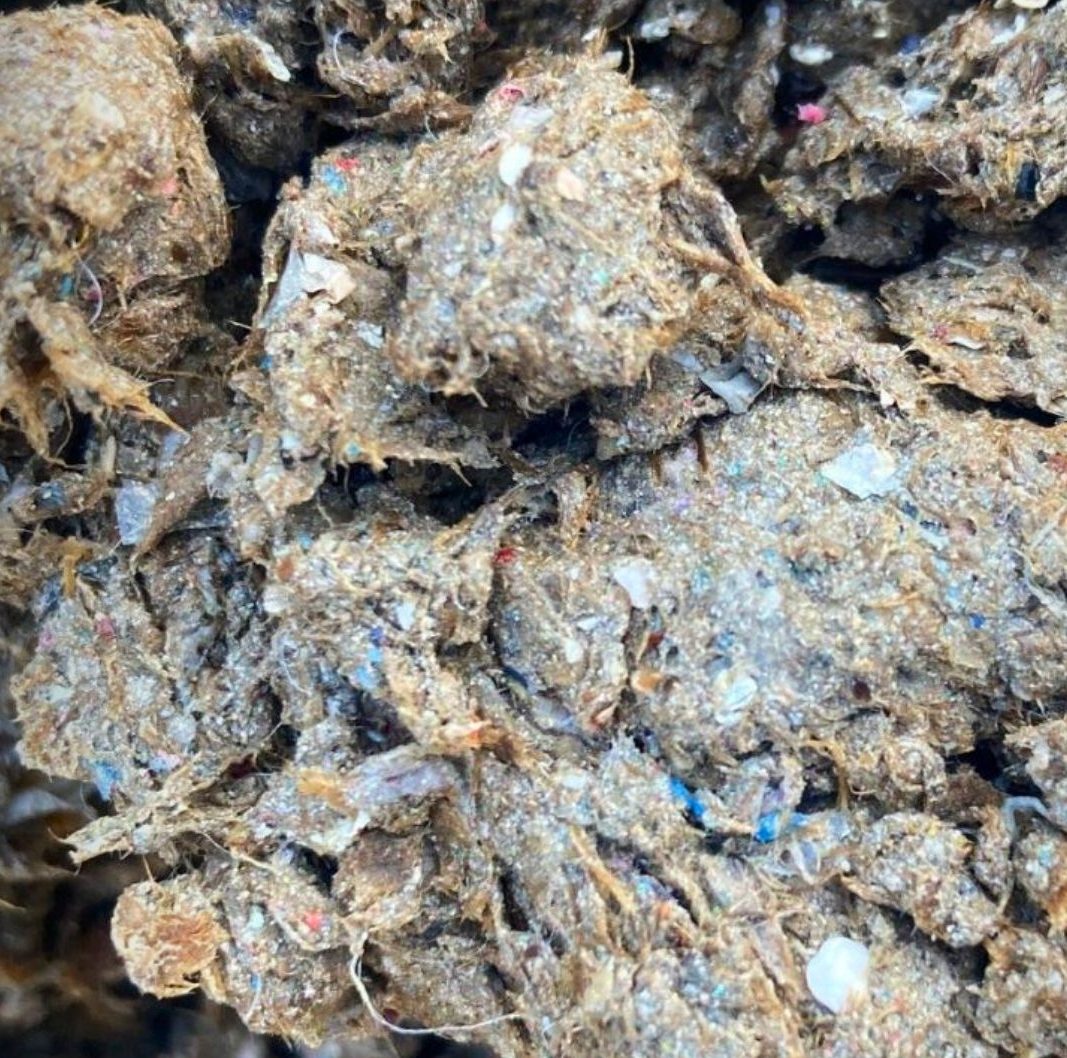
One area that River Action has identified is the process by which NRW deals with pollution from industrial livestock. As it stands, NRW has chosen to ‘wash its hands’ of pollution by failing to take into account the environmental impact of manure once it leaves the farm boundary. Any reform of NRW must ensure that, as a regulator, it acknowledges and uses its full powers to act, including placing conditions on permits or refusing them where pollution risks cannot be properly controlled.
Cau’r bwlch rheoleiddio ar lygredd afonydd
Mae disgwyl i San Steffan gyhoeddi deddfwriaeth newydd i lanhau afonydd heddiw (dydd Mercher 13 Mai) yn Araith y Brenin drwy’r ‘Bil Diwygio Dŵr’. Mae Llywodraeth y DU wedi nodi ei bwriad i greu rheoleiddiwr integredig newydd ar gyfer y sector dŵr, gan gyfuno Ofwat, yr Arolygiaeth Dŵr Yfed a rhai o swyddogaethau Asiantaeth yr Amgylchedd, gyda goblygiadau i reoleiddio cwmnïau dŵr Cymru. Er bod Plaid wedi ymrwymo i geisio datganoli pwerau dros ddŵr yn llawn, bydd angen sefydlu prosesau interim ar gyfer rhyngweithio â CNC. Gallai hyn fod yn gyfle amserol i Plaid fynd i’r afael â CNC, rheoleiddiwr amgylcheddol Cymru, sy’n cael ei gydnabod yn eang fel un nad yw’n addas i’r diben.
Mae CNC fel y mae ar hyn o bryd yn gyfyngedig o ran effaith, yn rhannol oherwydd diffyg adnoddau, ond hefyd yn sgil methiant i weithredu strategaeth effeithiol ar gyfer lleihau llygredd o ffynonellau amaethyddol a’r sector dŵr.
Un maes a nodwyd gan River Action yw’r broses lle mae CNC yn delio â llygredd da byw diwydiannol. Fel y mae pethau ar hyn o bryd, mae CNC wedi dewis ‘golchi ei ddwylo’ ar lygredd trwy fethu ag ystyried effaith amgylcheddol tail ar ôl iddo adael ffiniau’r fferm. Rhaid i unrhyw broses o ddiwygio CNC sicrhau ei fod, fel rheoleiddiwr, yn cydnabod ac yn defnyddio ei bwerau llawn i weithredu, gan gynnwys gosod amodau ar drwyddedau neu eu gwrthod lle nad oes modd rheoli risgiau llygredd yn iawn.
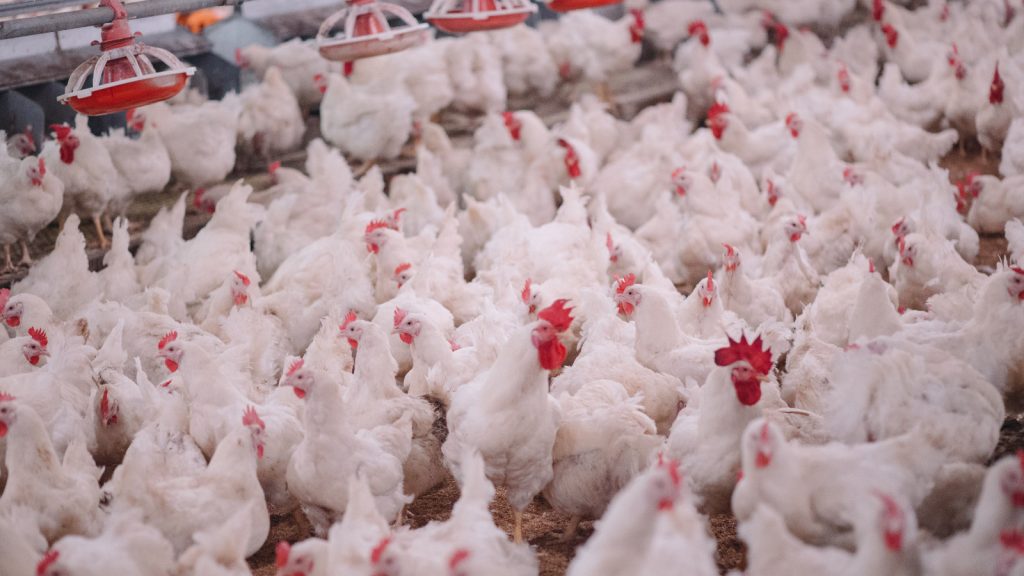
Poultry factory farms are a lead perpetrator for agricultural pollution in Wales
What about the water companies?
Plaid’s manifesto set out a commitment to set up a new Welsh water regulator, with powers to set price controls, limit bonuses, and direct capital investment to reduce sewage spills, upgrade infrastructure and make environmental improvements.
While better regulation is certainly part of the solution, the ability of water companies to prioritise financial returns over customers and the environment remains a fundamental issue. As a not-for-profit, Dwr Cymru Welsh Water can still pay executives and bondholders high amounts. Although it does have lower bills than many English water companies and fewer pollution incidents, it continues to contribute to unacceptable levels of environmental pollution.
Plaid has also committed to setting out pathways towards the nationalisation of Welsh Water. Public ownership would help address the issue of financial extraction from essential water services. There are also other alternatives, such as municipally ownership, or community-interest models, which could attract the investment needed while prioritising environmental protection and public benefit. Whatever structure is chosen, water companies and the regulator should have a statutory duty to prioritise the environment and public health.
It is now up to this new Senedd Government to decide whether stronger regulation alone will set the Welsh water sector on a path to environmental recovery, or whether more fundamental structural reform of Dwr Cymru Welsh Water is needed to stop the pollution of Welsh rivers and waterways.
Beth am y cwmnïau dŵr?
Roedd maniffesto Plaid yn nodi ymrwymiad i sefydlu rheoleiddiwr dŵr newydd yng Nghymru, gyda phwerau i osod rheolaethau prisiau, cyfyngu ar fonysau, a buddsoddiad cyfalaf uniongyrchol i leihau achosion o ollwng carthffosiaeth, uwchraddio’r seilwaith a gwneud gwelliannau amgylcheddol.
Er bod rheoleiddio gwell yn rhan o’r ateb heb os, mae gallu cwmnïau dŵr i flaenoriaethu enillion ariannol dros gwsmeriaid a’r amgylchedd yn parhau’n broblem sylfaenol. Fel sefydliad nid-er-elw, mae gan Dŵr Cymru filiau is na llawer o gwmnïau dŵr yn Lloegr a llawer llai o achosion llygredd, ond mae’n parhau i gyfrannu at lefelau annerbyniol o lygredd amgylcheddol.
Mae Plaid hefyd wedi ymrwymo i fraenaru’r tir tuag at wladoli Dŵr Cymru. Byddai perchnogaeth gyhoeddus yn helpu i fynd i’r afael â’r mater o echdynnu arian o wasanaethau dŵr hanfodol. Mae yna ddewisiadau amgen eraill hefyd, megis perchnogaeth fwrdeistrefol, neu fodelau buddiannau cymunedol, a allai ddenu’r buddsoddiad sydd ei angen gan flaenoriaethu diogelu’r amgylchedd a budd y cyhoedd. Pa bynnag strwythur gaiff ei ddewis, dylai cwmnïau dŵr a’r rheoleiddiwr fod â dyletswydd statudol i flaenoriaethu’r amgylchedd ac iechyd y cyhoedd.
Mater i’r Llywodraeth newydd hon yn y Senedd yw penderfynu a fydd rheoleiddio cryfach ar ei ben ei hun yn gosod sector dŵr Cymru ar drywydd adferiad amgylcheddol, neu a oes angen diwygio strwythurol mwy sylfaenol ar Dŵr Cymru er mwyn atal llygredd afonydd a dyfrffyrdd Cymru.
–Following yesterday’s Channel 4 News investigation, which reported that nearly 6,000 Category 1 and 2 pollution incidents involving water companies were downgraded without direct inspection between 2015 and 2025, while prosecution rates for more than 11,400 pollution incidents over the past decade were reportedly around 0.5%, CEO of River Action James Wallace said:
“We are deeply concerned that thousands of the most serious pollution incidents in England have been downgraded without direct inspection over the past decade.
“These findings raise profound questions about the state of environmental enforcement in England and whether regulators are being properly resourced and empowered to uphold the law.
“This is not about the commitment of frontline Environment Agency staff, many of whom are working under immense pressure after years of cuts and underfunding. It is about political failure to provide regulators with the resources, independence and legal backing needed to properly investigate and prosecute environmental offences.
“The consequences are severe. Pollution incidents go unchecked, environmental damage escalates, public confidence collapses, and polluters avoid meaningful accountability while rivers, lakes and coastal waters continue to deteriorate.
“We need an Environment Agency that is properly funded, fully independent and capable of urgently responding to serious pollution incidents. We also need faster prosecutions and penalties severe enough to deter polluters from treating environmental harm as simply another cost of doing business.
“But even with regulatory reform, nothing will change until the privatised water industry has been restructured for public benefit. Anything less risks continuing the normalisation of environmental harm on an industrial scale.”
Notes on River Action’s funding model River Action does not accept funding from the Government or polluters. That independence allows us to hold power to account without fear or favour.