Environmental and nature-friendly farming groups warn Government risk missing river clean-up targets without action on agricultural pollution

Download PDF

Leading environmental and nature-friendly farming organisations, including River ActionNature-Friendly Farming Network, The Rivers Trusts, Surfers Against Sewage, Wildlife and Countryside Link, WWF-UK, Wildfarmed, RSPB and the Soil Association, have written to the Secretary of State for Environment, Food and Rural Affairs calling for urgent government action to tackle agricultural water pollution.

The letter follows the launch by River Action in December 2025 of a dedicated Agricultural Water Pollution Strategy, warning that current efforts to clean up rivers risk falling short by focusing too narrowly on sewage while neglecting a major source of pollution. 

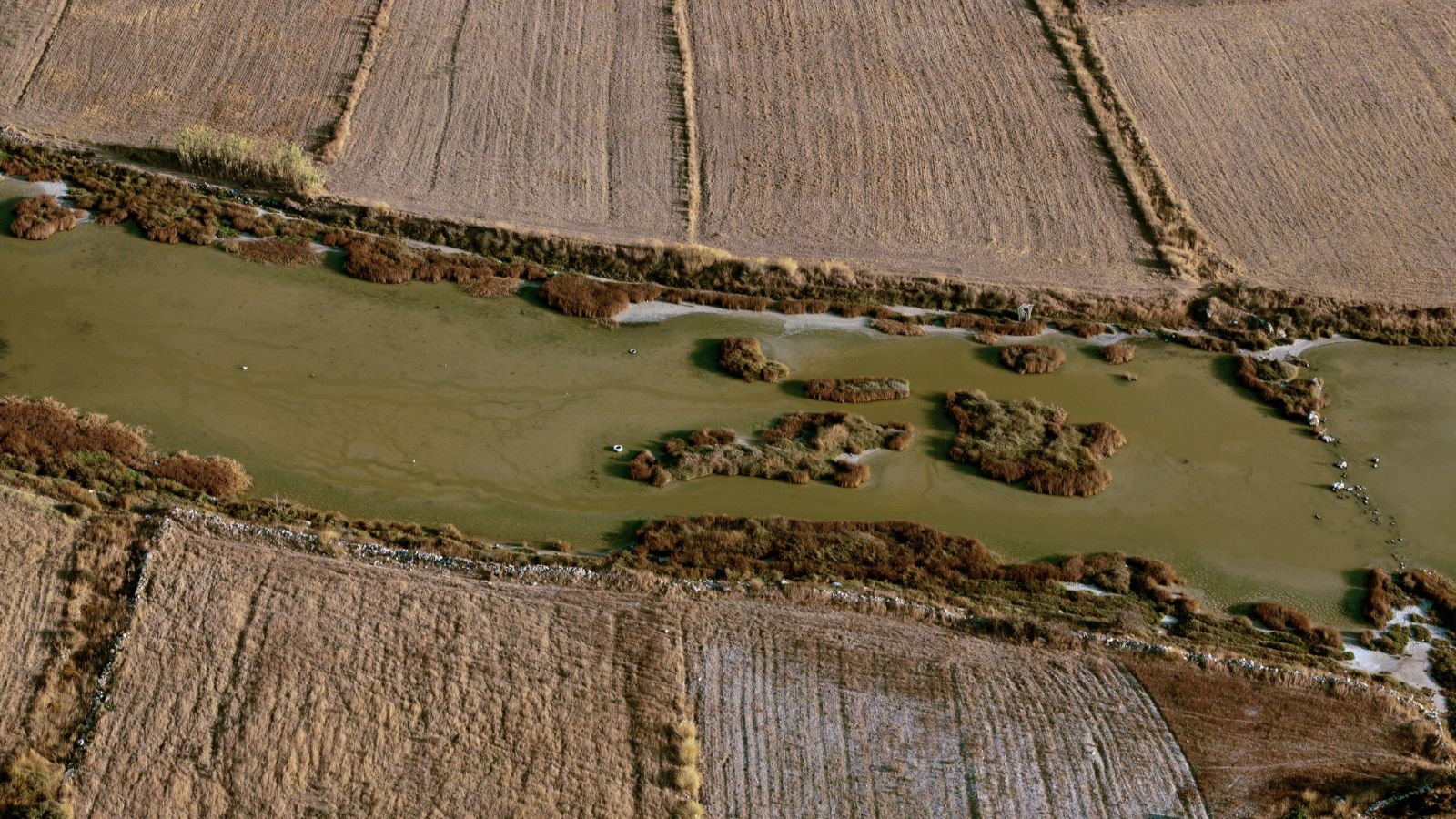
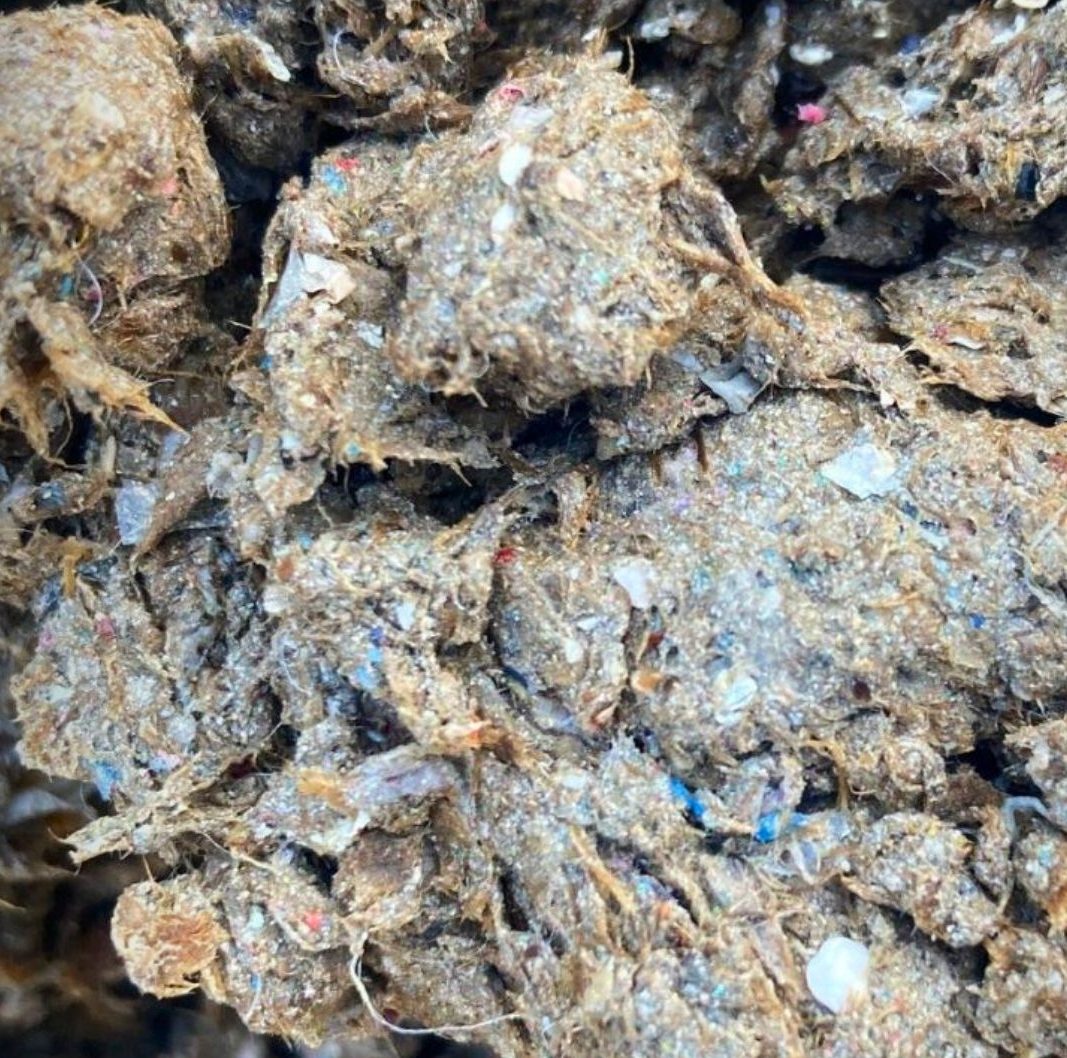
The Strategy identifies excess nutrients from large-scale livestock systems and contaminants from sewage sludge as two leading sources of agricultural water pollution. Both nutrients and sludge are used as fertilisers, yet are not often valued as they should. Sewage sludge in particular holds great risks because of toxic chemicals, plastics and pharmaceuticals, including ‘forever chemicals’, which risks further contaminating soils and rivers after being spread on farmland.

Agriculture is now recognised as a significant source of water pollution as sewage, yet it has not received the same political focus, regulatory attention or investment. Without decisive action, the Government will fail to meet its pledge to clean up rivers, particularly when the recently published Water White Paper dedicated only one page to agricultural water pollution, reinforcing its treatment as secondary to sewage.

The signatories welcome Defra’s revised Environmental Improvement Plan and its new targets to reduce agricultural pollution. However, they warn that these targets are unrealistic without significantly stronger action and are likely to be missed on current progress.

The Government’s own regulator supports these concerns. The Office for Environmental Protection has warned that slow progress on agricultural water pollution is undermining overall efforts to improve the water environment.

While recent attempts to reform agricultural pollution rules, including greater engagement between Defra, farmers and environmental groups, are encouraging, they do not yet go far enough to deliver change at the scale required. Farmers need stable, long-term support and clear direction, not short-term schemes or piecemeal reforms, to reduce pollution while continuing to produce food.

River Action’s policy and advocacy manager Ellie Roxburgh said, “The government cannot credibly claim it is cleaning up rivers while continuing to sidestep a major source of pollution flowing into them. Agricultural pollution does as much damage to our rivers as sewage, yet it remains under-regulated, under-resourced and politically neglected. 

“We welcome the Government’s consultation on sewage sludge. It must lead to strong updated regulation with meaningful action that goes beyond end-of-pipe solutions, stopping water companies from selling contaminated sludge to farmers and with all polluters across the supply chain held responsible.”

We also welcome the Government’s new forever chemical plan, but it lacks the level of ambition needed, relying too heavily on monitoring and voluntary action rather than firm regulation and enforcement.

In response, River Action’s Agricultural Water Pollution Strategy sets out measures it says are essential if government is serious about cleaning up rivers:

  1. Proper and consistent enforcement of anti-pollution regulations, ending reliance on under-resourced, reactive compliance.
  2. A well-resourced and properly trained Environment Agency, with the capacity to monitor, inspect and enforce agricultural pollution rules.
  3. Appropriate funding and updated planning guidance for slurry infrastructure, to prevent pollution from storage and land application.
  4. Mandatory Sustainable Nutrient Management Plans, overseen by a Defra-led taskforce to ensure accountability and coordination.
  5. Lower thresholds for Environmental Permitting Regulations, extending tighter controls to beef and dairy operations currently outside the regime.
  6. A transition to catchment-based nutrient management, using regional water authorities to manage pollution at river-basin scale.
  7. An end to toxic sewage sludge contaminating farmland, including stronger controls on contaminants such as PFAS and microplastics.


Richard Benwell, chief executive of Wildlife and Countryside Link, said the breadth of support behind the letter showed the urgency of the issue. “If ministers are serious about meeting their nature and water quality commitments, tackling agricultural pollution must now be a top priority, not an afterthought.”

This year presents a rare policy window. Major strategies and legislation covering land use, farming incentives, food policy, circular economy measures and water reform give the Government the opportunity to act decisively if they are aligned and used boldly.

The environmental sector is united in calling for urgent, coordinated action and stands ready to support solutions that enable food production without harming rivers.

The message to ministers is clear: delivery, not delay. The credibility of the Government’s commitment to clean up rivers is now at stake.


Notes to editors

The letter to the Secretary of State for Environment, Food and Rural Affairs was signed by a cross-party group of parliamentarians, environmental organisations, farming networks, legal experts and civil society groups, reflecting broad concern about the impact of agricultural pollution on rivers.

Signatories include senior figures from leading environmental organisations, including River Action, Wildlife and Countryside Link, WWF-UK, RSPB, Surfers Against Sewage, The Rivers Trust, the Soil Association and the Nature Friendly Farming Network, alongside representatives from farming, research, legal and community groups.

Political signatories span parties and chambers, including MPs from Labour, Liberal Democrat and Green parties, as well as members of the House of Lords.

The full list of signatories is as follows:

James Wallace (CEO, River Action UK)
Terry Jermy MP (South West Norfolk, Labour)
Roz Savage MP (South Cotswold, Liberal Democrat)
Ellie Chowns MP (North Herefordshire, Green)
Adrian Ramsay MP (Waveney Valley, Green)
Siân Berry MP (Brighton Pavilion, Green)
Carla Denyer MP (Bristol Central, Green)
Lord Randall of Uxbridge
Baroness Jones of Moulsecoomb
Helen Browning (CEO, Soil Association)
Richard Benwell (CEO, Wildlife and Countryside Link)
Catherine Gunby (Executive Director, Fidra)
Gavin Crowden (Director of Advocacy, WWF-UK)
The Duchy of Cornwall
David Wolfe KC (Matrix Chambers)
Alison Caffyn (Rural Researcher)
Alastair Chisholm (Director of Policy, CIWEM)
Martin Lines (CEO, Nature Friendly Farming Network)
Rebecca Wrigley (CEO, Rewilding Britain)
Ellen Fay (Founder, Sustainable Soil Alliance)
Kevin Austin (Director of Policy and Advocacy, RSPB)
Giles Bristow (CEO, Surfers Against Sewage)
Georgia Elliott-Smith (Founder, Fighting Dirty)
Mark Lloyd (CEO, The Rivers Trust)
Natasha Hurley (Deputy Director, Foodrise)
Dee Edwards (Chair, Communities Against River Pollution)
Rob Bray (Chief People and Sustainability Officer, Wildfarmed)

The letter was sent to Rt Hon Emma Reynolds MP, Secretary of State for Environment, Food and Rural Affairs. A copy of the letter is available here

The “Make a Nuisance” Campaign: Using the Law to Speak Up for Our Rivers

Download PDF
By Chloe Peck, Senior Engagement Coordinator at River Action


When River speaks, what does River say?

When River is harmed, how does a body of water make its cries heard?

And when we step in to speak for River, through our human legal systems, whose voice do we really use?

At River Action, we recently helped amplify a cry for the river through the launch of the ‘Make A Nuisance’ campaign.  The campaign creates a way to speak through the law. Working alongside Friends of the Thames and 15 people from 13 different areas across the Thames catchment, we supported local residents to submit Statutory Nuisance complaints about Thames Water to their local authority. The aim of the campaign is to create a collective noise, which further holds Thames Water to account by enabling community members to take direct action using a powerful legal tool. 

Statutory nuisance law is a long standing area of UK law which requires local councils to investigate harms from pollution or noise. If the pollution is found to be causing a problem, the council enforces the polluter, Thames Water, to seize and desist the action, sewage pollution, through Abatement Notices.

In order to ensure the letters were rooted in real life experiences of pollution, the participants were responsible for gathering stories and data to evidence their complaints. This included photos of sewage smears on rowing boats, data from nutrient and pathogen tests, and testimonies from local people who had become sick from swimming. This was complimented by compelling evidence on failing sewage treatment works gathered by River Action’s Campaigns Analyst  Dr Samir Seddougui. Their letters were accompanied by an attachment outlining the relevant legal procedures, prepared by our Head of Legal, Emma Dearnaley, alongside lawyers from Leigh Day. 

Using statutory nuisance as a campaigning tool is powerful, as it uses the law to allow local people to have their voice heard. This is useful where previously the community’s lived experience of the sewage crisis has been dismissed and sidelined. The campaign challenges this by forcing responsibility back into a system where regulation repeatedly stalls and accountability slips. The process creates formal records, duties, and pressure. It is slow, procedural, and intentional — not a protest stunt – however, it has the potential to make substantial change.

Statutory nuisance as a form of protest offers a unique way to demand action, however, when used to speak for nature, we must consider its limits. Statutory nuisance is unapologetically human-centred. The law exists to protect residents from activities that interfere with their health, comfort, or enjoyment of their home or local environment, and it places a duty on local councils to investigate and act when such interference occurs. It fundamentally is concerned with human’s experience of the environment, not the environment’s own experience. The river has no legal standing without humans.

This is not to say this is the perception across the world. The Whanganui river is often cited in nature writing as an example of a river with legal personhood. The river was granted personhood in 2017 after 140 years of negotiations fought by the Māori group of Whanganui, who consider the river as their ancestor. With personhood status, if the Whanganui river is harmed, the law recognises this as a harm to the Maori group. The group and the river are one connected being. In the UK, we do not have the same recognitions in place; in legal standing what harms nature does not harm us. Lawfully, we are not one and the same with the world around us.

Despite these legal limitations, the people who wrote nuisance complaints are deeply connected to the Thames and its tributaries. They are rowers, swimmers, house boat dwellers, kayakers, and citizen scientists. They rely on the river for community, exercise, business, as well as spiritual and mental wellbeing. And despite its limitations, the campaign is genuinely exciting, as a community-led action, with people taking initiative to use law as something real; not a distant inaccessible tool, but something that propels momentum and possibility for change. 

This connection is reflected in the experience of campaigner Blake Ludwig, who took part in the Make A Nuisance campaign on the River Kennet:

“We have to see that water isn’t simply a dead material for us to use at our leisure, or as a waste receptacle… Through collecting evidence and building a nuisance complaint, I’ve come to understand how invisible pollution can be — and how only long-term relationship, observation and care allow us to really see what’s happening to our rivers.”

What the system of nuisance complaints tells us is that we live in a climate which recognises people and nature as separate. We have not retained the historic kinship between human and nature which the Maori people have. In our social system a person is legible through documents, numbers, and certificates. Personhood is administrative. Within this system, the river’s voice is only heard when it passes through us. So we therefore have a duty to nature to ensure that nature’s voice is heard.

And how do we do that authentically? By knowing a river as we might know a family member, and caring for it as we would a friend. And all the while recognising that a river is not human at all. A river is a living system with its own rhythms, flow, and resilience, deserving of respect not because it resembles us, but because it exists in its own right.

When I talk about sewage pollution, I am often asked by wild swimmers if they should stop their beloved sport. The answer is no. Not because the dangers aren’t present, they are, but because connection matters. By spending time and interacting with the river, we are able to create a deep and intimate relationship with the river. 

The power of the Make a Nuisance campaign has come from people who live entwined, not separate, from the river. So the work, for now, is slow, careful and continuous. Keep swimming, keep connecting, keep being with the river. Speak to the river, and the river may well speak through you.

Government White Paper on Water Reform Falls Short of Real Reform

Download PDF

Today, the government has released its long-awaited Water White Paper. This White Paper sets out the Government’s response to the recommendations made by Sir Jon Cunliffe’s Review of the water sector in 2025. Although there are some welcome steps, it falls short of the ambition and enforcement needed to Rescue Britain’s Rivers.

CEO of River Action, James Wallace said:

“The publication of the Water White Paper signals the Government recognises the scale of the freshwater emergency, but lacks the urgency and bold reform to tackle it. 

“Proposals for a new water regulator, including the appointment of a Chief Engineer, alongside infrastructure ‘MOTs’ and no-notice inspections of water companies, are welcome steps, provided the regulator is truly independent, equipped with real powers and funded by The Treasury to hold polluters to account.

“However, major gaps remain. These reforms will fail unless the privatised model is confronted head-on. The crisis is the result of a system that prioritises short-term profits and shareholder payouts over people, rivers, and public health. 

“Special Administration must be the clear route to a public benefit model for water. It is the mechanism by which failing water companies can be taken out of extractive ownership and restructured so that investment serves customers and the environment, not short-term results. This requires clear, published triggers for Special Administration and a firm commitment to reform ownership and finance so that profits are secondary, long-term, and conditional on strong environmental performance and public benefit.

“We are also concerned about the emphasis on smart meters, which risks placing responsibility on households when water companies have failed for decades to invest in ageing, leaking infrastructure. Millions of litres of water are lost every day, and consumers should not be asked to pay for corporate underinvestment.

“Finally, while agricultural pollution is acknowledged, the proposals do not yet go far enough in ambition or enforcement needed to tackle this problem at source. The abomination of sewage sludge epitomises the challenge: farmers pay water companies for sludge to spread industrial ‘forever’ chemicals on the land that grows our food. The real test of these reforms will be whether they deliver a system that puts public and environmental protection ahead of corporate profiteering.”

As the government prepares its upcoming Water Reform Bill, we will continue to push for real, meaningful reform and press for tougher enforcement, stronger accountability, and a water system that works for people and nature — not lining the pockets of polluters.

River Action takes Ofwat to High Court, accusing regulator of letting customers ‘pay twice’ for same improvements

Download PDF

We are taking Ofwat to the High Court today, arguing that the economic water regulator acted unlawfully because its approach has potentially allowed water companies to charge bill payers twice for the same infrastructure improvements that would reduce pollution of our waterways.

At the heart of the case is Ofwat’s 2024 Price Review (PR24), which approved above inflation bill increases – averaging £123 a year per household – and authorised “enhancement expenditure” for water companies to upgrade wastewater treatment works and pumping stations including to meet their legal obligations. The case uses United Utilities and Lake Windermere as a case study, but we believe the claim has uncovered issues with Ofwat’s approach across England and Wales.

Ofwat’s own policy is that customers should not pay twice for enhancement schemes.

We claim that Ofwat acted unlawfully when it implemented its policy because its approach has allowed costs to be passed to customers without ensuring the funds actually deliver promised improvements rather than merely correcting historic underinvestment. In effect, we argue that Ofwat’s approach has likely allowed for paying twice, with some households having to pay for infrastructure improvements to achieve environmental compliance, which should have been funded from historic bill payments.

Our Head of Legal, Emma Dearnaley, said:

“It is fundamental that the public should not be made to pay twice for water companies’ past failures to invest in improvements to stop sewage pollution. But River Action is concerned that Ofwat’s approach means customers could be paying again. Meanwhile, degraded infrastructure keeps spewing pollution into rivers and lakes across the country that should have been clean decades ago. The regulator must ensure that the billions it approves results in legal compliance by water companies and that customers are charged fairly from now on. We cannot fix the sewage crisis or restore public trust until we have regulation that delivers for billpayers and the environment. ”


Legal grounds: flawed approach, weak enforcement


Represented by law firm Leigh Day, River Action will argue that:

Ground 1: Ofwat’s approach to implementing its own “not paying twice” policy was unlawful.

Ground 2: Ofwat ‘clawback’ mechanism to recover funds if water companies misuse customer money is flawed and incomplete.

Leigh Day partner Ricardo Gama, who represents River Action, said:

“Our client believes that this case shows that Ofwat has failed to make sure that water bills are used for infrastructure upgrades. River Action will argue that the money that could and should have been used to make essential infrastructure improvements is now gone, and customers are being asked to foot the bill for those improvements a second time over.”


A case with national implications


Although the legal challenge focuses on the PR24 determination for United Utilities and the Windermere schemes, we believe the outcome has national significance. The case aims to expose systemic failures in how Ofwat oversees compliance across the entire water industry and how it routinely signs off funding that could allow water companies to use customers’ money to rectify their own past non-compliance.


Windermere as a case study for a national problem


Lake Windermere, the “jewel in the crown” of the Lake District, has become a symbol of the crisis in England’s waterways. Despite being a designated protected site, monitoring data shows thousands of hours of sewage discharges every year from nearby treatment works and pumping stations.

Our case uses Windermere as a case study to illustrate a national problem. If such failures can happen at one of the country’s most iconic lakes, the charity argues, they are likely happening across the network of water and sewerage systems in England and Wales. Our concern with Ofwat’s approach to implementing its own ‘not paying twice’ policy extends across all of the 4,000 schemes it has approved across England and Wales.


Beyond the courtroom: a call for regulatory reform


Our legal challenge is part of its broader campaign to reform how water regulation works in the UK. We argue that Ofwat, as currently structured, has become too close to the companies it regulates and too distant from the public interest it is meant to serve.

Since the case was filed, the Independent Water Commission has also raised many of our concerns, calling for a major overhaul of the regulation of water services in England and Wales with a new single integrated regulator replacing the current fragmented system (including Ofwat) and with long-term infrastructure investment and asset health being central to making the system fit for the future.

Crucially, the outcome of this case should have profound consequences for PR29, the next five-year regulatory review.  PR29 must not repeat the same failures of PR24. A reformed, well-resourced and robust regulator – with Ofwat’s current structure and functions expected to be abolished and included in the new regulator following the Commission’s recommendations – must ensure full environmental compliance by water companies before customers are asked to pay.


Notes to editors

The hearing takes place at Manchester Civil Justice Centre on November 4th & 5th.
River Action is represented by law firm, Leigh Day, and barristers David Wolfe KC and Nicholas Ostrowski.

The March for Clean Water: What’s Changed a Year On?

Download PDF
By Amy Fairman, Head of Campaigns, River Action

A profound silence swept across Parliament Square as over fifteen thousand people stood still. On the giant screens, scenes of glistening waters, darting kingfishers, and emerald riverbanks shimmered into life while Robert Macfarlane’s voice carried through the air:

“Riversong is ebb and flow, flow and ebb, deep pools and shallow beds.”

It was 3 November 2024, and a wave of blue had descended upon London. From river source to seashore, people from every corner of the country came together to demand action from a newly elected government — action to rescue our dying rivers and polluted seas.

That day, the heart of Westminster became a confluence of voices and waters: Robert’s moving poem, Charles Watson’s impassioned river roll call, the symbolic mingling of over a hundred river samples, and the rallying cries of young river warriors, seasoned campaigners, union representatives, and community groups. It wasn’t just a protest — it was a movement in full flow, a moment that galvanised a nation determined to turn the tide.

I left Parliament Square that afternoon buoyed by the energy of the day — the powerful sense that years of hard work, heartbreak, and hope had finally gathered into one unstoppable current.

But one year on, what’s changed? Has the government listened? Are our rivers and seas rebounding from decades of neglect and abuse?

Author and writer of ‘Ebb and Flow’, Rob Macfarlane, alongside our CEO, James Wallace.

A Year of Scrutiny: The Independent Water Commission

Political attention on our rivers has continued to intensify. Clean water was one of the defining issues of the general election, and the new Secretary of State quickly made it a top priority.

Following the calls of many campaigners, including those who stood shoulder-to-shoulder in Parliament Square, the government launched the Independent Water Commission — a long-awaited review of the water sector.

Hope rippled across the movement. Could this be the start of the systemic overhaul we’d been fighting for — the beginning of the end for a failed privatisation experiment that had siphoned billions from public hands into private profits?

As the details emerged, optimism gave way to frustration.

The Commission’s scope was tightly ring-fenced,  to “making the current system work better”. It was forbidden from considering public ownership or alternative models — effectively excluding the kind of bold, structural reform the water industry desperately needs.

Even more concerning, agricultural pollution, which remains the single largest source of contamination in our rivers, was entirely outside its remit. This omission spoke volumes about how narrow and politically cautious the review was.

That’s not to say nothing of value emerged. The Commission made several important recommendations: reforms to a regulator long viewed as toothless; new rules to tackle toxic sewage sludge; improved transparency of water company data; and greater enforcement powers. These asks were central to the joint evidence provided by River Action and Surfers Against Sewage to the commission, as well as the response submitted by many other organisations that took part in the march for clean water.

But you can’t fix a broken system by tightening its bolts.

The privatised water model, with its vulture-like investors extracting dividends while infrastructure crumbles, remains fundamentally unfit for purpose. Bill payers are being squeezed to cover the cost of failure, while rivers bear the burden of a system designed for profit, not for people or nature.

Our call to action for the public’s submission to the Independent Water Commission, voiced by Deborah Meaden

The People’s Commission: A Blueprint for Change

While the government’s commission tinkered around the edges, others were busy reimagining the system.

The People’s Commission, a collaboration of grassroots groups, academics, and policy thinkers, have been determined to prove that another way is possible.

Drawing lessons from models in Europe and beyond, the People’s Commission laid out a roadmap for a publicly owned, democratically accountable water system. One that puts environmental protection and community well-being above shareholder returns.

Their recommendations included decentralised governance structures, citizen representation on regional water boards, ring-fenced reinvestment of profits, and clear mechanisms for environmental accountability.

The People’s Commission is a reminder that imagination is as vital as indignation. It shows what could happen if we truly placed the public interest — and the health of our rivers — at the centre of water management.


The Thames Water Saga: A Cautionary Tale

If ever there was a symbol of the failure of privatisation, it’s Thames Water.

Over the past year, its decline has become a national drama — a slow-motion car crash of mismanagement, financial engineering, and moral bankruptcy.

In the spring, investors began to pull out, with major backers like RRK retreating while new ones, such as CRK, stepped in under dubious terms. Meanwhile, news reports revealed that the company was seeking exemptions from environmental fines — arguing that such penalties would deter investors.

Let that sink in: a company responsible for repeated pollution incidents effectively asking for immunity so that it could attract more capital.

As the financial situation worsened, rumours of a government bailout swirled. Ministers insisted there would be “no blank cheques,” yet also failed to clarify when or how they might trigger special administration, the mechanism designed to temporarily control failing utilities. A  mechanism that could be used to fundamentally rethink how to restructure the company to work in the interests of people and nature, not purely boardroom shareholders.

In the absence of a clear policy, uncertainty reigned. Thames Water has continued to limp on, its debts deepening, while the rivers it was meant to protect remained choked by sewage spills.

Those who took to the streets last November are now gracing courtrooms. Windrush Against Sewage Pollution (WASP) and Charlie Maynard MP challenged the terms of the rescue package and demanded transparency. And at River Action, we are challenging Defra for their failure to have a policy in place for taking failing water companies into special administration.

Thames Water’s saga is not an anomaly; it’s a symptom. A warning of what happens when vital public goods are treated as commodities, and when regulation bends to the interests of those it’s meant to restrain.


The Regulator’s Verdict: A System Still Polluting

If anyone still needed proof that our rivers remain under attack, the latest performance reports from Ofwat and the Environment Agency delivered it in black and white.

In 2022, the water companies committed to cutting serious pollution incidents by 30 per cent. But the data now shows the opposite: serious pollution has risen by almost 30 per cent. It’s outrageous.

Let’s be clear.. After all the pledges, the speeches, and the glossy PR campaigns, the companies responsible for protecting our most precious natural resources are not just failing — they’re going backwards.

The Environment Agency described the performance of several major utilities as “unacceptable,” noting that some have slipped further behind their legal duties. Ofwat’s own report echoed the same frustration: repeated rule-breaking, inadequate investment, and a culture of denial at the top.

How can it be that in 2025, after decades of evidence and billions in profits, our water companies are still treating pollution fines as the cost of doing business?

This isn’t about a few bad actors — it’s a systemic failure. The regulators’ findings lay bare the fundamental truth that the current model is broken beyond repair. We cannot rely on the same companies that caused the crisis to be the ones who fix it.


Power to the People

If the year since the March for Clean Water has taught me anything, it’s that real change doesn’t just flow from Westminster — it springs from the ground up.

Across the country, the organisations, communities, and individuals who marched that day haven’t stopped moving. They’ve channelled the energy of that moment into ongoing, determined action.

Communities across the country are standing up to factory farms polluting our rivers. In the Wye Valley, Alison Caffyn (part of the Save the Wye community) and River Action won a landmark legal case forcing planners to assess the cumulative impact of intensive farms. In Norfolk, residents prevented new factory farm developments for failing to consider climate impacts, and in Hertfordshire, campaigners secured a ruling that manure taken off farms must be treated as waste, not dumped on land.

Individuals and local groups across the county picked up their pens to share their views on the Water Commission – over 2,000 people made use of River Actions guidance to respond, and many other communities of other organisations like Surfers Against Sewage did the same.

The Riverscape Partnership has launched its Making Space for Water initiative, calling for support for farmers and landowners to restore nature-rich river corridors.

The Women’s Institute, whose members turned out in force at the march, organised a Week of River Action — bringing thousands of women together to monitor water quality, campaign for tougher regulation, and celebrate the rivers that sustain their towns and villages.

The Angling Trust, alongside many community groups, have doubled down on the fight to protect England’s precious chalk streams, demanding that these globally rare habitats receive the same level of legal protection as rainforests.

And in an extraordinary act of citizen empowerment, the Citizens Arrest Network has continued its creative campaign of symbolic “boardroom arrests” — calling out pollution-for-profit executives and holding them to account through using the power of citizen arrests.

This is where I find hope:  in the compassionate energy of people who refuse to look away.

CEO of Surfers Against Sewage, Giles Bristow, at the March for Clean Water

What Needs to Happen Next

A year after that extraordinary march, we stand at a crossroads.

The government’s upcoming White Paper on Water Reform offers another opportunity to show genuine leadership. But if it merely repackages the recommendations of the Independent Water Commission, it will fail to meet the scale of the crisis affecting our rivers.

We need a framework that addresses the whole system, not just the symptoms. That means:

  • Clear timelines for bringing failing water companies back into temporary public ownership through the special administration regime, or introducing hybrid community models.
  • A 25-Year Agricultural Roadmap that tackles diffuse pollution at its source.
  • Stronger, independent regulators free from political and corporate interference.
  • And a second Water Bill, one that enshrines the right to clean water and healthy rivers in law.

Without these, the “blue wave” that filled Parliament Square will, as Chris Packham said on stage, “be back…..in brown”.

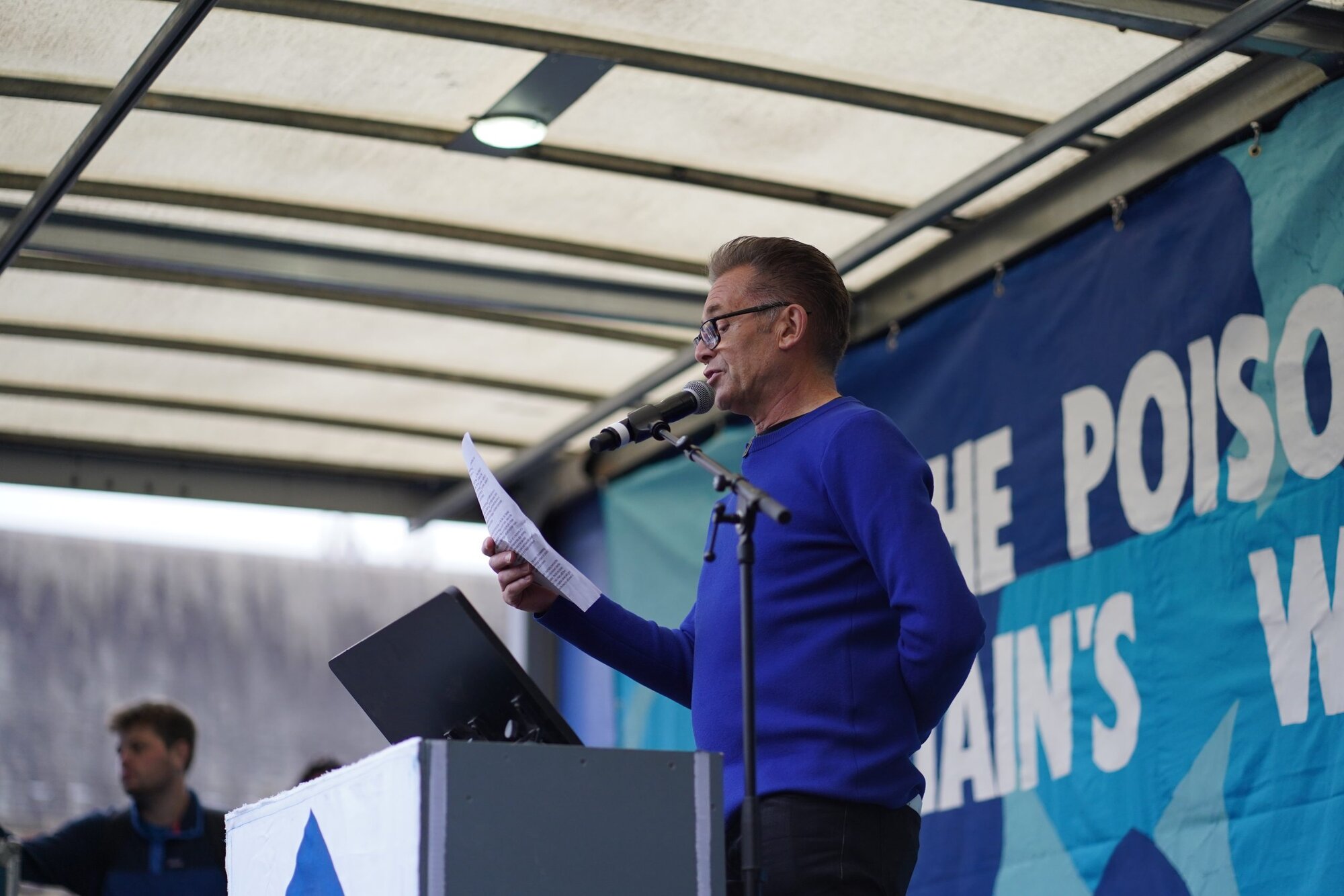
Chris Packham on stage at the March for Clean Water

A River Still Rising

As I reflect on that November day, I can still feel the rhythm of the drums echoing through Westminster, the collective heartbeat of thousands who refused to accept that our rivers should be sacrificed for profit.

One year on, that heartbeat hasn’t faded. It’s grown stronger.

Every petition signed, every water test taken, every letter written to an MP is another ripple pushing against the current of complacency.

We may not yet have turned the tide, but the direction of flow has shifted. Awareness has deepened. Accountability is rising. Along the riverbanks, people’s voices rise, demanding change.

The March for Clean Water was never meant to be a single day. It was a major moment along a journey. The galvanising of a movement of communities reclaiming the lifeblood of this country.

And as long as our rivers run — however polluted, however wounded — so too will our determination to see them restored, replenished, and free.

Because rivers are not just waterways. They are the veins of our land, the pulse of our planet, and the mirror in which we see the health of our democracy.

The tide is turning. Let’s keep it moving.

By Amy Fairman, Head of Campaigns, River Action

Myth Busting: Would it really cost £100 billion to bring water utilities into public ownership?

Download PDF

By Dr Samir Seddougui

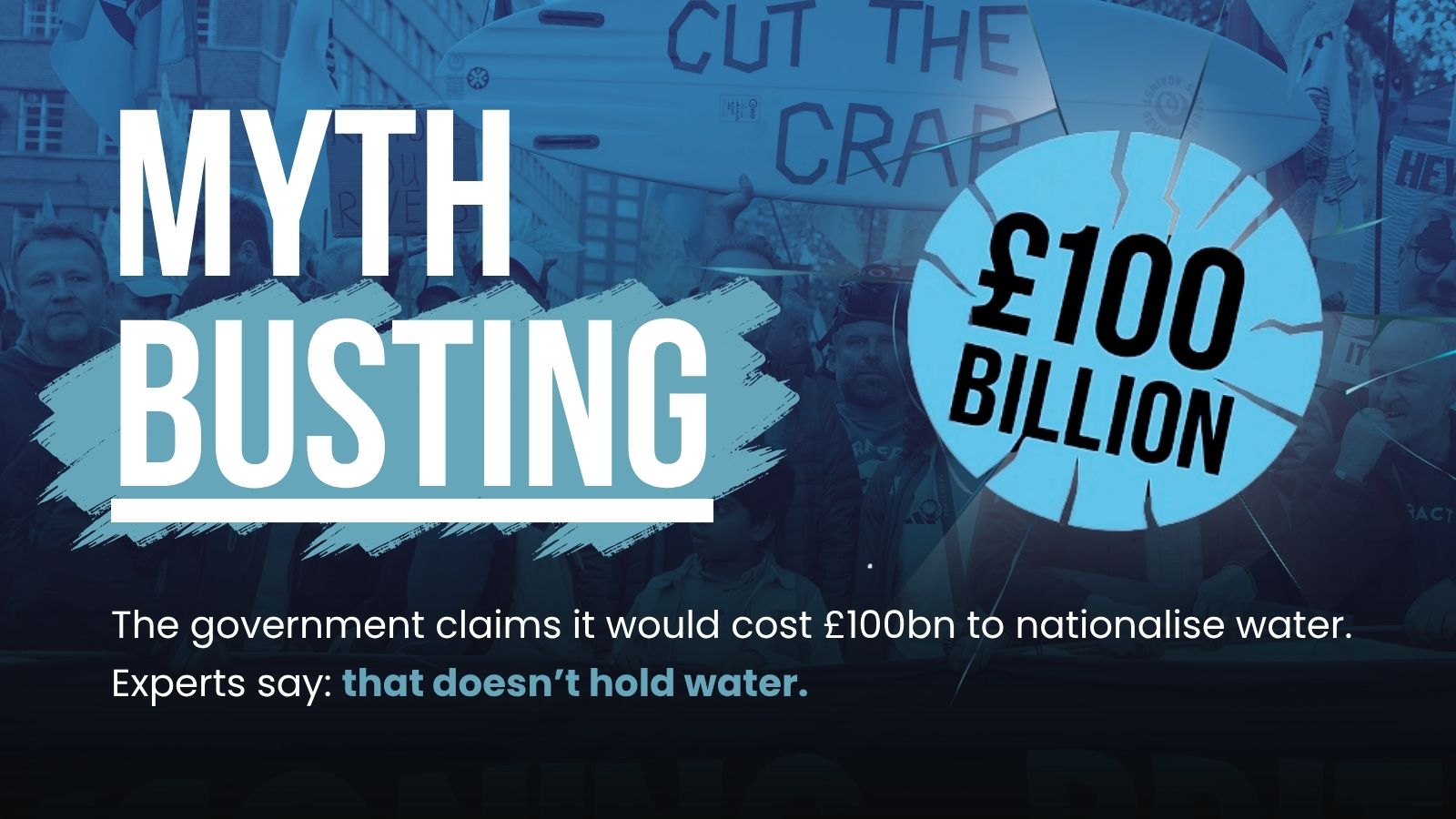
Whenever the conversation turns to the cost of nationalising the water industry or even just exploring public benefit and ownership models instead of continuing with deep privatisation, the government references the scarily high figure of £90-100 billion to dampen public support. 

On 16 September, Defra released a short policy paper outlining the rationale behind its estimation that nationalising the water industry would cost approximately £100 billion. A similar number was reached in a 2018 Social Market Foundation report paid for by four water companies (Anglian Water, Severn Trent, South West Water and United Utilities). The Social Market Foundation’s estimation takes the RCV from 2018 which was estimated at £64 billion and then added premiums for acquisition, so presumably their estimation would be even higher now.

Defra based this on three assumptions that: 

  1. the value of Water Companies should be tied to their Regulatory Capital Value (RCV); 
  2. the government would absorb equity and debt; and 
  3. no discounts or premiums should apply. 


Inflated Economics? 

Let’s be clear: this isn’t rigorous economic analysis. It is a simplistic and unrealistic theory being relied on by the government to justify not taking decisive action in public and environmental interests by putting failing companies like Thames Water into a special administration regime. What it protects are investors and an unsustainable cycle of debt servicing. 

Professor Ewan McGaughey, professor of Law at King College London and co-author of the People’s Commission argues that public ownership is an inexpensive solution, contending that the true cost is closer to zero as a more accurate market valuation would account for performance and financial failures.

As Economics Professor Sir Dieter Helm puts it, Defra’s estimate is “misleading, simplistic and wrong”. In his analysis published on 22 September, Helm sets out why each of Defra’s assumptions is wrong and goes on to explain why special administration for a failing water company such as Thames Water would make sure the business continues on a sustainable basis, giving it “breathing space” before, the special administrator would “almost certainly achieve a price which is at a significant discount to the RCV” with debt holders taking a “haircut”. 

When valuing a utility company such as Thames Water, RCV is only one factor a buyer would weigh. Helm argues that a company’s failure to maintain assets and its debt levels are central to any realistic valuation. The People’s Commission notes that RCV ignores another glaring reality: water companies have extracted £83 billion in dividends to shareholders. Karol Yearwood at the University of Greenwich has described the privatised water industry as a “cash machine for investors”. Today, the biggest beneficiaries are historic shareholders and debt holders keen to cash in on the roughly £17 billion debt Thames Water has been allowed to rack up. 

Since privatisation 32 years ago, Thames Water has handed £7.2 billion pounds to shareholders, while neglecting essential upgrades leaving the public with failing pipes, sewage discharges, and degraded waterways.

Defra also glosses over Thames Water’s massive debt pile and fines including a record-breaking £123 million penalty this year for serious pollution that continues to devastate our rivers. Polluters should foot the bill, not taxpayers. Under a special administration regime, customer payments would flow to court-appointed administrators to fund the operation of essential water services, instead of being paid out to as returns to shareholders who would go to the back of the queue, making the process far less of a financial burden than Defra claims. In fact, as Helm points out, it would exceed the cost of running the business.


The cost of and case for special administration 

The Government says that special administration of Thames Water would cost the government £4 billion. This is also overblown: on Helm’s analysis, the Government should recover its costs from the sale of Thames Water which, when offered for sale, would receive bids way in excess of £4 billion. The net cost to the Treasury should be zero. 

Helm also explains why special administration is not nationalisation, as it is often misleadingly labelled or conflated as a tactic to avoid having to use it. Special administration is a regime designed specifically to deal with water company failure and it offers the most effective way out of the mess Thames Water is in.  It should not be feared but favoured.

Dieter Helm cuts through the noise: “What is needed now is for Defra to put Thames into special administration, instead of putting out simplistic and ill-thought-through “assumptions” to support an implausible, very big round number.” 

We are also pursuing a Judicial Review against DEFRA for failing to set out clear thresholds for when a company should be put into SAR. In our view, this failure breaches core public law duties and leaves rivers and communities at the mercy of failing operators. With 16 million customers, some ministers may believe Thames is too big to fail. River Action says it’s too big to be allowed to keep failing. It’s time to put customers and the environment before private profits – by putting Thames Water out of its misery and into a special administration regime. 


References

  • Becky Malby, Kate Bayliss, Frances Cleaver, Ewan McGaughey, “A fair price to the public for water nationalisation.” The Guardian. 3 August 2025. Accessed here.
  • Defra, “Nationalising the water sector: how we assessed the cost.” Policy Paper, 16 September 2025, accessed here.
  • The Social Market Foundation, “The cost of nationalising the water industry in England.” February 2018. Accessed here.
  • Dieter Helm, “The next episode in the Thames Water saga: Defra’s misleading £100 billion cost of nationalisation and flawed board vetting proposals”. 22 September 2025, accessed here.
  • Ewan McGaughey, “How to Clean Up Our Water: Why Public Ownership in Law Costs Zero”. Common Wealth, 5 June 2025, accessed here.
  • Kate Bayliss, Frances Cleaver, Becky Malby, “Defra and the £100bn”. The People’s Commission, 18 September 2025, accessed here.
  • Karol Yearwood, “The Privatised Water Industry in the UK. An ATM for investors.” University of Greenwich, September 2018, accessed here.
  • Tainted Water, “Where Your Money Goes”, Goldsmiths, University of London, 2024, accessed here.
  • Sandra Laville, Anna Leach, & Carmen Aguilar García, “In charts: how privatisation drained Thames Water’s coffers”, The Guardian, 30 June 2023, accessed here.
  • Sandra Laville, “Thames Water fails to complete 108 upgrades to ageing sewage works”, The Guardian, 10 July 2024, accessed here.
  • Environment, Food and Rural Affairs Committee, “Reforming the Water Sector”, House of Commons, 9 September 2025, accessed here.
  • Eleanor Shearer & Ewan McGaughey, “Deep Trouble: Fixing Our Broken Water System”, Common Wealth, 11 July 2024, accessed here.
  • Sarah Olney MP, “Thames Water: Contingency Plans”, House of Commons, 15 March 2024, accessed here.
  • Alex Lawson, “The fate of Thames Water hangs in the balance. So what are its options?”. The Guardian, 22 March, 2024, accessed here.
  • River Action, “River Action launches legal challenge against the Government over Thames Water failures”, 30 July 2025, accessed here.

The Water Commission’s Final Report: Why It Falls Short – And What Must Come Next

Download PDF
By Amy Fairman, Head of Campaigns

At the end of July, the Independent Water Commission released it’s final report on the state of our water industry with recommendations on how the industry could be fixed. River Action, alongside Surfers Against Sewage, has analysed the recommendations against our five core principles for real reform.

Our conclusion? While the Commission makes some useful noises about reform, it ultimately ducks the bold changes needed to end sewage pollution and protect people and nature.

Here’s how the Commission performed when measured against our principles – and why government must now go much further with its upcoming White Paper.


1. Operating for Public Benefit

The Commission’s approach accepts the profit-driven privatised model of water companies as a given. Instead of rethinking this broken system, it focuses primarily on tighter regulation.

This is not enough. Decades of evidence show that shareholder-first models drain money out of the system while rivers fill with sewage. The Commission ignored credible international evidence that public benefit ownership models – like those in much of Europe – deliver lower bills, more investment, and cleaner rivers.

Without a fundamental redesign of ownership, governance, and financing, alongside regulatory reform the crisis will continue.

2. Democratic Decision-Making

The Commission’s proposal for Regional Water Authorities is a step forward, hinting at more democratic oversight. But as drafted, these bodies risk being toothless talking shops.

Real reform requires municipal-level oversight, with local authorities, communities, and environmental groups holding real power over how water companies invest, operate, and deliver. Without this, decisions will remain in the hands of profit-driven boards.

3. Protecting Public and Environmental Health

The Commission acknowledges sewage pollution is a major public health crisis – but stops short of the urgent action needed.

Taskforces and reviews won’t protect the thousands of people falling ill after using polluted rivers and seas. We need immediate legal duties for all water companies, regulators, and government to protect public and environmental health, backed by stronger permits and updated Bathing Water Regulations that safeguard everyone, year-round, from emerging pollutants like ‘forever chemicals’ and microplastics.

4. Tough, Independent Regulators 

The Commission rightly diagnoses regulatory failure. But renaming regulators without changing their powers, duties, and resources will not fix the problem.

We need a strong, independent regulator with a clear duty to protect public and environmental health – not water company profits. And where companies fail, government must use the Special Administration Regime to reset them around public benefit principles, starting with Thames Water.

5. Transparency

The Commission calls for more monitoring – which we welcome – but still clings to the discredited model of operator self-monitoring, where water companies mark their own homework.

That system has failed. Independent monitoring, citizen science, and full real-time transparency are the only way forward. People deserve to know what’s happening in their rivers and seas.


The Bottom Line

The Water Commission’s report was a once-in-a-generation opportunity to reset a failing system. Instead, it tinkers at the edges, leaving the profit-driven model intact and communities exposed to sewage, debt, and declining water quality.

Government must now go further. The upcoming White Paper must:

  • Restructure water companies to deliver public benefit, not private profit.
  • Embed democratic oversight at local and regional levels.
  • Put public and environmental health at the heart of water law and regulation.
  • Create a tough, well-funded regulator with the power to act.
  • End operator self-monitoring and deliver full transparency.

Anything less will leave us trapped in the cycle of pollution, public anger, and political failure.

You can read our full indepth analysis HERE.

Caution to Steve Reed: Don’t betray the public with Thames Water

Download PDF

In response to recent developments, we have written to Environment Secretary Steve Reed to welcome recent steps to prepare for placing Thames Water into a Special Administration Regime. BUT we’ve warned that writing off Thames Water’s debts only to sell the company to another private foreign investor would be a profound betrayal of the public

It follows news reports that the Government is preparing to take control of Thames Water, wipe its debts, and sell it to a Chinese infrastructure company, CKI.

READ THE LETTER

In the letter, we urge the Government to use Thames Water’s Special Administration Regime not as a prelude to another overseas takeover, but as an opportunity to restructure the utility so it is run for public benefit, transparency, and long-term environmental protection.

River Action’s Head of Campaigns Amy Fairman said: 

“Writing off Thames Water’s debts only to sell it to another foreign investor would be a betrayal. 

“This crisis is a chance to rebuild it for public benefit, not private profit. Labour campaigned hard during last year’s election on promises to get a grip on the water crisis and act tough on failing water companies. This is a chance to chart a new course, not repeat the mistakes of the past by selling to overseas buyers eyeing a bargain.

This is a moment for leadership, not short-term expediency. Running Thames Water for public benefit rather than private profit is the surest route to cleaner rivers and satisfying public demands. The Thames and its tributaries are a lifeline for millions – and their health is inseparable from the wellbeing of our environment, economy, and public health,”

The letter outlines the decades of failure that have left Thames Water in crisis: spiraling debt, chronic underinvestment in infrastructure, worsening pollution of rivers, and repeated breaches of environmental law. 

Repeated changes of ownership – often to opaque overseas private investment groups – have consistently prioritised shareholder returns and high-cost debt over safe, clean water and the health of our waterways.

Our key demands to Government:

  1. Rule out the sale of Thames Water to another foreign-owned private investor and ensure a public benefit ownership, investment and governance structure
  2. Use the special administration process to fundamentally restructure Thames Water’s finances and operations to invest in infrastructure that will secure water and protect the environment
  3. Ensure the public does not bail out private investors during the special administration regime and dispel the myth that Thames Water is worth tens of billions
  4. Write-off the current high-interest debt and use Government-backed bonds to significantly lower the burden and attract low-risk, low return, long-term investors
  5. Use the Special Administration Regime for Thames Water as an opportunity to design a permanent public benefit test model for water utilities


It’s clear that the public patience is exhausted and that repeating the same failed privatisation model would undermine trust further.


“The illusion of change”: Water Commission falls short

Download PDF

Water Commission fails to propose bold reform

The Independent Water Commission’s final report fails to propose the bold reform urgently needed to fix the UK’s crumbling water system. While the report acknowledges the depth of the crisis, it ultimately offers “the illusion of change – not real change.”


Our CEO James Wallace said:

“This was a once-in-a-generation opportunity to reset a broken and corrupted system. Instead, the Commission blinked. After three decades of privatisation, there is no evidence it can work. The report diagnoses symptoms but avoids the cure, appeasing the vulture capital markets and failing to propose alternative public-benefit investment, ownership and governance models that have been proven across Europe. ”

“We needed a credible plan to rescue Britain’s rivers, lakes, and seas – and a clear pathway to bring failing companies like Thames Water into public control. Instead, we’ve been handed vague policy nudges that leave the current failed privatised water company model intact. When raw sewage is pouring into our waterways and reservoirs run dry, tinkering with regulatory half-measures simply isn’t enough to restore public trust. 

“The Government must act now with a powerful statement of intent by putting our biggest polluter – Thames Water – into Special Administration to send a warning shot across the stained bows of the Sewage Armada. Anything less will signal the UK is open to yet more corporate takeover. Our water is our life-blood and not for sale.”


What’s missing: the real reform agenda

River Action criticised the Commission for avoiding the structural changes needed to protect the environment, rebuild trust, and hold polluters accountable. Key omissions include:

  • Ending the privatisation model and shifting to public-interest ownership, based on successful international examples, which rebuild public trust and engage local stakeholders
  • Restructuring debt by using government-backed bonds that would reduce rapacious interest costs from 10-12%+ to 4%, saving 50% of customer bills
  • Triggering the Special Administration Regime (SAR) to bring failing companies like Thames Water into public ownership, which, contrary to ill-informed government warnings, will not cost the public purse billions
  • Acknowledging the true financial state of the industry – including that the cost of repairs to Thames Water’s assets of £23 billion would render its effective market value close to zero
  • Democratising governance, with public and environmental representation on company boards and transparent public oversight at regional and local levels
  • Banning self-monitoring, transforming data transparency and enforcing environmental laws through rapid, consistent prosecution including immediate access to courts, allowing regulators to focus on people and nature rather than polluters
  • Ensure the polluter pays principle is used across all upstream polluters, including agriculture and transportation, to clean-up our waterways

What the Commission gets right

River Action welcomed several important recommendations and acknowledgements:

  • When using Special Administration, the Government should consider public benefit ownership models – however there’s no mention of ministers needing to develop a clear, proactive policy now, not after Thames Water collapses
  • 8 new regional water system planning authorities to provide municipal oversight – described by River Action as “urgently needed,” especially following new figures showing a 60% increase in serious pollution incidents in 2024
  • A coherent 25 year national strategy for sewage and water infrastructure that connects planning, delivery, and pollution control across regions
  • The need for low-risk, low-return, long-term investment but falls short of stating convincingly how the failed privatised system can deliver this
  • The replacement of failed regulator Ofwat with a new regulatory watchdog but will it have the teeth to enforce the law?

River Action cautiously supports this proposed reform of regulation – provided it is ring-fenced from industry influence, properly resourced, integrates financial and environmental regulation, provides local oversight of planning, pricing and delivery and is empowered to keep water companies honest and puts public needs first.

Our CEO adds:

“Anything less risks repeating the same cycle of captured oversight and corporate impunity,”


A final warning against inaction

With public trust at an all-time low, River Action is calling on the Government to show leadership and adopt legally enforceable targets and reforms that:

  • End pollution for profit and the privatisation model
  • Prioritise environmental and public health
  • Return control of the UK’s water system to the public interest

We need bold and decisive leadership from the Labour Government to give the Environment Secretary and Defra the resources and support he needs to tackle the sewage scandal and freshwater emergency. If ministers fail to act now, they are not just neglecting their duty – they are protecting polluters and pandering to international investment markets, putting at risk our national water security, natural environment and public health. Delay and weakness is complicity in the further destruction of the lifeblood of our economy” – James Wallace, CEO of River Action

River Action granted permission to proceed with legal challenge against Ofwat 

Download PDF

Ofwat has forced customers to pay twice for water industry failures – and we are calling for urgent regulatory reform

We are taking water regulator Ofwat to a full court hearing, to challenge the approach Ofwat took when it set the price that water companies like United Utilities can charge their customers.

Ofwat’s approach was unlawful and, as a result of regulatory failings, the financial burden of water industry infrastructure neglect has been pushed onto customers – rather than those responsible.

The case is proceeding amid intensified calls for an overhaul of Ofwat, with growing scrutiny from the Independent Water Commission, led by Sir Jon Cunliffe, into whether the regulator is fit for purpose. We are calling for a reform of the regulator and, in particular, for Ofwat to stop water companies passing the costs of failures on to the public.


Water bill hikes – with no guarantees for the future

At the heart of the case is Ofwat’s 2024 Price Review (PR24), which approved above-inflation water bill increases, including an average annual rise of £123 per household, without guaranteeing the money will be spent on new infrastructure rather than plugging the gaps left by decades of underinvestment.

The legal challenge follows investigations by campaigners Matt Staniek and Windrush Against Sewage Pollution (WASP), which exposed chronic sewage pollution in the Lake Windermere area and regulatory failings around PR24.

While the claim focuses on the PR24 determination for United Utilities in relation to water works in and around Lake Windermere, River Action thinks it exposes fundamental failures in Ofwat’s approach – with national implications.

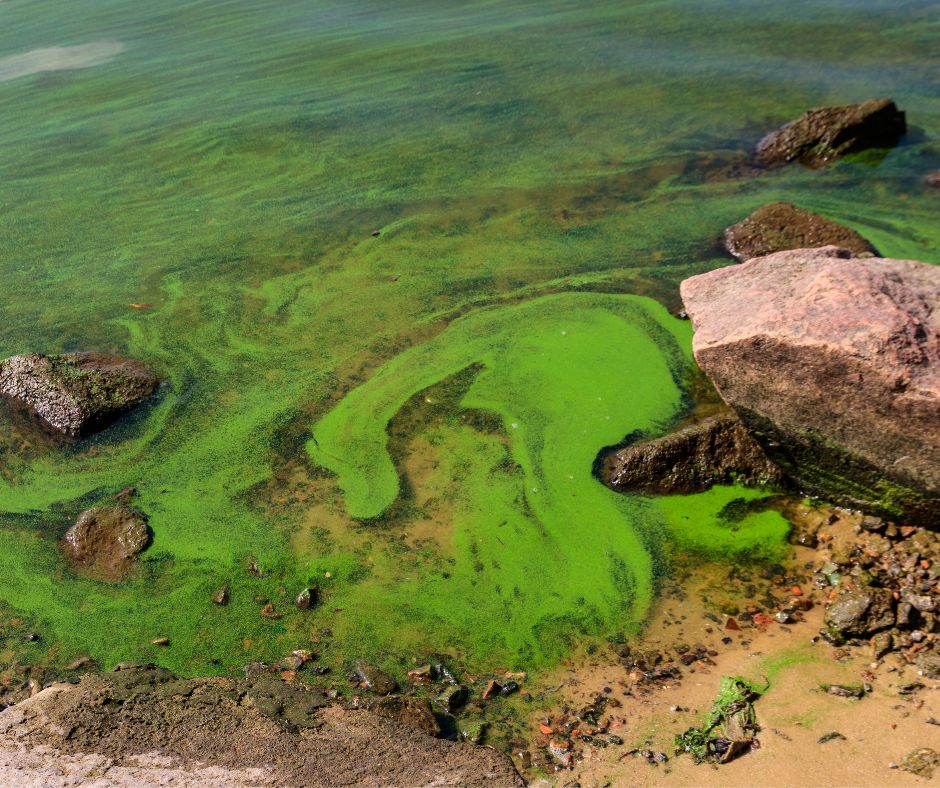
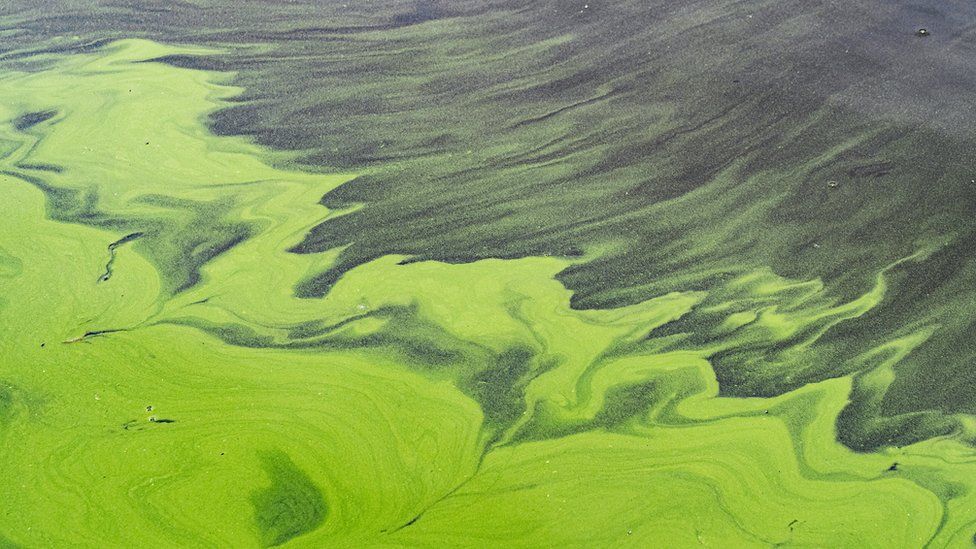
Lake Windmere, Algea blooms | Matt Staniek ©

Customers are being forced to pay twice

The regulator’s decision allows water companies, such as United Utilities, to charge customers twice: first for water bills that should have covered infrastructure maintenance and then again through new hikes aimed at fixing the same problems.

In August 2024, United Utilities was granted “enhanced funding” to upgrade sewage treatment works around Windermere. This approval came despite evidence submitted to Ofwat showing over 6,000 hours of raw sewage discharges in the lake in a single year. Ofwat ignored this data in favour of hydraulic simulation modelling, which fails to reflect on-the-ground conditions.


Legal grounds: flawed modelling, weak enforcement

Permission has been granted for all of our three grounds. Represented by law firm Leigh Day, we will argue that:

  • Ground 1: Ofwat approach to its own “not paying twice” policy was unlawful because it relied on theoretical hydraulic simulation modelling instead of the reality on the ground as seen in evidence provided to Ofwat.
  • Ground 2: Ofwat lacks a meaningful clawback mechanism if water companies misuse funds.
  • Ground 3: Ofwat failed to conduct legally adequate investigations into whether its approach is adequate.

A broken system that needs reform

River Action’s Head of Legal Emma Dearnaley said,

Ricardo Gama, partner at Leigh Day, added:

Privacy Overview

This website uses cookies so that we can provide you with the best user experience possible. Cookie information is stored in your browser and performs functions such as recognising you when you return to our website and helping our team to understand which sections of the website you find most interesting and useful.