
What Are Welsh Parties Doing About River Pollution? Senedd Election 2026 Explained

By Ellie Roxburgh, Policy and Advocacy Manager, and Erica Popplewell, Head of Engagement

There’s a lot of noise ahead of May’s Senedd election – new voting systems, shifting polls, and speculation about who might form the next government. But beneath that sits a more important question: what kind of country does Wales want to be when it comes to its rivers? Because the decisions taken after this election will shape their future for decades.

This election matters precisely because it is so uncertain. No party is likely to win outright, which means priorities will be negotiated in coalition talks. In that kind of environment, issues only stay at the top if they are politically unavoidable—and river health has too often been treated as something that can be traded off. That’s a risk Wales cannot afford to take.

The reality is that Welsh rivers are already under serious strain. Sewage pollution, agricultural runoff and weak enforcement have pushed many waterways beyond ecological limits. Public awareness is growing, and rightly so, this is about health, nature and the places people live. Crucially, there are decisions to be made in Wales. The Senedd has the power to act.
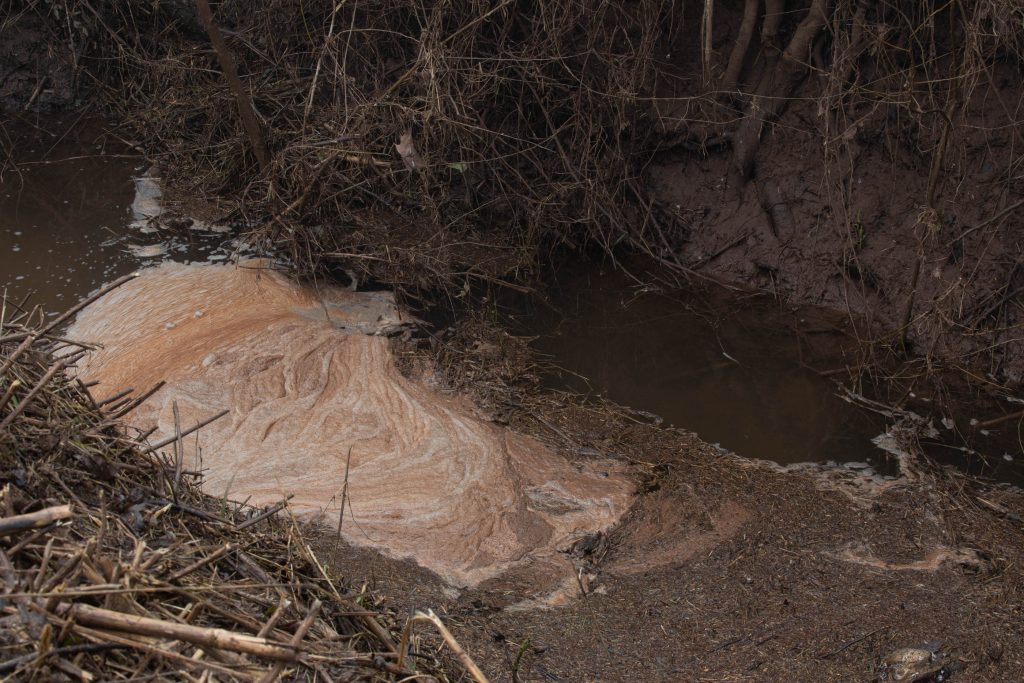
River pollution near the River Wye ©TillyHunter

So what are the parties offering? 

River Action’s Red–Amber–Green analysis against the asks set out in our Cymru Elections Manifesto shows a familiar pattern: some recognition of the problem; however, few parties have set out credible solutions.

On water system reform, most parties acknowledge that water companies should be held accountable but stop short of fundamental change. Labour’s proposed Clean Water Bill and new regulator are steps forward, while others focus on infrastructure and sewage discharges without addressing the system itself. Only Plaid Cymru and the Greens clearly challenge the current model and treat water as a public good.
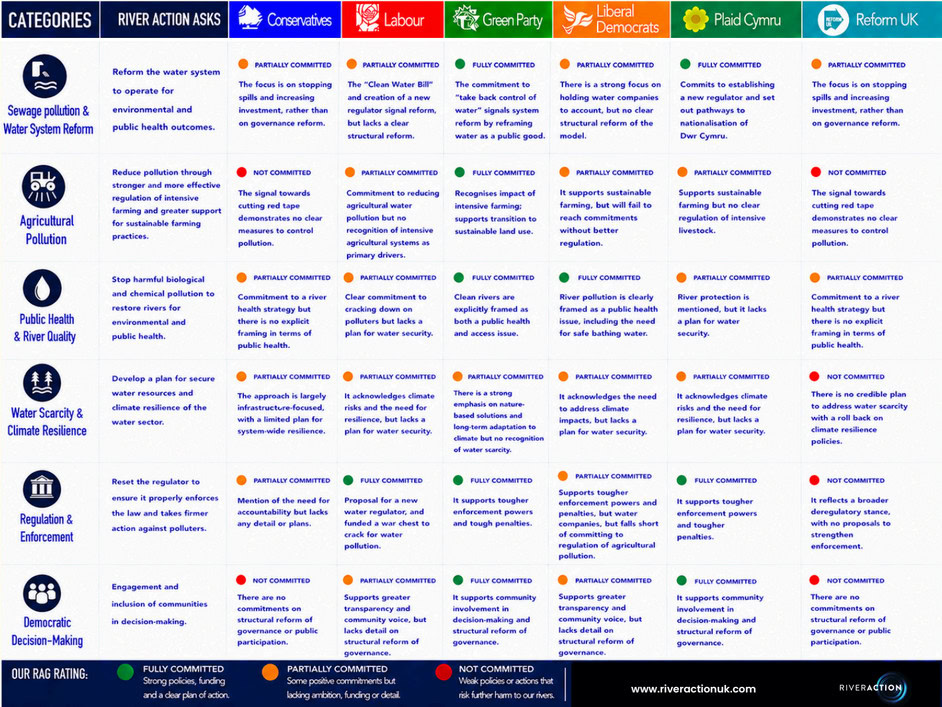
Senedd Elections 2026 – River Action’s RAG review for river pollution manifestos (Click image for full size)

Agriculture remains the biggest gap

Despite being a major source of river pollution, agricultural pollution is still politically under-addressed. In a bid to make lives easier for farmers by taking the approach of cutting red tape, Reform and the Conservatives will struggle to meet other commitments to clean up rivers.

Labour and the Liberal Democrats favour support and incentives over firm regulation, whereas Plaid Cymru takes the approach of replacing unfit regulations with something that is science-led and risk-appropriate. Only the Greens fully recognise the impact of intensive farming. The result is a clear mismatch between the scale of the problem and the strength of the response.
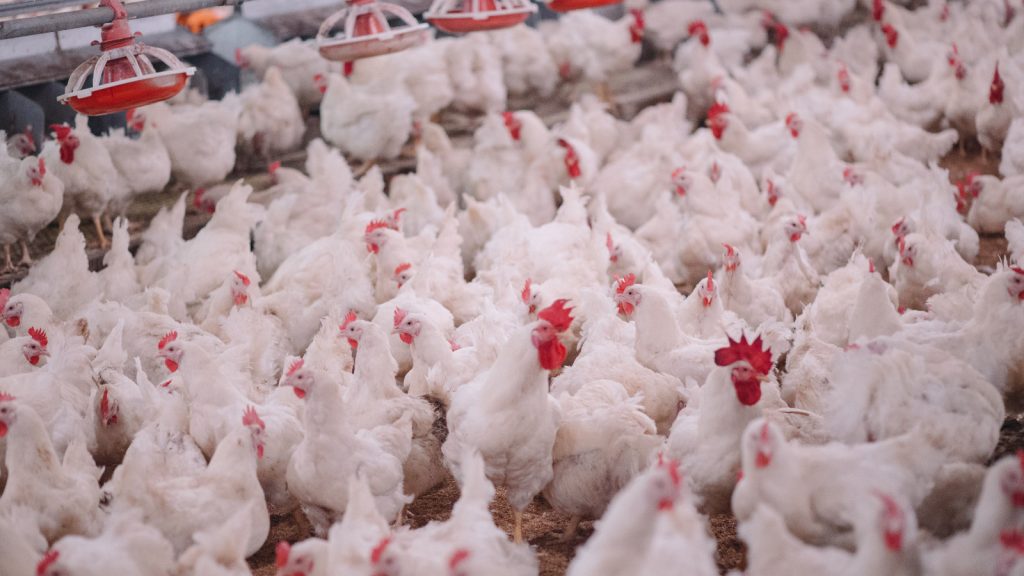
Intensive poultry units (IPUs) are commonplace in Wales and a major contributor to agricultural pollution.

Progress, but not enough to fix Wales’ rivers

There are some positive shifts. More parties are now framing river pollution as a public health issue, reflecting growing public concern. But stronger language is not the same as stronger policy. Without clear targets, monitoring and enforcement, many commitments risk falling short in practice.

Overall, the picture is one of partial progress but insufficient ambition. In a fragmented Senedd, that matters even more. Without clear commitments, river health risks being diluted in post-election negotiations.

This is why River Action is calling for a step change:

  • A water system that prioritises public and environmental health
  • Real action on agricultural pollution
  • Enforceable plans to restore rivers
  • A long-term approach to water resilience

These are not radical demands – they are the foundations required to get the system to work.

Can Farming Save the Cleddau? Lessons from the Pembrokeshire Pasture

By Chloe Peck, Senior Engagement Coordinator and Ellie Roxburgh, Policy and Advocacy Manager (River Action)

As we drove down to Pembrokeshire in early February, there was a feeling of hopefulness in the air, with the first bright yellow daffodils popping up along the verges and the sun reflecting off a wild, rough sea. A walk on a pebbly Welsh beach was certainly inviting, but we weren’t just there for the scenery. We were there to see if the ambitious goals of nutrient rebalancing and regenerative farming actually hold water when they meet the daily reality of a working dairy farm.

Cleddau Bridge, Pembrokeshire

A River Under Pressure

The Cleddau is at the heart of Pembrokeshire’s landscape, with the Eastern and Western Cleddau rivers flowing together into a deep-water estuary. It is a vital part of the area, but is currently facing significant pressure. Agricultural pollution remains one of the most significant pressures on rivers across the UK, and the Cleddau is no exception. Nutrient runoff from fertilisers and manure can enter these waterways, contributing to ecological damage and declining water quality.

We went specifically to speak about nutrient pollution in the catchment and how farmers are already making practical changes in farm management, alongside support from supply chains, to make a difference, as well as what more needs to be done. On the ground, this looks like a shift in how the land and herds are managed. Perhaps most importantly, we saw how “river-friendly” farming focuses on grazing management. By moving away from traditional intensive methods toward systems like conservation grazing, farmers can better protect the soil and the water that runs through it. 

Our trip was organised by Ric Cooper, the local linchpin and lead of The Cleddau Project. Ric is the kind of campaigner who is able to navigate complex nutrient data one minute, coordinate citizen science volunteers the next, and then talk practicalities with farmers. Because he is such a trusted local voice, he was able to introduce us to a wide variety of perspectives across the catchment.

From Indoor Housing to Open Pasture

Through Ric’s introductions, we met with local farmers Mike Smith and Andrew Rees to learn firsthand how they are implementing practical measures to reduce their environmental impact. Both are part of the First Milk cooperative, a British farmer-owned dairy co-op focused on regenerative, grazing-based systems. First Milk requires its members to provide at least 120 days of pasture access per year, advocating for grazing as a vital alternative to intensive indoor housing.

The benefits of this approach are rooted in the local nutrient cycle. In indoor systems, cows are often fed imported feed, rich in phosphates and nitrates that were grown elsewhere, sometimes even in another country. This introduces “new” nutrients into the local environment. In contrast, when cows graze on pasture, they are consuming nutrients already present in the local soil. This means that when the cows produce slurry, the nutrients within it are local to that specific area. By spreading this slurry back onto the same farmland, the nutrients remain balanced with the land rather than overwhelming it. This closed-loop system is essential for protecting our rivers from the nutrient runoff that leads to eutrophication – where excess nutrients cause algal blooms that choke the river of oxygen – damaging the ecology of the river.

This transition toward “river-friendly” farming isn’t limited to grazing alone. We discussed a variety of other approaches, such as improved nutrient management and more precise manure and fertiliser control, which can significantly reduce the risk of runoff into the Cleddau. At Moor Farm, Andrew has turned the traditional high-input model on its head by significantly reducing fertilisers and chemicals. He believes that these changes aren’t just an environmental “nice-to-have” lower inputs can actually maintain or even improve profit margins while restoring the health of the land.

Collaboration Across the Supply Chain

Ric also introduced us to Christopher and Emma at Puffin Produce, the largest supplier of Welsh fresh produce and partial owners of the Pembrokeshire Creamery. This dual role puts them in a unique position to influence both the fields and the dairies. They are leveraging the Landscape Enterprise Networks (LENs) to bridge the gap between commercial supply and environmental health.

Through this network, they co-fund nature-based solutions that are designed by the farmers themselves. It’s a bespoke approach: rather than a top-down mandate, it empowers each farm business to propose the specific regenerative practices that will best protect that local area’s unique geography.

The Big Picture: A Future for the Cleddau

As we left Pembrokeshire, it was clear that protecting rivers requires coordinated action across the entire food and farming system, from the farmers in the pasture to the cooperatives, retailers, regulators, and policymakers. Encouragingly, our conversations with leaders like Andrew Rees, Mike Smith, and the team at First Milk showed that many farmers are already working to be part of the solution.

However, scaling these efforts will require more than just environmental ambition. We learned that the transition to regenerative farming is often seen as a risk that takes several years to realise. To succeed, we must shift the frame, to show that “river-friendly” farming can be economically viable.

The commitment we saw from Puffin Produce, First Milk, and Ric Cooper’s citizen science network proves that when local trust and supply chain support align, real change is possible. Supporting and scaling these collective efforts will be essential to restoring and safeguarding the health of our rivers for future generations.

Privacy Overview

This website uses cookies so that we can provide you with the best user experience possible. Cookie information is stored in your browser and performs functions such as recognising you when you return to our website and helping our team to understand which sections of the website you find most interesting and useful.