River Action launches legal challenge, accusing NRW of “washing its hands” of intensive poultry pollution

Download PDF

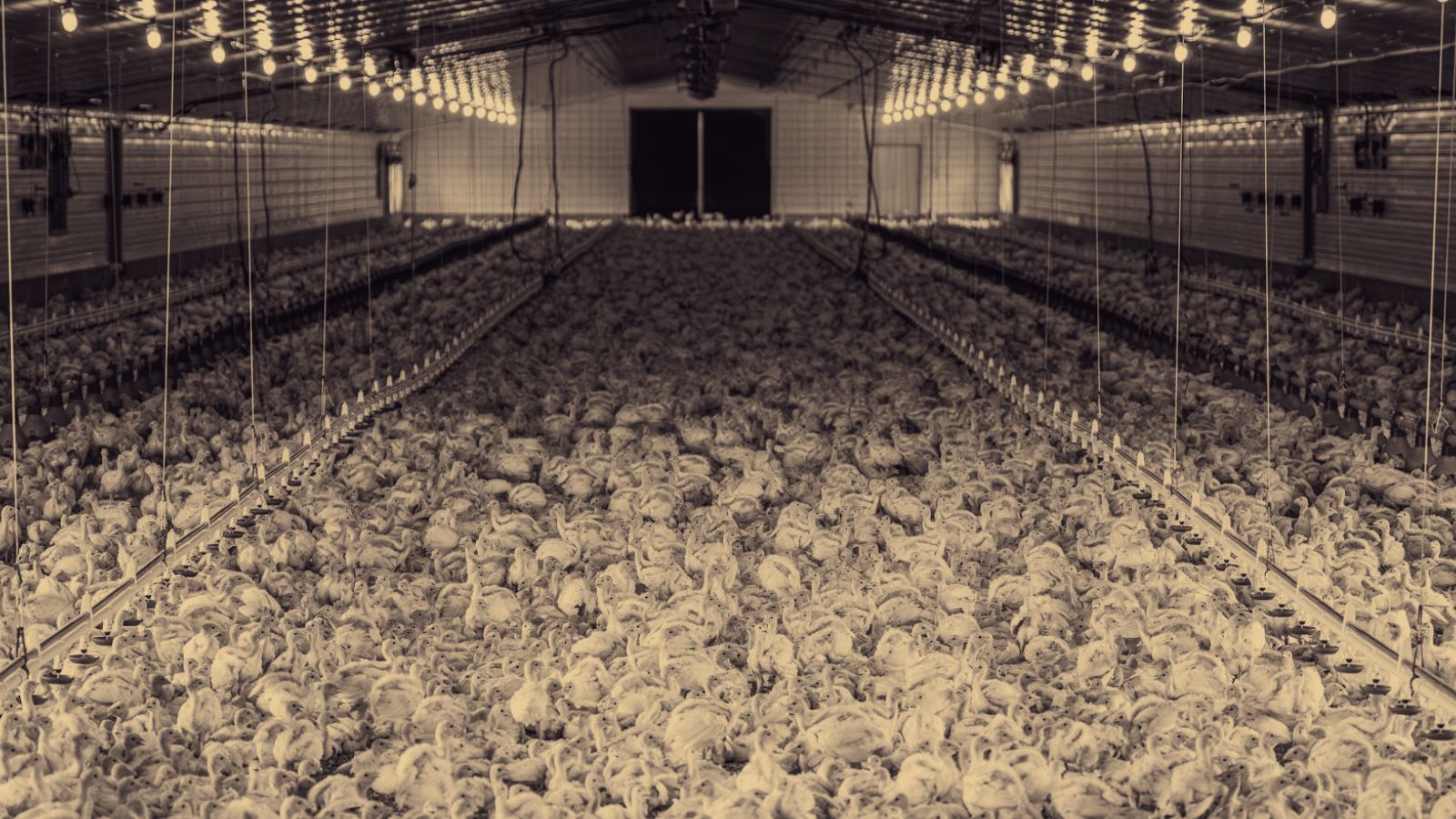
We have launched a judicial review challenging Natural Resources Wales (NRW)’ approval of three expanded poultry farms in Powys, accusing the regulator of “washing its hands” of manure pollution by taking an unlawfully narrow view of its powers.

The case focuses on whether NRW is properly using its role as environmental regulator to prevent pollution from intensive farming or whether responsibility is being passed to others while Welsh river catchments such as the Wye and the Severn continue to deteriorate. 

The legal challenge follows NRW’s decision in November 2025 to approve permit variations allowing three intensive poultry units to expand in Powys. In doing so, NRW proceeded on the basis that the environmental impacts of manure once it leaves the farm boundary fall outside permitting and should instead be addressed through the planning system, without first being satisfied that effective and enforceable pollution controls would actually be put in place elsewhere.  

We say NRW’s approach is a serious misunderstanding of the law, and that NRW misdirected itself by proceeding on the basis that it had no power under the Environmental Permitting Regulations 2016 to assess or regulate the off-site environmental impacts of manure, and so excluded those impacts from its permitting decisions altogether. We also say NRW has misinterpreted recent court judgments – including Squire v Shropshire Council, NFU v Herefordshire Council and Caffyn v Shropshire Council – to justify its position.  

We argue that, properly understood, the law requires NRW to assess and prevent potential pollution impacts that could arise if manure is exported off-site – rather than ruling them out or passing the buck. 

This case matters because environmental permitting is meant to prevent unacceptable pollution before it happens, and Parliament specifically entrusted NRW as Wales’ environmental regulator with making those decisions, rather than deferring responsibility on a mistaken understanding of its powers or assumptions about future planning controls. 

NRW’s sister regulator in England, the Environment Agency, accepts its responsibility for preventing and controlling potential water pollution through the permitting process. We believe there is “no rational basis” for NRW taking a narrower approach in Wales and not taking responsibility. 

If left unchallenged, NRW’s approach could create a significant regulatory gap. This could allow intensive poultry units, and potentially other industrial-scale agricultural operations, to expand without effective control of one of their most environmentally damaging consequences, even in protected and sensitive river catchments such as the Wye and Severn. 

Pollution from intensive poultry farming doesn’t stop at the farm boundary, and regulation can’t lawfully stop there either,” said River Action’s Head of Legal, Emma Dearnaley. “NRW has treated the boundary of the installation as the boundary of its regulatory responsibility, even though the environmental harm caused by excess manure occurs well beyond that line.”

Manure from intensive poultry farming is a major source of nutrient pollution in Welsh rivers, contributing to algal blooms, declining water quality and ecological damage in catchments including the Wye and the Severn. River Action says that environmental permitting is a vital tool to prevent this harm, particularly where planning controls are absent, delayed or ineffective. 

“NRW exists to prevent pollution, not to pass responsibility elsewhere,” Emma Dearnaley added. “If the regulator assumes someone else will deal with manure pollution without securing meaningful safeguards, rivers like the Wye and the Severn will continue to decline.”

After months of objections, correspondence and pre-action engagement, We are asking the court to declare that NRW’s interpretation of its powers was wrong, make clear NRW must lawfully assess and regulate manure-related impacts through environmental permitting where they are a consequence of the permitted activity, and quash the three Powys permit decisions. 

The case is about ensuring environmental regulation works as Parliament intended, preventing pollution before harm occurs rather than wrongly passing responsibility to others or reacting after damage has already been done to our rivers.

Leigh Day solicitor Julia Eriksen said, “NRW’s decision to vary existing environmental permits on three intensive poultry farms will enable thousands more chickens to be housed and produce significantly more manure. River Action argues that it is NRW’s job to guard against any resulting pollution impacts.

“River Action has already secured a court ruling that rules around agricultural pollution should be properly enforced, and hopes this claim for judicial review will make it clearer still what responsibilities NRW has in this area.”

Our Pre-Action Protocol letter to NRW can be read here. NRW’s response is here

You can read our Statement of Facts and Grounds in full here.

Red Tractor Misleads On Environmental Claims

Download PDF

Written by Amy Fairman, Head of Campaigns at River Action UK

Britain’s rivers are in terrible shape, and our biggest supermarkets are up to their necks in it. For years, retailers like Tesco and Asda alongside their agribusiness suppliers have relied on the cosy logo of Red Tractor, telling customers their food is “farmed with care… from field to store all our standards are met”. In late 2025, the Advertising Standards Authority (ASA) called time on this charade.

The regulator has ruled that Red Tractor, the UK’s largest farm assurance scheme, misled the public by suggesting its logo guarantees environmental protection. It doesn’t. The most recent Environment Agency data shows a staggering 19,000 breaches across 60% of inspected Red Tractor–certified farms between January 2020 and July 2025, exposing a systemic failure behind the label’s “environmentally friendly” claims.

This isn’t a marginal issue. It goes to the heart of how our food system operates, and how some of the biggest companies in Britain shield themselves from responsibility while rivers and lakes collapse under a deluge of pollution caused by intensive agricultural practices.

Take Tesco. Controlling nearly 30% of the supermarket sector, it is the single most powerful buyer of British farm produce. Its chicken and pork supply chains run through industrial-scale operators like Avara Foods and Moy Park. These are not quaint family farms but subsidiaries of US agribusiness giants Cargill and Pilgrim’s Pride. These companies have been linked to ecological crises such as the collapse of the River Wye and the ongoing algal disaster in Lough Neagh, the UK’s largest freshwater lake.

At a recent Sustainable Food Conference in London, River Action’s Head of Engagement asked Tesco CEO Ken Murphy why the company continued to stock Red Tractor products after the ASA upheld a greenwashing complaint against the scheme. His response was: “That’s an issue for Red Tractor.”

For years, supermarkets have pointed to the Red Tractor logo as their environmental shield. But that line has now been shredded. In a landmark ruling, the UK’s ASA concluded that Red Tractor’s environmental claims were misleading, finding that the advertising exaggerated the scheme’s standards and misled consumers. This is no longer just campaigners or scientists raising the alarm; it is an independent regulator confirming that the reassurance offered by the logo does not stack up. Any retailer still presenting Red Tractor as a marker of good environmental outcomes is not reassuring customers, but risking greenwash.

The data underpinning the ruling is stark. Between January 2020 and July 2025, 7,353 Environment Agency inspections of Red Tractor–certified farms found 4,353 breaches, meaning nearly 60% of farms failed to meet environmental rules. These were not trivial lapses.  Inspectors recorded 19,305 instances of non-compliance, including thousands of breaches intended to stop slurry and fertiliser entering rivers – pollution that fuels algal blooms, kills fish, damages ecosystems, and contaminates drinking water.

This is not just a story about dirty rivers. It is about a food system where the biggest players, multinational agribusinesses and the retailers who buy from them, use weak, industry-controlled assurance schemes to insulate themselves from scrutiny. Red Tractor is not a neutral standard-setter. It is designed by the very interests it is supposed to regulate. And guess who controls it? The majority of seats on Red Tractor’s governing council are held by the UK’s various National Farming Union bodies. Yes, the farming lobby actually controls its own product quality scheme.

Red Tractor’s defenders will say that criticising the scheme means attacking farmers. Let’s be clear, it does not. Many farmers care deeply about the land and waterways that sustain them and us all. They are being undercut by a system that rewards scale, intensification and cutting corners, while paying lip service to environmental protection.

As Martin Lines, CEO of the Nature Friendly Farming Network, has put it: “Consumers and farmers want real sustainability, not a sticker.”

Farmers who are genuinely improving soils, protecting rivers and reducing chemicals see little reward for their efforts. Supermarkets cannot claim ignorance. They have been told repeatedly about the links between their suppliers and river pollution. The Environment Agency rejected Red Tractor’s bid for “Earned Recognitions” precisely because it fails to meet good environmental standards. Yet retailers still rely on the logo as their shield.

This complicity matters because of their sheer market power. When supermarkets demand Red Tractor chicken, vast supply chains, from feed mills to slaughterhouses to contract farmers, are locked into a destructive model. This legitimises the industrial systems polluting our rivers. And when consumers challenge them, they point to the little tractor logo, as if that settles the matter.

The ASA ruling proves it doesn’t.

We now face a choice. Tesco, Asda, Aldi, Lidl, Morrisons and others can continue to sell food tainted with pollution, hiding behind a logo that regulators have called out as misleading on environmental performance. Or they can do the honest thing: demand genuinely high environmental standards from suppliers, pay farmers properly for producing food in ways that don’t wreck our rivers, and support the farming community’s transition to nature friendly farming.

This isn’t just about protecting wildlife or river users such as this nation’s army of wild swimmers. Though that should be enough. It is also about restoring trust in our food system. Consumers deserve to know that when they buy British, they are supporting farming that safeguards our countryside, not destroy it. Farmers deserve a level playing field that rewards those who do right by the land. And companies that profit from selling us food have a duty to ensure their supply chains comply with legal standards, both under the law and broader social responsibility.

For too long, Red Tractor has allowed agribusiness and retail giants to dodge that duty. Thanks to the ASA, the greenwash is now exposed. The question is whether the supermarket giants will finally face up to reality, or whether they will cling to a broken system until public trust collapses.

Britain’s rivers cannot wait. Neither can the farmers who are trying to do the right thing. The time for excuses is over. We hope that conversations like the one with Tesco’s CEO plant a seed and prompt supermarkets to take real responsibility for the food they choose to stock on their shelves.

The Government’s Water White Paper: The Good, the Bad and the Ugly

Download PDF

Written by Ellie Roxburgh, Policy and Advocacy Manager at River Action

This Government’s focus on reforming the water sector is welcome and timely. Recent failings by South East Water and Thames Water have demonstrated that water companies are defective on multiple fronts. The public is mobilised for change and the Government must go further than minor tweaks to the status quo. The current model of profit-driven privatisation has failed, evidenced by the polluted state of our rivers, exploitative ownership models and inadequate regulatory oversight in the water sector. The water pollution caused by agricultural practices, industrial waste and road run-off must also be urgently recognised and addressed. 

The time for change is now. We need a government that is bold in ambition and willing to implement reforms fast enough to deliver the measurable improvements needed to fulfil its election promise to clean up our rivers, lakes and seas.

So, what is a White Paper?

A White Paper is a government document that precedes legislation. It sets out what to expect in the upcoming King’s Speech when the parliamentary agenda is laid down by the King. This White Paper focuses largely on the recommendations made by Sir Jon Cunliffe’s Review of the water sector in 2025. Below, we’ve set out the good, the bad and the ugly of the government’s plans for water reform.

The Good

Tough, independent regulators: For too long, water companies have gotten away unscathed with polluting our rivers. Today’s announcements put some strength into the regulator, including no-notice powers for the regulator to check security and emergency preparedness, Performance Improvement Regimes for failing water companies, and a Chief Engineer to monitor infrastructure.

The government announced a consolidation of water industry regulators into one entity, with oversight of all sectors impacting the water environment. This new regulator will have public health and environmental protection as a key objective, alongside affordable bills, financial resilience of the water sector, and robust oversight of water companies’ infrastructure. This regulator must have enough teeth to hold water companies to account with penalties that stop them polluting. We need a regulatory system that enforces the law and, to do that it must be well-financed.

Democratic decision-making: The government has committed to introducing a regional water planning function by bringing together councils, water companies, farmers and developers, with double the funding for catchment partnerships. The cross-sectoral and target-driven characteristics of the new regional water planning function are welcome. However, while it is important that these actors have a seat at the table, there needs to be an independent authority that makes decisions based on the environmental health of the catchment and the public health of customers.

These authorities need to sit above water companies and other self-interested actors. They need powers to influence local planning authorities decisions over industrial planning applications and permit decisions, based on the ecological health of the river and surrounding habitats. Regional oversight should support a tiered approach to action on water pollution, whereby the most affected areas are prioritised as the focus of rapid action and enforcement (including Scientific Sites of Scientific Interest and chalk streams). This would enable the Secretary of State to enact Water Protection Zones and a potential moratorium on industrial livestock units in areas, such as the River Wye, that are experiencing significant nutrient loading from industrial agriculture.

A long-term water strategy: We are pleased to see the Government taking a long-term view of improving the water sector. However, decisions at local and regional levels must align with and enable the delivery of a national strategy for planning, financing, governing and regulating sewage treatment, water quality and supply to ensure a joined-up approach to securing water and clean rivers, lakes and seas. Measures and targets should be put in place to deliver on commitments within the Environmental Improvement Plan and Water Framework Directive across sectors and regions, to require all actors to contribute towards achieving national targets.

Abolition of self-monitoring: The government has committed to abolishing the self-monitoring of water companies. The White Paper has set out plans for the new regulator to have a Chief Engineer to monitor infrastructure, and for water companies to proactively report on infrastructure conditions. The test will be how regularly the regulators independently test the infrastructural quality and environmental impacts of water company operations.

The Bad

Limited scope on sewage sludge: While we welcome the Government’s commitment to consult on reforms on how sewage sludge use in agriculture is regulated and whether sludge should be included in the Environmental Permitting Regulations, meaningful action is needed that goes beyond end-of-pipe solutions. The Government should investigate whether legislation is needed to stop water companies from selling contaminated sludge to farmers, and as recommended by the Independent Water Commission, the Government must consider Extended Producer Responsibility for all of the contaminant producers across the supply chain.

Nothing new on agricultural water pollution: Agricultural water pollution is on a similar scale to water company pollution and the White Paper recognises this, estimating around 40% of river and groundwater pollution is due to agricultural practices. Yet agriculture has not had equivalent dedicated resources to identify and implement solutions to reduce environmental harm as the water sector. Consolidating agricultural water regulations is welcome, but we also need to see more funding for regulators, greater support for farmers to implement much-needed infrastructure, and a planning system that is empowered to decide when catchments have enough industrial farms. It is critical that environmental permitting is extended to industrial cattle and moves to do this must be swift.

The Ugly

Essential requirements instead of incentives: Today’s announcements start to embed public health and environmental protection in the water system with targets and objectives. Reform of the incentive framework to reward companies for delivering outcomes like public health, the environment and long-term resilience means these outcomes will continue to be seen as optional when they should be essential requirements of operating. 

Continued prioritisation of private interests: Regulation alone cannot fix a deeply privatised system that is designed to put profit first. The White Paper recognises some owners have prioritised “short-term profits over long-term resilience and the environment”. That is exactly why the ownership model must change. However, the White Paper still treats the profit-driven model as the default and focuses on constraining its worst excesses. The approach to ownership change is optional and company-led, which means it is very unlikely to happen. Most critically, the White Paper makes no commitment to a thorough, evidence-led review of alternative ownership models. We want to see a clear move toward public benefit models for water companies, not a slightly better managed private monopoly. A public benefit model would mean that water companies have legal duties to put public health and the environment first, profits and shareholder dividends are secondary, and short-term extraction is ruled out.

And what if water companies continue to fail financial and legal obligations?

New legal powers may be valuable, but the Government and regulator must use the extensive and powerful ones they already have. Performance Improvement Regimes are a step in the right direction, but the Special Administrative Regime has existed under the Water Industry Act 1991 for decades and must now be used by the Government and regulator. When a water company fails to meet its financial or legal obligations, as is unfortunately the case with more than one water company and with Thames Water being the clearest case for such an intervention. The commitment in the White Paper for water companies to establish plans for special administration is welcome, but transparency on when the regime will be triggered by the regulator and the Environment Secretary remains lacking.

Reforming the water environment requires bold and urgent action. We need to see the Government follow through on its reforms with greater ambition.

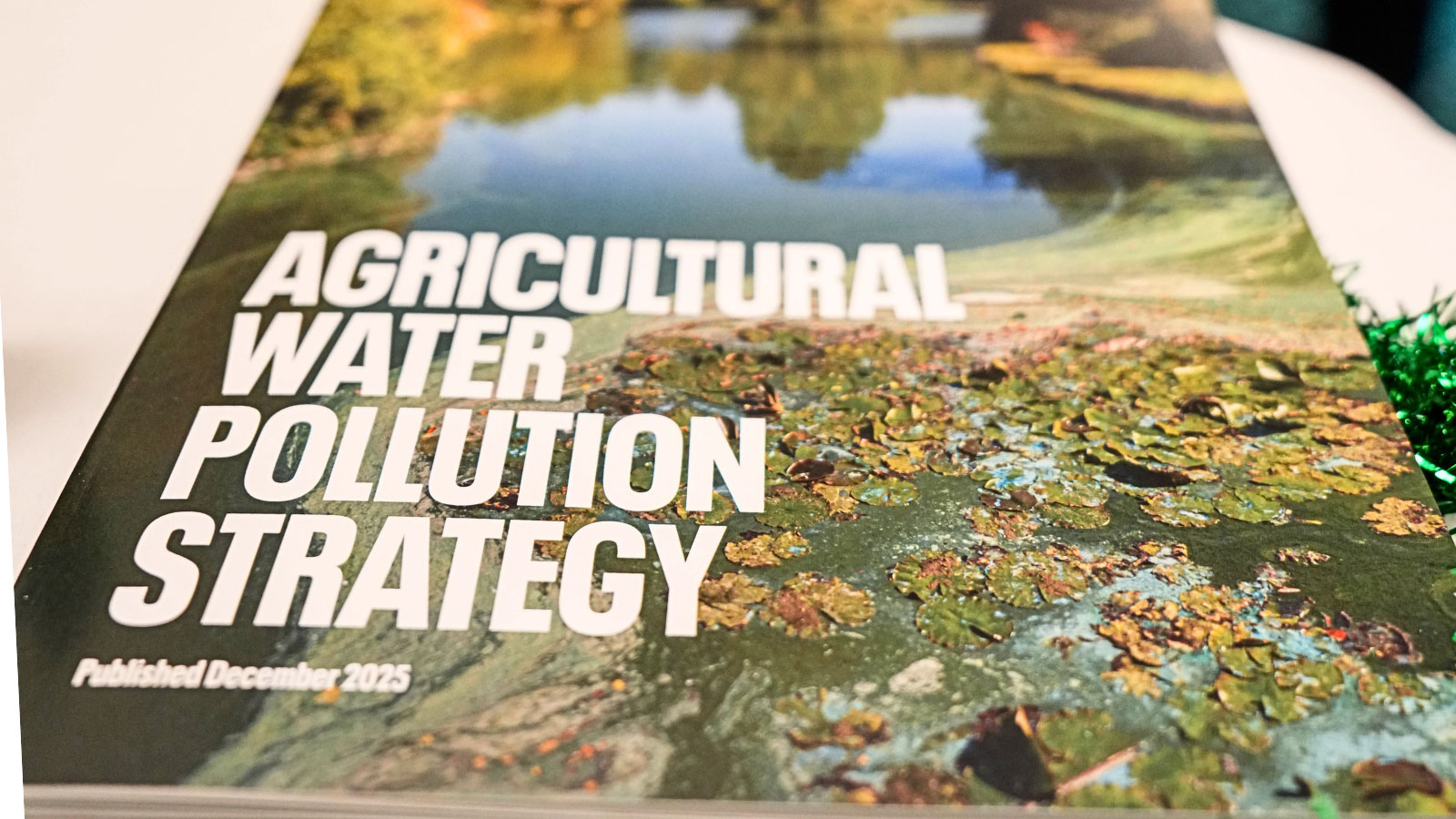
River Action launches new Agricultural Water Pollution Strategy

Download PDF

Cleaning up the UK’s river crisis was a key election commitment for this government, but current efforts risk falling short by focusing too narrowly on sewage. 

Despite popular claims that sewage is the leading cause of the UK river’s poor health, agriculture is the biggest culprit, affecting 45% of water bodies. This is primarily driven by nutrient and chemical pollution running off agricultural land. 

Nutrient pollution from fertiliser use – particularly nitrogen and phosphorus – drives eutrophication, harming ecosystems, contaminating drinking water and damaging coastal areas.

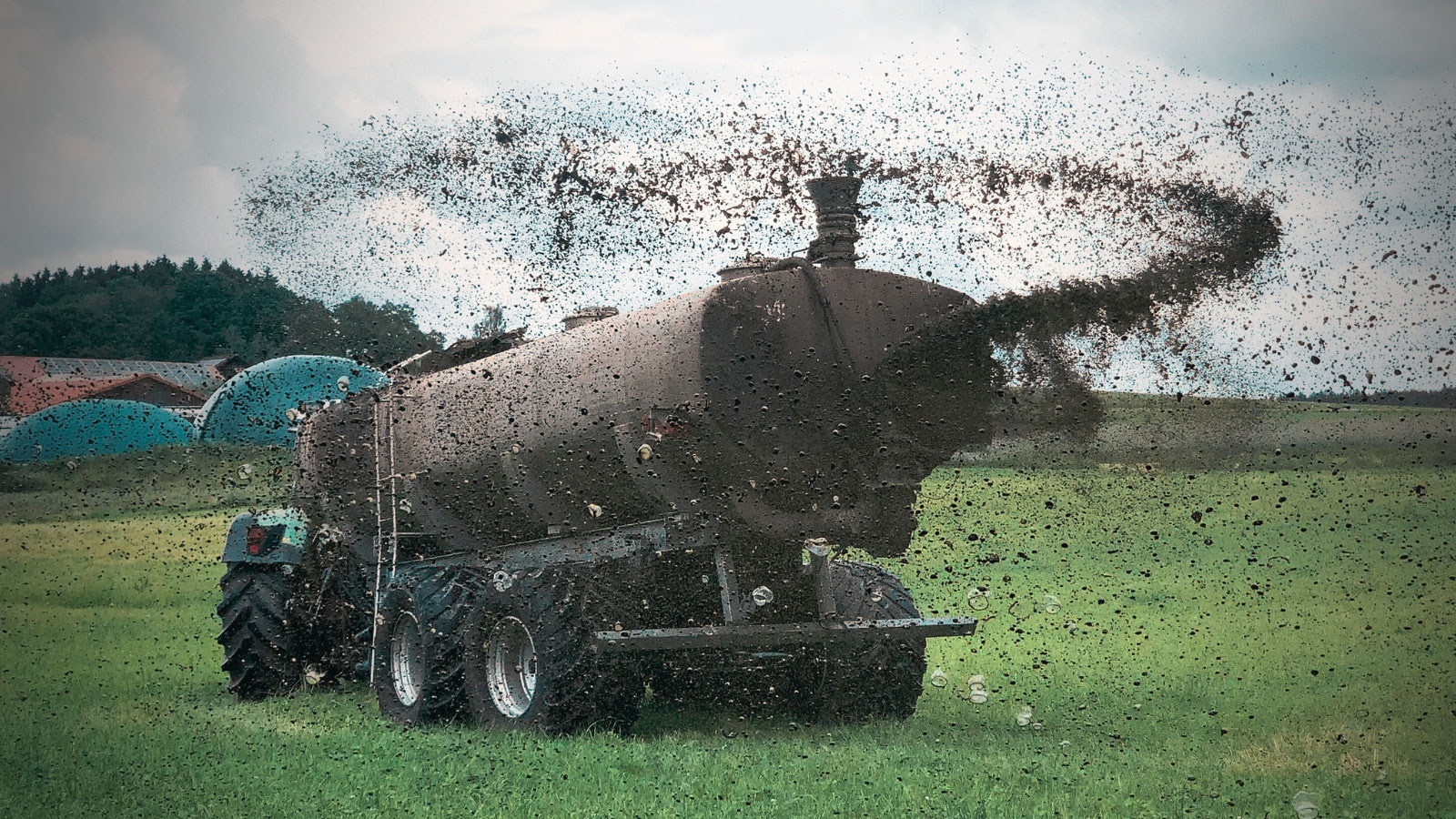
Synthetic fertiliser and livestock manure are the two primary drivers of nutrient pollution.


  • Synthetic fertilisers are used to boost crop yields beyond nature’s limits, but both the production and use come at an environmental cost. In the UK, the current nitrogen use efficiency of synthetic fertilisers is 55% for crop production, meaning about half of fertilisers are lost to the environment, and this drops to 6-37% for animal products, like dairy.
  • Livestock manure is a valuable nutrient resource that is recycled onto land to fertilise crops, providing an array of nutrients to soils. Its environmental impact is determined by its form, depending if animals are housed in slurry or straw based systems.


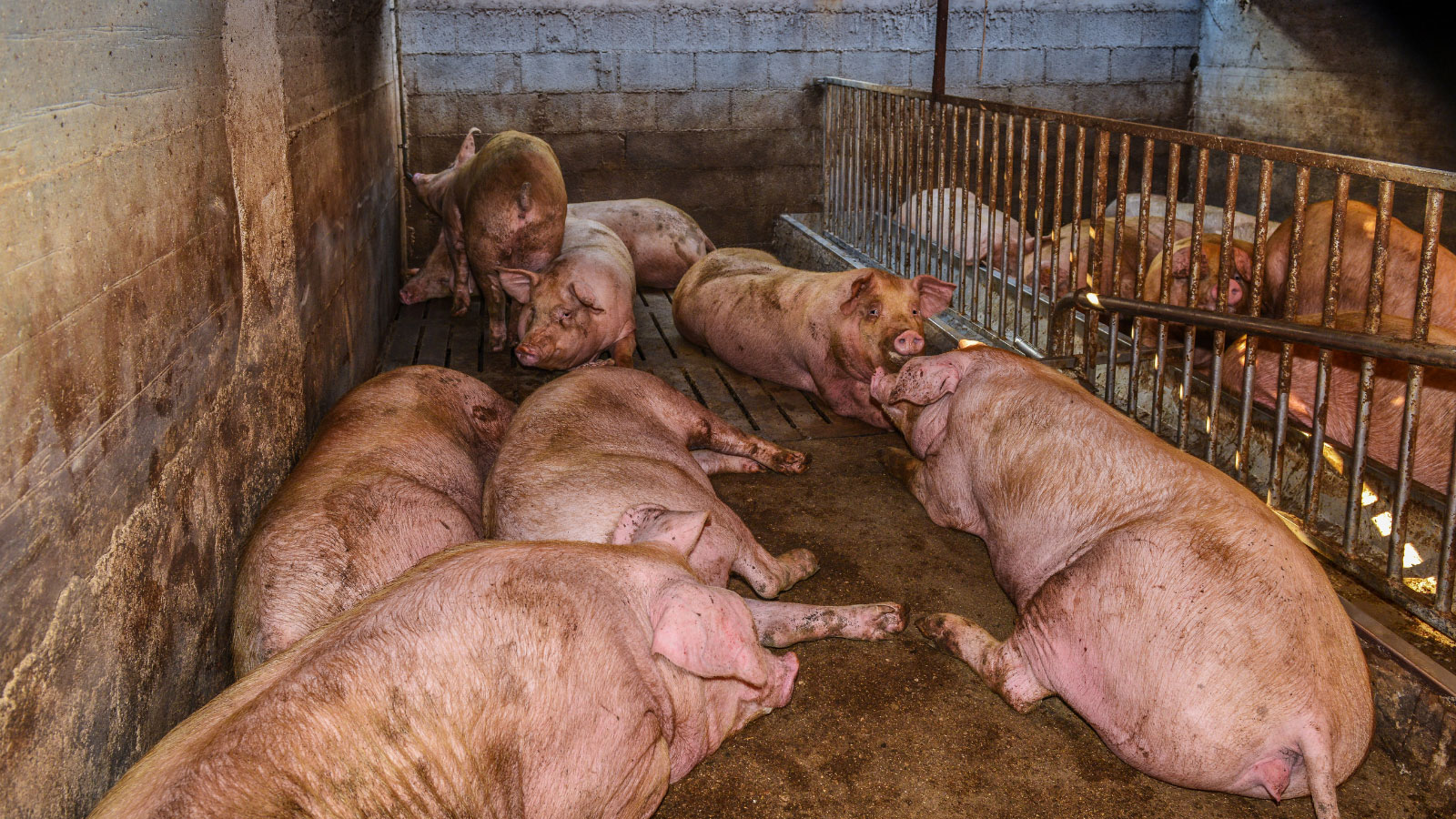
Nutrient pollution risk is directly related to the type of farming system. Industrial livestock farming systems are higher risk because animals are raised indoors – in confined spaces – and thus produce vast amounts of manure that has issues relating to storage and application. The rapid increase in industrial livestock units across England and Wales means slurry is produced in ever increasing quantities. These units rely on synthetic fertilisers to grow feed both in the UK and abroad, driving deforestation in biodiverse areas, with half of agricultural land used to grow feed for animals in these systems. High concentrations of phosphate and nitrogen in feed means the livestock manure is highly concentrated in these nutrients, and is thus a risk for environmental pollution.

There are a multitude of confounding reasons for such a large agricultural water pollution issue, including:


  • Poor enforcement of regulations at the mercy of reduced budgets
  • Piecemeal regulation with a multitude of inconsistent requirements of farmers
  • Ever intensifying agricultural livestock production, supported by synthetic fertilisers
  • Poor quality of slurry infrastructure due to financial constraints of small-scale and tenant farmers


Beyond nutrient pollution, sewage sludge is a fertiliser that is unprecedented in its impact, with alarm bells being raised by NGOs over the chemical contaminants present. Sewage sludge is an emerging source of pollutants, with evidence showing contamination with PFAS, microplastics and industrial chemicals. Water companies are paid by chemical producers to take their waste, which is mixed with wastewater before farmers are given the product to use as fertiliser. Typically, farmers are unaware of the contaminants and the potential fertility impacts of continuous use of sludge on soils, with over 3.5 million tonnes of sewage sludge is spread on agricultural land every year. 

Our recent survey found that 92% of people in the UK believe water companies should ensure sewage sludge on UK farmland is not contaminated; 88% support making water companies publicly report contamination levels in treated sewage sludge; 87% support increasing regulation on monitoring of treated sewage sludge.

To conclude, we have put together an Agricultural Water Pollution Strategy with seven recommendations that would help the government to tackle water pollution with the same ambition that has been shown to tackling the water sector crisis:


  • Proper and clear enforcement of anti-pollution regulations 
  • A well resourced and better trained Environment Agency 
  • Appropriate funding and updated planning guidance for slurry infrastructure 
  • Implement Sustainable Nutrient Management Plans overseen by a Defra Task Force 
  • Lower thresholds for Environmental Permitting Regulations and extend to beef and dairy 
  • Transition to a catchment-based approach to nutrient management, using regional water authorities 
  • Prevent toxic sewage sludge contaminating agricultural land


River Action’s Agricultural Water Pollution Strategy was formally launched in Parliament on 17 December 2025, hosted by Alistair Carmichael MP (Chair of the EFRA Committee) with speeches from Emma Hardy MP (Minister for Water) and Helen Browning OBE (CEO of the Soil Association).

The event brought together policymakers, regulators, farmers, scientists, and environmental campaigners to outline a credible, evidence-based roadmap for reducing agricultural pollution while supporting fair and sustainable farming. Speakers welcomed the strategy as a basis for concerned parties from the farming and environmental sectors to work with the government to identify a way forward. Helen called for better monitoring to assist regulators in identifying progress on farms, as well as more research into agricultural practices that work for both farmers and the environment.

92% of people in the UK say water companies must ensure sewage sludge on UK farmland is not contaminated.

Download PDF

A new YouGov/River Action poll reveals that three-fifths (61%) of UK respondents do not know that farmers commonly use sewage sludge from water companies, and 50% believe this practice carries risks for health and food quality.

The findings will be revealed as a petition calling for an end to the spreading of contaminated sewage sludge, signed by more than  62,800 people, is handed over outside DEFRA’s headquarters on Marsham Street, London, at 10:05am on 16 December.

The petition will be delivered to the Minister for Water and Flooding, Emma Hardy, by River Action and Greenpeace, urging immediate government action.

Water companies are selling this toxic sludge to farmers, putting rivers and human health at risk and leaving farmers concerned about the impact on their soil and water. The government must act immediately to stop contaminated sewage sludge being spread on farmland and support farmers in producing safe food while protecting our rivers.

Treated sewage sludge is sold as a cheap fertiliser, but water companies are not required to remove PFAS “forever chemicals,” microplastics, or other modern contaminants, because legislation governing sludge treatment was drafted in the 1980s — long before these pollutants existed. The sludge is now spread widely across farmland, draining into rivers already under severe pressure.


Key public findings from the YouGov survey


  • 92% say water companies should either have a great deal of responsibility (79%) or a fair amount of responsibility (13%) when it comes to ensuring that sewage sludge that will be used on UK farmland is not contaminated.     
  • 89% say the government should have a great deal (59%) or a fair amount of responsibility (30%) when it comes to ensuring that sewage sludge that will be used on UK farmland is not contaminated 
  • 88% support requiring water companies to report publicly on levels of contamination in treated sewage sludge
  • 87% support Increasing regulation on monitoring of treated sewage sludge for contaminants
  • 87% support requiring water companies to conduct further treatment to remove contaminants including forever chemicals and microplastics from sewage sludge
  • 85% support setting legal limits on levels of contaminants in treated sewage sludge spread on UK farmland
  • 47% support banning the spread of treated sewage sludge on UK farmland
  • 62% see a risk from using treated sewage sludge on farmland to water health, around 50% see risks to food quality and personal health
  • 39% think water companies should find a different way of disposing of treated sewage sludge, even if this means water bills are more expensive


Findings from River Action’s farmers survey*


Alongside the national polling, River Action surveyed 105 farmers across the UK to understand how sewage sludge contamination is affecting those who buy and use it on their land.

Although the sample is very modest relative to the size of the UK farming sector,  the results show a striking level of awareness: 83% of respondents recognised the risk of  contamination in biosolids.. 

Concern is widespread. Seventy-two per cent said they were worried about the impact of contaminated biosolids on water health, with almost 40% describing themselves as very or extremely worried.

A similar picture emerges for soil health, with 69% of farmers worried about the application of contaminated biosolids with 41%  describing themselves as very or extremely worried. 

The findings point to clear demand for stronger safeguards.  Farmers expressed strong support for:

  • Better treatment to remove contaminants (76%) 
  • Public reporting on contamination levels (58%)
  • Legal limits set on contaminants (56%) 
  • Tighter regulation on monitoring contaminants  (53%)


CEO of the Nature Friendly Farming Network Martin Lines said, “These findings show just how worried farmers are about the contamination of sewage sludge. And who can blame them? They’re already under huge pressure from supply chains chasing ever-higher profit margins, while water companies are offering cut-price or even free sludge that turns out to be contaminated. 

“Farmers should not be the ones carrying the blame for a problem they didn’t create. This is a mess for the water companies and government to fix, not the people producing our food. Farmers want to do the right thing for their soil, their customers and their rivers, but they need a system that doesn’t set them up to fail.”

Farmer John Hall from County Durham said, “Water companies expect farmers to pay for the privilege of taking their waste, insisting that sewage sludge is a ‘valuable fertiliser’. In any other sector, waste producers cover the cost of safe disposal. But when the ban on dumping sludge at sea came in, water authorities and the Environment Agency simply assumed farmers would pick up the tab and take this supposedly valuable product off their hands.”

A southern Scotland farmer, who wishes to remain anonymous, told River Action, “Having used biosolids in the past, I became increasingly concerned that a natural by-product was becoming laced with household chemicals and industrial wastes, often described as forever chemicals because they break down so slowly in the soil.

“The ongoing accumulation of these substances will damage soil life, be absorbed by food crops, and eventually enter the wider water environment. These materials are more harmful than other inputs applied to the soil.” 

River Action’s Head of Campaigns Amy Fairman said, “Farmers do not want to be dumping contaminated sludge on their land. Water companies are selling sludge laced with forever chemicals and microplastics, and the public is rightly concerned. Human health and our rivers are at risk, and the government must act immediately.”

Hugh Fearnley-Whittingstall added, “People are rightly worried about forever chemicals, microplastics, and other contaminants entering our rivers, soil, and food. Much of it is coming from “toxic sludge” which, astonishingly, is being given to farmers to spread on their land without telling them what’s in it.  Urgent action is clearly needed from both water companies and the government to stop this pollution, support our farmers and food producers, and protect the environment.”


River Action’s Agricultural Water Pollution Strategy


River Action will launch its Agricultural Water Pollution Strategy on 17 December at the Palace of Westminster. The strategy was developed with farmers, food producers, supermarkets, and major fast-food chains to create practical solutions for sustainable farming while restoring river health.

Seven-point plan for clean rivers and fair farming:

  1. Enforce the law properly – Create a single compliance framework requiring the Environment Agency to act when voluntary approaches fail.
  2. Resource the regulators – Ringfence fines to fund training, farmer support, and monitoring tools like satellite imaging and citizen science data.
  3. Fix failing slurry infrastructure – Redirect agricultural subsidy funds to urgently upgrade unsafe or outdated storage systems.
  4. Mandate sustainable nutrient management plans – Prevent over-concentration of intensive livestock farms, improve manure handling, and expand circular-economy manure trading schemes.
  5. Establish regional water authorities – Create catchment-based bodies with powers to coordinate nutrient reduction and implement Water Protection Zones.
  6. Smarter planning and data use – Integrate environmental, farm, and planning data to streamline compliance and remove barriers to essential farm upgrades.
  7. Modernise sludge regulation – Bring sewage sludge under Environmental Permitting Regulations, with legal limits for forever chemicals, microplastics, and other contaminants.


Notes to Editors

  • All figures, unless otherwise stated, are from YouGov Plc. The total sample size was 2,150 adults. Fieldwork was undertaken between 2-3 December 2025. The survey was carried out online. The figures have been weighted and are representative of all UK adults. 
  • The complete YouGov poll dataset is included in full so you can see the numbers behind the headline findings.
  • River Action undertook its own survey of the farming community between 19th November – 10th December. The survey was carried out online and received 105 responses. The finding can be found here.
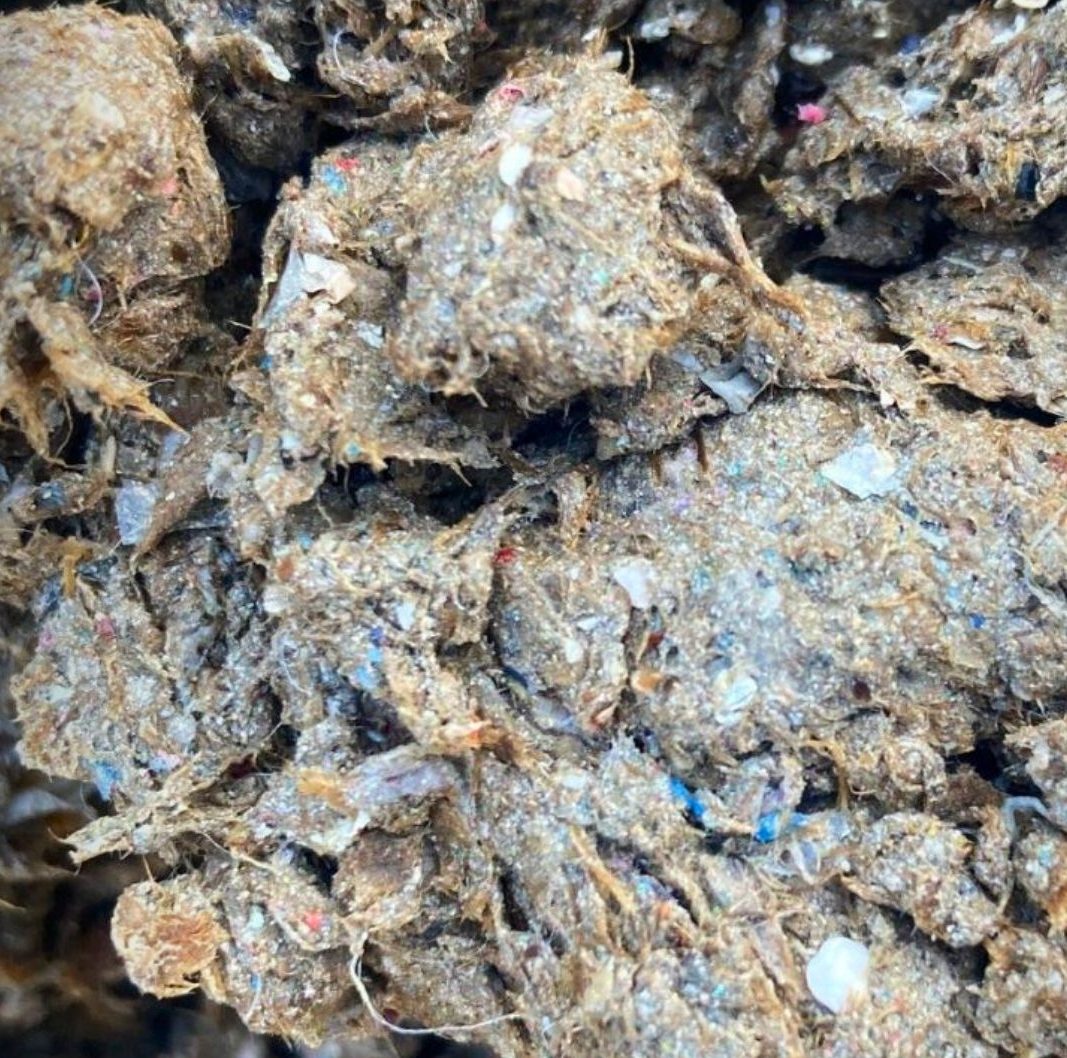
  • Media can download images of contaminated sewage sludge here. If used, please credit: Fighting Dirty
  • Members of the media are invited to attend the launch of River Action’s Agricultural Water Pollution Strategy, Hosted by Alistair Carmichael on 17 December at 1pm in Dining Room A, Palace of Westminster. Keynote address will be given by Minister Hardy. Register interest at: media@riveractionuk.com

ASA ruling exposes Red Tractor as greenwash – River Action demands supermarkets act

Download PDF

New figures reveal staggering 19,000 breaches across 60% of inspected Red Tractor farms, exposing systemic failure behind the label’s “environmentally friendly” claims

River Action is calling on leading supermarket retailers including Tesco and Asda to stop relying on Red Tractor for environmental certification. The scheme has been exposed for serious environmental greenwashing in an Advertising Standards Authority (ASA) ruling.

Having filed the complaint in April 2023, the case is thought to be one of the longest investigations in ASA history.


ASA ruling: Red Tractor environmental claims ‘misleading’

The ASA has today upheld a complaint by River Action’s Chair and Founder, Charles Watson, ruling that Red Tractor – the UK’s largest farming assurance scheme – misled the public about its environmental standards and exaggerated the benefits of Red Tractor endorsement.

River Action challenged advertising for the Red Tractor scheme because of its concerns that environmental standards relating to pollution on Red Tractor farms were not being met – including the claim “When the Red Tractor’s there, your food’s farmed with care… from field to store all our standards are met”.

During its investigation, the ASA considered extensive evidence and arguments put forward by Red Tractor including that it was not an environmental certification mark specifically so “did not seek to replicate environmental law or even cover all aspects of pollution risks by farms”.

The ASA concluded that the evidence provided by Red Tractor to demonstrate compliance with basic legislative standards and a good environmental outcome was insufficient to substantiate the claim which “farmed with care… all our standards are met” conveyed to consumers. The advert breached BCAP Code rules 3.1, 3.2 (Misleading advertising), 3.9 (Substantiation) and 3.12 (Exaggeration).


 

Evidence of non-compliance and pollution

Red Tractor’s marketing claimed its farms take “a preventative approach to protect the environment”, citing reduced pesticide use, strict pollution controls, and rigorous soil management.

However, as part of its ASA complaint, River Action presented damning evidence – supported by Environment Agency (EA) data (2014 – 2019) – that Red Tractor farms are routinely linked to serious environmental harm:

  • Red Tractor farms were responsible for most agricultural pollution incidents in England over a five-year period.
  • 62% of the most serious pollution events (Categories 1 & 2) involved Red Tractor-certified farms.
  • Certified farms had worse compliance rates than non-certified farms (26% vs 19%).
  • In a North Devon case study (2016–2022), 87% of Red Tractor farms inspected by the EA were in breach of environmental rules.         

The EA rejected Red Tractor’s bid for “Earned Recognition” due to its failure to meet minimum environmental standards.

But more than two years on, River Action can now reveal – through Environmental Information Requests – that serious pollution and regulatory failures persist on Red Tractor–certified farms. The data covers the period January 2020 and July 2025 and reveals the following:

  • 7,353 Environment Agency officer inspections of farms claiming Red Tractor status
  • Alarmingly, 4,353 of these inspections (nearly 60%) identified at least one breach of environmental regulations.
  • A staggering 19,305 instances of non-compliance were recorded across failing Red Tractor assured farms.
  • Cattle farming accounted for just over 25% of non-compliance, with 13.2% from beef farms and 12.4% from dairy farms.
  •  1,373 follow-up inspections were required to address non-compliance.
  • Even when actions were completed by deadlines, a substantial number of farms still failed to meet environmental standards, with only 4,657 actions recorded as completed on time. 
  • This demonstrates that membership of the Red Tractor scheme does not guarantee compliance with environmental regulations.


Supermarkets: up your standards

River Action is now warning major supermarkets that by using Red Tractor to reassure customers they are buying food produced to basic environmental standards they risk complicity in misleading advertising, while pollution of the UK’s rivers continues.

Given their enormous market share and purchasing power, supermarket retailers wield significant influence over UK food supply chains and therefore have the opportunity to drive rapid action to address the environmental harm caused by the industry. 

For example, Tesco dominates the supermarket sector with nearly 30% of the market (28.1%), sourcing vast quantities of Red Tractor meat and poultry through suppliers such as Moy Park and Avara Foods.

According to a recent news report, Moy Park has been implicated in the devastating environmental catastrophe at Northern Ireland’s Lough Neagh, where recurring summer blooms of toxic blue-green algae threaten both wildlife and the health of the lake. 

Similarly, Avara Foods, owned by US agribusiness Cargill and linked to the ecological collapse of the River Wye, boasts on its corporate website: “You can trust that we do things ethically; all of our chicken is Red Tractor approved.”


Other major retailers in the frame

Tesco are not alone. River Action is also calling on Aldi, Lidl, Morrisons, Asda, and others to stop relying on Red Tractor as a mark of environmental standards and protection:

  • Asda – 11.9% market share; told Farming UK: “We continue to source all our other fresh primal chicken from UK Red Tractor Assured farms.” Its website states, “The Red Tractor badge is a standard of excellence….It’s about producing the best possible product in an environmentally friendly and sustainable manner.”  
  • Aldi – 10.9% market share; major buyer of Red Tractor products and states that…you can trust the products you buy when you see the Red Tractor logo…..Red Tractor….(covers) animal welfare, food safety, traceability and environmental protection. Food and drink bearing the Red Tractor logo has been produced responsibly to some of the most comprehensive and respected standards in the world.”
  • Morrisons – 8.4% market share; states that “100% of the fresh pork, beef, lamb, poultry, milk and cheddar cheese we sell in our stores comes from farms certified by Red Tractor, or an approved equivalent scheme, giving customers assurance on food safety, hygiene, animal welfare standards and environmental protection.”
  • Lidl – 8.1% market share;  publically state that “we work closely with Red Tractor to ensure that our British meat, poultry, fruit and veg is responsibly sourced to strict food hygiene, animal welfare and environmental standards.
  • Sainsbury’s, once a Red Tractor buyer, has already distanced itself from the scheme. In 2014, then-CEO Justin King called it “the refuge of scoundrels” and criticised it for setting a “low bar that frankly anybody could use.”


What Tesco says

Celebrating 25 years of Red Tractor, Natalie Smith, Tesco Head of Agriculture, said last month: We’re proud to support British agriculture and the thousands of farmers and producers who provide us with quality, affordable, sustainable products year-round. Certification schemes play a key role in providing reassurance for customers, and over the past 25 years, Red Tractor has established itself as a mark of quality, standing for food safety standards, animal welfare and environmental protection.

“We recognise there is still more to do, and it’s essential we continue to work in partnership with Red Tractor to improve standards, and take quick action to drive forward change, strengthening the farming industry for generations to come.”

The Tesco website proudly states, “We require the majority of our meat, dairy, fruit and vegetable products produced in the UK to meet the Red Tractor standard, or an appropriate equivalent. The Red Tractor standards ensure that the production of these products does not have an adverse impact on the environment. For example, pesticides and fertilisers must be applied and stored in ways that minimise pollution of soil and groundwater; it also provides extensive guidance on manure management.”


River Action responds

Chair and founder of River Action Charles Watson said, “Red Tractor farms are polluting the UK’s rivers, and consumers trying to make environmentally responsible choices have been misled. This ASA ruling confirms what we’ve long argued: Red Tractor’s claims aren’t just misleading – they provide cover for farms breaking the law. The time has now come for our major food retailers to lay out credible plans as to how they will move away from this busted flush of a certification scheme and support farmers whose working practices are genuinely sustainable.

“Supermarkets and their suppliers now face serious reputational risk if they hide behind Red Tractor greenwash. By selling products linked to pollution, they deceive customers, undermine trust, and fail in their duty to ensure supply chains obey the law.”


Consumers want confidence, not greenwashing

River Action says that supermarkets need to use assurance schemes that give consumers genuine confidence that the products they buy are not linked to lawbreaking or environmental harm. At present, Red Tractor fails to provide this. An assurance scheme should be meaningful. Supermarkets already have credible models in place for fresh produce, so the same rigorous standards should be applied to livestock.

River Action has written to all the major supermarkets, calling on them to:

  • Publicly acknowledge the ASA ruling and findings by informing their customers of the misleading labelling and committing to driving change both within farming and food standards and within food certification.
  • Publish a clear and transparent roadmap showing how they will certify the environmental standards of all their food produce – including eggs, poultry, dairy, and fresh produce. This roadmap should set out rigorous environmental requirements, be backed by independent inspections, and ensure full public reporting, so customers can see and trust the standards behind the food they buy.


Red Tractor’s own data shows that its logo appears on approximately £18bn worth of food sold annually, meaning this greenwash reaches deep into Britain’s shopping baskets. Jim Moseley, Red Tractor’s CEO, has also boasted that consumer trust in the scheme is tracking at 74%.

Martin Lines, CEO of the Nature Friendly Farming Network, added: “Consumers and farmers want real sustainability, not a sticker. They want confidence that the British produce they buy does not harm the environment or our rivers. 

“Supermarkets and fast-food chains hiding behind Red Tractor need to sort out their suppliers or face low consumer confidence and difficult questions about the environmental violations in their supply chains that are damaging our rivers. Farmers committed to nature-friendly practices must be properly rewarded, or the system will continue to incentivise damaging methods”

Hugh Fearnley-Whittingstall said, “As someone who will always support farmers who work positively with nature, protect the environment and feed the nation, I am deeply concerned by the ASA’s ruling exposing Red Tractor’s persistent greenwashing. For years, consumers have trusted the logo as a sign of environmentally responsible farming, yet the evidence shows widespread environmental breaches that are causing ongoing pollution all over the UK. 

“Supermarkets should not hide behind environmental certification that fails both the planet and honest producers. They have enormous influence and must use it to drive genuine progress that benefits the environment.  That means paying farmers properly for sustainable practices, supporting nature-friendly food production, and leading the way in either rigorously reforming or, if necessary,  completely dropping Red Tractor as a mark of environmental standards.

“Customers deserve more than misleading labels. They deserve assurance that their food supports farming that regenerates soils, protects wildlife, and respects the environment. It is time for supermarkets to step up, take responsibility, and make sustainability a real priority, not a fake one.”

River Action’s complaint to the ASA was prepared with the expert support of Leigh Day solicitors — Ricardo Gama, Carol Day, Julia Eriksen and Lily Hartley-Matthews — together with counsel Tom de la Mare KC and George Molyneaux of Blackstone Chambers. Their advice and representation were instrumental in securing this ruling.

Leigh Day partner Ricardo Gama, who represents River Action, said, “After a two and half year investigation, River Action is delighted that the ASA has finally ruled that Red Tractor was likely to mislead consumers when claiming that its certification scheme ensures high environmental standards. 

“The length of time of the investigation was a result of the contested nature of the case, with both River Action and Red Tractor arguing tooth and nail for their positions. This should set a precedent for other advertisers, including those in the food industry, that misinformation will not be tolerated.”


Consumers: demand better

River Action is urging the public to pressure supermarket retailers into telling their customers the truth about Red Tractor-labelled produce.

Support the campaign: Tell your supermarket to expose Red Tractor
If you shop at these supermarkets, tell them to clean up their supply chains and stop profiting from environmental harm. For more information and to find out how you can support the campaign, visit www.upyourstandards.riveractionuk.com.


Notes to Editor
The source for supermarket market share figures is a Kantar article published on 24 June 2025, which you can read here.

An assessment carried out by the Environment Agency (EA) in 2020, revealed that between 2014 – 2019 Red Tractor-assured farms were responsible for the majority of instances of agricultural pollution over a five-year period. The assessment revealed that of a total 4,064 pollution incidents RT farms were responsible for 62% of category 1 and 2 incidents and 56% of category 3 incidents. Significantly, the report concluded that RT farms were less compliant (26%) with EA inspections compared to non-RT farms (19%). As a result of this assessment, a request by Red Tractor for its assured farms to benefit from EA “Preferred Status” was denied.

When we received the data from the Environment Agency, they advised that many farms include more than one livestock or crop type. As a result, category totals may not add up precisely to the overall inspection figure.

Our research indicates that we could not find any ASA case that took longer to resolve than our complaint against Red Tractor. On its website, the ASA notes that, “A small number of our most complex cases can take six months or more to complete if, for instance, we need to appoint independent experts to help us assess evidence.”

At a webinar in April 2024, Red Tractor CEO Jim Moseley told the Tenant Farmers Association that the Red Tractor logo features on £18 billion worth of food sold each year. He also claimed that public trust in the Red Tractor scheme stands at 74% (watch from around 9 minutes 31 seconds).

ASA ruling of 15 October 2025:

  • River Action challenged a 2023 advert for Assured Food Standards’ Red Tractor Scheme because of its concerns that environmental standards relating to pollution on Red Tractor farms were not being met. 
  • The ASA considered extensive evidence and arguments put forward by Red Tractor, including its own claims that environmental protection was not its primary focus and that RT was not an environmental certification mark specifically so “did not seek to replicate environmental law or even cover all aspects of pollution risks by farms”. 
  • The ASA assessed how the notional average consumer, who was reasonably well-informed and reasonably observant and circumspect, was likely to view the ad. This included the claim “When the Red Tractor’s there, your food’s farmed with care… from field to store all our standards are met”, highlighting the use of Red Tractor labelling across all aspects of food production and farming. The ASA considered that at least some consumers would expect that, in giving assurances about high standards of farming and food production, Red Tractor’s standards would include measures to manage and mitigate environmental risk that arose through farming practices. The ASA also considered that consumers would expect that such standards incorporated compliance with or reflected at least basic legal requirements concerning food safety, animal welfare and environmental protection, and that measures were in place to help produce a high standard and quality of food (in line with the objectives of the Red Tractor scheme, which included environmental measures, as explained on Red Tractor’s website).
  • In reaching its decision, the ASA looked at Environment Agency (EA) reports and data which showed “around half of RT farms being not fully compliant” and led the EA to conclude “The evidence gathered through this project indicates that Red Tractor membership is not currently an indicator of good environmental performance”.
  • The ASA concluded that the evidence provided by Red Tractor to demonstrate compliance with basic legislative standards and a good environmental outcome was insufficient to substantiate the claim which “farmed with care… all our standards are met” conveyed to consumers. 
  • The advert therefore breached BCAP Code rules 3.1, 3.2 (Misleading advertising), 3.9 (Substantiation) and 3.12 (Exaggeration).
The Wildlife Trusts Report: More Proof Our Rivers Need Urgent Action

Download PDF

A Call for River-Friendly Farming: Why We Can’t Ignore Factory Farm Pollution

Today, The Wildlife Trusts released a powerful new report exposing the devastating environmental toll of the UK’s intensive pig and poultry industry. For those of us fighting to protect our rivers, its findings come as no surprise – but they provide yet more hard evidence of the scale of damage being caused by factory farming.

At River Action, we welcome this report wholeheartedly. Communities along the Wye, Severn and Kennet have long been raising the alarm about nutrient pollution from intensive farming. This report adds weight to their voices, strengthening the case for urgent change.


Why enforcement matters

The “Farming Rules for Water” already exist to stop pollution – but they remain largely unenforced. Without real accountability, factory farm pollution continues unchecked, leaving rivers overloaded with nutrients and communities paying the price. If the government is serious about protecting nature and rebuilding trust, it must enforce the law while helping farmers make the shift towards more sustainable practices.


River Action’s fight against factory farm pollution – Timeline

We have has taken major legal steps to hold polluters and the authorities enabling them to account:

Taken together, these legal battles underscore a simple truth: without urgent action to rein in the industrial farming model, our rivers and the wildlife that depend on them will continue to pay the price.


What’s next?

The evidence is overwhelming. The law is clear. And communities are demanding change. Now the government must act – ensuring regulations are enforced and farmers are supported in transitioning to sustainable, river-friendly farming practices.

Because nothing less than meaningful reform will do.

Plans for 32,000-bird “Megafarm” on the River Kennet Rejected

Download PDF

Berkshire factory farm plans rejected in win for river campaigners


A major win for river campaigners has been secured in Berkshire. Plans for a 32,000-bird egg production unit near Marsh Benham, close to the River Kennet, have been rejected following strong objections from local residents, environmental groups, and anglers led by Action for the River Kennet.

A major win for river campaigners has been secured in Berkshire. Plans for a 32,000-bird egg production unit near Marsh Benham, close to the River Kennet, have been rejected following strong objections from local residents, environmental groups, and anglers led by Action for the River Kennet.

The proposed development would have been sited on the banks of one of the world’s rare chalk streams – the River Kennet, a designated Site of Special Scientific Interest.


Why was the application turned down?

The application was turned down based on the harmful effects from groundwater pollution and surface water runoff that could result from the development, particularly through increased phosphorus and nitrogen deposition. These risks had not been adequately avoided, mitigated, or compensated, with insufficient information provided to justify otherwise.


Community-led resistance


The objection was spearheaded by Action for the River Kennet (ARK) and the Angling Trust, with support from River Action. Together, they argued that the risks to the river had not been properly addressed or mitigated.

Local resident Kate Jones, who objected to the application said:

“We are a small community who have come together to fight this, and we want to encourage others that it can be done. We are incredibly pleased and relieved it has been refused. The River Kennet is safe from such developments for now, though West Berkshire Council have left the door open for SRSL to resubmit. We would also like to thank everybody who has lent their support to our campaign, including River Action.”


A turning tide against factory farming


This decision follows our successful legal case against Shropshire Council, where the High Court overturned approval for a 200,000-bird intensive poultry unit near Shrewsbury in the River Severn catchment. That ruling was described as a “national precedent” and “a pivotal moment in the movement against factory farming in the UK.”

Our CEO and local resident James Wallace added:

“I learned to swim and fish in the River Kennet. This decision sends a strong message: communities will not allow our rivers to continue to be the dumping ground for industrial-scale agriculture. The rejection of this damaging proposal is a victory for rivers, wildlife, and the united voices of concerned local residents, and further evidence that the days of factory farms wrecking our waterways may be numbered.”

The Angling Trust also objected to the application. Martin Salter, lifelong Kennet angler and Head of Policy at the Angling Trust said:

“We told the Sutton’s Estate back in March that the game is up and they should withdraw their irresponsible application to locate a polluting poultry unit on the edge of the Kennet floodplain and just a few hundred metres from a highly protected SSSI, but they didn’t listen. It’s been a long hard campaign but I’m so pleased that common sense has finally prevailed and those of us who love and cherish Berkshire’s most famous chalkstream can breathe a sigh of relief.”


Why is this important for our rivers?


We have consistently warned of the devastating impacts of intensive livestock units on the health of Britain’s rivers. Phosphorus and nitrogen pollution from such sites is a leading cause of algal blooms, oxygen depletion, and widespread ecological damage. Stopping megafarms proposals like the one on the Kennet is integral to protecting the health of our rivers.

Our CEO adds:

“This is an important step forward, we must now accelerate the transition to farming practices that support farmers to work with nature, not against it. Communities are speaking out, decision-makers are listening, and the era of industrial river-wrecking factory farms is drawing to a close.”


Fightback against factory farms: New toolkit to empower communities


As the fightback against industrial-scale factory farms that wreck our rivers gathers pace, we have launched a new Planning Toolkit. This resource is designed to empower individuals and community groups to object to developments that may threaten their local waterways. Be sure to check it out!

Campaign Win! New DEFRA guidance a win for our rivers

Download PDF

DEFRA has issued stronger guidance on Farming Rules for Water. The change means that manure can now only be spread when crops actually need it – not at times it can just run off and pollute our river. After years of campaigning and legal pressure, we welcome this significant step forward that provides stronger protection for England’s rivers from agricultural pollution.

The stream of events:

June 2022 – Manure and fertiliser overuse is killing our rivers

In 2022 WWF and ClientEarth launched a legal complaint to the UK’s environmental watchdog the Office for Environmental Protection (OEP). The complaint was related to DEFRA’s guidance with regard to the overuse of manure and fertiliser which floods our rivers with nitrates and phosphates, fuelling algal blooms that choke ecosystems and suffocate wildlife.

May 2024 – Farming practice must change

As a result of our legal challenge against the Environment Agency (EA), the High Court ruled that farming practices must change to comply with the Farming Rules for Water – a response to the EA’s failure to prevent pollution in the River Wye and other threatened waterways. As a result of this legal action, Defra committed to reviewing its guidance.

June 2025 – New Farming Rules for Water

In June 2025, DEFRA released revised statutory guidance ‘Enforcing the Farming Rules for Water’. While this was a welcome step, it fell short in two key areas:

1) Autumn manure spreading: It didn’t go far enough to clarify the rules around autumn manure spreading – a practice often linked to river pollution.

2) A lack of clarity around enforcement thresholds: I.e. How are the rules actually going to be enforced.

In particular, some farming commentators wrongly interpreted the guidance to mean that autumn spreading could still go ahead as usual. However, The High Court ruling in River Action’s legal case demonstrated that it is unlikely to be compliant with the Farming Rules for Water unless it’s in exceptional and specific circumstances. The new guidance failed to set this out.

July 2025 – Closing the loophole

To address these issues, we wrote to DEFRA to seek urgent clarification. We’re pleased to say DEFRA listened. On 16 July, DEFRA issued additional new guidance to farmers called ‘How to comply with the Farming Rules for Water’. This new guidance made it explicit that manure must only be applied when it meets crop or soil need at the time of application – a critical clarification that closes a dangerous loophole and brings guidance in line with the law.

If accompanied by robust enforcement and clear advice for farmers, this should lead to much stronger compliance and significantly reduce agricultural pollution across England’s rivers. We’re grateful to DEFRA for taking these vital steps forward to rescue our rivers. We’ll continue pushing for the protections our rivers so urgently need.

Fowl play: why this huge chicken farm has no place by the River Kennet

Download PDF
By Janet Coleman, River Kennet Campaigner

Seriously clucked off

As local residents lucky enough to live in Berkshire’s beautiful Kennet Valley we are seriously clucked off by the recent planning application from the landowner – the Sutton’s Estate – to locate a 32,000 bird intensive poultry unit at Bradfords Farm in a field designated AONB (National Landscape), on the edge of the floodplain just 200 metres from the River Kennet, SSSI. It beggars belief that Sir Richard Sutton Limited, a large commercial concern owning luxury hotels in London, and approximately 16,000 acres of land in UK, together with land in Ohio, US, couldn’t find somewhere more appropriate to locate their potentially polluting chicken factory.

We live very close to this site where we enjoy walking by the river and watching the abundant wildlife.  The thought that this treasured river, already under stress, will be put at further risk is completely unacceptable. Fortunately our campaign to fight off this threat to our environment and the potential damage to the River Kennet, one of only 200 chalk streams in the world, has prompted welcome and highly effective support from anglers, wildlife enthusiasts and organisations whose mission it is to care about our endangered environment. 


The River Kennet in Newbury © Steve Daniels

The game changer

Initially the objectors numbered a few dozen local residents but once we reached out to the likes of River Action and the Angling Trust the campaign really began to motor. Local angling clubs such as Newbury AA and Reading & District mobilised their members to the extent that there are now 232 formal objections. The Angling Trust made representations to both the Environment Agency and Natural England who have sent in comprehensive lists of concerns with the EA now escalating theirs to a formal objection. This, we feel, really could be a ‘game changer’.

We asked the applicants to a public meeting at which we were grateful to have the articulate support of James Wallace from River Action, Anna Forbes from Action for the River Kennel (ARK) – our local River Trust, Martin Salter (Head of Policy, Angling Trust) and various locals with knowledge of planning, avian flu and law.  It seemed to us that the applicant’s representatives were very ill prepared and unable to answer many questions. Fish Legal and Solicitors Leigh Day have also given valuable advice.


The case

Our case is simply this – 
  • We support responsible farming but this poultry unit on the proposed site would be an environmental disaster for the river.
  • Massive egg production units like this should be nowhere near any river and this applicant has plenty of environmentally more suitable land.
  • The only reasons given for the applicant selecting this field is its proximity to the farm manager’s house and convenient supply of electricity!
  • If permitted, the precedent will be set and all the other fields along the Kennet Valley owned by the applicant will have units for 32,000 chickens.  When asked this particular question the applicant’s representatives were unable to guarantee that this would be the only one.
  • The applicants have recently submitted a wholly inadequate Manure Management Plan.  They rely on their “circular farming” system which, in simple terms, means collecting waste from the unit, transporting it to another of their nearby farms for storage and then spreading it on land where they grow the grain to feed the chickens. This toxic waste has been legally classified as “industrial waste” and must be treated as such.
  • Hard evidence from the terminal decline of famous rivers such as the River Wye and Severn demonstrates that, far from being custodians of the land, many farmers cannot be trusted to look after habitats and water courses.


The LPA cannot allow this abomination

At the start of this campaign we felt everything was a struggle and that we were up against an applicant with sufficiently deep pockets that every point we raised would just be given to an expensive consultant for response. Fortunately the expensive consultant’s various reports were so inadequate that even we lay people could see there really was no justifiable reason for this poultry unit in this location, so close to the river.

Clearly the Environment Agency – rather better qualified than us to judge – found their reports more than inadequate and has formally objected in strong terms.  We are not there yet but with the EA’s support, and hopefully that of Natural England too, the local planning authority (LPA) surely cannot allow this abomination.

Privacy Overview

This website uses cookies so that we can provide you with the best user experience possible. Cookie information is stored in your browser and performs functions such as recognising you when you return to our website and helping our team to understand which sections of the website you find most interesting and useful.