Yes, the hot weather’s lovely… but we’re sleepwalking into crisis
By James Wallace, CEO at River Action UK
As the nation swelters in record-breaking temperatures, England is sleepwalking into a water crisis.
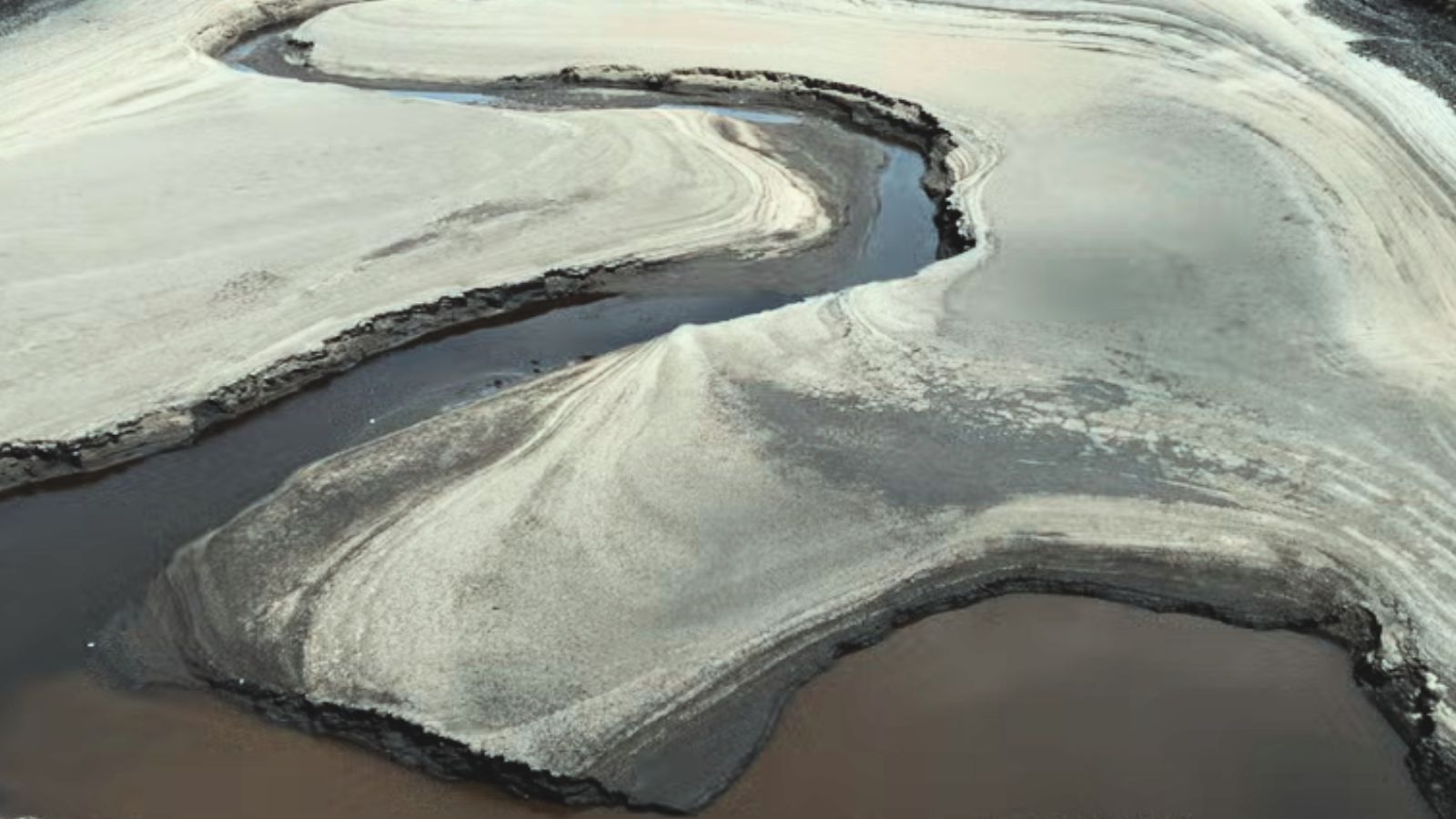
Across large parts of the country we are experiencing abnormally warm weather. Rainfall has been scarce for months and, when it has come, it has often fallen onto baked, hardened ground unable to absorb it. Rivers are already running low. Wetlands are drying. Aquifers are under pressure before summer has even properly begun.
Last week’s House of Lords report, Surviving drought: reclaim the rain, should have been a national wake-up call. Instead, it barely registered in public debate.
It ought to have landed like a fire alarm.
The report is devastating in its conclusions. England faces a projected daily water shortfall of five billion litres by 2055. Climate change is bringing hotter summers, more erratic rainfall and longer dry spells. Our water infrastructure is leaking, outdated and unprepared. Rivers and ecosystems are already being pushed beyond their limits by chronic over-abstraction.
Yet perhaps the most damning finding is this: Britain is not actually short of rain.
We are short of political imagination, investment and leadership.
The Lords committee makes clear that rainfall has increased overall since 1970. The problem is that rain now falls in intense bursts, rushing off compacted land, overwhelmed drainage systems and denuded catchments before disappearing out to sea. We have systematically destroyed the natural systems that once held water in the landscape.
We drained wetlands. Straightened rivers. Degraded peatlands. Cleared floodplains. Built over and degraded soils. Treated rivers as industrial plumbing systems rather than living ecosystems.
Now we are paying the price.
Healthy rivers are not a luxury. They are our lifeblood; literally the arteries of our land and our nation’s life-support system. When rivers run low, water temperatures rise, oxygen levels collapse and ecosystems begin to suffocate. Fish die. Algal blooms spread fueled by nutrient pollution from sewage and industrial agriculture. Wildlife disappears. Communities lose places of beauty, recreation and resilience. Businesses, schools, hospitals, our whole economy suffers. Crops fail.
And while households are told to use hosepipes less, the deeper structural failures remain untouched.
Water companies continue to leak enormous volumes of treated water every day, wasting an estimated 3 billion litres in the process. Regulators remain fragmented and reactive. New developments are approved in water-stressed regions without credible long-term supply planning, while loos continue to flush drinking water, which is ludicrous. Industrial demand from data centres and energy infrastructure is accelerating while many rivers are already ecologically exhausted.
The Lords report is particularly important because it finally acknowledges something river campaigners have been saying for years: this is not simply a drought problem. It is a river and water management problem.
England’s rivers are being forced to absorb the consequences of decades of failed policy.
Extraordinary as it may seem, our nation does not have a national strategy for tackling the water scarcity emergency.
The solution cannot simply be more reservoirs and emergency restrictions. We need a fundamental shift in how we manage water and land. That means restoring wetlands, reconnecting floodplains, recharging chalk aquifers, rebuilding healthy soils, reinstating ponds, reintroducing beavers and stopping the relentless over-abstraction and wastage by industry, agriculture and water companies that leaves rivers vulnerable before drought is even officially declared.
We must start treating rainwater as something precious to harvest, store and work with, not something to flush away to the sea as quickly as possible. Our land must be re-wetted and become a sponge again.
The terrifying truth is that what we are seeing now may still be the mild version of the future. The report warns that under higher warming scenarios drought risk could rise dramatically. England could face more frequent and more severe water shortages while also swinging violently between drought and flood.
This is climate breakdown in real time.
The question is no longer whether the crisis is coming. It is already here.
The question is whether the Government, regulators and the water industry are finally prepared to act before our rivers collapse further and water scarcity becomes a defining feature of life in England.
The Lords have sounded the alarm.
Now ministers must decide whether to confront this crisis or preside over its collapse.
We need an urgent budgeted national action plan to save our freshwater.
We need to reclaim the rain.