It’s time our supermarkets expose Red Tractor’s greenwash and up their standards

By Charles Watson, Founder and Chairman of River Action UK

Britain’s rivers are in terrible shape, and our biggest supermarkets are up to their necks in it. For years, retailers like Tesco and Asda alongside their agribusiness suppliers have hidden behind the cosy logo of Red Tractor, telling customers their food is “farmed with care… from field to store all our standards are met”. This week the Advertising Standards Authority (ASA) called time on this charade.

The regulator has ruled that Red Tractor, the UK’s largest farm assurance scheme, misled the public by suggesting its logo guarantees strong environmental protection. It doesn’t. And today we reveal that the most recent Environment Agency data shows a staggering 19,000 breaches across 60% of Red Tractor–certified farms between January 2020 and July 2025, exposing a systemic failure behind the label’s “environmentally friendly” claims.

This isn’t a marginal issue. It goes to the heart of how our food system operates, and how some of the biggest companies in Britain shield themselves from responsibility while rivers and lakes collapse under a deluge of pollution caused by intensive agricultural practices.

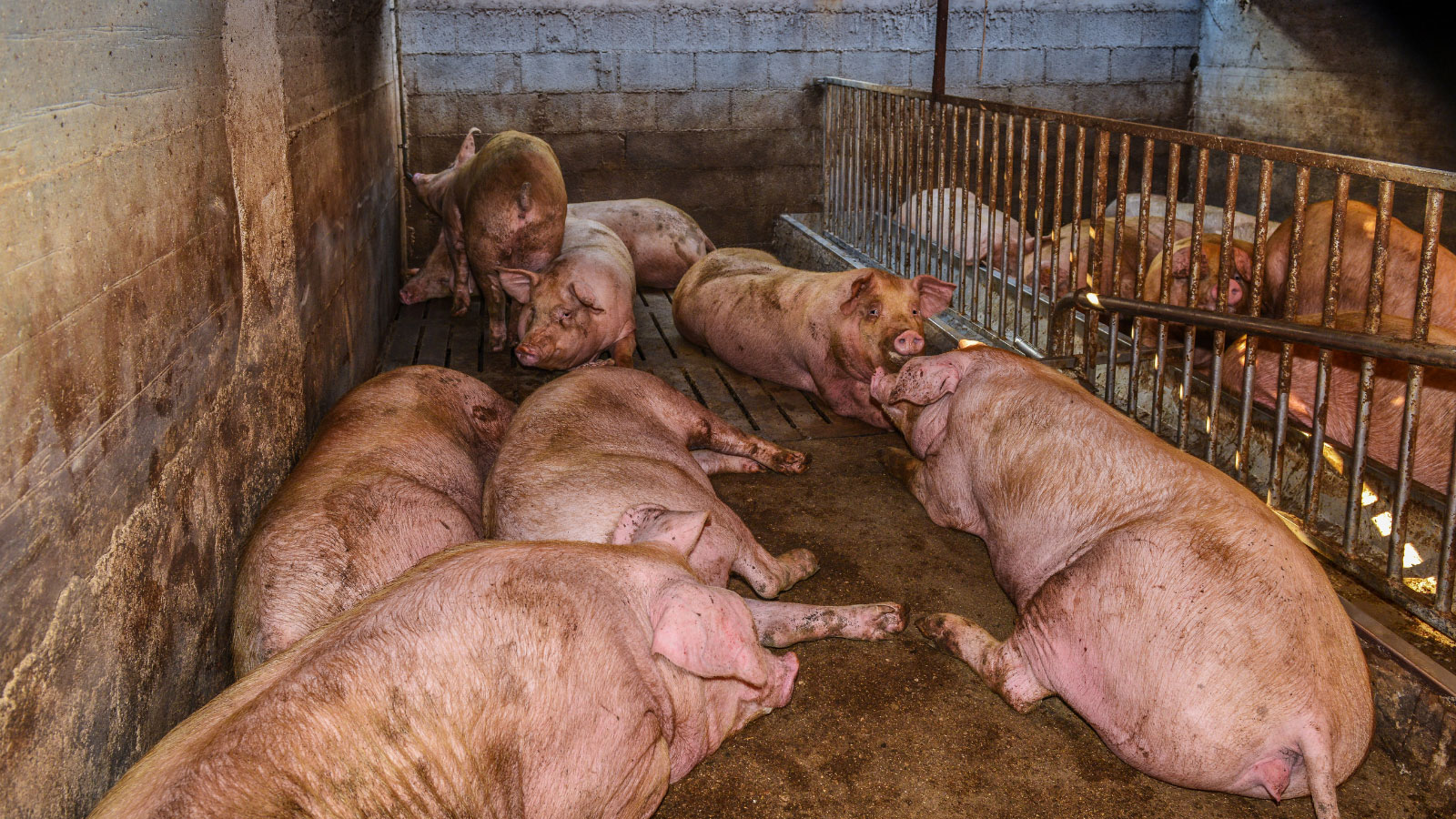
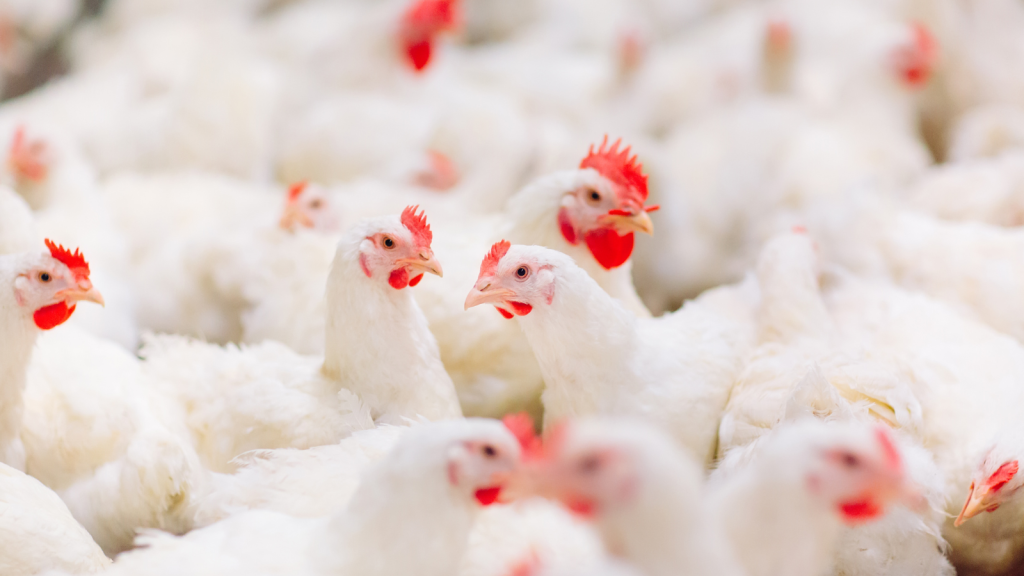
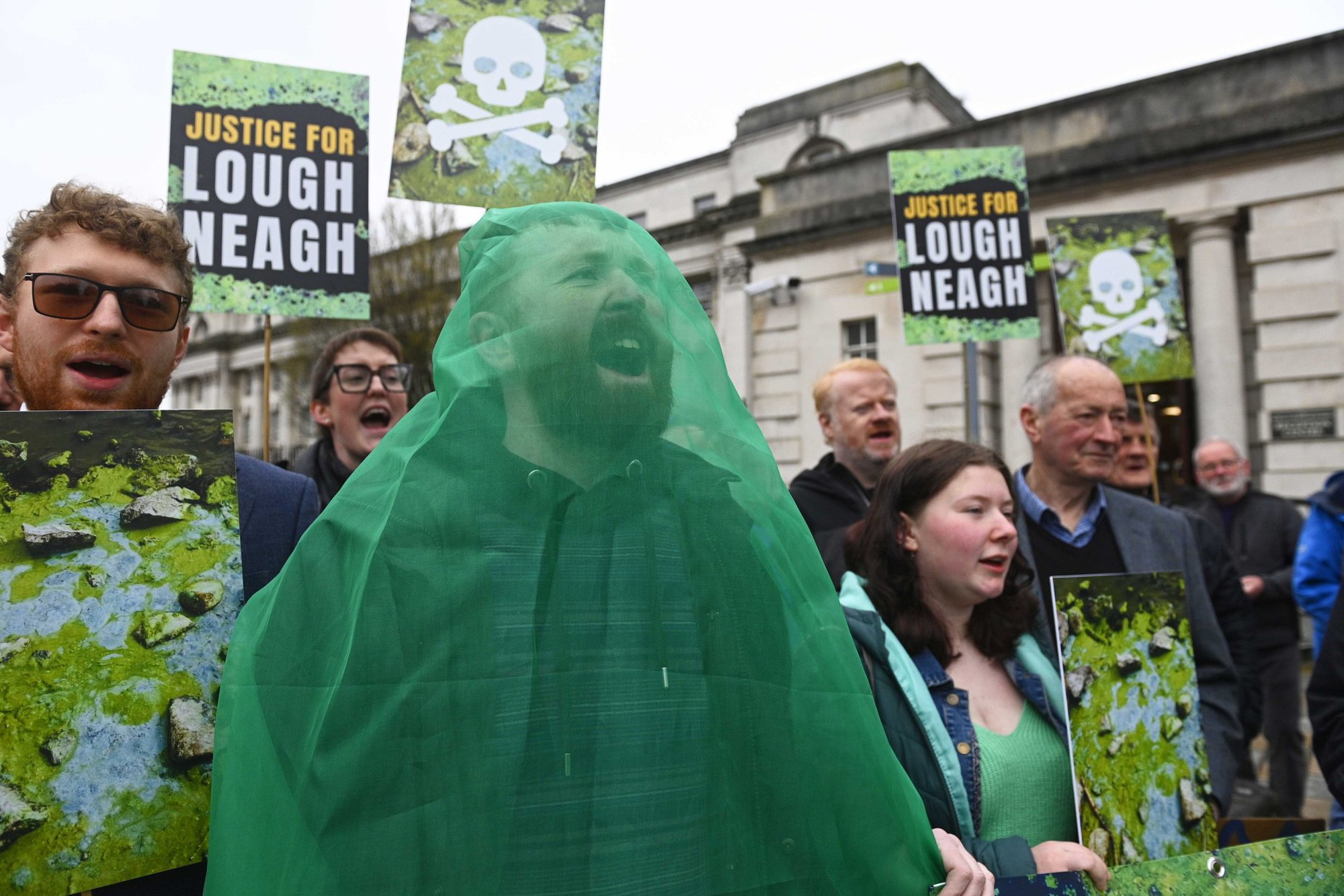
Take Tesco. Controlling nearly 30% of the supermarket sector, it is the single most powerful buyer of British farm produce. Its chicken and pork supply chains run through industrial-scale operators like Avara Foods and Moy Park. These are not quaint family farms but subsidiaries of US agribusiness giants Cargill and Pilgrim’s Pride. These companies have been linked to ecological crises such as the collapse of the River Wye and the ongoing algal disaster in Lough Neagh, the UK’s largest freshwater lake.

For years, supermarkets have pointed to the Red Tractor logo as their environmental alibi. But that line has now been shredded. In a landmark ruling, the UK’s ASA has concluded that Red Tractor’s environmental claims are misleading. This is no longer just campaigners or scientists calling the Red Tractor scheme inadequate. It is a regulator finding that Red Tractor’s advertising exaggerated and misled consumers on its environmental standards. Any retailer still brandishing that logo as a mark of environmental protection is not reassuring customers. They are engaging in greenwash.

The data is stark. Between January 2020 and July 2025, 7,353 Environment Agency inspections of Red Tractor–certified farms found 4,353 breaches — nearly 60% of farms failing environmental rules. These weren’t minor slip-ups: the violations included thousands of breaches designed to prevent slurry and fertiliser from pouring into rivers, fuelling algal blooms, killing fish, devastating ecosystems, and contaminating drinking water. In total, the inspections recorded a staggering 19,305 instances of non-compliance

This is not just a story about dirty rivers. It is about a food system where the biggest players, multinational agribusinesses and the retailers who buy from them, use weak, industry-controlled assurance schemes to insulate themselves from scrutiny. Red Tractor is not a neutral standard-setter. It is designed by the very interests it is supposed to regulate. And guess who controls it? The majority of seats on Red Tractor’s governing council are held by the UK’s various National Farming Union bodies. Yes, the farming lobby actually controls its own product quality scheme. 

Red Tractor’s defenders will say that criticising the scheme means attacking farmers. Let’s be clear, it does not. Many farmers care deeply about the land and waterways that sustain them and us all. They are being undercut by a system that rewards scale, intensification and cutting corners, while paying lip service to environmental protection.

As Martin Lines, CEO of the Nature Friendly Farming Network, has put it: “Consumers and farmers want real sustainability, not a sticker.” Farmers who are genuinely improving soils, protecting rivers and reducing chemicals see little reward for their efforts. Meanwhile, industrial producers hide behind the same Red Tractor logo. That isn’t fairness. It’s exploitation.

Supermarkets cannot claim ignorance. They have been told repeatedly about the links between their suppliers and river pollution. The Environment Agency rejected Red Tractor’s bid for “Preferred Status” precisely because it fails to meet good environmental standards. Yet retailers still rely on the logo as their shield.

This complicity matters because of their sheer market power. When supermarkets demand Red Tractor chicken, vast supply chains, from feed mills to slaughterhouses to contract farmers, are locked into a destructive model. This legitimises the industrial systems polluting our rivers. And when consumers challenge them, they point to the little tractor logo, as if that settles the matter.

The ASA ruling proves it doesn’t.

We now face a choice. Tesco, Asda, Aldi, Lidl, Morrisons and others can continue to sell food tainted with pollution, hiding behind a logo that regulators have called out as misleading on environmental performance. Or they can do the honest thing: demand genuinely high standards from suppliers, and pay farmers properly for producing food in ways that don’t wreck our rivers.

This isn’t just about protecting wildlife or river users such as this nation’s army of wild swimmers. Though that should be enough. It is also about restoring trust in our food system. Consumers deserve to know that when they buy British, they are supporting farming that safeguards our countryside, not destroy it. Farmers deserve a level playing field that rewards those who do right by the land. And companies that profit from selling us food have a duty to ensure their supply chains comply with legal standards, both under the law and broader social responsibility.

For too long, Red Tractor has allowed agribusiness and retail giants to dodge that duty. Thanks to the ASA, the greenwash is now exposed. The question is whether the supermarket giants will finally face up to reality, or whether they will cling to a broken system until public trust collapses.

Britain’s rivers cannot wait. Neither can the farmers who are trying to do the right thing. The time for excuses is over.

ASA ruling exposes Red Tractor as greenwash – River Action demands supermarkets act

New figures reveal staggering 19,000 breaches across 60% of inspected Red Tractor farms, exposing systemic failure behind the label’s “environmentally friendly” claims

River Action is calling on leading supermarket retailers including Tesco and Asda to stop relying on Red Tractor for environmental certification. The scheme has been exposed for serious environmental greenwashing in an Advertising Standards Authority (ASA) ruling.

Having filed the complaint in April 2023, the case is thought to be one of the longest investigations in ASA history.


ASA ruling: Red Tractor environmental claims ‘misleading’

The ASA has today upheld a complaint by River Action’s Chair and Founder, Charles Watson, ruling that Red Tractor – the UK’s largest farming assurance scheme – misled the public about its environmental standards and exaggerated the benefits of Red Tractor endorsement.

River Action challenged advertising for the Red Tractor scheme because of its concerns that environmental standards relating to pollution on Red Tractor farms were not being met – including the claim “When the Red Tractor’s there, your food’s farmed with care… from field to store all our standards are met”.

During its investigation, the ASA considered extensive evidence and arguments put forward by Red Tractor including that it was not an environmental certification mark specifically so “did not seek to replicate environmental law or even cover all aspects of pollution risks by farms”.

The ASA concluded that the evidence provided by Red Tractor to demonstrate compliance with basic legislative standards and a good environmental outcome was insufficient to substantiate the claim which “farmed with care… all our standards are met” conveyed to consumers. The advert breached BCAP Code rules 3.1, 3.2 (Misleading advertising), 3.9 (Substantiation) and 3.12 (Exaggeration).


Evidence of non-compliance and pollution

Red Tractor’s marketing claimed its farms take “a preventative approach to protect the environment”, citing reduced pesticide use, strict pollution controls, and rigorous soil management.

However, as part of its ASA complaint, River Action presented damning evidence – supported by Environment Agency (EA) data (2014 – 2019) – that Red Tractor farms are routinely linked to serious environmental harm:

  • Red Tractor farms were responsible for most agricultural pollution incidents in England over a five-year period.
  • 62% of the most serious pollution events (Categories 1 & 2) involved Red Tractor-certified farms.
  • Certified farms had worse compliance rates than non-certified farms (26% vs 19%).
  • In a North Devon case study (2016–2022), 87% of Red Tractor farms inspected by the EA were in breach of environmental rules.         

The EA rejected Red Tractor’s bid for “Earned Recognition” due to its failure to meet minimum environmental standards.

But more than two years on, River Action can now reveal – through Environmental Information Requests – that serious pollution and regulatory failures persist on Red Tractor–certified farms. The data covers the period January 2020 and July 2025 and reveals the following:

  • 7,353 Environment Agency officer inspections of farms claiming Red Tractor status
  • Alarmingly, 4,353 of these inspections (nearly 60%) identified at least one breach of environmental regulations.
  • A staggering 19,305 instances of non-compliance were recorded across failing Red Tractor assured farms.
  • Cattle farming accounted for just over 25% of non-compliance, with 13.2% from beef farms and 12.4% from dairy farms.
  •  1,373 follow-up inspections were required to address non-compliance.
  • Even when actions were completed by deadlines, a substantial number of farms still failed to meet environmental standards, with only 4,657 actions recorded as completed on time. 
  • This demonstrates that membership of the Red Tractor scheme does not guarantee compliance with environmental regulations.


Supermarkets: up your standards

River Action is now warning major supermarkets that by using Red Tractor to reassure customers they are buying food produced to basic environmental standards they risk complicity in misleading advertising, while pollution of the UK’s rivers continues.

Given their enormous market share and purchasing power, supermarket retailers wield significant influence over UK food supply chains and therefore have the opportunity to drive rapid action to address the environmental harm caused by the industry. 

For example, Tesco dominates the supermarket sector with nearly 30% of the market (28.1%), sourcing vast quantities of Red Tractor meat and poultry through suppliers such as Moy Park and Avara Foods.

According to a recent news report, Moy Park has been implicated in the devastating environmental catastrophe at Northern Ireland’s Lough Neagh, where recurring summer blooms of toxic blue-green algae threaten both wildlife and the health of the lake. 

Similarly, Avara Foods, owned by US agribusiness Cargill and linked to the ecological collapse of the River Wye, boasts on its corporate website: “You can trust that we do things ethically; all of our chicken is Red Tractor approved.”


Other major retailers in the frame

Tesco are not alone. River Action is also calling on Aldi, Lidl, Morrisons, Asda, and others to stop relying on Red Tractor as a mark of environmental standards and protection:

  • Asda – 11.9% market share; told Farming UK: “We continue to source all our other fresh primal chicken from UK Red Tractor Assured farms.” Its website states, “The Red Tractor badge is a standard of excellence….It’s about producing the best possible product in an environmentally friendly and sustainable manner.”  
  • Aldi – 10.9% market share; major buyer of Red Tractor products and states that…you can trust the products you buy when you see the Red Tractor logo…..Red Tractor….(covers) animal welfare, food safety, traceability and environmental protection. Food and drink bearing the Red Tractor logo has been produced responsibly to some of the most comprehensive and respected standards in the world.”
  • Morrisons – 8.4% market share; states that “100% of the fresh pork, beef, lamb, poultry, milk and cheddar cheese we sell in our stores comes from farms certified by Red Tractor, or an approved equivalent scheme, giving customers assurance on food safety, hygiene, animal welfare standards and environmental protection.”
  • Lidl – 8.1% market share;  publically state that “we work closely with Red Tractor to ensure that our British meat, poultry, fruit and veg is responsibly sourced to strict food hygiene, animal welfare and environmental standards.
  • Sainsbury’s, once a Red Tractor buyer, has already distanced itself from the scheme. In 2014, then-CEO Justin King called it “the refuge of scoundrels” and criticised it for setting a “low bar that frankly anybody could use.”


What Tesco says

Celebrating 25 years of Red Tractor, Natalie Smith, Tesco Head of Agriculture, said last month: We’re proud to support British agriculture and the thousands of farmers and producers who provide us with quality, affordable, sustainable products year-round. Certification schemes play a key role in providing reassurance for customers, and over the past 25 years, Red Tractor has established itself as a mark of quality, standing for food safety standards, animal welfare and environmental protection.

“We recognise there is still more to do, and it’s essential we continue to work in partnership with Red Tractor to improve standards, and take quick action to drive forward change, strengthening the farming industry for generations to come.”

The Tesco website proudly states, “We require the majority of our meat, dairy, fruit and vegetable products produced in the UK to meet the Red Tractor standard, or an appropriate equivalent. The Red Tractor standards ensure that the production of these products does not have an adverse impact on the environment. For example, pesticides and fertilisers must be applied and stored in ways that minimise pollution of soil and groundwater; it also provides extensive guidance on manure management.”


River Action responds

Chair and founder of River Action Charles Watson said, “Red Tractor farms are polluting the UK’s rivers, and consumers trying to make environmentally responsible choices have been misled. This ASA ruling confirms what we’ve long argued: Red Tractor’s claims aren’t just misleading – they provide cover for farms breaking the law. The time has now come for our major food retailers to lay out credible plans as to how they will move away from this busted flush of a certification scheme and support farmers whose working practices are genuinely sustainable.

“Supermarkets and their suppliers now face serious reputational risk if they hide behind Red Tractor greenwash. By selling products linked to pollution, they deceive customers, undermine trust, and fail in their duty to ensure supply chains obey the law.”


Consumers want confidence, not greenwashing

River Action says that supermarkets need to use assurance schemes that give consumers genuine confidence that the products they buy are not linked to lawbreaking or environmental harm. At present, Red Tractor fails to provide this. An assurance scheme should be meaningful. Supermarkets already have credible models in place for fresh produce, so the same rigorous standards should be applied to livestock.

River Action has written to all the major supermarkets, calling on them to:

  • Publicly acknowledge the ASA ruling and findings by informing their customers of the misleading labelling and committing to driving change both within farming and food standards and within food certification.
  • Publish a clear and transparent roadmap showing how they will certify the environmental standards of all their food produce – including eggs, poultry, dairy, and fresh produce. This roadmap should set out rigorous environmental requirements, be backed by independent inspections, and ensure full public reporting, so customers can see and trust the standards behind the food they buy.


Red Tractor’s own data shows that its logo appears on approximately £18bn worth of food sold annually, meaning this greenwash reaches deep into Britain’s shopping baskets. Jim Moseley, Red Tractor’s CEO, has also boasted that consumer trust in the scheme is tracking at 74%.

Martin Lines, CEO of the Nature Friendly Farming Network, added: “Consumers and farmers want real sustainability, not a sticker. They want confidence that the British produce they buy does not harm the environment or our rivers. 

“Supermarkets and fast-food chains hiding behind Red Tractor need to sort out their suppliers or face low consumer confidence and difficult questions about the environmental violations in their supply chains that are damaging our rivers. Farmers committed to nature-friendly practices must be properly rewarded, or the system will continue to incentivise damaging methods”

Hugh Fearnley-Whittingstall said, “As someone who will always support farmers who work positively with nature, protect the environment and feed the nation, I am deeply concerned by the ASA’s ruling exposing Red Tractor’s persistent greenwashing. For years, consumers have trusted the logo as a sign of environmentally responsible farming, yet the evidence shows widespread environmental breaches that are causing ongoing pollution all over the UK. 

“Supermarkets should not hide behind environmental certification that fails both the planet and honest producers. They have enormous influence and must use it to drive genuine progress that benefits the environment.  That means paying farmers properly for sustainable practices, supporting nature-friendly food production, and leading the way in either rigorously reforming or, if necessary,  completely dropping Red Tractor as a mark of environmental standards.

“Customers deserve more than misleading labels. They deserve assurance that their food supports farming that regenerates soils, protects wildlife, and respects the environment. It is time for supermarkets to step up, take responsibility, and make sustainability a real priority, not a fake one.”

River Action’s complaint to the ASA was prepared with the expert support of Leigh Day solicitors — Ricardo Gama, Carol Day, Julia Eriksen and Lily Hartley-Matthews — together with counsel Tom de la Mare KC and George Molyneaux of Blackstone Chambers. Their advice and representation were instrumental in securing this ruling.

Leigh Day partner Ricardo Gama, who represents River Action, said, “After a two and half year investigation, River Action is delighted that the ASA has finally ruled that Red Tractor was likely to mislead consumers when claiming that its certification scheme ensures high environmental standards. 

“The length of time of the investigation was a result of the contested nature of the case, with both River Action and Red Tractor arguing tooth and nail for their positions. This should set a precedent for other advertisers, including those in the food industry, that misinformation will not be tolerated.”


Consumers: demand better

River Action is urging the public to pressure supermarket retailers into telling their customers the truth about Red Tractor-labelled produce.

Support the campaign: Tell your supermarket to expose Red Tractor
If you shop at these supermarkets, tell them to clean up their supply chains and stop profiting from environmental harm. For more information and to find out how you can support the campaign, visit www.upyourstandards.riveractionuk.com.


Notes to Editor
The source for supermarket market share figures is a Kantar article published on 24 June 2025, which you can read here.

An assessment carried out by the Environment Agency (EA) in 2020, revealed that between 2014 – 2019 Red Tractor-assured farms were responsible for the majority of instances of agricultural pollution over a five-year period. The assessment revealed that of a total 4,064 pollution incidents RT farms were responsible for 62% of category 1 and 2 incidents and 56% of category 3 incidents. Significantly, the report concluded that RT farms were less compliant (26%) with EA inspections compared to non-RT farms (19%). As a result of this assessment, a request by Red Tractor for its assured farms to benefit from EA “Preferred Status” was denied.

When we received the data from the Environment Agency, they advised that many farms include more than one livestock or crop type. As a result, category totals may not add up precisely to the overall inspection figure.

Our research indicates that we could not find any ASA case that took longer to resolve than our complaint against Red Tractor. On its website, the ASA notes that, “A small number of our most complex cases can take six months or more to complete if, for instance, we need to appoint independent experts to help us assess evidence.”

At a webinar in April 2024, Red Tractor CEO Jim Moseley told the Tenant Farmers Association that the Red Tractor logo features on £18 billion worth of food sold each year. He also claimed that public trust in the Red Tractor scheme stands at 74% (watch from around 9 minutes 31 seconds).

ASA ruling of 15 October 2025:

  • River Action challenged a 2023 advert for Assured Food Standards’ Red Tractor Scheme because of its concerns that environmental standards relating to pollution on Red Tractor farms were not being met. 
  • The ASA considered extensive evidence and arguments put forward by Red Tractor, including its own claims that environmental protection was not its primary focus and that RT was not an environmental certification mark specifically so “did not seek to replicate environmental law or even cover all aspects of pollution risks by farms”. 
  • The ASA assessed how the notional average consumer, who was reasonably well-informed and reasonably observant and circumspect, was likely to view the ad. This included the claim “When the Red Tractor’s there, your food’s farmed with care… from field to store all our standards are met”, highlighting the use of Red Tractor labelling across all aspects of food production and farming. The ASA considered that at least some consumers would expect that, in giving assurances about high standards of farming and food production, Red Tractor’s standards would include measures to manage and mitigate environmental risk that arose through farming practices. The ASA also considered that consumers would expect that such standards incorporated compliance with or reflected at least basic legal requirements concerning food safety, animal welfare and environmental protection, and that measures were in place to help produce a high standard and quality of food (in line with the objectives of the Red Tractor scheme, which included environmental measures, as explained on Red Tractor’s website).
  • In reaching its decision, the ASA looked at Environment Agency (EA) reports and data which showed “around half of RT farms being not fully compliant” and led the EA to conclude “The evidence gathered through this project indicates that Red Tractor membership is not currently an indicator of good environmental performance”.
  • The ASA concluded that the evidence provided by Red Tractor to demonstrate compliance with basic legislative standards and a good environmental outcome was insufficient to substantiate the claim which “farmed with care… all our standards are met” conveyed to consumers. 
  • The advert therefore breached BCAP Code rules 3.1, 3.2 (Misleading advertising), 3.9 (Substantiation) and 3.12 (Exaggeration).

The Wildlife Trusts Report: More Proof Our Rivers Need Urgent Action

A Call for River-Friendly Farming: Why We Can’t Ignore Factory Farm Pollution

Today, The Wildlife Trusts released a powerful new report exposing the devastating environmental toll of the UK’s intensive pig and poultry industry. For those of us fighting to protect our rivers, its findings come as no surprise – but they provide yet more hard evidence of the scale of damage being caused by factory farming.

At River Action, we welcome this report wholeheartedly. Communities along the Wye, Severn and Kennet have long been raising the alarm about nutrient pollution from intensive farming. This report adds weight to their voices, strengthening the case for urgent change.


Why enforcement matters

The “Farming Rules for Water” already exist to stop pollution – but they remain largely unenforced. Without real accountability, factory farm pollution continues unchecked, leaving rivers overloaded with nutrients and communities paying the price. If the government is serious about protecting nature and rebuilding trust, it must enforce the law while helping farmers make the shift towards more sustainable practices.


River Action’s fight against factory farm pollution – Timeline

We have has taken major legal steps to hold polluters and the authorities enabling them to account:

Taken together, these legal battles underscore a simple truth: without urgent action to rein in the industrial farming model, our rivers and the wildlife that depend on them will continue to pay the price.


What’s next?

The evidence is overwhelming. The law is clear. And communities are demanding change. Now the government must act – ensuring regulations are enforced and farmers are supported in transitioning to sustainable, river-friendly farming practices.

Because nothing less than meaningful reform will do.

Campaign Win! New DEFRA guidance a win for our rivers

DEFRA has issued stronger guidance on Farming Rules for Water. The change means that manure can now only be spread when crops actually need it – not at times it can just run off and pollute our river. After years of campaigning and legal pressure, we welcome this significant step forward that provides stronger protection for England’s rivers from agricultural pollution.

The stream of events:

June 2022 – Manure and fertiliser overuse is killing our rivers

In 2022 WWF and ClientEarth launched a legal complaint to the UK’s environmental watchdog the Office for Environmental Protection (OEP). The complaint was related to DEFRA’s guidance with regard to the overuse of manure and fertiliser which floods our rivers with nitrates and phosphates, fuelling algal blooms that choke ecosystems and suffocate wildlife.

May 2024 – Farming practice must change

As a result of our legal challenge against the Environment Agency (EA), the High Court ruled that farming practices must change to comply with the Farming Rules for Water – a response to the EA’s failure to prevent pollution in the River Wye and other threatened waterways. As a result of this legal action, Defra committed to reviewing its guidance.

June 2025 – New Farming Rules for Water

In June 2025, DEFRA released revised statutory guidance ‘Enforcing the Farming Rules for Water’. While this was a welcome step, it fell short in two key areas:

1) Autumn manure spreading: It didn’t go far enough to clarify the rules around autumn manure spreading – a practice often linked to river pollution.

2) A lack of clarity around enforcement thresholds: I.e. How are the rules actually going to be enforced.

In particular, some farming commentators wrongly interpreted the guidance to mean that autumn spreading could still go ahead as usual. However, The High Court ruling in River Action’s legal case demonstrated that it is unlikely to be compliant with the Farming Rules for Water unless it’s in exceptional and specific circumstances. The new guidance failed to set this out.

July 2025 – Closing the loophole

To address these issues, we wrote to DEFRA to seek urgent clarification. We’re pleased to say DEFRA listened. On 16 July, DEFRA issued additional new guidance to farmers called ‘How to comply with the Farming Rules for Water’. This new guidance made it explicit that manure must only be applied when it meets crop or soil need at the time of application – a critical clarification that closes a dangerous loophole and brings guidance in line with the law.

If accompanied by robust enforcement and clear advice for farmers, this should lead to much stronger compliance and significantly reduce agricultural pollution across England’s rivers. We’re grateful to DEFRA for taking these vital steps forward to rescue our rivers. We’ll continue pushing for the protections our rivers so urgently need.

Megafarms, Meet the Rule of Law: Why Methwold Matters

By: Lily O’Mara – Climate Justice Fellow and Ruth Westcott – Campaign manager. Both from Sustain, the alliance for better food and farming.

Finally holding livestock corporations to account

The landmark rejection of the Methwold Megafarm means livestock corporations must come clean about their climate impacts. With the recent victory for Herefordshire Council and River Action’s challenge of another chicken megafarm in Shropshire coming up, is legal action finally meaning we can hold intensive livestock corporations to account?

Cheers erupted in King’s Lynn town hall on 3rd April as it was announced that the council had unanimously said no to one of the largest megafarms in Europe. The community have been fighting against the plans for nearly three years, and the planning team were unequivocal in their recommendation to Council: Reject the application or risk legal action.

When Sustain first looked into the plans in 2023, it was clear there was no assessment of the greenhouse gas emissions – a huge omission. This concern was shared with the Council. Emissions from these units don’t come just from the animals themselves, but from manure, feed, transport, processing, and everything that happens after the animals leave the site.

The application wasn’t unusual, others for intensive livestock units (ILUs) have gone through the system without serious consideration of their climate impact. Local planning authorities (normally local councils) make planning decisions based on the environmental information presented to them, and that has routinely excluded greenhouse gas emissions. Councils have essentially been left in the dark on one of the most significant impacts of these facilities. In the Methwold case, the developer was alerted to the need to include a greenhouse gas assessment, and they still refused.

We argued, alongside local residents, other civil society organisations and lawyers, that this wasn’t just an oversight, but a legal failure. The planning officers agreed. They recommended the application be refused, saying councillors couldn’t make a lawful decision without understanding the likely climate impacts. The precedent they drew on was established in the Finch case back in June 2024, in which the Supreme Court ruled that a decision to build an oil field was unlawful because it failed to consider the direct and indirect greenhouse gas emissions.


It sets a precedent in planning

This ruling is huge. It sets a precedent in planning: You can’t build a megafarm in the UK without showing and considering how it would affect the climate.

The opportunities for councils from this ruling are huge. 75% of the councils in the UK have declared a climate emergency – an amazing sign of leadership. There is also local and national policy encouraging councils to make planning decisions on climate grounds. The National Planning Policy Framework for England says that planning decisions ‘should help to: shape places in ways that contribute to radical reductions in greenhouse gas emissions’ (para 161) and that ‘The need to mitigate and adapt to climate change should also be considered in preparing and assessing planning applications, taking into account the full range of potential climate change impacts’ (para 163). Add to this that the UK’s latest carbon budget says we need to reduce livestock numbers by 39% to reach climate targets.

Intensive livestock units have colossal climate impacts. We estimated that the Methwold Megafarm alone would increase the borough’s total emissions by 6%. The bulk of these are ‘scope 3’ emissions which are indirect impacts like feed production, transport and processing. Avara Foods, one of the largest chicken agribusinesses in the UK, estimates their scope 3 accounts for 95% of total emissions. For pork giant Cranswick, it’s even higher – 96% – according to FAIRR.

As part of objecting to the Methwold Megafarm, we were also able to talk about the incredibly timely precedent set in the case brought by the National Farmers Union against Herefordshire County Council which clarified that manure from industrial agriculture should be handled as industrial waste. Referencing this case, planners in the Methwold case judged that the waste plan wasn’t comprehensive enough. They said; “The lawful application of pig slurry, pig manure and poultry litter to land requires that where they are used as a soil fertiliser to the benefit of crops, the land to which the effluent is to be applied is identified in advance and the effluent not to be ‘overspread’ based on the needs of that land.”

Looking ahead, the legal challenges are continuing. River Action has a hugely exciting judicial review hearing coming up, which will consider whether councils are required by law to take into account the pollution already being caused by livestock units in an area when deciding whether new units are permissible, particularly in already polluted catchments. The hearing is on 30th April and 1st May in Cardiff. It is hoped that this will further clarify the scrutiny that can and should be in place before ILUs are given the green light.


What can councils do now?

The two groundbreaking rulings from the last couple of months have rightly empowered councils and communities. But what’s next? Well, these aren’t unique cases and councils should look at applications that are in train. These rulings say that to be lawful they must contain:

  • A comprehensive greenhouse gas impact assessment, including direct and indirect emissions, so that climate change can be taken into account
  • If you are in an area in which river or soil pollution is an issue, the manure and slurry plan must identify where and how waste will be disposed of, demonstrating that there is a need, and won’t be overspread
  • Should the case being brought by River Action against Shropshire Council set a precedent, the cumulative environmental impact of developments must be properly considered.

To make sure applications are compliant when submitted, guidance on the above should be included in planning policy and guidance, and councils and communities that would like support can get in touch with either of us, ruth[at]sustainweb.org or lily[at]sustainweb.org

The actions of communities and councils to stand up to intensive livestock corporations is inspirational. These legal wins happened because people spoke up and councils listened, and councils recognised that they have power. They came from persistence and strategic planning – both from the community groups involved and NGOs. But we can’t rest on our laurels. If we want to keep this momentum going, campaigners must help by pushing councils to demand proper climate and waste assessments, backing communities resisting new factory farms, and making sure national planning policy reflects these new legal precedents. The tools are there now – what matters is how we use them.


River Action are currently raising funds to finance their legal future legal action. The Big Give are currently matching all donations, so all contributions will go twice as far. You can donate here.

High Court ruling adds weight to challenge to intensive poultry unit in Shropshire 

A judicial review case supported and funded by campaign group River Action as part of its drive to limit the uncontrolled growth of large-scale intensive poultry production farms has been strengthened by an important High Court ruling this week.

A judge has allowed further grounds to be added to the claim brought by River Action advisory board member Dr Alison Caffyn. It is challenging Shropshire County Council’s planning permission for the construction of a large-scale intensive poultry unit.

Granting permission, the judge said that there is ‘wider interest’ in the court hearing the extra two grounds at the substantive hearing due in the coming months, and emphasised that it would be helpful to have the court’s authority on the issues raised.

The case is now set to be heard on four grounds when it is presented to the High Court at a hearing in March or April 2025.

The legal action aims to stop the spread of intensive poultry production in Shropshire and the River Severn catchment area, and is part of a nationwide campaign by River Action to prevent river pollution caused by intensive agricultural practices.

An application for the poultry production unit by developer LJ Cooke & Son was approved by Shropshire Council in May 2024 after it had initially been rejected, with the site located north-west of Shrewsbury at Felton Butler.

In July 2024, a legal challenge opposing the poultry unit was launched by Dr Caffyn, who lives in Shropshire and is a member of River Action’s advisory board.

The case argues that the decision to grant permission failed to account for the cumulative impact of the rapid and uncontrolled increase of intensive poultry units being constructed within specific river catchments. It is argued that the effect of spreading manure and the emissions from burning biomass is causing severe concentrations of river and air pollution.

Following the recent severe pollution of the neighbouring catchment of the River Wye, which is believed to be because of the expansion of intensive poultry production, the case argues that the catchment of the River Severn is now being subject to similar environmental threats.

Follow the High Court ruling, the expanded grounds being argued in the March judicial review hearing are:


  • A failure to assess the effects of spreading manure and the emissions from burning biomass, which as indirect effects of the development, needed to be assessed.
  • A failure to impose a lawful planning condition on manure processing that would mean that the development would not cause groundwater pollution.
  • A failure to carry out a lawful appropriate assessment as required by the Habitats Regulations to ensure that the development would not adversely affect the integrity of a designated protected habitat – an area with special status due to its natural importance.
  • A breach of regulation 9(3) of the Habitats Regulations, which requires the council to take steps to avoid the deterioration of protected habitats.


The first two grounds were given permission in October 2024, with permission for the third and fourth grounds being given permission at a hearing in February 2025.

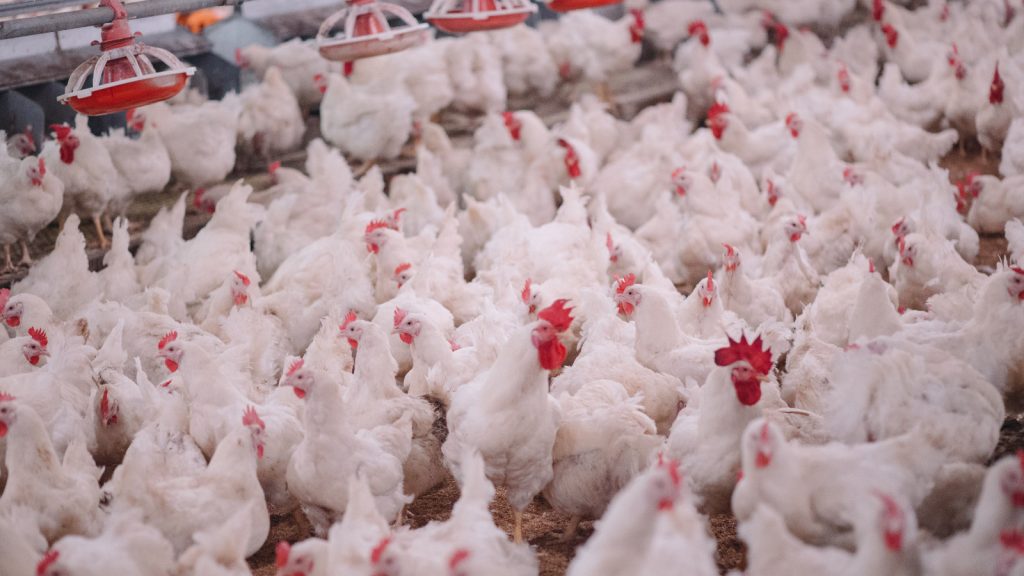
The proposed poultry unit would house 200,000 birds and include four poultry rearing buildings each over 100 metres long, as well as a biomass store with boilers. It would be located 400 metres from an existing poultry site, which is thought to hold nearly 500,000 birds.

Permission for the unit was initially refused after Natural England advised that three nearby protected sites, Shrawardine Pool, Lin Can Moss and Fenmere, could be impacted by aerial pollutants.

Council officers also raised concerns over the lack of detail on how the development would handle chicken manure without an anaerobic digester – a large sealed vessel used to break down organic materials.

However, the plans for the development were approved after LJ Cooke & Son proposed exporting manure to a third party anaerobic digestion unit.

Chairman and founder of River Action, Charles Watson, said:

“Like an appalling car crash in slow motion, exactly the same set of tragic events is now unfolding in catchment of the River Severn as has happened recently in the neighbouring catchment of the River Wye. We believe the waving through of permission for ever more giant intensive poultry units by Shropshire County Council is environmentally reckless. We are determined to do whatever it takes to support this critically important legal claim to end the ecocide which we say is being perpetrated upon our most iconic rivers by uncontrolled intensive agricultural practices.”

Dr Alison Caffyn said: 

“It’s really encouraging that the two extra grounds have been approved. We’re looking forward to demonstrating next month how inadequate Shropshire Council’s processes have been in granting planning permission for this industrial chicken operation. Shropshire has some really special countryside and habitats and local people need to be sure that the Council is protecting these and the River Severn catchment”

Leigh Day environment solicitor Ricardo Gama said: 

“Our client is delighted that the court has allowed two further grounds to proceed to a full hearing. This means that the hearing will now encompass the detrimental impact our client says the poultry unit will have on nearby protected habitats, as well as from the negative effects of pollution from manure and burning biomass. We look forward to arguing the case in the High Court, as part of River Action’s wider campaign to protect rivers from pollution caused by intensive agricultural activity.”

ENDS

High Court ruling declares farming manure as ‘waste’ in major victory for River Action in its fight against industrial-scale poultry production in Wye Valley

Landmark court ruling declares farming manure as ‘waste’ in major victory for River Action in its fight against industrial-scale poultry production in Wye Valley and exposes the failure of a regulatory regime that has failed to protect the environment


In a huge boost for River Action’s campaign against industrial scale poultry production, the High Court has today ruled that chicken manure can be classified as ‘waste’ and a council was entitled to require it to be disposed of under council waste rules. The Judgment has huge implications for handling manure on farms everywhere.

Pollution from agriculture, much of it from manure from animals on farms, is the biggest source of water pollution in the UK.

Following the adoption of Herefordshire County Council’s (HCC) Minerals and Waste Local Plan (MWLP) in March 2024, the National Farmers Union (NFU) mounted a judicial review challenge arguing that manure produced by agricultural developments like intensive Poultry Units (IPUs) is an agricultural “by-product” and should not be classified as ‘waste’ under the Waste Framework Directive (WFD). Before the court, the NFU did not dispute that chicken manure is the main source of nutrient pollution causing an ecological crisis in the River Wye. But it still argued that none of the controls on waste handling should apply and that HCC could not deal with it through a policy (policy W3) its MWLP.

In its intervention, River Action said environmentally damaging algal blooms in the River Wye have arisen as a result of livestock manure causing excessive phosphates to build up in the soil, which then runs off and leaches into waterways.  River Action argued that manure should be classified as ‘waste’ at least until its point of use under the WFD, and that controls need to be in place to ensure that waste producers take responsibility for disposing of waste in a lawful way.

The Hon Mrs Justice Lieven agreed that it cannot be assumed that manure will be used in an environmentally safe way. She then agreed with River Action that, given the environmental problems caused by chicken manure in the Wye catchment area with narrow and specific exceptions, manure is ‘waste’ in law up to the point it is sold or transferred to a third party. This means that chicken producers in Herefordshire will have to provide a detailed plan at the planning application stage to ensure chicken manure can be disposed of safely, including full transparency on the manure’s destination and application. They cannot rely on wastewater rules monitoring.

The judge also comprehensively rejected the NFU’s argument that HCC had to assume that the Farming Rules for Water (FRfW) – which regulate the spreading of manure on fields – were operating effectively to combat water pollution, so that no harm would be caused to the Wye by additional chicken manure – when all parties accepted that that was not the case. She observed that the FRfW are “a regulatory regime which beyond any doubt had failed to protect the environment from harm” and that HCC was justified in adopting a policy that recognised the FRfW were failing to operate effectively.

That is a clear win for common sense and realism given that historically developers often argue in planning cases that environmental consequences will be dealt with by other regulatory regimes, and so should not be the subject of planning controls.  The judge was clear that planning authorities did not have to make any such assumption, where there was clear evidence that other regimes were failing, as is all too often the case.

River Action chair Charles Watson said:

”This historic court ruling marks a major victory both for the River Wye and rivers generally across the nation and it exposes yet another attempt by the NFU to push back on important initiatives intended to end the blight of agricultural pollution in our rivers. 

We believe the ruling clarifies once and for all that the intensive factory production of livestock is clearly an industrial manufacturing process, whereby the often-toxic waste that it produces must be treated as such. 

This landmark ruling should set a vital precedent not just for other planning authorities to embed similar enhanced protections into all planning applications for livestock production developments. It also demonstrates that our environmental regulators need to now take urgent action to enhance pollution regulations to reflect the serious threat that intensive livestock production clearly poses to the health of our rivers.”

River Action was represented by Carol Day, Ricardo Gama and Julia Eriksen of Leigh Day and David Wolfe KC (Matrix Chambers) and Peter Lockley (11 King’s Bench Walk).

Leigh Day environment team solicitor Carol Day said: 

“The NFU sought to challenge common-sense policies in the Minerals and Waste Local Plan requiring new poultry units to have a detailed plan for disposing of chicken manure on the basis that the manure is not waste in law and therefore not covered by the MWLP.

“The judge resoundingly agreed with River Action that chicken manure is classified as ‘waste’ in law. This judgment vindicates HCC’s approach and is a victory for the River Wye and the wider environment.”

This means that people proposing new Intensive Poultry Units in Herefordshire will need to put in place proper arrangements for dealing with the huge volumes of manure that is produced. The judgment should also now mean that proper environmental controls are put in place across the country to oversee the production and handling of manure from animals on farms.”

—ENDS–

You can read the full judgment from the High Court, here.

Campaigners demand Nando’s go public with promised audit of chicken suppliers harming UK rivers

Campaigners have welcomed Nando’s decision to carry out an independent audit of the environmental impact of its chicken supply chain in response to growing evidence of the ecological damage being caused to UK river catchments by the unsustainable disposal of the millions of tons of animal waste produced by chicken factory farms. However, they are also calling on the company to go further in ensuring full transparency and accountability and have written to Nando’s with their demands.

In a letter to the CEO of Nando’s Mark Standish, environmental campaign group River Action, alongside public figures including Dame Joanna Lumley, Hugh Fearnley-Whittingstall, Chris Packham, Dominic West, Jo Brand, Mya-Rose Craig, Paul Whitehouse, Robert Plant, Robert Macfarlane, Johnny Flynn, Jim Murray and George Monbiot, have urged the restaurant chain to take stronger action. They have asked specifically that the company commits publicly to two key actions:

  • Environmental Leadership: Commit publicly to the protection of Britain’s rivers as a core pillar of its sustainability policies. These commitments must demonstrate rigorous standards to ensure that the vast quantities of potentially toxic chicken manure produced by Nando’s supply chain is managed in an environmentally responsible manner; and does not cause further diffuse pollution of UK river catchments.
  • Timely Transparency: Publish the full findings of the promised supply chain audit in full no later than three months from now, allowing consumers to make informed decisions about the brand’s procurement  practices.

Huge public interest

The campaign, coordinated by River Action, has sparked huge interest on social media, with fans engaging in conversations and amplifying the discussion. A social video post by activist-actor Jim Murray (The Crown, Masters of the Air) standing waist-deep in the River Wye, dressed in a sharp business suit and calling on Nando’s to stop polluting Britain’s rivers, has gone viral—so far amassing more than 4.5 million views. His powerful message has further fuelled public debate, putting increased pressure on the brand to respond.

These demands come as recent YouGov BrandIndex UK data revealed a sharp decline in customer satisfaction with Nando’s following the exposure of its river polluting supply chains.

River Action’s Head of Campaigns Amy Fairman said, “Factory-farmed poultry is wreaking havoc on Britain’s rivers, polluting vital waterways like the River Wye. But brands like Nando’s have the power and the responsibility to drive change. By demanding stricter environmental standards from their suppliers, they can help protect our rivers.

“Nando’s recent commitment to an independent audit is a step in the right direction, but transparency and accountability must follow. Now is the time for bold action. We urge Nando’s to lead the way, commit to protecting rivers, full transparency in their promised audit, and hold suppliers to the highest environmental standards. Our rivers can’t wait—will Nando’s rise to the challenge?”

Hugh Fearnley-Whittingstall, environmental campaigner and chef, added: “It’s encouraging to see Nando’s taking steps to investigate its supply chain, but true leadership means full transparency and a commitment to real change. Consumers deserve to know that their food choices are not contributing to environmental harm, and Nando’s has the power to set a new industry standard by holding their suppliers accountable.”

ENDS

Notes to editor
River Action met with Nando’s Chief Operations Officer, Head of Sustainability and Head of Reputation and Communication on 13 February to discuss concerns about their supply chain’s impact on UK rivers.Actor activist Jim Murray’s social video post has so far been viewed more than 4.5 million times. Breakdown:

  • Instagram: 2,700,000
  • TikTok: 1,800,000
  • LinkedIn: 61,000
  • X: 26,000
  • Facebook: 2,500


“Your chicken is killing our rivers”: British icons take on Nando’s over supply chain

A group of high-profile figures—including celebrities, musicians, comedians, and campaigners such as Paul Whitehouse, Jo Brand, Joanna Lumley, Chris Packham, Liz Bonnin, George Monbiot, Johnny Flynn, Dominic West, Jim Murray, and Hugh Fearnley-Whittingstall—have united to pressure Nando’s to take responsibility for its environmental impact. They are calling on the restaurant giant to clean up its supply chain and tackle its contribution to severe river pollution.

In an open letter, high profile names, backed by environmental groups River Action, The Rivers Trust, Friends of the Wye, and the Angling Trust, have challenged Nando’s sustainability credentials, citing their links with suppliers that are “killing our rivers”.

The River Wye, once voted the nation’s UK’s favourite river, is on the brink of ecological collapse due to pollution primarily caused by intensive farmingTens of millions of chickens are factory-farmed in the region, whose waste is poisoning local waterways and destroying vital wildlife habitats. Despite Nando’s insisting that ‘sustainability isn’t just a buzz word’, their supply chain is part of this environmental disaster.

The signatories’ urgent ask:

The coalition’s ask is simple: Nando’s must do for river protection what they did with their Better Chicken Commitment. They’re calling on the restaurant chain to design and implement a sector-leading plan to protect Britain’s rivers in their sustainability policy; no more PR speak, just real action.

Renowned naturalist and presenter Chris Packham highlighted the urgency, “If Nando’s wants to position itself as a sustainable and ethical company, it cannot ignore the environmental catastrophe in its supply chain. The Wye is dying, and companies profiting from its destruction must take responsibility.”

River Action’s Head of Campaigns Amy Fairman said, “The Wye River is on the brink of ecological collapse, and companies like Nando’s have a moral responsibility to ensure their supply chains are not driving this destruction.”

Liz Bonnin said, “If Nando’s truly cares about sustainability, it must act now to cut ties with polluting suppliers and set an example for the industry. Anything less is greenwashing.”

The coalition is calling on Nando’s to back up its words with real action, demanding immediate transparency and concrete steps to protect the environment. Their open letter—available for download here—urges the company to honour its advertised values and take meaningful responsibility for its supply chain’s impact.

Notes to Editors:

  • After public pressure over river pollution, Nando’s quietly removed references to their suppliers from their website. In their place, they published a new webpage about their connection to the River Wye that presents a misleading picture of their supply chain impact – one supplier amounts to many tens of farms and millions of chickens. The page makes vague claims about policies and waste management, while failing to address where the waste ends up and the core issue of intensive chicken farming’s contribution to phosphate pollution in the Wye catchment.
  • The Wye River catchment area has been subjected to significant ecological harm due to intensive poultry farming, with rising levels of phosphorus pollution leading to toxic algal blooms and the collapse of aquatic ecosystems.
  • Nando’s publicly advertises its commitment to sustainability and ethical sourcing, but questions remain about its adherence to these principles.

Major legal challenge goes to court to stop expansion of intensive poultry industry in River Severn Catchment 

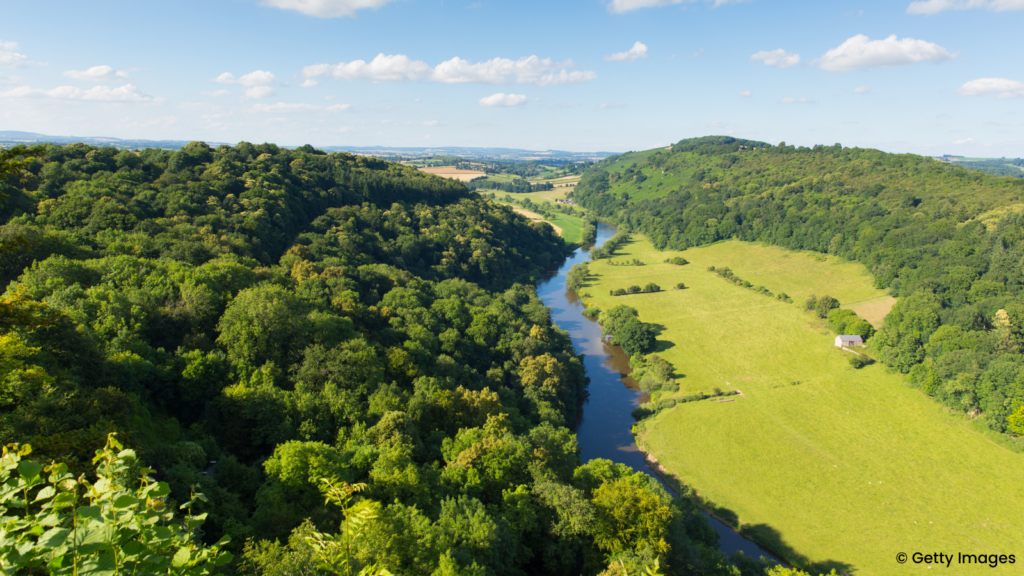
The River Severn, Shropshire. © Getty Images

River Action board member Alison Caffyn has been granted permission by the High Court to challenge Shropshire Council’s approval of a large-scale poultry production unit in the River Severn catchment.

The judicial review aims to halt the further spread of industrial scale intensive poultry production both in the county and the wider catchment of the River Severn.   

The legal action is part of a wider campaign by River Action to use the law to prevent river pollution by intensive agricultural practices across the country.   

River Action says the Wye catchment area has been devastated by the failure to enforce anti-pollution regulations and it is determined to help prevent similar ecological damage to the neighbouring catchment of the River Severn.

The action is being taken by Dr Alison Caffyn, who lives in Shropshire and is a member of River Action’s advisory board. Dr Caffyn is represented by the environment team at law firm Leigh Day.   

In May, Shropshire Council approved an application by LJ Cooke & Son for a poultry production unit at Felton Butler, north-west of Shrewsbury.

The unit would house 230,000 birds, with Dr Caffyn arguing it is imperative to prevent “giant clusters of polluting poultry units” from being built.   

An application was made for a judicial review into the council’s decision, arguing the council failed to take a number of issues into account, including the effects of spreading manure and the emissions from burning biomass.

The High Court has now granted permission on the following grounds:

  • A failure to assess the effects of spreading manure and the emissions from burning biomass, which as indirect effects of the development, needed to be assessed  
  • A failure to impose a lawful planning condition on manure processing that would mean that the development would not cause groundwater pollution 

River Action plans to appeal the High Court’s decision not to allow the judicial review action also to be argued on the following grounds:

  • A failure to carry out a lawful appropriate assessment as required by the Habitats Regulations to ensure that the development would not adversely affect the integrity of a designated protected site  
  • A breach of regulation 9(3) of the Habitats Regulations, which requires the council to take steps to avoid the deterioration of habitats at protected sites 

Dr Caffyn and River Action say they consider Ground 3 the most important issue. It specifically concerns the potential for the development to adversely impact the integrity of designated protected sites, including Hencott Pool and Fenemere. The failure to properly assess these risks could lead to further deterioration of ecologically sensitive areas. 

Charles Watson, Chairman and Founder of River Action said:

“Like an appalling car crash in slow motion, exactly the same set of tragic events is now unfolding in catchment of the River Severn as has happened recently in the neighbouring catchment of the River Wye. By recklessly waiving through permission for ever more giant intensive poultry units, Shropshire County Council is effectively pronouncing the death sentence on yet another iconic British river. The construction of these giant unsustainable pollution clusters, with no due consideration being given of their cumulative environmental impact, cannot be allowed to continue. We look forward to supporting this critical legal action through its next phase as it goes to court.”

 Dr Alison Caffyn said:

“Shropshire Council has continued to grant planning permission for intensive poultry units across the county, despite increasing concern about the impacts on the Shropshire countryside and communities. The chicken population has grown so much that there are now nearly 65 chickens for every person in Shropshire.  And it appears that the Council has not been properly assessing the impacts of all that extra manure and ammonia emissions on our rivers and special habitats. We need them to stop allowing ever more levels of unsustainable industrial agriculture in Shropshire.”

 Leigh Day environment team solicitor Ricardo Gama, said:   

“The court’s decision to grant permission on two grounds is a crucial first step. However, the fact that permission was refused on Ground 3, which addresses the most pressing concern around protected sites, only strengthens our client’s resolve to see this fully challenged. 

“So far, the approach adopted has allowed industrial concentrations of poultry and livestock to be reared in highly sensitive countryside locations, with devastating impacts on local ecosystems. Our client hopes that this legal challenge will set a strong precedent for local authorities nationwide, urging them to reassess the cumulative environmental impacts of developments like these. It’s clear there needs to be a complete rethink of how such planning decisions are made, especially where protected sites are at risk.”

ENDS

Notes to editor

For more information contact Leigh Day press office at pressoffice@leighday.co.uk or call Maxine Wolstenholme on 07775713725.

River Action is an environmental charity on a mission to rescue Britain’s rivers from the deluge of pollution that has left the majority of our waterways in a severely degraded ecological condition. Its campaigns to date have focused on tackling the severe environmental crises created by both sewage and agricultural pollution.

River Action is co-convenor of the March for Clean Water on Sunday 3 November.

The March for Clean Water will be a legal, peaceful, family-friendly and inclusive demonstration. Timings will be confirmed in the run up to the event.To date, 100 organisations have pledged their support for the march including the National Trust, RSPB, Wildlife Trusts, Extinction Rebellion, Greenpeace, Angling Trust, Wildfish, British Rowing, Good Law Project, Ilkley River Action Group, Activist Anglers, Save the Wye Coalition and Henley Mermaids.

Privacy Overview

This website uses cookies so that we can provide you with the best user experience possible. Cookie information is stored in your browser and performs functions such as recognising you when you return to our website and helping our team to understand which sections of the website you find most interesting and useful.