Campaign update: Our legal action against Ofwat

We took Ofwat to court to protect customers from paying twice and our rivers from sewage pollution


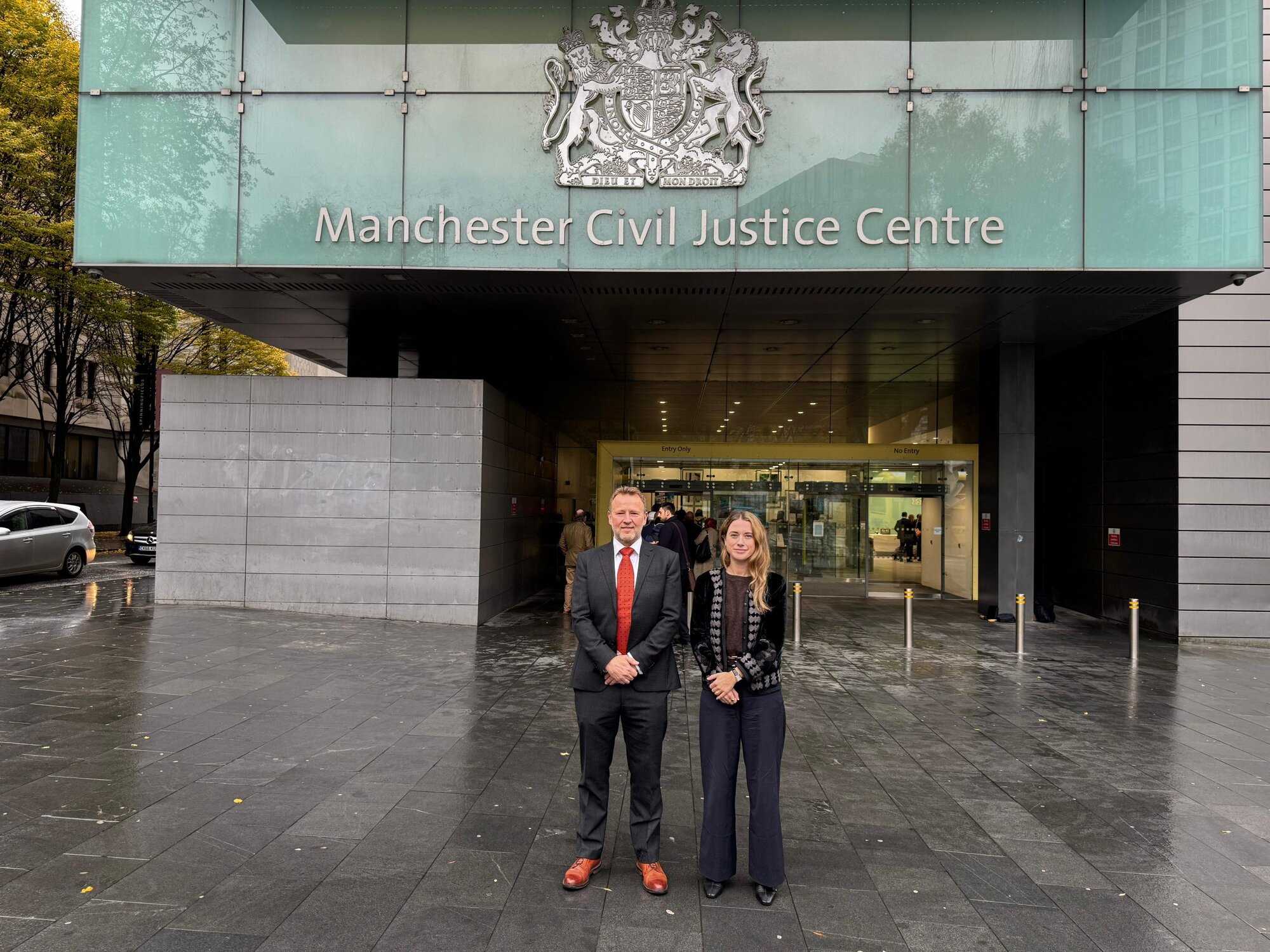
This week, the High Court finished hearing our legal challenge of Ofwat’s approach to its ‘not paying twice’ policy in its latest price review (PR24). The hearing took place over three days on 4, 5 and 17 November.

River Action, working with Leigh Day and expert barristers David Wolfe KC and Nicholas Ostrowski, brought this case to address our serious concerns about Ofwat’s approach. We argued that Ofwat’s current methods could allow water companies to charge billpayers again for environmental improvement works that they have already paid for, despite its promise that customers should not pay twice. We challenged Ofwat’s failure to require water companies to demonstrate compliance with environmental regulations as part of its price control exercise, as it said it would. We also highlighted flaws and gaps in Ofwat’s “clawback” mechanism, intended to prevent double funding when water companies fail to meet their environmental obligations.

Ofwat defended its approach, arguing that it never intended to look at actual compliance by water companies as part of its price-setting process and said that this was a reasonable approach to take given its regulatory function.  Ofwat said that its clawback mechanism did not need to be explained in PR24 and that it intended to develop a more detailed framework.

During the hearing, the court considered detailed evidence on Ofwat’s PR24 process and methodologies, including exchanges between campaigner Matt Staniek of Save Windermere and Ofwat’s CEO. The court also looked at Windrush Against Sewage Pollution’s evidence of illegal sewage discharges into Lake Windermere by United Utilities, the case study at the heart of the claim.

We think that this case has uncovered significant issues with Ofwat’s regulatory approach to its ‘not paying twice’ policy, with internal documents released in response to the claim revealing gaps in Ofwat’s understanding and enforcement of water company compliance with environmental law. As well as Ofwat’s approach likely allowing some form of double funding, these shortcomings are contributing to the ongoing sewage pollution crisis.

Due to the complexity of the issues, a judgment is not expected for several weeks. We will provide a further update as soon as the judgment is handed down.

Regardless of the legal outcome, we will continue to push for regulatory reform to ensure that billpayers do not pay twice for urgently needed infrastructure improvements and that water companies are properly held to account to stop sewage polluting our rivers.

River Action takes Ofwat to High Court, accusing regulator of letting customers ‘pay twice’ for same improvements

We are taking Ofwat to the High Court today, arguing that the economic water regulator acted unlawfully because its approach has potentially allowed water companies to charge bill payers twice for the same infrastructure improvements that would reduce pollution of our waterways.

At the heart of the case is Ofwat’s 2024 Price Review (PR24), which approved above inflation bill increases – averaging £123 a year per household – and authorised “enhancement expenditure” for water companies to upgrade wastewater treatment works and pumping stations including to meet their legal obligations. The case uses United Utilities and Lake Windermere as a case study, but we believe the claim has uncovered issues with Ofwat’s approach across England and Wales.

Ofwat’s own policy is that customers should not pay twice for enhancement schemes.

We claim that Ofwat acted unlawfully when it implemented its policy because its approach has allowed costs to be passed to customers without ensuring the funds actually deliver promised improvements rather than merely correcting historic underinvestment. In effect, we argue that Ofwat’s approach has likely allowed for paying twice, with some households having to pay for infrastructure improvements to achieve environmental compliance, which should have been funded from historic bill payments.

Our Head of Legal, Emma Dearnaley, said:

“It is fundamental that the public should not be made to pay twice for water companies’ past failures to invest in improvements to stop sewage pollution. But River Action is concerned that Ofwat’s approach means customers could be paying again. Meanwhile, degraded infrastructure keeps spewing pollution into rivers and lakes across the country that should have been clean decades ago. The regulator must ensure that the billions it approves results in legal compliance by water companies and that customers are charged fairly from now on. We cannot fix the sewage crisis or restore public trust until we have regulation that delivers for billpayers and the environment. ”


Legal grounds: flawed approach, weak enforcement


Represented by law firm Leigh Day, River Action will argue that:

Ground 1: Ofwat’s approach to implementing its own “not paying twice” policy was unlawful.

Ground 2: Ofwat ‘clawback’ mechanism to recover funds if water companies misuse customer money is flawed and incomplete.

Leigh Day partner Ricardo Gama, who represents River Action, said:

“Our client believes that this case shows that Ofwat has failed to make sure that water bills are used for infrastructure upgrades. River Action will argue that the money that could and should have been used to make essential infrastructure improvements is now gone, and customers are being asked to foot the bill for those improvements a second time over.”


A case with national implications


Although the legal challenge focuses on the PR24 determination for United Utilities and the Windermere schemes, we believe the outcome has national significance. The case aims to expose systemic failures in how Ofwat oversees compliance across the entire water industry and how it routinely signs off funding that could allow water companies to use customers’ money to rectify their own past non-compliance.


Windermere as a case study for a national problem


Lake Windermere, the “jewel in the crown” of the Lake District, has become a symbol of the crisis in England’s waterways. Despite being a designated protected site, monitoring data shows thousands of hours of sewage discharges every year from nearby treatment works and pumping stations.

Our case uses Windermere as a case study to illustrate a national problem. If such failures can happen at one of the country’s most iconic lakes, the charity argues, they are likely happening across the network of water and sewerage systems in England and Wales. Our concern with Ofwat’s approach to implementing its own ‘not paying twice’ policy extends across all of the 4,000 schemes it has approved across England and Wales.


Beyond the courtroom: a call for regulatory reform


Our legal challenge is part of its broader campaign to reform how water regulation works in the UK. We argue that Ofwat, as currently structured, has become too close to the companies it regulates and too distant from the public interest it is meant to serve.

Since the case was filed, the Independent Water Commission has also raised many of our concerns, calling for a major overhaul of the regulation of water services in England and Wales with a new single integrated regulator replacing the current fragmented system (including Ofwat) and with long-term infrastructure investment and asset health being central to making the system fit for the future.

Crucially, the outcome of this case should have profound consequences for PR29, the next five-year regulatory review.  PR29 must not repeat the same failures of PR24. A reformed, well-resourced and robust regulator – with Ofwat’s current structure and functions expected to be abolished and included in the new regulator following the Commission’s recommendations – must ensure full environmental compliance by water companies before customers are asked to pay.


Notes to editors

The hearing takes place at Manchester Civil Justice Centre on November 4th & 5th.
River Action is represented by law firm, Leigh Day, and barristers David Wolfe KC and Nicholas Ostrowski.

ASA ruling exposes Red Tractor as greenwash – River Action demands supermarkets act

New figures reveal staggering 19,000 breaches across 60% of inspected Red Tractor farms, exposing systemic failure behind the label’s “environmentally friendly” claims

River Action is calling on leading supermarket retailers including Tesco and Asda to stop relying on Red Tractor for environmental certification. The scheme has been exposed for serious environmental greenwashing in an Advertising Standards Authority (ASA) ruling.

Having filed the complaint in April 2023, the case is thought to be one of the longest investigations in ASA history.


ASA ruling: Red Tractor environmental claims ‘misleading’

The ASA has today upheld a complaint by River Action’s Chair and Founder, Charles Watson, ruling that Red Tractor – the UK’s largest farming assurance scheme – misled the public about its environmental standards and exaggerated the benefits of Red Tractor endorsement.

River Action challenged advertising for the Red Tractor scheme because of its concerns that environmental standards relating to pollution on Red Tractor farms were not being met – including the claim “When the Red Tractor’s there, your food’s farmed with care… from field to store all our standards are met”.

During its investigation, the ASA considered extensive evidence and arguments put forward by Red Tractor including that it was not an environmental certification mark specifically so “did not seek to replicate environmental law or even cover all aspects of pollution risks by farms”.

The ASA concluded that the evidence provided by Red Tractor to demonstrate compliance with basic legislative standards and a good environmental outcome was insufficient to substantiate the claim which “farmed with care… all our standards are met” conveyed to consumers. The advert breached BCAP Code rules 3.1, 3.2 (Misleading advertising), 3.9 (Substantiation) and 3.12 (Exaggeration).


 

Evidence of non-compliance and pollution

Red Tractor’s marketing claimed its farms take “a preventative approach to protect the environment”, citing reduced pesticide use, strict pollution controls, and rigorous soil management.

However, as part of its ASA complaint, River Action presented damning evidence – supported by Environment Agency (EA) data (2014 – 2019) – that Red Tractor farms are routinely linked to serious environmental harm:

  • Red Tractor farms were responsible for most agricultural pollution incidents in England over a five-year period.
  • 62% of the most serious pollution events (Categories 1 & 2) involved Red Tractor-certified farms.
  • Certified farms had worse compliance rates than non-certified farms (26% vs 19%).
  • In a North Devon case study (2016–2022), 87% of Red Tractor farms inspected by the EA were in breach of environmental rules.         

The EA rejected Red Tractor’s bid for “Earned Recognition” due to its failure to meet minimum environmental standards.

But more than two years on, River Action can now reveal – through Environmental Information Requests – that serious pollution and regulatory failures persist on Red Tractor–certified farms. The data covers the period January 2020 and July 2025 and reveals the following:

  • 7,353 Environment Agency officer inspections of farms claiming Red Tractor status
  • Alarmingly, 4,353 of these inspections (nearly 60%) identified at least one breach of environmental regulations.
  • A staggering 19,305 instances of non-compliance were recorded across failing Red Tractor assured farms.
  • Cattle farming accounted for just over 25% of non-compliance, with 13.2% from beef farms and 12.4% from dairy farms.
  •  1,373 follow-up inspections were required to address non-compliance.
  • Even when actions were completed by deadlines, a substantial number of farms still failed to meet environmental standards, with only 4,657 actions recorded as completed on time. 
  • This demonstrates that membership of the Red Tractor scheme does not guarantee compliance with environmental regulations.


Supermarkets: up your standards

River Action is now warning major supermarkets that by using Red Tractor to reassure customers they are buying food produced to basic environmental standards they risk complicity in misleading advertising, while pollution of the UK’s rivers continues.

Given their enormous market share and purchasing power, supermarket retailers wield significant influence over UK food supply chains and therefore have the opportunity to drive rapid action to address the environmental harm caused by the industry. 

For example, Tesco dominates the supermarket sector with nearly 30% of the market (28.1%), sourcing vast quantities of Red Tractor meat and poultry through suppliers such as Moy Park and Avara Foods.

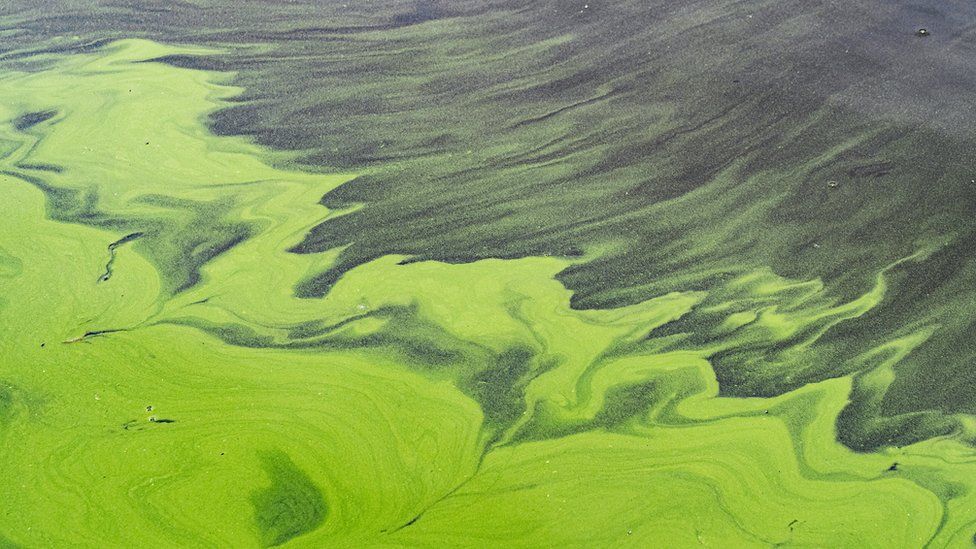
According to a recent news report, Moy Park has been implicated in the devastating environmental catastrophe at Northern Ireland’s Lough Neagh, where recurring summer blooms of toxic blue-green algae threaten both wildlife and the health of the lake. 

Similarly, Avara Foods, owned by US agribusiness Cargill and linked to the ecological collapse of the River Wye, boasts on its corporate website: “You can trust that we do things ethically; all of our chicken is Red Tractor approved.”


Other major retailers in the frame

Tesco are not alone. River Action is also calling on Aldi, Lidl, Morrisons, Asda, and others to stop relying on Red Tractor as a mark of environmental standards and protection:

  • Asda – 11.9% market share; told Farming UK: “We continue to source all our other fresh primal chicken from UK Red Tractor Assured farms.” Its website states, “The Red Tractor badge is a standard of excellence….It’s about producing the best possible product in an environmentally friendly and sustainable manner.”  
  • Aldi – 10.9% market share; major buyer of Red Tractor products and states that…you can trust the products you buy when you see the Red Tractor logo…..Red Tractor….(covers) animal welfare, food safety, traceability and environmental protection. Food and drink bearing the Red Tractor logo has been produced responsibly to some of the most comprehensive and respected standards in the world.”
  • Morrisons – 8.4% market share; states that “100% of the fresh pork, beef, lamb, poultry, milk and cheddar cheese we sell in our stores comes from farms certified by Red Tractor, or an approved equivalent scheme, giving customers assurance on food safety, hygiene, animal welfare standards and environmental protection.”
  • Lidl – 8.1% market share;  publically state that “we work closely with Red Tractor to ensure that our British meat, poultry, fruit and veg is responsibly sourced to strict food hygiene, animal welfare and environmental standards.
  • Sainsbury’s, once a Red Tractor buyer, has already distanced itself from the scheme. In 2014, then-CEO Justin King called it “the refuge of scoundrels” and criticised it for setting a “low bar that frankly anybody could use.”


What Tesco says

Celebrating 25 years of Red Tractor, Natalie Smith, Tesco Head of Agriculture, said last month: We’re proud to support British agriculture and the thousands of farmers and producers who provide us with quality, affordable, sustainable products year-round. Certification schemes play a key role in providing reassurance for customers, and over the past 25 years, Red Tractor has established itself as a mark of quality, standing for food safety standards, animal welfare and environmental protection.

“We recognise there is still more to do, and it’s essential we continue to work in partnership with Red Tractor to improve standards, and take quick action to drive forward change, strengthening the farming industry for generations to come.”

The Tesco website proudly states, “We require the majority of our meat, dairy, fruit and vegetable products produced in the UK to meet the Red Tractor standard, or an appropriate equivalent. The Red Tractor standards ensure that the production of these products does not have an adverse impact on the environment. For example, pesticides and fertilisers must be applied and stored in ways that minimise pollution of soil and groundwater; it also provides extensive guidance on manure management.”


River Action responds

Chair and founder of River Action Charles Watson said, “Red Tractor farms are polluting the UK’s rivers, and consumers trying to make environmentally responsible choices have been misled. This ASA ruling confirms what we’ve long argued: Red Tractor’s claims aren’t just misleading – they provide cover for farms breaking the law. The time has now come for our major food retailers to lay out credible plans as to how they will move away from this busted flush of a certification scheme and support farmers whose working practices are genuinely sustainable.

“Supermarkets and their suppliers now face serious reputational risk if they hide behind Red Tractor greenwash. By selling products linked to pollution, they deceive customers, undermine trust, and fail in their duty to ensure supply chains obey the law.”


Consumers want confidence, not greenwashing

River Action says that supermarkets need to use assurance schemes that give consumers genuine confidence that the products they buy are not linked to lawbreaking or environmental harm. At present, Red Tractor fails to provide this. An assurance scheme should be meaningful. Supermarkets already have credible models in place for fresh produce, so the same rigorous standards should be applied to livestock.

River Action has written to all the major supermarkets, calling on them to:

  • Publicly acknowledge the ASA ruling and findings by informing their customers of the misleading labelling and committing to driving change both within farming and food standards and within food certification.
  • Publish a clear and transparent roadmap showing how they will certify the environmental standards of all their food produce – including eggs, poultry, dairy, and fresh produce. This roadmap should set out rigorous environmental requirements, be backed by independent inspections, and ensure full public reporting, so customers can see and trust the standards behind the food they buy.


Red Tractor’s own data shows that its logo appears on approximately £18bn worth of food sold annually, meaning this greenwash reaches deep into Britain’s shopping baskets. Jim Moseley, Red Tractor’s CEO, has also boasted that consumer trust in the scheme is tracking at 74%.

Martin Lines, CEO of the Nature Friendly Farming Network, added: “Consumers and farmers want real sustainability, not a sticker. They want confidence that the British produce they buy does not harm the environment or our rivers. 

“Supermarkets and fast-food chains hiding behind Red Tractor need to sort out their suppliers or face low consumer confidence and difficult questions about the environmental violations in their supply chains that are damaging our rivers. Farmers committed to nature-friendly practices must be properly rewarded, or the system will continue to incentivise damaging methods”

Hugh Fearnley-Whittingstall said, “As someone who will always support farmers who work positively with nature, protect the environment and feed the nation, I am deeply concerned by the ASA’s ruling exposing Red Tractor’s persistent greenwashing. For years, consumers have trusted the logo as a sign of environmentally responsible farming, yet the evidence shows widespread environmental breaches that are causing ongoing pollution all over the UK. 

“Supermarkets should not hide behind environmental certification that fails both the planet and honest producers. They have enormous influence and must use it to drive genuine progress that benefits the environment.  That means paying farmers properly for sustainable practices, supporting nature-friendly food production, and leading the way in either rigorously reforming or, if necessary,  completely dropping Red Tractor as a mark of environmental standards.

“Customers deserve more than misleading labels. They deserve assurance that their food supports farming that regenerates soils, protects wildlife, and respects the environment. It is time for supermarkets to step up, take responsibility, and make sustainability a real priority, not a fake one.”

River Action’s complaint to the ASA was prepared with the expert support of Leigh Day solicitors — Ricardo Gama, Carol Day, Julia Eriksen and Lily Hartley-Matthews — together with counsel Tom de la Mare KC and George Molyneaux of Blackstone Chambers. Their advice and representation were instrumental in securing this ruling.

Leigh Day partner Ricardo Gama, who represents River Action, said, “After a two and half year investigation, River Action is delighted that the ASA has finally ruled that Red Tractor was likely to mislead consumers when claiming that its certification scheme ensures high environmental standards. 

“The length of time of the investigation was a result of the contested nature of the case, with both River Action and Red Tractor arguing tooth and nail for their positions. This should set a precedent for other advertisers, including those in the food industry, that misinformation will not be tolerated.”


Consumers: demand better

River Action is urging the public to pressure supermarket retailers into telling their customers the truth about Red Tractor-labelled produce.

Support the campaign: Tell your supermarket to expose Red Tractor
If you shop at these supermarkets, tell them to clean up their supply chains and stop profiting from environmental harm. For more information and to find out how you can support the campaign, visit www.upyourstandards.riveractionuk.com.


Notes to Editor
The source for supermarket market share figures is a Kantar article published on 24 June 2025, which you can read here.

An assessment carried out by the Environment Agency (EA) in 2020, revealed that between 2014 – 2019 Red Tractor-assured farms were responsible for the majority of instances of agricultural pollution over a five-year period. The assessment revealed that of a total 4,064 pollution incidents RT farms were responsible for 62% of category 1 and 2 incidents and 56% of category 3 incidents. Significantly, the report concluded that RT farms were less compliant (26%) with EA inspections compared to non-RT farms (19%). As a result of this assessment, a request by Red Tractor for its assured farms to benefit from EA “Preferred Status” was denied.

When we received the data from the Environment Agency, they advised that many farms include more than one livestock or crop type. As a result, category totals may not add up precisely to the overall inspection figure.

Our research indicates that we could not find any ASA case that took longer to resolve than our complaint against Red Tractor. On its website, the ASA notes that, “A small number of our most complex cases can take six months or more to complete if, for instance, we need to appoint independent experts to help us assess evidence.”

At a webinar in April 2024, Red Tractor CEO Jim Moseley told the Tenant Farmers Association that the Red Tractor logo features on £18 billion worth of food sold each year. He also claimed that public trust in the Red Tractor scheme stands at 74% (watch from around 9 minutes 31 seconds).

ASA ruling of 15 October 2025:

  • River Action challenged a 2023 advert for Assured Food Standards’ Red Tractor Scheme because of its concerns that environmental standards relating to pollution on Red Tractor farms were not being met. 
  • The ASA considered extensive evidence and arguments put forward by Red Tractor, including its own claims that environmental protection was not its primary focus and that RT was not an environmental certification mark specifically so “did not seek to replicate environmental law or even cover all aspects of pollution risks by farms”. 
  • The ASA assessed how the notional average consumer, who was reasonably well-informed and reasonably observant and circumspect, was likely to view the ad. This included the claim “When the Red Tractor’s there, your food’s farmed with care… from field to store all our standards are met”, highlighting the use of Red Tractor labelling across all aspects of food production and farming. The ASA considered that at least some consumers would expect that, in giving assurances about high standards of farming and food production, Red Tractor’s standards would include measures to manage and mitigate environmental risk that arose through farming practices. The ASA also considered that consumers would expect that such standards incorporated compliance with or reflected at least basic legal requirements concerning food safety, animal welfare and environmental protection, and that measures were in place to help produce a high standard and quality of food (in line with the objectives of the Red Tractor scheme, which included environmental measures, as explained on Red Tractor’s website).
  • In reaching its decision, the ASA looked at Environment Agency (EA) reports and data which showed “around half of RT farms being not fully compliant” and led the EA to conclude “The evidence gathered through this project indicates that Red Tractor membership is not currently an indicator of good environmental performance”.
  • The ASA concluded that the evidence provided by Red Tractor to demonstrate compliance with basic legislative standards and a good environmental outcome was insufficient to substantiate the claim which “farmed with care… all our standards are met” conveyed to consumers. 
  • The advert therefore breached BCAP Code rules 3.1, 3.2 (Misleading advertising), 3.9 (Substantiation) and 3.12 (Exaggeration).
The Wildlife Trusts Report: More Proof Our Rivers Need Urgent Action

A Call for River-Friendly Farming: Why We Can’t Ignore Factory Farm Pollution

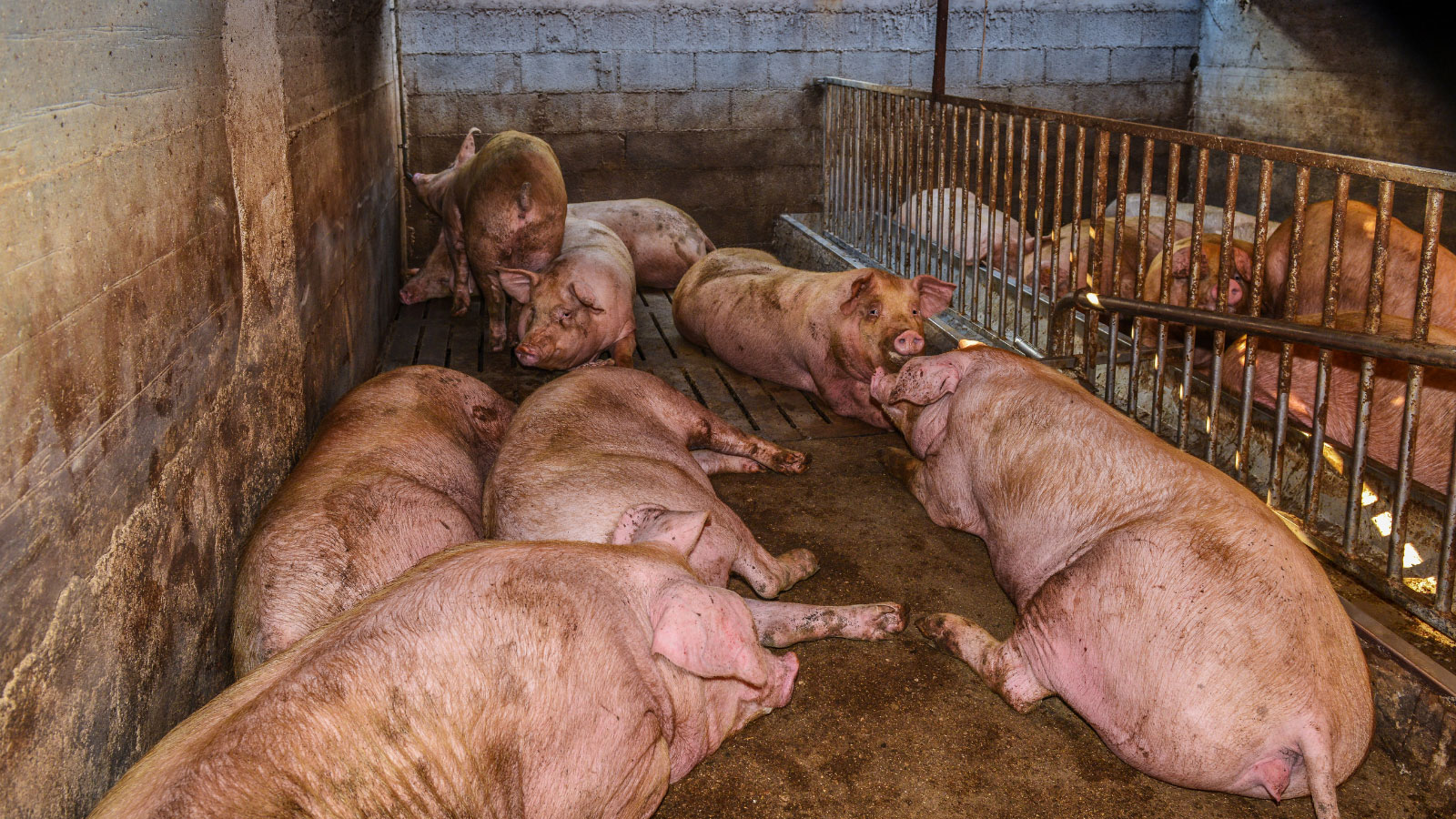
Today, The Wildlife Trusts released a powerful new report exposing the devastating environmental toll of the UK’s intensive pig and poultry industry. For those of us fighting to protect our rivers, its findings come as no surprise – but they provide yet more hard evidence of the scale of damage being caused by factory farming.

At River Action, we welcome this report wholeheartedly. Communities along the Wye, Severn and Kennet have long been raising the alarm about nutrient pollution from intensive farming. This report adds weight to their voices, strengthening the case for urgent change.


Why enforcement matters

The “Farming Rules for Water” already exist to stop pollution – but they remain largely unenforced. Without real accountability, factory farm pollution continues unchecked, leaving rivers overloaded with nutrients and communities paying the price. If the government is serious about protecting nature and rebuilding trust, it must enforce the law while helping farmers make the shift towards more sustainable practices.


River Action’s fight against factory farm pollution – Timeline

We have has taken major legal steps to hold polluters and the authorities enabling them to account:

Taken together, these legal battles underscore a simple truth: without urgent action to rein in the industrial farming model, our rivers and the wildlife that depend on them will continue to pay the price.


What’s next?

The evidence is overwhelming. The law is clear. And communities are demanding change. Now the government must act – ensuring regulations are enforced and farmers are supported in transitioning to sustainable, river-friendly farming practices.

Because nothing less than meaningful reform will do.

The Water Commission’s Final Report: Why It Falls Short – And What Must Come Next

By Amy Fairman, Head of Campaigns

At the end of July, the Independent Water Commission released it’s final report on the state of our water industry with recommendations on how the industry could be fixed. River Action, alongside Surfers Against Sewage, has analysed the recommendations against our five core principles for real reform.

Our conclusion? While the Commission makes some useful noises about reform, it ultimately ducks the bold changes needed to end sewage pollution and protect people and nature.

Here’s how the Commission performed when measured against our principles – and why government must now go much further with its upcoming White Paper.


1. Operating for Public Benefit

The Commission’s approach accepts the profit-driven privatised model of water companies as a given. Instead of rethinking this broken system, it focuses primarily on tighter regulation.

This is not enough. Decades of evidence show that shareholder-first models drain money out of the system while rivers fill with sewage. The Commission ignored credible international evidence that public benefit ownership models – like those in much of Europe – deliver lower bills, more investment, and cleaner rivers.

Without a fundamental redesign of ownership, governance, and financing, alongside regulatory reform the crisis will continue.

2. Democratic Decision-Making

The Commission’s proposal for Regional Water Authorities is a step forward, hinting at more democratic oversight. But as drafted, these bodies risk being toothless talking shops.

Real reform requires municipal-level oversight, with local authorities, communities, and environmental groups holding real power over how water companies invest, operate, and deliver. Without this, decisions will remain in the hands of profit-driven boards.

3. Protecting Public and Environmental Health

The Commission acknowledges sewage pollution is a major public health crisis – but stops short of the urgent action needed.

Taskforces and reviews won’t protect the thousands of people falling ill after using polluted rivers and seas. We need immediate legal duties for all water companies, regulators, and government to protect public and environmental health, backed by stronger permits and updated Bathing Water Regulations that safeguard everyone, year-round, from emerging pollutants like ‘forever chemicals’ and microplastics.

4. Tough, Independent Regulators 

The Commission rightly diagnoses regulatory failure. But renaming regulators without changing their powers, duties, and resources will not fix the problem.

We need a strong, independent regulator with a clear duty to protect public and environmental health – not water company profits. And where companies fail, government must use the Special Administration Regime to reset them around public benefit principles, starting with Thames Water.

5. Transparency

The Commission calls for more monitoring – which we welcome – but still clings to the discredited model of operator self-monitoring, where water companies mark their own homework.

That system has failed. Independent monitoring, citizen science, and full real-time transparency are the only way forward. People deserve to know what’s happening in their rivers and seas.


The Bottom Line

The Water Commission’s report was a once-in-a-generation opportunity to reset a failing system. Instead, it tinkers at the edges, leaving the profit-driven model intact and communities exposed to sewage, debt, and declining water quality.

Government must now go further. The upcoming White Paper must:

  • Restructure water companies to deliver public benefit, not private profit.
  • Embed democratic oversight at local and regional levels.
  • Put public and environmental health at the heart of water law and regulation.
  • Create a tough, well-funded regulator with the power to act.
  • End operator self-monitoring and deliver full transparency.

Anything less will leave us trapped in the cycle of pollution, public anger, and political failure.

You can read our full indepth analysis HERE.

Plans for 32,000-bird “Megafarm” on the River Kennet Rejected

Berkshire factory farm plans rejected in win for river campaigners


A major win for river campaigners has been secured in Berkshire. Plans for a 32,000-bird egg production unit near Marsh Benham, close to the River Kennet, have been rejected following strong objections from local residents, environmental groups, and anglers led by Action for the River Kennet.

A major win for river campaigners has been secured in Berkshire. Plans for a 32,000-bird egg production unit near Marsh Benham, close to the River Kennet, have been rejected following strong objections from local residents, environmental groups, and anglers led by Action for the River Kennet.

The proposed development would have been sited on the banks of one of the world’s rare chalk streams – the River Kennet, a designated Site of Special Scientific Interest.


Why was the application turned down?

The application was turned down based on the harmful effects from groundwater pollution and surface water runoff that could result from the development, particularly through increased phosphorus and nitrogen deposition. These risks had not been adequately avoided, mitigated, or compensated, with insufficient information provided to justify otherwise.


Community-led resistance


The objection was spearheaded by Action for the River Kennet (ARK) and the Angling Trust, with support from River Action. Together, they argued that the risks to the river had not been properly addressed or mitigated.

Local resident Kate Jones, who objected to the application said:

“We are a small community who have come together to fight this, and we want to encourage others that it can be done. We are incredibly pleased and relieved it has been refused. The River Kennet is safe from such developments for now, though West Berkshire Council have left the door open for SRSL to resubmit. We would also like to thank everybody who has lent their support to our campaign, including River Action.”


A turning tide against factory farming


This decision follows our successful legal case against Shropshire Council, where the High Court overturned approval for a 200,000-bird intensive poultry unit near Shrewsbury in the River Severn catchment. That ruling was described as a “national precedent” and “a pivotal moment in the movement against factory farming in the UK.”

Our CEO and local resident James Wallace added:

“I learned to swim and fish in the River Kennet. This decision sends a strong message: communities will not allow our rivers to continue to be the dumping ground for industrial-scale agriculture. The rejection of this damaging proposal is a victory for rivers, wildlife, and the united voices of concerned local residents, and further evidence that the days of factory farms wrecking our waterways may be numbered.”

The Angling Trust also objected to the application. Martin Salter, lifelong Kennet angler and Head of Policy at the Angling Trust said:

“We told the Sutton’s Estate back in March that the game is up and they should withdraw their irresponsible application to locate a polluting poultry unit on the edge of the Kennet floodplain and just a few hundred metres from a highly protected SSSI, but they didn’t listen. It’s been a long hard campaign but I’m so pleased that common sense has finally prevailed and those of us who love and cherish Berkshire’s most famous chalkstream can breathe a sigh of relief.”


Why is this important for our rivers?


We have consistently warned of the devastating impacts of intensive livestock units on the health of Britain’s rivers. Phosphorus and nitrogen pollution from such sites is a leading cause of algal blooms, oxygen depletion, and widespread ecological damage. Stopping megafarms proposals like the one on the Kennet is integral to protecting the health of our rivers.

Our CEO adds:

“This is an important step forward, we must now accelerate the transition to farming practices that support farmers to work with nature, not against it. Communities are speaking out, decision-makers are listening, and the era of industrial river-wrecking factory farms is drawing to a close.”


Fightback against factory farms: New toolkit to empower communities


As the fightback against industrial-scale factory farms that wreck our rivers gathers pace, we have launched a new Planning Toolkit. This resource is designed to empower individuals and community groups to object to developments that may threaten their local waterways. Be sure to check it out!

Caution to Steve Reed: Don’t betray the public with Thames Water

In response to recent developments, we have written to Environment Secretary Steve Reed to welcome recent steps to prepare for placing Thames Water into a Special Administration Regime. BUT we’ve warned that writing off Thames Water’s debts only to sell the company to another private foreign investor would be a profound betrayal of the public

It follows news reports that the Government is preparing to take control of Thames Water, wipe its debts, and sell it to a Chinese infrastructure company, CKI.

READ THE LETTER

In the letter, we urge the Government to use Thames Water’s Special Administration Regime not as a prelude to another overseas takeover, but as an opportunity to restructure the utility so it is run for public benefit, transparency, and long-term environmental protection.

River Action’s Head of Campaigns Amy Fairman said: 

“Writing off Thames Water’s debts only to sell it to another foreign investor would be a betrayal. 

“This crisis is a chance to rebuild it for public benefit, not private profit. Labour campaigned hard during last year’s election on promises to get a grip on the water crisis and act tough on failing water companies. This is a chance to chart a new course, not repeat the mistakes of the past by selling to overseas buyers eyeing a bargain.

This is a moment for leadership, not short-term expediency. Running Thames Water for public benefit rather than private profit is the surest route to cleaner rivers and satisfying public demands. The Thames and its tributaries are a lifeline for millions – and their health is inseparable from the wellbeing of our environment, economy, and public health,”

The letter outlines the decades of failure that have left Thames Water in crisis: spiraling debt, chronic underinvestment in infrastructure, worsening pollution of rivers, and repeated breaches of environmental law. 

Repeated changes of ownership – often to opaque overseas private investment groups – have consistently prioritised shareholder returns and high-cost debt over safe, clean water and the health of our waterways.

Our key demands to Government:

  1. Rule out the sale of Thames Water to another foreign-owned private investor and ensure a public benefit ownership, investment and governance structure
  2. Use the special administration process to fundamentally restructure Thames Water’s finances and operations to invest in infrastructure that will secure water and protect the environment
  3. Ensure the public does not bail out private investors during the special administration regime and dispel the myth that Thames Water is worth tens of billions
  4. Write-off the current high-interest debt and use Government-backed bonds to significantly lower the burden and attract low-risk, low return, long-term investors
  5. Use the Special Administration Regime for Thames Water as an opportunity to design a permanent public benefit test model for water utilities


It’s clear that the public patience is exhausted and that repeating the same failed privatisation model would undermine trust further.


Campaign Win! New DEFRA guidance a win for our rivers

DEFRA has issued stronger guidance on Farming Rules for Water. The change means that manure can now only be spread when crops actually need it – not at times it can just run off and pollute our river. After years of campaigning and legal pressure, we welcome this significant step forward that provides stronger protection for England’s rivers from agricultural pollution.

The stream of events:

June 2022 – Manure and fertiliser overuse is killing our rivers

In 2022 WWF and ClientEarth launched a legal complaint to the UK’s environmental watchdog the Office for Environmental Protection (OEP). The complaint was related to DEFRA’s guidance with regard to the overuse of manure and fertiliser which floods our rivers with nitrates and phosphates, fuelling algal blooms that choke ecosystems and suffocate wildlife.

May 2024 – Farming practice must change

As a result of our legal challenge against the Environment Agency (EA), the High Court ruled that farming practices must change to comply with the Farming Rules for Water – a response to the EA’s failure to prevent pollution in the River Wye and other threatened waterways. As a result of this legal action, Defra committed to reviewing its guidance.

June 2025 – New Farming Rules for Water

In June 2025, DEFRA released revised statutory guidance ‘Enforcing the Farming Rules for Water’. While this was a welcome step, it fell short in two key areas:

1) Autumn manure spreading: It didn’t go far enough to clarify the rules around autumn manure spreading – a practice often linked to river pollution.

2) A lack of clarity around enforcement thresholds: I.e. How are the rules actually going to be enforced.

In particular, some farming commentators wrongly interpreted the guidance to mean that autumn spreading could still go ahead as usual. However, The High Court ruling in River Action’s legal case demonstrated that it is unlikely to be compliant with the Farming Rules for Water unless it’s in exceptional and specific circumstances. The new guidance failed to set this out.

July 2025 – Closing the loophole

To address these issues, we wrote to DEFRA to seek urgent clarification. We’re pleased to say DEFRA listened. On 16 July, DEFRA issued additional new guidance to farmers called ‘How to comply with the Farming Rules for Water’. This new guidance made it explicit that manure must only be applied when it meets crop or soil need at the time of application – a critical clarification that closes a dangerous loophole and brings guidance in line with the law.

If accompanied by robust enforcement and clear advice for farmers, this should lead to much stronger compliance and significantly reduce agricultural pollution across England’s rivers. We’re grateful to DEFRA for taking these vital steps forward to rescue our rivers. We’ll continue pushing for the protections our rivers so urgently need.

River Action launches legal challenge against the Government over Thames Water failures

River Action launches legal challenge over Government’s failure to explain when it will trigger special administration for Thames Water


We have filed a legal claim over Environment Secretary Steve Reed’s failure to explain when he will trigger special administration for Thames Water and other failing water companies – despite having the legal mechanism to take action, serious breaches by Thames Water, rising harm to customers and rivers, and calls from the Independent Water Commission for a clearer policy.

Our legal challenge is simple: we say that the Environment Secretary has acted unlawfully by failing to have or publish a policy on when he will use his power to ask the High Court to put a water company in the Special Administration Regime (SAR) – a mechanism under existing legislation specifically designed to enable the government to take action to deal with failing water companies.

This comes amid the deepening crisis at Thames Water, which has repeatedly breached environmental law, mismanaged its finances, failed to invest adequately in infrastructure, and shattered investor confidence and customer trust. Thames Water is on the brink of collapse with £20 billion in debt and widely regarded as no longer investable, with customers and the environment paying the price.

Steve Reed as Environment Secretary or Ofwat as water regulator (with his approval) have the power under section 24 of the Water Industry Act 1991 to ask the High Court to place a water company in special administration on either financial or performance grounds.

Special administration is a temporary insolvency and restructuring process for companies that provide essential public services like water, energy or transport. It is designed to ensure continuity of service while the company is stabilised and restructured. There is a bespoke special administration regime for the water industry, created in 1991 and designed to prioritise customers and services, putting financial interests second. Where water companies are failing, special administration can provide better, fairer and more sustainable outcomes – with the major benefit that it gives the water company the ability to recover and refinance with the opportunity for funds to be redirected away from investor profits towards the urgent infrastructure improvements needed to solve the ongoing sewage crisis, all without exposing its customers and at little cost to the public purse. Yet special administration has never been used for the water industry.

Thames Water has breached its duties and violated its licence conditions, seriously and repeatedly. It is the clearest possible case for special administration.

River Action’s legal challenge

The judicial review is concerned with the legal requirement for the Environment Secretary to have a policy for when he will trigger special administration for water companies. The claim challenges two key failings by the Government:

  1. Failure to publish a policy, breaching core public law duties.
  2. Failure to develop a policy at all, breaching obligations under the Habitats Regulations and other planning and environmental law.

Special administration is not limited to insolvency. It can also be used to protect customers and the environment when a water company is failing to meet performance standards. Our claim focuses on the Government’s approach to triggering a performance-based special administration process.

Under section 24 of the Water Industry Act 1991, special administration can be triggered by a water company’s failure to meet performance standards and a breach of its statutory or licence duties in ways that are “serious enough to make it inappropriate for the company to continue to hold its licence”. We believe that Thames Water clearly meets this threshold and has done so for years.

Independent Water Commission on Special Administration 

Last week, the Independent Water Commission, chaired by former Bank of England Deputy Governor Sir Jon Cunliffe said that “the policy around SAR assessment should be set out more clearly”.  The Commission also said that “SAR should be a practical option for the regulator and government” and stressed the importance of water companies preparing a plan for SAR now.

A route to public benefit models

We believe that special administration represents the most effective and immediate means of addressing the failures within the water industry. We see special administration as the first step toward meaningful and necessary systemic reform including providing the opportunity for a shift to a public benefit model of water ownership, governance and financing, of the type seen successfully implemented across Europe.

We are calling for the urgent use of special administration procedures for Thames Water as a tool to stabilise and reset using public benefit principles, with other failing water companies to follow as necessary.


Frequently Asked Questions


What is the Water Industry Special Administration Regime (SAR)?

The Water Industry Special Administration Regime (SAR) was introduced in England and Wales under the Water Industry Act 1991, with detailed procedures governed by the Water Industry (Special Administration) Rules 2009 and a comprehensive modernisation of the regime in early 2024. The legislative intent behind this regime is to protect consumers, public health and the environment in the event that a regulated water or sewerage company becomes insolvent (an insolvency SAR) or fails to carry out its statutory functions or licensed activities to such an extent that it is inappropriate for it to continue to hold its appointment or licence (a performance SAR).

An application for special administration of a water company may only be made by the Secretary of State or Ofwat with the Secretary of State’s consent. This contrasts starkly with normal administration under the Insolvency Act 1986 which can be applied for by creditors, the company or a director.

Special administration allows the Government to:

  • Appoint independent special administrators;
  • Restructure failing companies and their debt (the focus of an insolvency SAR);
  • Restore and maintain performance standards (the focus of a performance SAR);
  • Ensure water and wastewater services continue without interruption.

Importantly, the special administration regime is designed to keep services running using the company’s own revenues – from ongoing customer bills – not taxpayer funding. It is intended as a mechanism for accountability and  reform, not a bailout.

What are the details of the judicial review claim?

On 7 March 2025, we wrote to the Secretary of State for Environment, Food and Rural Affairs (“SSEFRA”) to ask whether the SSEFRA or the SSEFRA’s ministers had given consideration to whether it would be appropriate to exercise their discretionary power to apply to the High Court to have Thames Water placed into special administration in light of the contraventions of its “principal duties” in accordance with section 24 of the Water Industry Act 1991.

In response, the SSEFRA has refused to provide details of any such policy and has simply contended that there was no requirement to have a “written document or policy”.

Accordingly, we have three grounds of review:

  • Ground 1: Failure to publish a policy. The SSEFRA has a policy on the circumstances in which he will exercise his discretion pursuant to section 24 WIA and has acted unlawfully in failing to publish that policy.
  • Ground 2: Failure to have a policy. If, contrary to Ground 1, the SSEFRA does not have such a policy, that is in breach of Regulation 9(3) of the Conservation of Offshore Marine Habitats and Species Regulations 2017 (the Habitats Regulations).
  • Ground 3: Failure to have a policy. If, contrary to Ground 1, the SSEFRA does not have such a policy, that is in breach of section 85(A1) of the Countryside and Rights of Way Act 2000, as amended by section 245 of the Levelling-Up and Regeneration Act 2023.

We are seeking a mandatory order that SSEFRA either provides details of any policy or, if there is no policy, requires a policy to be developed and published.

Why does Thames Water need to be brought into Special Administration?

  • Persistent failures: Thames Water has a long record of breaching environmental, financial, and regulatory obligations.
  • Record fine: In May 2025, Thames Water was fined nearly £123 million by water regulator Ofwat for breaches of rules relating to its wastewater operations (£104.5 million) and breaches of rules relating to dividend payments (£18.2 million). This is the largest penalty Ofwat has ever issued.
  • Investor confidence collapsing: KKR, Thames Water’s preferred buyer, pulled out of negotiations leaving its various existing lenders as the only option.  Thames Water’s creditors have reportedly demanded that the company and its management be granted immunity from prosecution for serious environmental crimes as a condition of their restructuring proposals, without which Thames Water has said it would not be “investable”.
  • Inflated cost claims: The Treasury has claimed placing Thames Water into special administration could cost up to £4 billion – with reports it told DEFRA that it would have to meet these costs from DEFRA’s annual budget totalling £4.6 billion. Independent experts such as Professor Ewan McGaughey and Professor Dieter Helm believe the £4 billion figure is overstated and politically driven, with the likely costs being much lower and likely to be recouped by the Government on exit from administration.


What is the Independent Water Commission’s view on Special Administration?

On 21 July 2025, Sir Jon Cunliffe’s Independent Water Commission published its 88 final recommendations to the UK and Welsh governments for the reform of the water sector.

Two recommendations were made in relation to the special administration regime:

  • Recommendation 46: The regulator in England and Wales should continue to adopt an evidence-based process to consider, on a case-by-case basis, whether it would be appropriate for a water company to transition to an alternative ownership model where they request to do so or following a Special Administration Regime.
  • Recommendation 59: The regulator in England and Wales should develop and consult on a framework for ensuring companies are prepared for SAR.

In relation to Recommendation 59, the Commission said:

“793. The Commission believes the SAR should be a practical option for the regulator and government but that it should be very much a last resort. However well prepared, a SAR would be a major exercise which carries some risk of disruption to the company’s operation. The Commission notes that lowering the threshold for SAR would increase costs to customers through higher financing given the increased risk on investors. The Commission is also mindful of the risks in creating automatic triggers – experience in insolvency and similar regimes in other sectors, including financial services, is that conditions and circumstances of individual cases vary widely and cannot be anticipated. There is a need for broad, judgement based tests within a clear policy, that has been set out in advance, of how the regulator will assess failing companies against these tests, the factors it will take into account and the indicators it will consider. In the Commission’s view the two current tests for entry into SAR effectively balance objective and subjective factors and include an appropriate level of judgement.  It believes, however, that the policy around making the SAR assessment should be set out more clearly.

794. The Commission believes that further practical steps can be taken to ensure the SAR is a credible, but low probability, threat. In particular, as part of the SAR policy set out above, the regulator should develop and consult on a framework for ensuring companies prepare a plan for SAR. This should consider what the practical barriers to SAR might be, and how these can be mitigated in advance.”

Although the Commission’s recommendations focus on the regulator, its comments around the need for a clearer policy for special administration logically apply to both Ofwat as regulator and SSEFRA, as the two authorities with the power to petition the High Court for a special administration order.

“The illusion of change”: Water Commission falls short

Water Commission fails to propose bold reform

The Independent Water Commission’s final report fails to propose the bold reform urgently needed to fix the UK’s crumbling water system. While the report acknowledges the depth of the crisis, it ultimately offers “the illusion of change – not real change.”


Our CEO James Wallace said:

“This was a once-in-a-generation opportunity to reset a broken and corrupted system. Instead, the Commission blinked. After three decades of privatisation, there is no evidence it can work. The report diagnoses symptoms but avoids the cure, appeasing the vulture capital markets and failing to propose alternative public-benefit investment, ownership and governance models that have been proven across Europe. ”

“We needed a credible plan to rescue Britain’s rivers, lakes, and seas – and a clear pathway to bring failing companies like Thames Water into public control. Instead, we’ve been handed vague policy nudges that leave the current failed privatised water company model intact. When raw sewage is pouring into our waterways and reservoirs run dry, tinkering with regulatory half-measures simply isn’t enough to restore public trust. 

“The Government must act now with a powerful statement of intent by putting our biggest polluter – Thames Water – into Special Administration to send a warning shot across the stained bows of the Sewage Armada. Anything less will signal the UK is open to yet more corporate takeover. Our water is our life-blood and not for sale.”


What’s missing: the real reform agenda

River Action criticised the Commission for avoiding the structural changes needed to protect the environment, rebuild trust, and hold polluters accountable. Key omissions include:

  • Ending the privatisation model and shifting to public-interest ownership, based on successful international examples, which rebuild public trust and engage local stakeholders
  • Restructuring debt by using government-backed bonds that would reduce rapacious interest costs from 10-12%+ to 4%, saving 50% of customer bills
  • Triggering the Special Administration Regime (SAR) to bring failing companies like Thames Water into public ownership, which, contrary to ill-informed government warnings, will not cost the public purse billions
  • Acknowledging the true financial state of the industry – including that the cost of repairs to Thames Water’s assets of £23 billion would render its effective market value close to zero
  • Democratising governance, with public and environmental representation on company boards and transparent public oversight at regional and local levels
  • Banning self-monitoring, transforming data transparency and enforcing environmental laws through rapid, consistent prosecution including immediate access to courts, allowing regulators to focus on people and nature rather than polluters
  • Ensure the polluter pays principle is used across all upstream polluters, including agriculture and transportation, to clean-up our waterways

What the Commission gets right

River Action welcomed several important recommendations and acknowledgements:

  • When using Special Administration, the Government should consider public benefit ownership models – however there’s no mention of ministers needing to develop a clear, proactive policy now, not after Thames Water collapses
  • 8 new regional water system planning authorities to provide municipal oversight – described by River Action as “urgently needed,” especially following new figures showing a 60% increase in serious pollution incidents in 2024
  • A coherent 25 year national strategy for sewage and water infrastructure that connects planning, delivery, and pollution control across regions
  • The need for low-risk, low-return, long-term investment but falls short of stating convincingly how the failed privatised system can deliver this
  • The replacement of failed regulator Ofwat with a new regulatory watchdog but will it have the teeth to enforce the law?

River Action cautiously supports this proposed reform of regulation – provided it is ring-fenced from industry influence, properly resourced, integrates financial and environmental regulation, provides local oversight of planning, pricing and delivery and is empowered to keep water companies honest and puts public needs first.

Our CEO adds:

“Anything less risks repeating the same cycle of captured oversight and corporate impunity,”


A final warning against inaction

With public trust at an all-time low, River Action is calling on the Government to show leadership and adopt legally enforceable targets and reforms that:

  • End pollution for profit and the privatisation model
  • Prioritise environmental and public health
  • Return control of the UK’s water system to the public interest

We need bold and decisive leadership from the Labour Government to give the Environment Secretary and Defra the resources and support he needs to tackle the sewage scandal and freshwater emergency. If ministers fail to act now, they are not just neglecting their duty – they are protecting polluters and pandering to international investment markets, putting at risk our national water security, natural environment and public health. Delay and weakness is complicity in the further destruction of the lifeblood of our economy” – James Wallace, CEO of River Action

Privacy Overview

This website uses cookies so that we can provide you with the best user experience possible. Cookie information is stored in your browser and performs functions such as recognising you when you return to our website and helping our team to understand which sections of the website you find most interesting and useful.