


Today the High Court has handed down its decision on the lawfulness of Ofwat’s approach to its policy that water company customers should ‘not pay twice’ for sewer overflow upgrades to achieve environmental compliance and reduce pollution of our waterways. Although River Action’s claim was dismissed, the case has resulted in important clarity and should result in a better regulatory approach.
Ofwat is responsible for regulating water companies and controls what they can charge customers through its five-year price reviews, with Ofwat’s Price Review 24 (PR24) exercise setting charges for the sixteen largest water companies from 2025-2030. Following investigations into water company compliance after widespread sewage discharges were revealed in 2021, Ofwat promised that customers would not pay twice for environmental improvement works that had previously been funded and should already have been delivered.
Last year, River Action took forward this case because investigatory work by Save Windermere and Windrush Against Sewage Pollution identified potential systemic failures in how Ofwat oversees compliance across the entire water industry and how it routinely signs off funding that could allow water companies to use customers’ money to rectify their own past non-compliance. As well as ensuring customers do not pay twice, the key issue from River Action’s perspective is the significant long-term failures of water and sewerage companies to upgrade storm overflows, sewage treatment works and pumping stations to comply with environmental law because the sewage pollution that results from those infrastructure failures is causing harm to our rivers and lakes.
Internal documents that only emerged as a result of this litigation revealed significant confusion at Ofwat, indicating Ofwat may have failed to follow its ‘not paying twice’ policy because, as it admitted privately but not publicly, “some historical investment programmes now appear to fall short of what should have been required to comply”. Those documents showed that Ofwat did not know whether there was full compliance and whether customers would ultimately pay twice in some instances because Ofwat had failed to look at Urban Waste Water Treatment Regulations (UWWTR) compliance as well as environmental permit compliance. This is a major mistake that, unless monitored closely in the future, could result in billions of pounds of investment being spent on environmental improvements that should already have been delivered.
At the hearing, River Action argued that Ofwat’s approach was flawed and unlawful because:
Ground 1: Ofwat’s approach to implementing its ‘not paying twice’ policy was unreasonable because to actually show that customers would not pay twice (1) water companies needed to demonstrate current compliance (namely the reality on the ground, not simply assuming or modelling compliance) and (2) water companies needed to demonstrate customers would not pay twice for improvements that should have already happened. Essentially, our complaint was that Ofwat had publicly said that companies would have to demonstrate compliance but then dropped that requirement without explaining why.
Ground 2: Ofwat’s ‘clawback’ mechanism is flawed and incomplete because it is limited to double funding of permit compliance and does not deal with double funding of UWWTR compliance, despite Ofwat’s internal documents revealing both are required. This means it falls short of operating to ensure that customers will not pay twice.
The High Court has today ruled that Ofwat’s approach was lawful because Ofwat’s evidence provided a ‘sufficient logical basis’ for its approach. In reaching its decision, the Court said that Ofwat has ‘significant latitude’ when looking at the legality of its decisions relating to price controls and compliance because of its role and responsibilities as a regulator.
But the Court did not fully grapple with River Action’s case, focusing on whether Ofwat’s use of modelling data was in line with its ‘not paying twice’ policy but not addressing our key argument that Ofwat’s policy also requires companies to actually show permit compliance. The Court has also not addressed the regulatory gap that exists between Ofwat and the Environment Agency when looking at permit compliance.
There was a positive outcome on the issue of the ‘clawback’ mechanism (intended to prevent double funding when water companies cannot provide evidence of promised improvements towards the end of a price review period). At the hearing, it became clear that Ofwat has yet to settle the rules that will decide whether any clawback should occur, meaning this argument was found by the Court to be ‘premature’. This was a welcome clarification and leaves the issue open so that the clawback mechanism can be fixed and used by Ofwat to make sure customers do not pay twice.
Essentially, in dismissing River Action’s claim, the Court has said that it thinks Ofwat’s approach is good enough because in theory Ofwat might be able to ‘clawback’ money that is spent in breach of Ofwat’s ‘not paying twice’ policy.
That does not mean the water regulator should not do better. It can and it must.
Our legal challenge has shone a light on problems with Ofwat’s regulatory approach and highlighted the urgent need for reform. Going forward, the regulator must not allow customers to pay twice by ensuring that water companies comply with both permit compliance and compliance under the UWWTR. Ofwat must also settle the clawback mechanism so that it works in relation to both permit schemes and UWWTR schemes.
While we waited for judgment, in December 2025, the Office for Environmental Protection (OEP) published notices and reports finding that Ofwat, the Environment Agency and Defra failed to properly enforce the law relating to sewage discharges from combined sewer overflows. The OEP’s findings show that Ofwat did not understand for decades that it had a duty to enforce environmental compliance under the Water Industry Act and the UWWTR, only recognising in June 2022 it had this important enforcement function in addition to ensuring assets comply with their permits. This supports our case that Ofwat has not required full compliance in past price reviews and was trying to play catch-up in PR24, while claiming publicly that it only needed to look at permit compliance despite knowing that was only part of the picture.
This judgment and the OEP’s findings are timely as, following the recommendations of the Independent Water Commission, this Government now looks to overhaul the water sector including by creating a new integrated regulator to replace Ofwat and bring together economic, environmental and water quality regulation. The Independent Water Commission also made recommendations relevant to regulatory gaps in holding water companies to account for the delivery of infrastructure projects and customers not paying twice.
Whatever form the future regulator takes, its approach on this fundamental issue should be clear, transparent and fully compliant. Customers must not compensate water companies for poor performance by paying twice for improvements that have not been delivered. And the regulator must hold water companies fully accountable by enforcing all relevant laws.
We will not be appealing the decision. Our focus now is on continuing to push for the major regulatory reform needed to ensure real oversight and enforcement, so water companies are properly held to account and sewage pollution is stopped for good.
Tag: Ofwat
Campaign update: Our legal action against Ofwat
We took Ofwat to court to protect customers from paying twice and our rivers from sewage pollution
This week, the High Court finished hearing our legal challenge of Ofwat’s approach to its ‘not paying twice’ policy in its latest price review (PR24). The hearing took place over three days on 4, 5 and 17 November.
River Action, working with Leigh Day and expert barristers David Wolfe KC and Nicholas Ostrowski, brought this case to address our serious concerns about Ofwat’s approach. We argued that Ofwat’s current methods could allow water companies to charge billpayers again for environmental improvement works that they have already paid for, despite its promise that customers should not pay twice. We challenged Ofwat’s failure to require water companies to demonstrate compliance with environmental regulations as part of its price control exercise, as it said it would. We also highlighted flaws and gaps in Ofwat’s “clawback” mechanism, intended to prevent double funding when water companies fail to meet their environmental obligations.
Ofwat defended its approach, arguing that it never intended to look at actual compliance by water companies as part of its price-setting process and said that this was a reasonable approach to take given its regulatory function. Ofwat said that its clawback mechanism did not need to be explained in PR24 and that it intended to develop a more detailed framework.
During the hearing, the court considered detailed evidence on Ofwat’s PR24 process and methodologies, including exchanges between campaigner Matt Staniek of Save Windermere and Ofwat’s CEO. The court also looked at Windrush Against Sewage Pollution’s evidence of illegal sewage discharges into Lake Windermere by United Utilities, the case study at the heart of the claim.
We think that this case has uncovered significant issues with Ofwat’s regulatory approach to its ‘not paying twice’ policy, with internal documents released in response to the claim revealing gaps in Ofwat’s understanding and enforcement of water company compliance with environmental law. As well as Ofwat’s approach likely allowing some form of double funding, these shortcomings are contributing to the ongoing sewage pollution crisis.
Due to the complexity of the issues, a judgment is not expected for several weeks. We will provide a further update as soon as the judgment is handed down.
Regardless of the legal outcome, we will continue to push for regulatory reform to ensure that billpayers do not pay twice for urgently needed infrastructure improvements and that water companies are properly held to account to stop sewage polluting our rivers.
River Action takes Ofwat to High Court, accusing regulator of letting customers ‘pay twice’ for same improvements
We are taking Ofwat to the High Court today, arguing that the economic water regulator acted unlawfully because its approach has potentially allowed water companies to charge bill payers twice for the same infrastructure improvements that would reduce pollution of our waterways.
At the heart of the case is Ofwat’s 2024 Price Review (PR24), which approved above inflation bill increases – averaging £123 a year per household – and authorised “enhancement expenditure” for water companies to upgrade wastewater treatment works and pumping stations including to meet their legal obligations. The case uses United Utilities and Lake Windermere as a case study, but we believe the claim has uncovered issues with Ofwat’s approach across England and Wales.
Ofwat’s own policy is that customers should not pay twice for enhancement schemes.
We claim that Ofwat acted unlawfully when it implemented its policy because its approach has allowed costs to be passed to customers without ensuring the funds actually deliver promised improvements rather than merely correcting historic underinvestment. In effect, we argue that Ofwat’s approach has likely allowed for paying twice, with some households having to pay for infrastructure improvements to achieve environmental compliance, which should have been funded from historic bill payments.
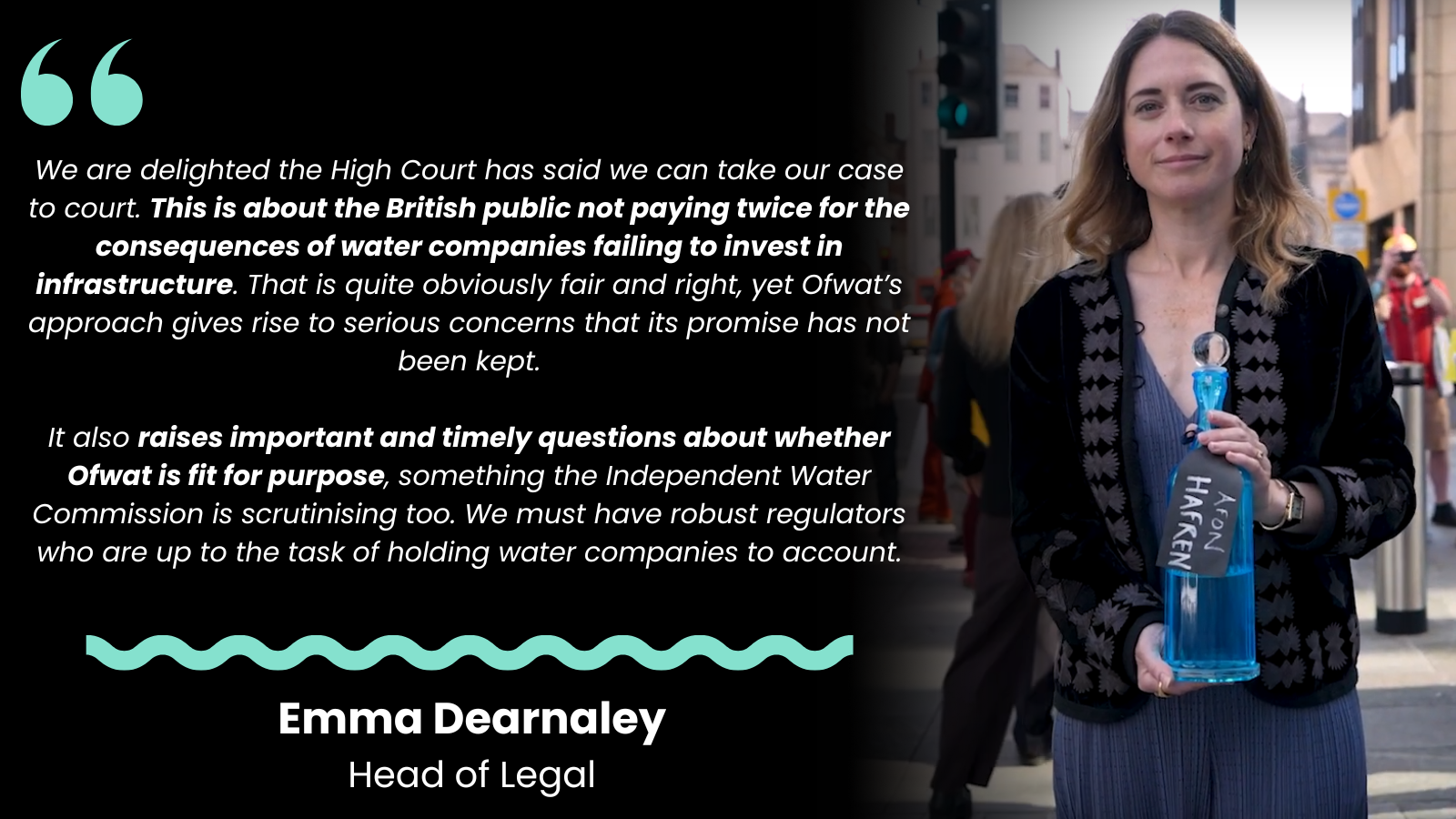
Our Head of Legal, Emma Dearnaley, said:
“It is fundamental that the public should not be made to pay twice for water companies’ past failures to invest in improvements to stop sewage pollution. But River Action is concerned that Ofwat’s approach means customers could be paying again. Meanwhile, degraded infrastructure keeps spewing pollution into rivers and lakes across the country that should have been clean decades ago. The regulator must ensure that the billions it approves results in legal compliance by water companies and that customers are charged fairly from now on. We cannot fix the sewage crisis or restore public trust until we have regulation that delivers for billpayers and the environment. ”
Legal grounds: flawed approach, weak enforcement
Represented by law firm Leigh Day, River Action will argue that:
Ground 1: Ofwat’s approach to implementing its own “not paying twice” policy was unlawful.
Ground 2: Ofwat ‘clawback’ mechanism to recover funds if water companies misuse customer money is flawed and incomplete.
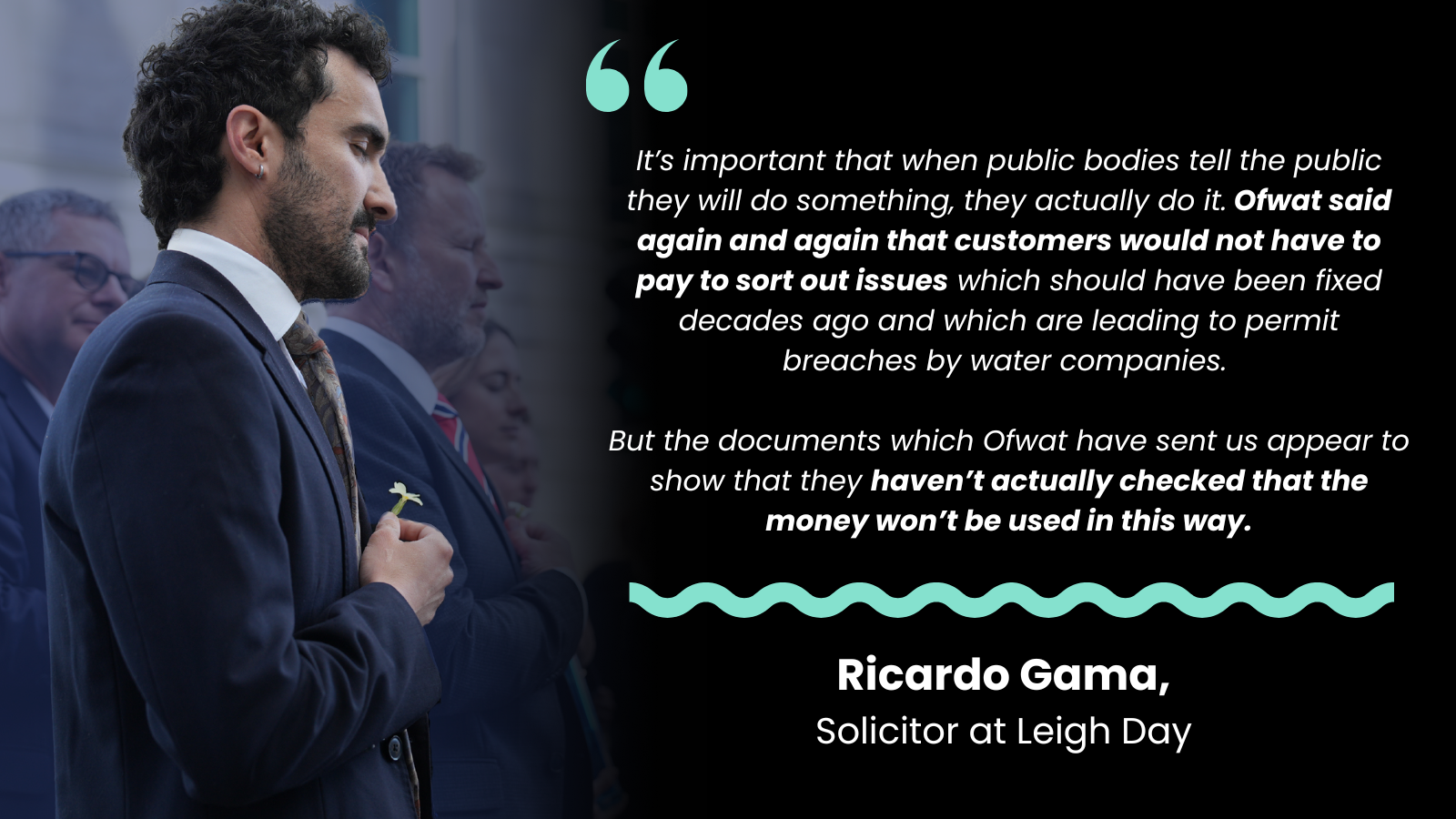
Leigh Day partner Ricardo Gama, who represents River Action, said:
“Our client believes that this case shows that Ofwat has failed to make sure that water bills are used for infrastructure upgrades. River Action will argue that the money that could and should have been used to make essential infrastructure improvements is now gone, and customers are being asked to foot the bill for those improvements a second time over.”
A case with national implications
Although the legal challenge focuses on the PR24 determination for United Utilities and the Windermere schemes, we believe the outcome has national significance. The case aims to expose systemic failures in how Ofwat oversees compliance across the entire water industry and how it routinely signs off funding that could allow water companies to use customers’ money to rectify their own past non-compliance.
Windermere as a case study for a national problem
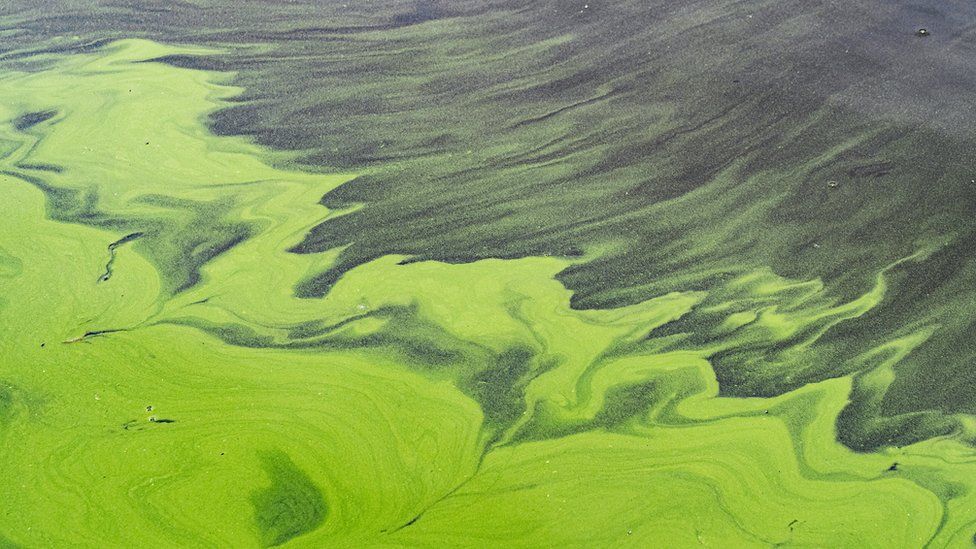
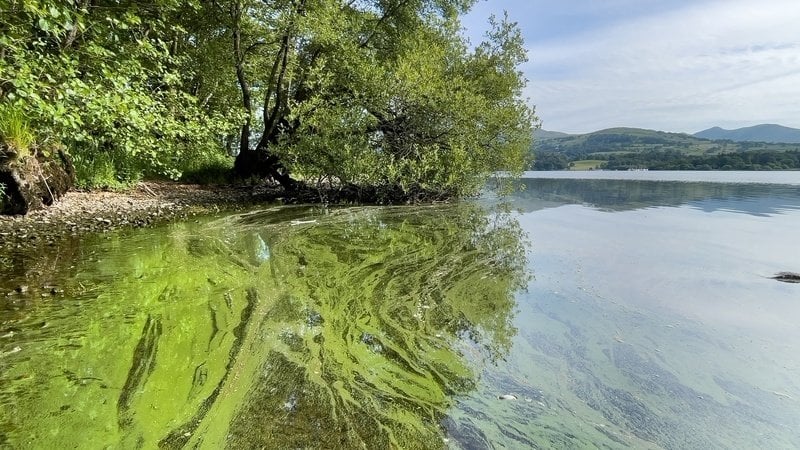
Lake Windermere, the “jewel in the crown” of the Lake District, has become a symbol of the crisis in England’s waterways. Despite being a designated protected site, monitoring data shows thousands of hours of sewage discharges every year from nearby treatment works and pumping stations.
Our case uses Windermere as a case study to illustrate a national problem. If such failures can happen at one of the country’s most iconic lakes, the charity argues, they are likely happening across the network of water and sewerage systems in England and Wales. Our concern with Ofwat’s approach to implementing its own ‘not paying twice’ policy extends across all of the 4,000 schemes it has approved across England and Wales.
Beyond the courtroom: a call for regulatory reform
Our legal challenge is part of its broader campaign to reform how water regulation works in the UK. We argue that Ofwat, as currently structured, has become too close to the companies it regulates and too distant from the public interest it is meant to serve.
Since the case was filed, the Independent Water Commission has also raised many of our concerns, calling for a major overhaul of the regulation of water services in England and Wales with a new single integrated regulator replacing the current fragmented system (including Ofwat) and with long-term infrastructure investment and asset health being central to making the system fit for the future.
Crucially, the outcome of this case should have profound consequences for PR29, the next five-year regulatory review. PR29 must not repeat the same failures of PR24. A reformed, well-resourced and robust regulator – with Ofwat’s current structure and functions expected to be abolished and included in the new regulator following the Commission’s recommendations – must ensure full environmental compliance by water companies before customers are asked to pay.
Notes to editors
The hearing takes place at Manchester Civil Justice Centre on November 4th & 5th.
River Action is represented by law firm, Leigh Day, and barristers David Wolfe KC and Nicholas Ostrowski.
River Action granted permission to proceed with legal challenge against Ofwat

Ofwat has forced customers to pay twice for water industry failures – and we are calling for urgent regulatory reform
We are taking water regulator Ofwat to a full court hearing, to challenge the approach Ofwat took when it set the price that water companies like United Utilities can charge their customers.
Ofwat’s approach was unlawful and, as a result of regulatory failings, the financial burden of water industry infrastructure neglect has been pushed onto customers – rather than those responsible.
The case is proceeding amid intensified calls for an overhaul of Ofwat, with growing scrutiny from the Independent Water Commission, led by Sir Jon Cunliffe, into whether the regulator is fit for purpose. We are calling for a reform of the regulator and, in particular, for Ofwat to stop water companies passing the costs of failures on to the public.
Water bill hikes – with no guarantees for the future
At the heart of the case is Ofwat’s 2024 Price Review (PR24), which approved above-inflation water bill increases, including an average annual rise of £123 per household, without guaranteeing the money will be spent on new infrastructure rather than plugging the gaps left by decades of underinvestment.
The legal challenge follows investigations by campaigners Matt Staniek and Windrush Against Sewage Pollution (WASP), which exposed chronic sewage pollution in the Lake Windermere area and regulatory failings around PR24.
While the claim focuses on the PR24 determination for United Utilities in relation to water works in and around Lake Windermere, River Action thinks it exposes fundamental failures in Ofwat’s approach – with national implications.
Customers are being forced to pay twice
The regulator’s decision allows water companies, such as United Utilities, to charge customers twice: first for water bills that should have covered infrastructure maintenance and then again through new hikes aimed at fixing the same problems.
In August 2024, United Utilities was granted “enhanced funding” to upgrade sewage treatment works around Windermere. This approval came despite evidence submitted to Ofwat showing over 6,000 hours of raw sewage discharges in the lake in a single year. Ofwat ignored this data in favour of hydraulic simulation modelling, which fails to reflect on-the-ground conditions.
Legal grounds: flawed modelling, weak enforcement
Permission has been granted for all of our three grounds. Represented by law firm Leigh Day, we will argue that:
- Ground 1: Ofwat approach to its own “not paying twice” policy was unlawful because it relied on theoretical hydraulic simulation modelling instead of the reality on the ground as seen in evidence provided to Ofwat.
- Ground 2: Ofwat lacks a meaningful clawback mechanism if water companies misuse funds.
- Ground 3: Ofwat failed to conduct legally adequate investigations into whether its approach is adequate.
A broken system that needs reform
River Action’s Head of Legal Emma Dearnaley said,
Ricardo Gama, partner at Leigh Day, added:
River Action Launches Legal Challenge Against Ofwat Over Water Bill Hikes

River Action has filed a landmark legal challenge against Ofwat, accusing the regulator of unlawfully allowing water companies to pass the cost of their own failures onto customers. The case comes as water bills rise by an average of £123 a year, forcing households to pay for decades of underinvestment by the water industry.
The challenge, filed with the support of Leigh Day law firm, targets Ofwat’s Price Review 2024 (PR24), which granted enhanced funding to water companies like United Utilities without sufficient safeguards to ensure the money is spent on new water and sewage projects. Instead, River Action warns that customers will be left footing the bill for past infrastructure neglect, paying twice for the same failing systems.

Paying Twice for Polluted Water?
The legal action stems from investigations by environmental campaigners Matt Staniek and Windrush Against Sewage Pollution (WASP), which exposed severe regulatory failings.
In August 2024, United Utilities requested extra funding to upgrade treatment works and pumping stations in the Windermere area, following 6,000 hours of raw sewage discharges into the lake that year alone. Ofwat approved the request under PR24, but River Action argues that the regulator:
- Relied on hydraulic simulation modelling rather than real-world pollution data, which failed to reflect the true environmental damage.
- Ignored key evidence of widespread sewage discharges when assessing funding needs.
- Lacked a clear mechanism to regain funds if companies misused the additional investment.
As a result, customers could be forced to pay twice: first through water bills that should have covered infrastructure maintenance, and again through new hikes aimed at fixing the same problems.

A Call for Reform
River Action is demanding urgent regulatory reform to stop water companies from passing the cost of their mismanagement onto the public. The financial burden of repairing the UK’s crumbling water infrastructure must fall on the companies and their investors, not customers.
Emma Dearnalely, Head of Legal at River Action, said:

Holding Ofwat Accountable
River Action’s legal challenge also raises broader concerns about Ofwat’s oversight and accountability, questioning whether the regulator has the necessary powers or will to prevent water companies from profiting at the public’s expense.
Ricardo Gama, solicitor at Leigh Day, commented:

Fighting for Clean Water
River Action’s legal challenge is part of its broader mission to hold water companies and regulators accountable. The group continues to campaign for stronger enforcement, greater transparency, and a financial and governance model that prioritises people and the environment over profits.
River Action to sue Ofwat over water bill rises

River Action is to take legal action against Ofwat, the water regulator, accusing it of unlawfully making customers pay for decades of neglect by the water industry.
A legal claim will be filed this month, arguing that bill rises for customers that have been approved by Ofwat could be used to fix infrastructure failures that should have been addressed years ago.
We’re calling for immediate regulatory action to ensure water companies stop passing the cost of failure onto customers – and start taking responsibility for the environmental damage they have caused.
WHAT IS OUR LEGAL CHALLENGE AGAINST OFWAT?
Our legal challenge focuses on funding allocated for wastewater treatment works and pumping stations by United Utilities in and around Lake Windermere.
The case is being taken after detailed investigations were carried out by Save Windermere and Windrush Against Sewage Pollution, which revealed significant and systemic flaws in Ofwat’s approach.
We’re taking legal action to compel Ofwat to reassess its PR24 determination for United Utilities in relation to Windermere and to encourage Ofwat to reassess other water company schemes wherever there are concerns that customers are unfairly covering the cost of past failures.
WINDERMERE: A DAMNING EXAMPLE OF REGULATORY FAILURE
United Utilities, currently under fire after evidence obtained by Save Windermere, revealed 6,000 hours of raw sewage was discharged into Windermere last year, and is a case in point. We have commenced legal action claiming Ofwat has allowed the company to divert funds meant for future projects to deal with past failures—rather than investing in vital improvements to wastewater treatment and pumping stations around the lake.
A SYSTEM RIGGED AGAINST THE PUBLIC
We believe Ofwat has acted unlawfully by approving these funds without ensuring they are spent on genuine improvements to essential infrastructure. Instead, this so-called ‘enhanced funding’ is being allowed to be used to cover up years of failure.
Effectively, Ofwat has signed off on a broken system where customers are being charged again for services they have already funded—while water companies continue to mark their own homework and pollute for profit. This scandal must be addressed. The cost of fixing the UK’s crumbling water infrastructure should fall on the companies and their investors—not on the British public.
We are calling for immediate regulatory action to ensure water companies stop passing the cost of failure onto customers—and start taking responsibility for the environmental damage they have caused.
Ofwat ‘acted unlawfully’—forcing customers to pay twice for failures, say campaigners

Environmental group River Action has accused Ofwat of acting unlawfully by using recent, significant bill hikes to cover past infrastructure failures—forcing customers, rather than investors, to foot the bill for decades of neglect. This is despite Ofwat having committed to put in steps to prevent customers paying twice.
Instead of funding essential new water and sewage projects, these price rises—approved in last year’s Ofwat price review—could be being misused to fix long-standing issues that should have been addressed years ago. This means there is nothing to stop customers from being charged twice to clean up an environmental disaster in the nation’s rivers, seas and lakes caused by chronic underinvestment in Britain’s water infrastructure.
River Action’s legal challenge against Ofwat
River Action has taken the first step in a legal challenge against Ofwat, on the basis it acted unlawfully in its Price Review 2024 (PR24) determination for United Utilities. The challenge focuses on funding allocated for wastewater treatment works and pumping stations in and around Lake Windermere.
River Action argues that Ofwat unlawfully approved ‘enhanced funding’ from customers without a mechanism to ensure the money will be used solely to improve sewerage services; rather than bring services into compliance when that should have already happened under past schemes. This means there is nothing to stop customers paying twice for services that have not yet been delivered.
This follows detailed investigations by campaign groups Save Windermere and Windrush Against Sewage Pollution, which exposed significant and systemic flaws in Ofwat’s approach.
River Action is taking legal action to compel Ofwat to reassess its PR24 determination for United Utilities in relation to Windermere and to encourage Ofwat to reassess other water company schemes wherever there are concerns that customers are unfairly covering the cost of past failures. However, River Action is not calling for PR24 to be overturned or for investment levels to be reduced, recognising the urgency and importance of increased investment in Windermere and elsewhere.
Windermere: A damning example of regulatory failure
United Utilities, currently under fire after evidence obtained by the campaign group Save Windermere, revealed 6,000 hours of raw sewage was discharged into Windermere last year, and is a case in point. River Action has commenced legal action claiming Ofwat has allowed the company to divert funds meant for future projects to deal with past failures—rather than investing in vital improvements to wastewater treatment and pumping stations around the lake.
Campaigners warn that millions of pounds intended for infrastructure upgrades may be used to patch up outdated and crumbling water and waste systems—exacerbating the pollution crisis in England’s largest and best-known lake.
A system rigged against the public
River Action believes this problem extends far beyond a single water company. Under PR24 (Price Review 2024), Ofwat has likely permitted other firms to operate in a similar way—leaving billpayers to pick up the tab for failings that should have been fixed with previous funding.
Emma Dearnaley, Head of Legal at River Action, said:
“We believe Ofwat has acted unlawfully by approving these funds without ensuring they are spent on genuine improvements to essential infrastructure. Instead, this so-called ‘enhanced funding’ is being allowed to be used to cover up years of failure.
“Effectively, Ofwat has signed off on a broken system where customers are being charged again for services they have already funded—while water companies continue to mark their own homework and pollute for profit.
“This scandal must be addressed. The cost of fixing the UK’s crumbling water infrastructure should fall on the companies and their investors—not on the British public.”
Leigh Day solicitor Ricardo Gama said:
“Ofwat has said again and again in public that it won’t let price rises be spent on fixing historic issues which are leading water companies to breach their permits. They’ve said in black and white terms that customers won’t be expected to pay twice. But in documents seen by River Action it looks like Ofwat hasn’t done its homework in checking whether the money it’s letting United Utilities take from customers will actually be used for that purpose. River Action believes that this is reflective of a broader lack of due diligence by Ofwat over the decades, which has led to money not being spent on infrastructure improvements and instead being diverted to investors’ pockets.”
River Action is calling for immediate regulatory action to ensure water companies stop passing the cost of failure onto customers—and start taking responsibility for the environmental damage they have caused.
ENDS
Households punished for failure of greedy water companies to upgrade crumbling infrastructure, filling rivers with human sewage

Responding to the Ofwat announcement that household water bills are set to rise, CEO of River Action James Wallace said, “These bill hikes punish households struggling with the cost-of-living crisis for the abject failure of greedy water companies to invest in their crumbling infrastructure and reduce record sewage spills. For decades the industry has put profit before the environment, rewarding its shareholders with billions in dividends, and in the process filling our rivers with human sewage.
“We face climate breakdown resulting in more intense weather events that put pressure on treatment plants and storm overflows, overwhelmed when it rains. The water companies have realised they’re in a mess of their making and have successfully appealed to Ofwat to approve increases in water bills to climate proof their infrastructure. It begs the question, what have they been doing all these decades and what exactly are households paying their water bills for, apart from lining the pockets of fat-cat CEOs trousering massive bonuses and seeing huge dividends flow to shareholders? Remember, this is an industry that spews millions of litres of sewage into rivers and wastes 3 billion litres of water a day.
“We must fix this national embarrassment of systemic sewage pollution which has caused environmental carnage to our rivers. To do this, rather than hiking customer bills and getting the public to pay for the failure of the water companies, Ofwat should direct their shareholders to urgently invest in fixing their leaky infrastructure.
“Failing water companies should be put into special administration and refinanced to remove the opaque investment structures that have protected shareholders rather than bill payers, communities, and the environment. This process must begin now. We are in a freshwater emergency.
“The newly elected Labour Government has set out cleaning up our rivers as a priority and the manifesto committed to put failing water companies under special measures. The government has the political and public mandate behind it to push forward with ambitious measures that can hit water companies with the full force of the law, prioritising cleaning up our rivers, securing freshwater and restoring nature. Ofwat and the Environment Agency must be resourced properly to clean up the mess of the last two decades of strategic deregulation and austerity.
“But we also need wholesale reform of Ofwat to ensure that people and the environment are prioritised over investors; and of the Environment Agency to ensure increased water quality monitoring and more meaningful fines of polluters. To date, Ofwat has allowed our water companies to be asset stripped by the financial engineering of their investors to the extent the country’s sewage infrastructure is failing due to woeful under-investment, and the Environment Agency has allowed this to happen with impunity.”
ENDS
For media interviews call Ian at River Action on 07377 547 362 or email media@riveractionuk.com