
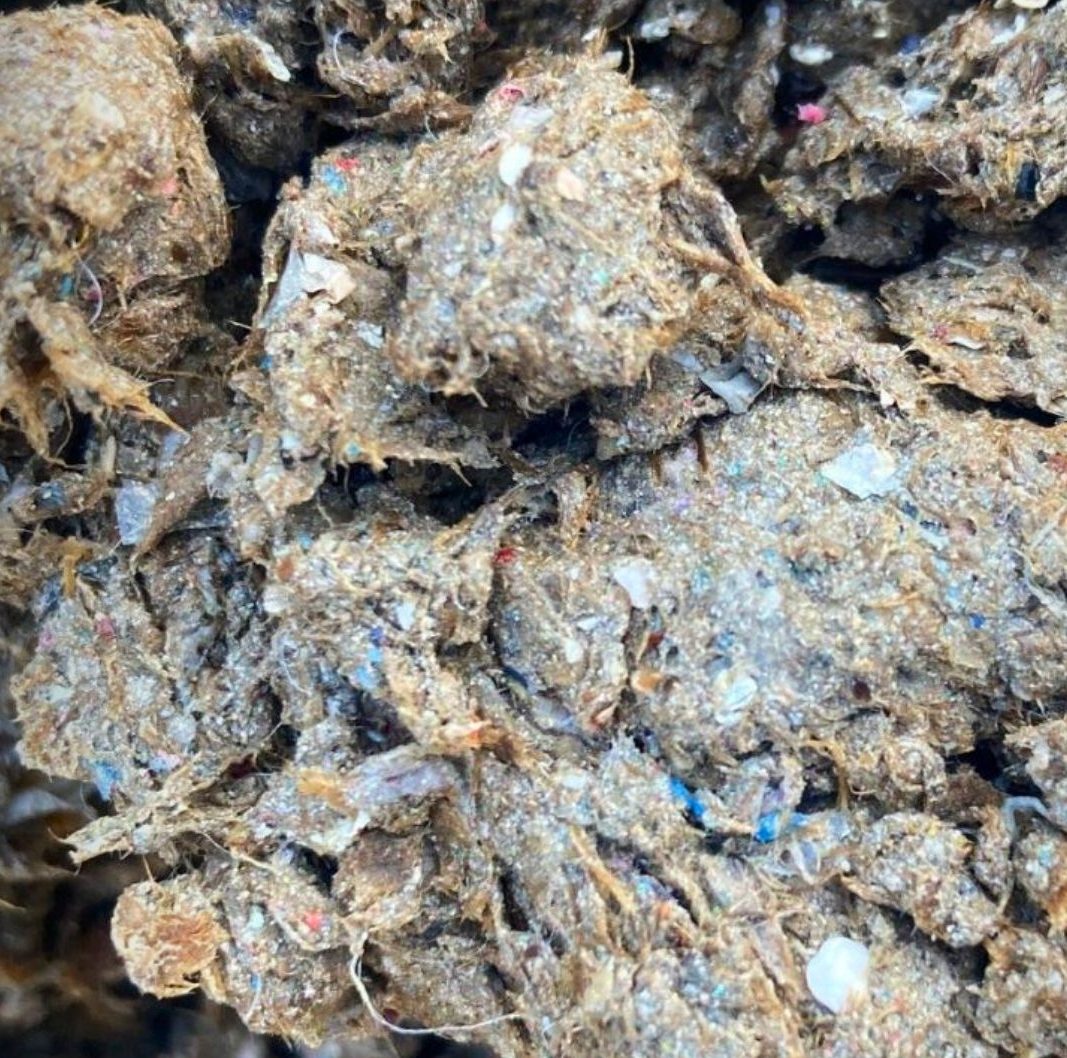
Plans for 32,000-bird “Megafarm” on the River Kennet Rejected

Download PDF

Berkshire factory farm plans rejected in win for river campaigners


A major win for river campaigners has been secured in Berkshire. Plans for a 32,000-bird egg production unit near Marsh Benham, close to the River Kennet, have been rejected following strong objections from local residents, environmental groups, and anglers led by Action for the River Kennet.

A major win for river campaigners has been secured in Berkshire. Plans for a 32,000-bird egg production unit near Marsh Benham, close to the River Kennet, have been rejected following strong objections from local residents, environmental groups, and anglers led by Action for the River Kennet.

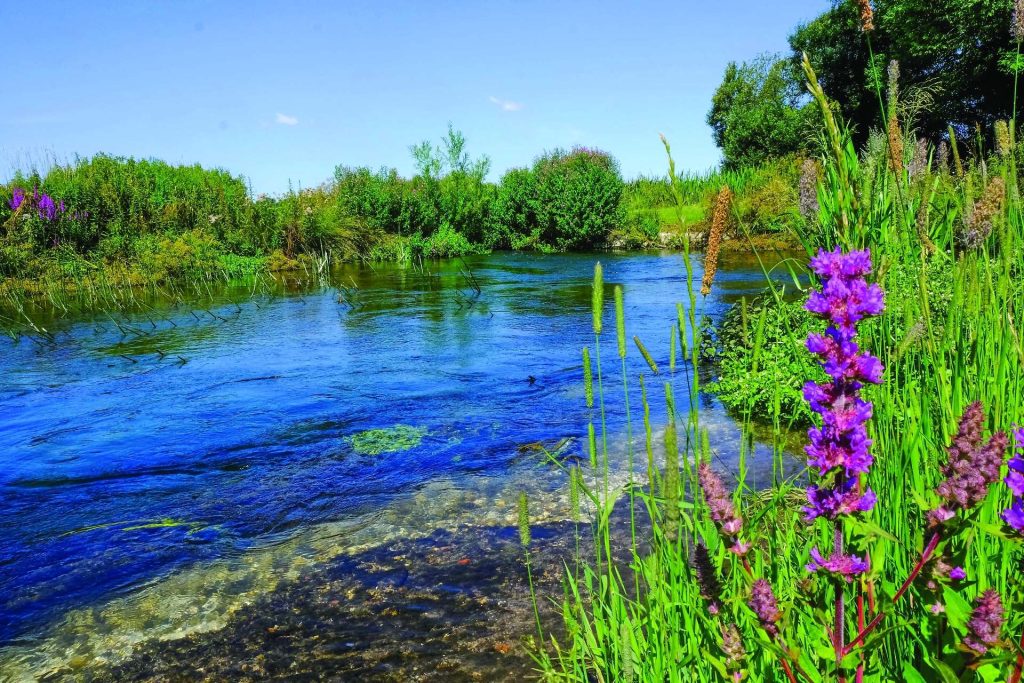
The proposed development would have been sited on the banks of one of the world’s rare chalk streams – the River Kennet, a designated Site of Special Scientific Interest.

Why was the application turned down?

The application was turned down based on the harmful effects from groundwater pollution and surface water runoff that could result from the development, particularly through increased phosphorus and nitrogen deposition. These risks had not been adequately avoided, mitigated, or compensated, with insufficient information provided to justify otherwise.


Community-led resistance


The objection was spearheaded by Action for the River Kennet (ARK) and the Angling Trust, with support from River Action. Together, they argued that the risks to the river had not been properly addressed or mitigated.

Local resident Kate Jones, who objected to the application said:

“We are a small community who have come together to fight this, and we want to encourage others that it can be done. We are incredibly pleased and relieved it has been refused. The River Kennet is safe from such developments for now, though West Berkshire Council have left the door open for SRSL to resubmit. We would also like to thank everybody who has lent their support to our campaign, including River Action.”


A turning tide against factory farming


This decision follows our successful legal case against Shropshire Council, where the High Court overturned approval for a 200,000-bird intensive poultry unit near Shrewsbury in the River Severn catchment. That ruling was described as a “national precedent” and “a pivotal moment in the movement against factory farming in the UK.”

Our CEO and local resident James Wallace added:

“I learned to swim and fish in the River Kennet. This decision sends a strong message: communities will not allow our rivers to continue to be the dumping ground for industrial-scale agriculture. The rejection of this damaging proposal is a victory for rivers, wildlife, and the united voices of concerned local residents, and further evidence that the days of factory farms wrecking our waterways may be numbered.”

The Angling Trust also objected to the application. Martin Salter, lifelong Kennet angler and Head of Policy at the Angling Trust said:

“We told the Sutton’s Estate back in March that the game is up and they should withdraw their irresponsible application to locate a polluting poultry unit on the edge of the Kennet floodplain and just a few hundred metres from a highly protected SSSI, but they didn’t listen. It’s been a long hard campaign but I’m so pleased that common sense has finally prevailed and those of us who love and cherish Berkshire’s most famous chalkstream can breathe a sigh of relief.”


Why is this important for our rivers?


We have consistently warned of the devastating impacts of intensive livestock units on the health of Britain’s rivers. Phosphorus and nitrogen pollution from such sites is a leading cause of algal blooms, oxygen depletion, and widespread ecological damage. Stopping megafarms proposals like the one on the Kennet is integral to protecting the health of our rivers.

Our CEO adds:

“This is an important step forward, we must now accelerate the transition to farming practices that support farmers to work with nature, not against it. Communities are speaking out, decision-makers are listening, and the era of industrial river-wrecking factory farms is drawing to a close.”


Fightback against factory farms: New toolkit to empower communities


As the fightback against industrial-scale factory farms that wreck our rivers gathers pace, we have launched a new Planning Toolkit. This resource is designed to empower individuals and community groups to object to developments that may threaten their local waterways. Be sure to check it out!

Fowl play: why this huge chicken farm has no place by the River Kennet

Download PDF
By Janet Coleman, River Kennet Campaigner

Seriously clucked off

As local residents lucky enough to live in Berkshire’s beautiful Kennet Valley we are seriously clucked off by the recent planning application from the landowner – the Sutton’s Estate – to locate a 32,000 bird intensive poultry unit at Bradfords Farm in a field designated AONB (National Landscape), on the edge of the floodplain just 200 metres from the River Kennet, SSSI. It beggars belief that Sir Richard Sutton Limited, a large commercial concern owning luxury hotels in London, and approximately 16,000 acres of land in UK, together with land in Ohio, US, couldn’t find somewhere more appropriate to locate their potentially polluting chicken factory.

We live very close to this site where we enjoy walking by the river and watching the abundant wildlife.  The thought that this treasured river, already under stress, will be put at further risk is completely unacceptable. Fortunately our campaign to fight off this threat to our environment and the potential damage to the River Kennet, one of only 200 chalk streams in the world, has prompted welcome and highly effective support from anglers, wildlife enthusiasts and organisations whose mission it is to care about our endangered environment. 


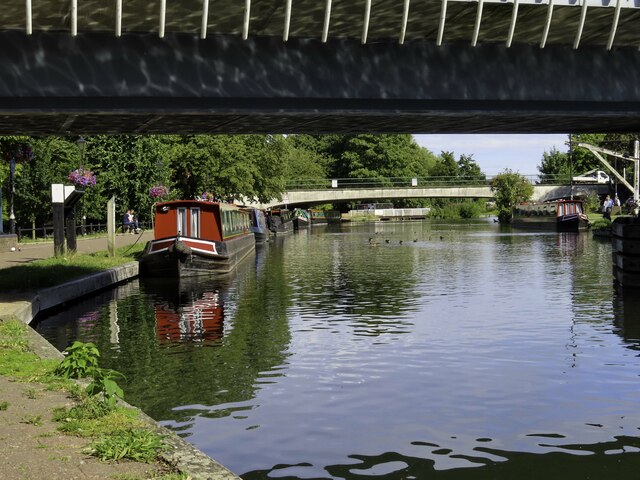
The River Kennet in Newbury © Steve Daniels

The game changer

Initially the objectors numbered a few dozen local residents but once we reached out to the likes of River Action and the Angling Trust the campaign really began to motor. Local angling clubs such as Newbury AA and Reading & District mobilised their members to the extent that there are now 232 formal objections. The Angling Trust made representations to both the Environment Agency and Natural England who have sent in comprehensive lists of concerns with the EA now escalating theirs to a formal objection. This, we feel, really could be a ‘game changer’.

We asked the applicants to a public meeting at which we were grateful to have the articulate support of James Wallace from River Action, Anna Forbes from Action for the River Kennel (ARK) – our local River Trust, Martin Salter (Head of Policy, Angling Trust) and various locals with knowledge of planning, avian flu and law.  It seemed to us that the applicant’s representatives were very ill prepared and unable to answer many questions. Fish Legal and Solicitors Leigh Day have also given valuable advice.


The case

Our case is simply this – 
  • We support responsible farming but this poultry unit on the proposed site would be an environmental disaster for the river.
  • Massive egg production units like this should be nowhere near any river and this applicant has plenty of environmentally more suitable land.
  • The only reasons given for the applicant selecting this field is its proximity to the farm manager’s house and convenient supply of electricity!
  • If permitted, the precedent will be set and all the other fields along the Kennet Valley owned by the applicant will have units for 32,000 chickens.  When asked this particular question the applicant’s representatives were unable to guarantee that this would be the only one.
  • The applicants have recently submitted a wholly inadequate Manure Management Plan.  They rely on their “circular farming” system which, in simple terms, means collecting waste from the unit, transporting it to another of their nearby farms for storage and then spreading it on land where they grow the grain to feed the chickens. This toxic waste has been legally classified as “industrial waste” and must be treated as such.
  • Hard evidence from the terminal decline of famous rivers such as the River Wye and Severn demonstrates that, far from being custodians of the land, many farmers cannot be trusted to look after habitats and water courses.


The LPA cannot allow this abomination

At the start of this campaign we felt everything was a struggle and that we were up against an applicant with sufficiently deep pockets that every point we raised would just be given to an expensive consultant for response. Fortunately the expensive consultant’s various reports were so inadequate that even we lay people could see there really was no justifiable reason for this poultry unit in this location, so close to the river.

Clearly the Environment Agency – rather better qualified than us to judge – found their reports more than inadequate and has formally objected in strong terms.  We are not there yet but with the EA’s support, and hopefully that of Natural England too, the local planning authority (LPA) surely cannot allow this abomination.

Privacy Overview

This website uses cookies so that we can provide you with the best user experience possible. Cookie information is stored in your browser and performs functions such as recognising you when you return to our website and helping our team to understand which sections of the website you find most interesting and useful.