MISSING: Policy for special administration (or is it?)

Download PDF

River Action’s legal challenge

In July, River Action launched its legal challenge over the Government’s failure to explain when it will trigger special administration for Thames Water and other failing water companies because of breaches of their performance duties.

That same month, the Independent Water Commission also recommended that a clearer policy for special administration be adopted.

Our legal challenge is simple: we say that the Environment Secretary has acted unlawfully by failing to publish a policy on when they will ask the High Court to put a water company in a special administration regime – a mechanism under existing legislation designed to enable the government to take action to deal with failing water companies.


What is special administration for water companies?

Special administration is a legal process for companies supplying essential services like water that are failing in terms of performance, finances or duties. It allows the government via an administrator to step in and take temporary control, ensuring operations keep running while offering a clean break from unsustainable debt and chronic underperformance.

Importantly, a special administration regime prioritises public interest – customer service, environmental protection and infrastructure investment – instead of existing shareholders and debt holders. By redirecting funds away from private profits and towards urgent improvements, it offers a route to restructure and refinance a water company for public benefit and long term sustainability.


 The Government’s response

The Environment Secretary has now formally responded. Remarkably, it has been claimed again that a policy setting out the circumstances in which or the criteria by reference to which the Court would be asked to put a water company into special administration does not exist. The response simply states “There is nothing for the Defendant to publish”.


Evidence that a policy exists?

The Environment Secretary has maintained this position despite clear indications that a policy exists in some form. Most strikingly, in a recent Environment, Food and Rural Affairs committee hearing, the Minister for Water and Flooding was asked about the circumstances in which a water company would meet the threshold for special administration. She read out a “whole list” of thresholds that are apparently being used to determine whether special administration should be pursued by the government. This sounds remarkably like a policy; the very thing the government insists does not exist.

The Water Minister also said that “Thames Water has not met the threshold for special administration for going into special administration” on the “formal advice” she had been given.


Why transparency matters

Why is the government so reluctant to publish a policy on when it will use the regime specifically created to deal with water company failure? How much worse does it need to get at Thames Water before the government will trigger the process? The public has a right to know what policies and plans exist to protect bill payers, our rivers and the provision of essential water services.

This goes beyond Thames Water. It matters for the whole water sector. Having a clear policy on when special administration will be triggered means it will be seen as a credible tool that strengthens regulatory discipline, incentivises better water company performance and avoids political delays. This is crucial to restore public trust and provide certainty to investors. Everyone should know the rules and then they must be followed.


What next?

Now the High Court will decide whether to grant permission for our claim to proceed to a full hearing. In the meantime, River Action will continue to push for transparency around the government’s policy and plans for special administration when water companies fail – and for leadership when it comes to Thames Water.

The Wildlife Trusts Report: More Proof Our Rivers Need Urgent Action

Download PDF

A Call for River-Friendly Farming: Why We Can’t Ignore Factory Farm Pollution

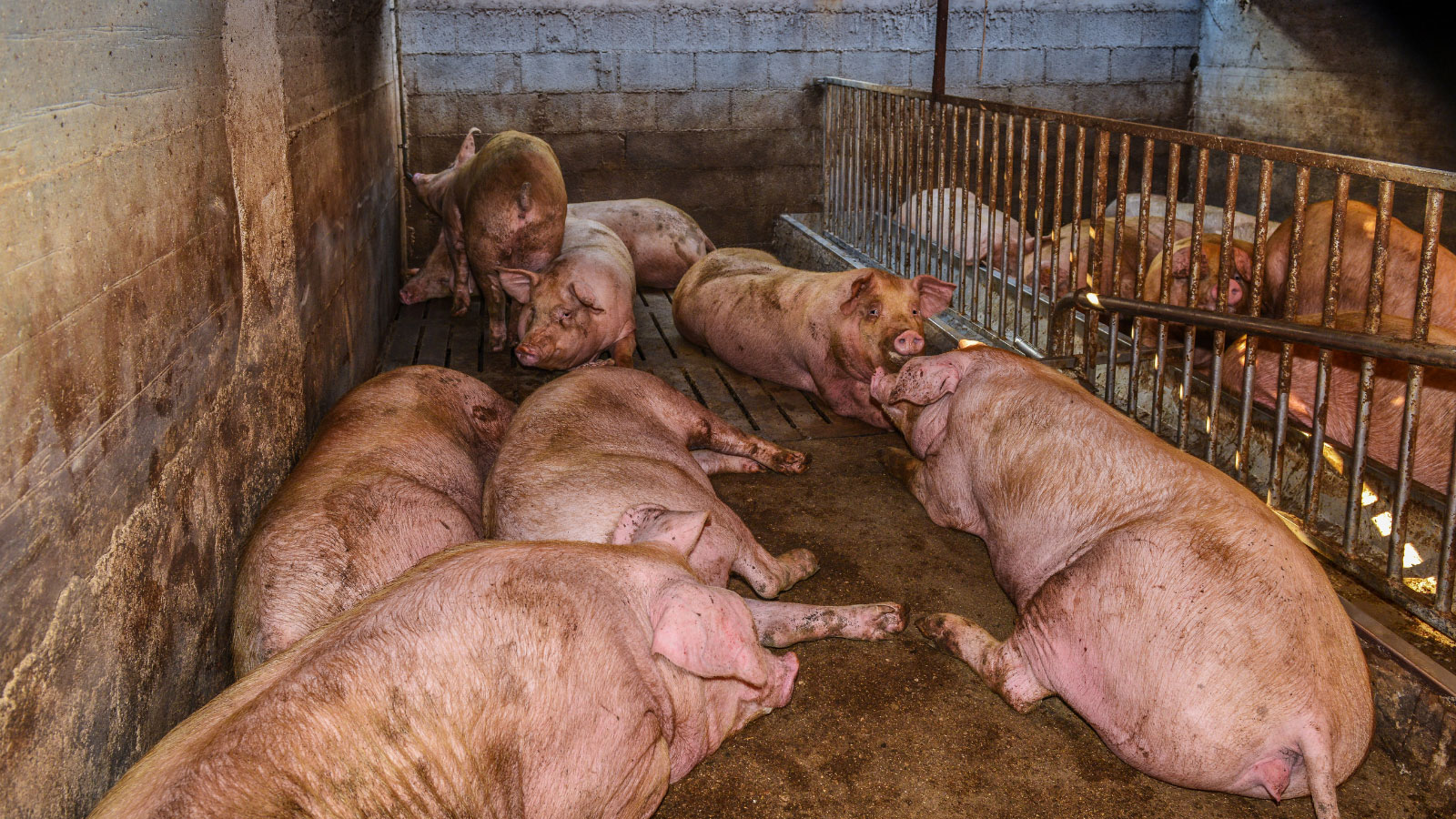
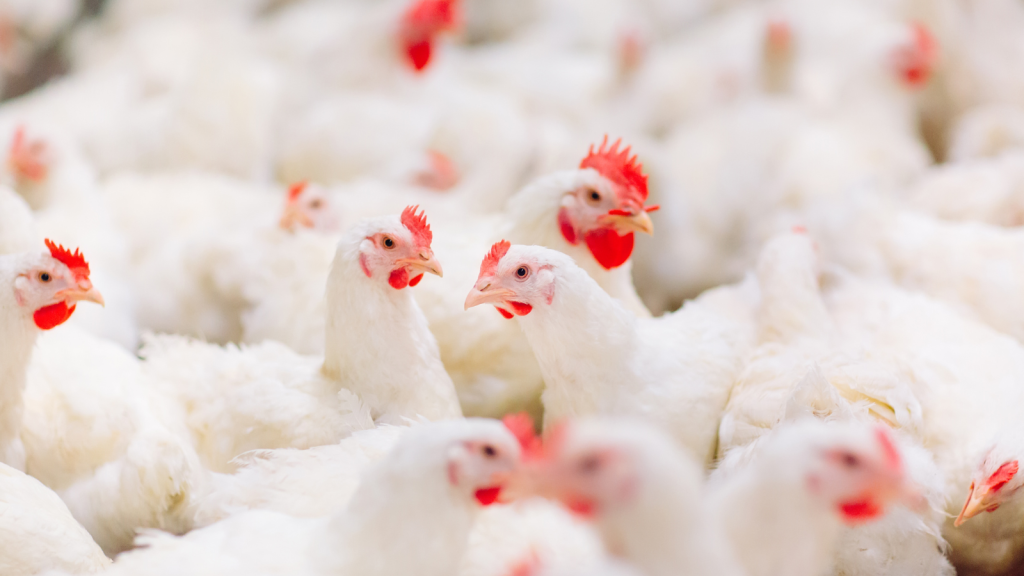
Today, The Wildlife Trusts released a powerful new report exposing the devastating environmental toll of the UK’s intensive pig and poultry industry. For those of us fighting to protect our rivers, its findings come as no surprise – but they provide yet more hard evidence of the scale of damage being caused by factory farming.

At River Action, we welcome this report wholeheartedly. Communities along the Wye, Severn and Kennet have long been raising the alarm about nutrient pollution from intensive farming. This report adds weight to their voices, strengthening the case for urgent change.


Why enforcement matters

The “Farming Rules for Water” already exist to stop pollution – but they remain largely unenforced. Without real accountability, factory farm pollution continues unchecked, leaving rivers overloaded with nutrients and communities paying the price. If the government is serious about protecting nature and rebuilding trust, it must enforce the law while helping farmers make the shift towards more sustainable practices.


River Action’s fight against factory farm pollution – Timeline

We have has taken major legal steps to hold polluters and the authorities enabling them to account:

Taken together, these legal battles underscore a simple truth: without urgent action to rein in the industrial farming model, our rivers and the wildlife that depend on them will continue to pay the price.


What’s next?

The evidence is overwhelming. The law is clear. And communities are demanding change. Now the government must act – ensuring regulations are enforced and farmers are supported in transitioning to sustainable, river-friendly farming practices.

Because nothing less than meaningful reform will do.

The Water Commission’s Final Report: Why It Falls Short – And What Must Come Next

Download PDF
By Amy Fairman, Head of Campaigns

At the end of July, the Independent Water Commission released it’s final report on the state of our water industry with recommendations on how the industry could be fixed. River Action, alongside Surfers Against Sewage, has analysed the recommendations against our five core principles for real reform.

Our conclusion? While the Commission makes some useful noises about reform, it ultimately ducks the bold changes needed to end sewage pollution and protect people and nature.

Here’s how the Commission performed when measured against our principles – and why government must now go much further with its upcoming White Paper.


1. Operating for Public Benefit

The Commission’s approach accepts the profit-driven privatised model of water companies as a given. Instead of rethinking this broken system, it focuses primarily on tighter regulation.

This is not enough. Decades of evidence show that shareholder-first models drain money out of the system while rivers fill with sewage. The Commission ignored credible international evidence that public benefit ownership models – like those in much of Europe – deliver lower bills, more investment, and cleaner rivers.

Without a fundamental redesign of ownership, governance, and financing, alongside regulatory reform the crisis will continue.

2. Democratic Decision-Making

The Commission’s proposal for Regional Water Authorities is a step forward, hinting at more democratic oversight. But as drafted, these bodies risk being toothless talking shops.

Real reform requires municipal-level oversight, with local authorities, communities, and environmental groups holding real power over how water companies invest, operate, and deliver. Without this, decisions will remain in the hands of profit-driven boards.

3. Protecting Public and Environmental Health

The Commission acknowledges sewage pollution is a major public health crisis – but stops short of the urgent action needed.

Taskforces and reviews won’t protect the thousands of people falling ill after using polluted rivers and seas. We need immediate legal duties for all water companies, regulators, and government to protect public and environmental health, backed by stronger permits and updated Bathing Water Regulations that safeguard everyone, year-round, from emerging pollutants like ‘forever chemicals’ and microplastics.

4. Tough, Independent Regulators 

The Commission rightly diagnoses regulatory failure. But renaming regulators without changing their powers, duties, and resources will not fix the problem.

We need a strong, independent regulator with a clear duty to protect public and environmental health – not water company profits. And where companies fail, government must use the Special Administration Regime to reset them around public benefit principles, starting with Thames Water.

5. Transparency

The Commission calls for more monitoring – which we welcome – but still clings to the discredited model of operator self-monitoring, where water companies mark their own homework.

That system has failed. Independent monitoring, citizen science, and full real-time transparency are the only way forward. People deserve to know what’s happening in their rivers and seas.


The Bottom Line

The Water Commission’s report was a once-in-a-generation opportunity to reset a failing system. Instead, it tinkers at the edges, leaving the profit-driven model intact and communities exposed to sewage, debt, and declining water quality.

Government must now go further. The upcoming White Paper must:

  • Restructure water companies to deliver public benefit, not private profit.
  • Embed democratic oversight at local and regional levels.
  • Put public and environmental health at the heart of water law and regulation.
  • Create a tough, well-funded regulator with the power to act.
  • End operator self-monitoring and deliver full transparency.

Anything less will leave us trapped in the cycle of pollution, public anger, and political failure.

You can read our full indepth analysis HERE.

From Green to Clean – The Spanish community that saved their lake and what the UK can learn

Download PDF
By Drew Richardson, Communities Coordinator, River Action

The Dirty Man of Europe

The UK is unaffectionately known as the ‘Dirty Man of Europe’ when it comes to the state of our rivers. Three-quarters of rivers now pose a risk to human health, with many of our great lakes and rivers turning green with algal blooms from upstream pollution. Industrial meat production is one of the biggest culprits, driving 62% of river stretches to fail ecological health standards. But a community in Spain faced a similar crisis – and fought back. Their victory offers a blueprint for how we could save our own rivers.

The sad state of the River Wye

A Familar Problem

You may have read my blog post earlier this year, where I visited a community in Spain battling an industrial dairy factory that was threatening to become bigger than their township. I visited this community alongside representatives from across Europe. Organised by Friends of the Earth Europe, we had come together to share knowledge on how communities across the continent are fighting back against industrial pollution.

There I met campaigners from Amigos de la Tierra (Friends of the Earth Spain) and Federación de Consumidores y Usuarios – CECU (the Federation of Consumers and Users). They told me how the community of As Conchas, on the shore of a 25‑mile‑long reservoir, had already begun taking action after years of suffering from pollution caused by industrial meat factories upstream.

For years, local people had endured nauseating smells, keeping their windows shut in the Spanish heat. Further to this, they could no longer access local drinking water, as they saw their wells become contaminated by the waste seeping into the aquifer. Local communities raised their concerns with local government officials, but were told, that the water was safe to bathe in, that their wells were safe to drink from, and no action was needed. And yet, studies warned that cancer rates in the district exceed the rates found in other Galician districts.

Here I am outside the industrial dairy factory in Spain

From Citizen Science to the Courtroom

So local communities decided to take action.

They began with citizen science and found that the Lima River that empties into the reservoir contained at least 97 million dangerous cyanobacteria per litre of water and nitrate pollution levels 1000 times higher than the permitted limits.

The source? Labs attributed this pollution to manure produced by industrial meat factories that litter the river’s catchment. Still the regional government did nothing. So members of the community took their regional government to court, supported by Amigos de la Tierra, Federación de Consumidores y Usuarios – CECU, and Client Earth, for allowing the uncontrolled expansion of industrial meat factories, and inaction regarding the environmental and health impacts they were causing which breached their human rights under the Spanish Constitution and EU human rights law.

After supplying such clear evidence, the judge ruled in their favour and the regional government was ordered by the court to immediately adopt measures to end the pollution impacting the As Conchas reservoir and its community.


What This Means for the UK

This was a tremendous win, which sets a precedent across the EU. Already Portuguese politicians are taking their Environment Agency equivalent to task about downstream pollution. But how does this help us rid the blight from good old Blighty?

Well it wasn’t too long ago that we were part of the EU, so a lot of our environmental law is still in line with our European cousins’. Of course, our laws no longer have to be kept in line with EU directives, so could be liable to change, but so far so good.

Our human rights law however is still the same; we still subscribe to the European Convention on Human Rights (ECHR). These are the laws that ensure we have a right to a fair trial, a right to live, etc. Article 8 is particularly interesting; it’s the right to respect of our privacy and family life. Our private life isn’t just about a place free from surveillance, its our right to participate in society, the economy, culture, and leisure activities. It also means we have rights for the state, individuals, or businesses to not invade our home, affect our private life, or force us from our home.


A Blueprint for Action

When the people of As Conchas could no longer drink the water from their wells, participate in the culture and leisure activities that were intrinsically tied to the reservoir As Conchas was built around, when the smell invaded their home, and when the pollution invaded their bodies and was affecting their health, it became a human rights problem.

We have these same rights in the UK, and now a clear legal precedent that can help hold polluters to account in court. Imagine if we could use these to rescue our rivers. Imagine communities in the Wye, Severn, Thames, or Windermere taking their evidence of pollution to court and forcing action to happen where regulators had failed.

Swimmers, rowers, anglers, and local people, could use their citizen science to demand change, not only through protest, but with the weight of human rights laws behind them. The people of As Conchas have shown us that when local voices come together, even the dirtiest of waters can become clean. And when no one else will listen, not even the authorities, the law can be used to protect people and planet.

Meet Dr Samir Seddougui, River Action’s Campaign Researcher

Download PDF

Q1. Tell us about yourself

Hi I’m Samir, I grew up in the West Midlands but have spent the last decade living in Bristol where I recently completed a PhD in Social Policy. I have always enjoyed being in water, often spending a lot of time on canals in and around Birmingham, which has more (miles of) canals than Venice! I’m now enjoying spending more time on naturally occurring bodies of water. Having lived in Bristol for the last decade, I have spent a lot of time around the River Avon, and enjoy cycling alongside the river on the way to Bath.

I have family across the world from Morocco to Australia, so I love to travel and explore new places and cultures. During my PhD I worked for several think tanks conducting research on corporate lobbying, Islamophobia and far-right organisations across Europe and North America. Throughout my time in Bristol I have been involved in many social justice campaigns, and strongly believe that social justice and environmental justice are interconnected. This is one of the reasons I am so excited to begin working at River Action and contribute to such important and impactful campaigns. I’ve recently moved to South East London, and really enjoying the variety of amazing cuisines from around the world.

Q2. How did you become interested in river protection?

Like many people, I found nature to be a solace during the Covid pandemic. It was around this time that I began to use Surfers Against Sewage’s SSRS sewage map to make a risk assessment on whether the nearest body of water was safe to swim in. This led me to wanting to find out more about the degradation of British rivers and wanting to collectively transform a broken system.

Q3:  You have had a very impactful career, investigating Islamophobia and racism, and supporting victims of hate crime. What have you enjoyed most about this kind of work and what have been its biggest challenges? 

Having spent around a decade fighting for racial justice, one of things I found most rewarding was being able to work closely with and support many individuals who have experienced hate-crime and discrimination. The criminal justice system is often complex to navigate with many obstacles to traverse, so being able to offer practical and emotional support is a really important service. I was also able to work closely on several landmark cases of racial discrimination and Islamophobia that led to change.

Working within racial justice often felt like swimming upstream against a tide which was constantly getting stronger. This continues to be a major challenge for the sector which has seen consecutive governments underplay the prevalence of systemic racism and the rise of far-right attitudes within society. River Action’s determination and optimism for the future really drew me to this role.

Q4: What are your greatest passions outside of work?

Having spent the last decade in Bristol I have really enjoyed exploring the various stone circles and neolithic sites that are in the South West, particularly Stanton Drew and Avebury which are great to really immerse yourself in the standing stones and their ancient history. I do like to be inside too, and spend a lot of time at gigs watching live music. Bristol has an incredible DIY music scene with amazing venues like Strange Brew and The Exchange. One day might be a 9-piece folk band, and the next a Chelsea Manning DJ set. I really value the diversity and forward thinking nature of the music scene there.

Q5. Tell us about your new position as River Action’s Campaign Researcher, What can we expect to see from your role in 2025?

In my role as campaign researcher I will be supporting the RA team by conducting analysis on river pollution across the UK so river action campaigns are evidence driven and reflect the reality of the current state of our rivers.

Q6. Finally, in your opinion, what is further needed/what needs to change to rescue Britain’s rivers?

We need to radically rethink the system and start putting the environment and the public before the profits of corporations. For too long the system has ignored the degradation of Britain’s rivers and as a result the health of the Rivers across the UK are in crisis. The impact of climate change and extreme weather patterns becoming more regular, only makes this more urgent. River Action are amongst several environmental organisations that are at the vanguard of driving positive change and a roadmap to address decades of policy failures.

Meet Tim Birch, River Action’s Policy and Advocacy Manager!

Download PDF

Q1. Tell us about yourself

I live in West Wales and love walking the Pembrokeshire Coastal path watching wildlife such as grey seals, choughs and dolphins which we are fortunate to have on our doorstep. I grew up in the Peak District and spent many happy hours as a child bird watching amongst the hills and dales of Derbyshire. I can still remember how excited I got when I saw my first Dipper and Kingfisher on our local river so my connection with rivers goes back a long way. I love watching live music, particularly Irish folk and classical music, and enjoy playing the piano when i can.

Q2. How did you become interested in river protection?

When I finished at the University of Sheffield a group of us became particularly concerned about the state of rivers in South Yorkshire – particularly the Don and the Rother. They were heavily polluted by industry and sewage discharges. We decided to look into what was going on. As we began to examine the pollution registers for these discharges it became clear to us that companies were regularly breaching their discharge licences and little was being done by the regulatory bodies – so not much has changed there !

We decided to make a short film about what we found out and we established a local rivers campaign group called the Clean Rivers Campaign. This rapidly got local and national coverage and had a big impact. I’ll never forget when we got a Radio 4 crew who came up to interview us on a small boat on the River Rother which was one of the most polluted rivers in the UK at the time.

Q3. You have over 30 years of expertise in advocacy, biodiversity policy, and environmental campaigning at some of the most impactful UK environmental charities such as Greenpeace UK and Greenpeace International, the RSPB and the Wildlife Trusts. What have you enjoyed most about this kind of work and what have been its biggest challenges? 

I have worked at both the local, national and international level during my career in the nature conservation and environmental sector. I  have worked around the world on some of the biggest environmental issues that we face such as tropical rainforest destruction of the Amazon and in Indonesia and toxic pollution of our oceans.

These campaigns have brought me face to face with appalling environmental destruction. However, what i have always found most rewarding, when faced with such destruction, is having the chance to work with such a diverse mix of people and cultures who all share the same values about the need to protect and restore our amazing planet. That gives you an incredible amount of hope and drive to continue and never give up.

Q4. Tell us more about your position as a trustee of Tir Natur (a rewilding NGO in Wales), and your passion for rewilding.

I recently was asked to join the board of Tir Natur and have been delighted to join the first Welsh rewilding organisation. Tir Natur was set up to bring rewilding to Wales and to look for opportunities to showcase rewilding at scale in Wales. Wales has been slow to get on board with rewilding and I see Tir Natur as vital to help address this. Rewilding brings exciting new opportunities to both protect and restore nature and to also support and sustain local communities.

I have visited many rewilding sites in the UK and overseas and I have been both astonished and inspired to see how quickly nature can recover if it is given the freedom and space to do so. Rewilding is critical if we want to address the nature crisis in the UK and in Wales. The time has come to help our rivers become wilder across the UK!

Q5. Tell us about your new position as River Action’s Policy and Advocacy Manager, What can we expect to see from your role in 2025?

I am absolutely delighted to be joining River Action. I have been so impressed at the huge positive impact River Action has had as it rescue’s Britain’s rivers. It is clear that there is massive public support to clean up and restore our rivers and River Action has played a key role in bringing the plight of Britain’s rivers to the attention of the public. My role will be to help increase the advocacy impact of River Action with politicians, regulators, local authorities and business not only in England but across the devolved nations starting with Wales.

I will be helping to ensure that the incredible work of local community groups fighting for their rivers makes a significant political impact. I will also be helping to continue to develop our policy work so that we can advocate for the most river friendly policies.

Q6. Finally, in your opinion, what is further needed/what needs to change to rescue Britain’s rivers?

We need a real sense of urgency to rescue our rivers. For too long our rivers have become forgotten backwaters – that is changing particularly because of the work of River Action but we need to do more and we need to act fast. We need to continue to increase public awareness about the plight of our rivers and put forward the solutions to the problems our rivers face at all levels. More communities taking more action on their local rivers is vital to help create the pressure for change.

We need to continue to expose polluting practices and hold those polluters to account. The people supposed to be protecting our rivers need to step up and when necessary enforce the law – far too many river polluters are getting away with damaging our rivers and this has to stop.

We need to bring the market into the frame and that means supermarkets who are selling products that pollute our rivers during their production – this needs to change and fast and supermarkets need to help bring about that change. Our rivers are the living arteries running the length and breadth of our country – its so inspiring to be part of a movement helping to breathe life back into our rivers.

Fowl play: why this huge chicken farm has no place by the River Kennet

Download PDF
By Janet Coleman, River Kennet Campaigner

Seriously clucked off

As local residents lucky enough to live in Berkshire’s beautiful Kennet Valley we are seriously clucked off by the recent planning application from the landowner – the Sutton’s Estate – to locate a 32,000 bird intensive poultry unit at Bradfords Farm in a field designated AONB (National Landscape), on the edge of the floodplain just 200 metres from the River Kennet, SSSI. It beggars belief that Sir Richard Sutton Limited, a large commercial concern owning luxury hotels in London, and approximately 16,000 acres of land in UK, together with land in Ohio, US, couldn’t find somewhere more appropriate to locate their potentially polluting chicken factory.

We live very close to this site where we enjoy walking by the river and watching the abundant wildlife.  The thought that this treasured river, already under stress, will be put at further risk is completely unacceptable. Fortunately our campaign to fight off this threat to our environment and the potential damage to the River Kennet, one of only 200 chalk streams in the world, has prompted welcome and highly effective support from anglers, wildlife enthusiasts and organisations whose mission it is to care about our endangered environment. 


The River Kennet in Newbury © Steve Daniels

The game changer

Initially the objectors numbered a few dozen local residents but once we reached out to the likes of River Action and the Angling Trust the campaign really began to motor. Local angling clubs such as Newbury AA and Reading & District mobilised their members to the extent that there are now 232 formal objections. The Angling Trust made representations to both the Environment Agency and Natural England who have sent in comprehensive lists of concerns with the EA now escalating theirs to a formal objection. This, we feel, really could be a ‘game changer’.

We asked the applicants to a public meeting at which we were grateful to have the articulate support of James Wallace from River Action, Anna Forbes from Action for the River Kennel (ARK) – our local River Trust, Martin Salter (Head of Policy, Angling Trust) and various locals with knowledge of planning, avian flu and law.  It seemed to us that the applicant’s representatives were very ill prepared and unable to answer many questions. Fish Legal and Solicitors Leigh Day have also given valuable advice.


The case

Our case is simply this – 
  • We support responsible farming but this poultry unit on the proposed site would be an environmental disaster for the river.
  • Massive egg production units like this should be nowhere near any river and this applicant has plenty of environmentally more suitable land.
  • The only reasons given for the applicant selecting this field is its proximity to the farm manager’s house and convenient supply of electricity!
  • If permitted, the precedent will be set and all the other fields along the Kennet Valley owned by the applicant will have units for 32,000 chickens.  When asked this particular question the applicant’s representatives were unable to guarantee that this would be the only one.
  • The applicants have recently submitted a wholly inadequate Manure Management Plan.  They rely on their “circular farming” system which, in simple terms, means collecting waste from the unit, transporting it to another of their nearby farms for storage and then spreading it on land where they grow the grain to feed the chickens. This toxic waste has been legally classified as “industrial waste” and must be treated as such.
  • Hard evidence from the terminal decline of famous rivers such as the River Wye and Severn demonstrates that, far from being custodians of the land, many farmers cannot be trusted to look after habitats and water courses.


The LPA cannot allow this abomination

At the start of this campaign we felt everything was a struggle and that we were up against an applicant with sufficiently deep pockets that every point we raised would just be given to an expensive consultant for response. Fortunately the expensive consultant’s various reports were so inadequate that even we lay people could see there really was no justifiable reason for this poultry unit in this location, so close to the river.

Clearly the Environment Agency – rather better qualified than us to judge – found their reports more than inadequate and has formally objected in strong terms.  We are not there yet but with the EA’s support, and hopefully that of Natural England too, the local planning authority (LPA) surely cannot allow this abomination.

Toxic sludge scandal: The hidden threat lurking in our fields

Download PDF
By Amy Fairman, Head of Campaigns, River Action

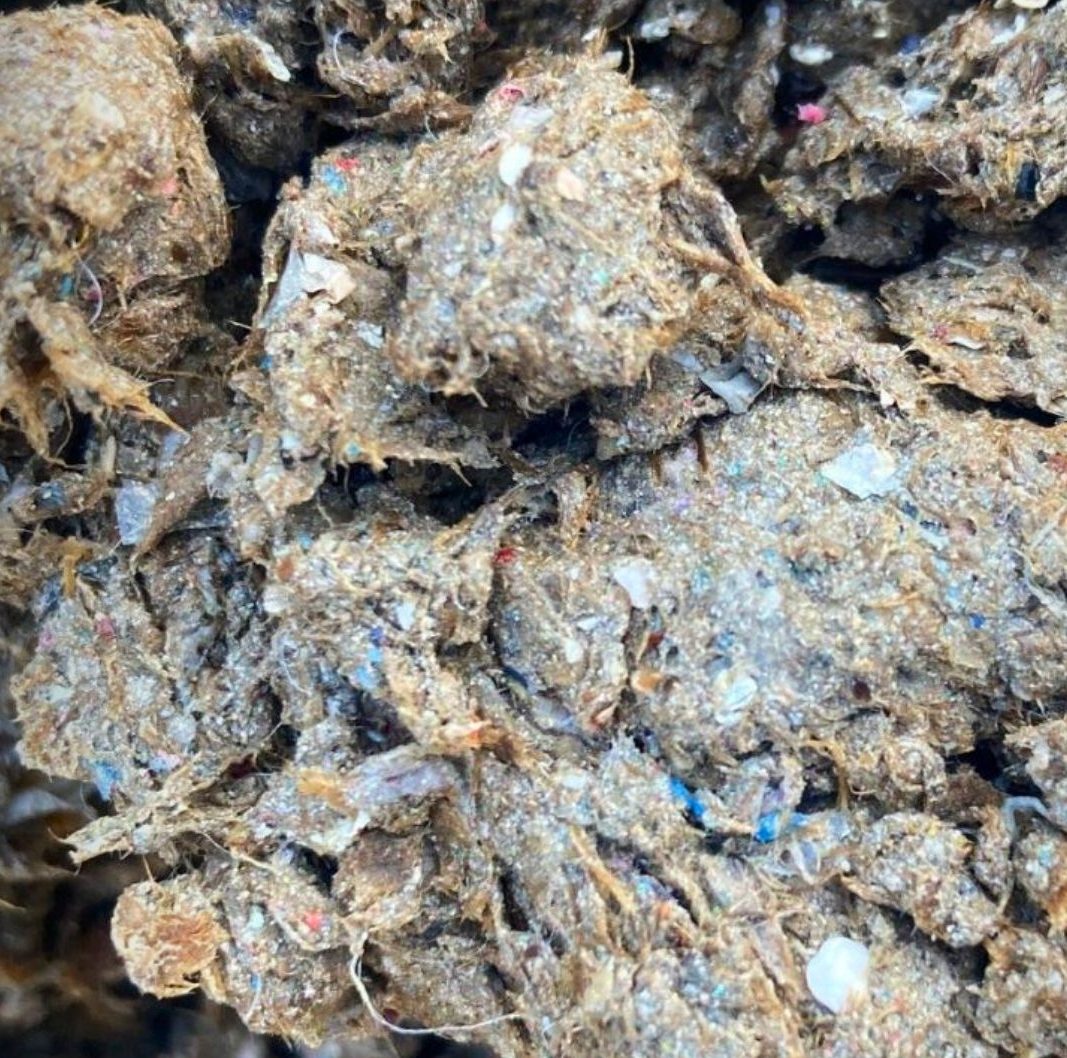
Across the UK, millions of tonnes of toxic sewage sludge is being dumped on our farmland every year. Marketed as “fertiliser,” this hazardous waste produced by water companies can contain a cocktail of microplastics, heavy metals, and dangerous “forever chemicals” that persist in the environment and accumulate over time. Shockingly, around 90% of this sewage sludge is ending up on the land that grows our food, leaching pollution into our soils and rivers.

This isn’t just a failure of transparency, it’s a ticking environmental time bomb that could even lead to soils becoming unable to support crop growth.

Thanks to our legal challenge against the Environment Agency, the Government is finally under pressure to confront this scandal head-on. And behind the scenes, water companies are panicking. A recent investigation by Unearthed has exposed their growing fears: if new regulations come into force to stop this reckless sludge spreading, they’ll be left with millions of tonnes of waste without a home.

And their plan? To make you, the public, pay for the clean-up. Again.


A broken system

Sewage sludge is the solid material left behind after wastewater is treated. It’s a necessary part of managing sewage. However, this sludge is not harmless compost. It’s laced with toxic pollutants, including PFAS (forever chemicals linked to cancer and infertility), microplastics, and heavy metals that poison the land and waterways. Yet water companies have been quietly offloading this waste onto UK farmland for decades, with little accountability and woefully inadequate oversight.

What’s worse, the water industry has not been upfront about what this sludge contains. Farmers have unknowingly spread this material across their fields, and regulators have turned a blind eye. Shockingly, the Environment Agency has axed its pledge to test sewage sludge for microplastics and ‘forever chemicals’ – an issue exposed recently by Fighting Dirty in its legal challenge.

But now the pressure is mounting for the Government to step up.


River Action’s legal push for change

Last year, we launched a legal challenge against the Environment Agency and the Government for failing to enforce the rules on sewage sludge spreading. Our case argued that the authorities were breaching their legal duties to protect human health and the environment by allowing excessive muck spreading that exceeds the immediate soil and crop nutrient needs, leading to nutrient runoff into waterways.

The result? The Government is now reviewing its enforcement guidance, a crucial step toward stopping the spread of toxic waste on our land and rivers. This could force water companies to find safer, cleaner ways to manage their sludge. But there’s a catch: if that happens, they’re already warning they’ll ask Ofwat for an emergency rise in water bills to cover the cost.

Let’s be clear: the public should not foot the bill for the water industry’s environmental negligence. We’ve already paid the price through polluted rivers, poisoned soil, and mounting ecological damage. The companies responsible must be made to clean up their own mess.

Sewage outflow into the River Thames © Getty Image

Time to act

This is a defining moment. For too long, the water industry has prioritised profit over public health and environmental protection. That must end.

Together with Greenpeace, we are calling on the new Secretary of State for Environment, Steve Reed, to take urgent action:

  • Stop the spreading of toxic sewage sludge on farmland
  • Make water companies pay the full cost of disposing of this waste safely
  • Introduce proper regulation and legal limits on the content of sludge used in agriculture

Sign the petition today and demand the Government puts an end to this toxic scandal. Let’s hold water companies accountable and ensure our land, rivers, and future are protected from pollution.

[SIGN THE PETITION]

Growth for who?: The true cost of water pollution

Download PDF
By Henry Shepherd, Communities Coordinator, River Action

“Economic growth is the number one mission of this government” says Rachel Reeves.

Yet, as rivers fill with sewage and budgets for environmental protection are slashed, many small businesses and communities that rely on clean water are being left behind – or worse, shut down.

Across the UK, water pollution is no longer just an environmental and public health issue – it’s an economic one. Behind every brown plume, fish kill, or no-swim warning, there’s a person whose livelihood is taking a hit.

These aren’t abstract numbers or distant disasters, these are real people – watersports instructors, anglers, B&B hosts, event workers – who depend on rivers being clean, safe, and healthy. However, as the toxic cocktail of agricultural runoff, raw sewage, and chemicals continues to flood our waterways, and environmental oversight is gutted, many are finding themselves on the losing end of the government’s “growth” agenda.

“I’ve been shut down and unable to sell my product due to sewage spills upstream… I’m now effectively without a source of income”

Calvin, watercress farmer from Hampshire


The new Labour government has made no secret of its intention to turbocharge economic growth. This growth is achieved via cutting environmental budgets, and stripping regulators of the resources they need to hold polluters accountable. Those who end up winning are corporate shareholders – and the losers are small, local businesses that are being slowly drowned in polluted waterways. This has knock-on effects across entire local economies – the pint in the pub, the B&B, and the stop at the shop after your fishing trip hit local communities in ways we can’t always measure.

“Once a thriving business, I now haven’t taken on a customer in 12 months.”

Angela Jones, watersports business owner on the River Wye


It’s a bitter irony: the very communities that should be benefiting from Labour’s pursuit of ‘growth’ are being stifled by the fallout of short-term thinking and insufficient regulation. River-dependent businesses losing trade due to smell and stigma – cancelled sports events  and family holidays – river users unable to work after getting sick. Entire local economies are being dragged down by the stink of polluted rivers.

This is a symptom of a system that values profit margins over public health, investor returns over infrastructure, and “growth” over anything remotely sustainable. That’s why we’ve written to the Prime Minister and the Chancellor to urge them to end the era of cuts to Defra.

“We rely on membership subs for our Rowing club to survive … .if you don’t want to get sick, why would you pay to row on a nasty river?”

Tom, Club Captain at Durham University Rowing Club


Until water is protected like the public asset it is – not a dumping ground or a corporate cash cow – these stories will keep piling up. And so will the pollution. As the government finalises its spending plans on 11 June, we’re forced to ask:

Growth for who?

Introducing River of the Month – The River Mole

Download PDF
Thank you to Nigel Bond and the River Mole River Watch for much of the content provided in this blog

Introducing River of the Month!

Every month, we’ll be spotlighting a different river, sharing its wonders, its challenges, and the incredible people fighting to protect it. First up is…

The River Mole.

The River Mole is a tributary of the River Thames in southern England. It is a waterway steeped in history, once powering dozens of mills and referenced in literature for its unusual underground flows. Today, it remains ecologically important, supporting diverse fish species such as brown trout, chub and stone loach. However, its biodiversity is under threat from persistent pollution caused by sewage, urban runoff, and agricultural practices, with most sections rated only Moderate or Poor in water quality.


Did you know?

The name ‘Mole’ likely derived from the Latin mola, meaning “mill,” reflecting the numerous mills that once operated along its course.

The river has captured the imagination of several authors and poets and features in “The Faerie Queene” by Edmund Spencer, the “Poly-Olbion” by Michael Drayton and “Wildflowers” by Robert Bloomfield.


Key Facts:

  • Length: 80 km
  • Catchment Area: 512 km²
  • Counties: 2 (West Sussex and Surrey)
  • Fish Biodiversity: High – 13 species
  • Water Quality Tests (poor/bad): 51%
  • Sewage discharges in 2024: 254
  • Sewage hours in 2024: Over 13,000 hours 
  • Ecological Status: Poor


The River Guardians

The River Mole River Watch is a community group founded in 2022 to tackle pollution in the River Mole. Frustrated by worsening water quality, locals came together to protect and restore their river, working with councils, charities, and residents.

River Mole River Watch organises protest walks like March the Mole, runs citizen science monitoring, and empowers local people to become river guardians.


Key Challenges

The Mole faces many challenges.  It is a “flashy” river, with river levels rising and falling rapidly in response to rain.  In winter in places it is prone to flood, in summer many tributaries become mere trickles and in extreme drought (e.g. 2022) the main river can run dry for several miles. 11 Thames Water sewage treatment works discharge into the Mole and tributaries, contributing a substantial proportion of the total flow particularly in summer. Storm overflows discharged untreated sewage for a total of 13,000 hours in 2024. 

Summer conditions are particularly stressful for wildlife with high concentrations of pollutants and high water temperatures. There is a large and growing population with housing developments adding load on water supply and wastewater infrastructure. The river flows under and around Gatwick Airport. The M25 runs across the catchment with the runoff from this and other major roads adding pollutant load on the river system. Domestic misconnections are a particular problem for smaller tributaries.

Much of the catchment is rural with agriculture contributing pollution from legacy phosphate, chemicals, animal sewage and soil loss.  Invasive species including floating pennywort, himalayan balsam, american mink, and red-signal crayfish are widespread. Climate change increases the stressors and also highlights the importance of the river as a natural corridor for wildlife.


Key Solutions

  1. Fix & Upgrade Wastewater Treatment – Properly maintain existing sewage facilities, increase capacity, install better filtration (tertiary treatment), and set strict discharge limits, especially for summer.
  2. Better Management of Road Runoff – Stop pollution from roads and infrastructure before it hits the river.
  3. Nature-Based Solutions – Use reedbeds to treat sewage, build sustainable drainage systems in new housing, and promote farming that protects rivers (catchment-sensitive farming).
  4. Natural Flood Management – Restore wetlands, create space for water, and slow the flow to prevent flash floods.
  5. Restore River Health – Re-meander rivers, re-seed gravel beds, remove barriers to fish, and tackle invasive species.
  6. Tackle Hidden Pollutants – From pet insecticides to sewer misconnections, more action is needed to stop hidden pollution sources.


Find out more about the River Mole River Watch

If you are in the Sussex or Surrey area and would like to help out or join the group, you can find out more here.

If you found this inspiring and would like to find out how you can protect your local river by joining or creating your own river community group, visit our River Rescue Kit.

Privacy Overview

This website uses cookies so that we can provide you with the best user experience possible. Cookie information is stored in your browser and performs functions such as recognising you when you return to our website and helping our team to understand which sections of the website you find most interesting and useful.