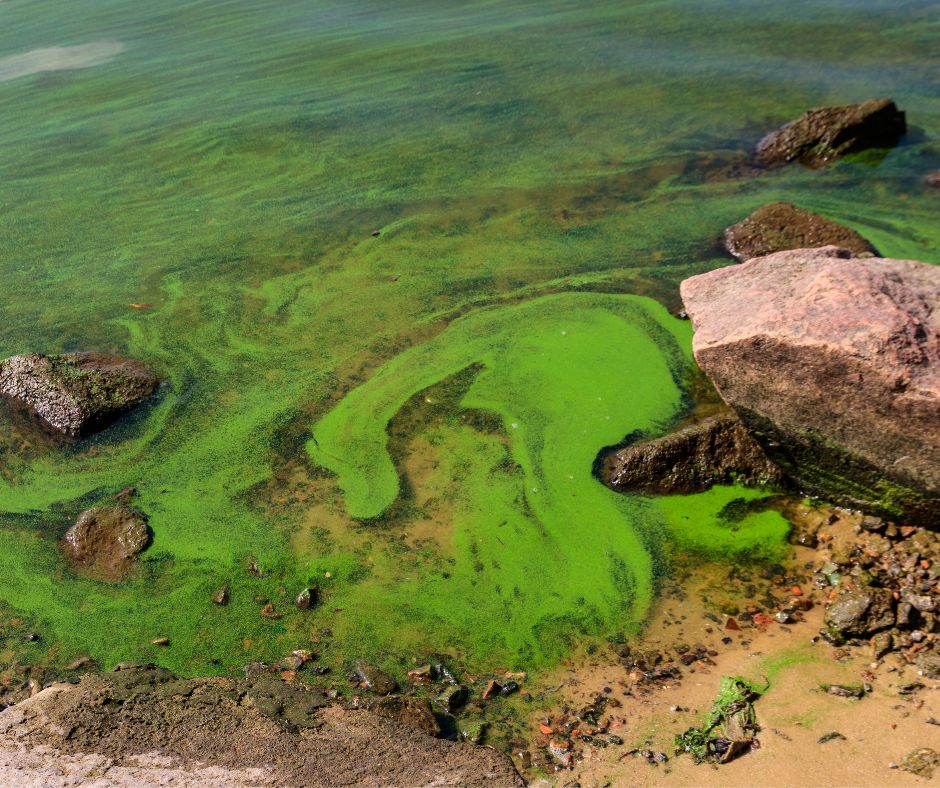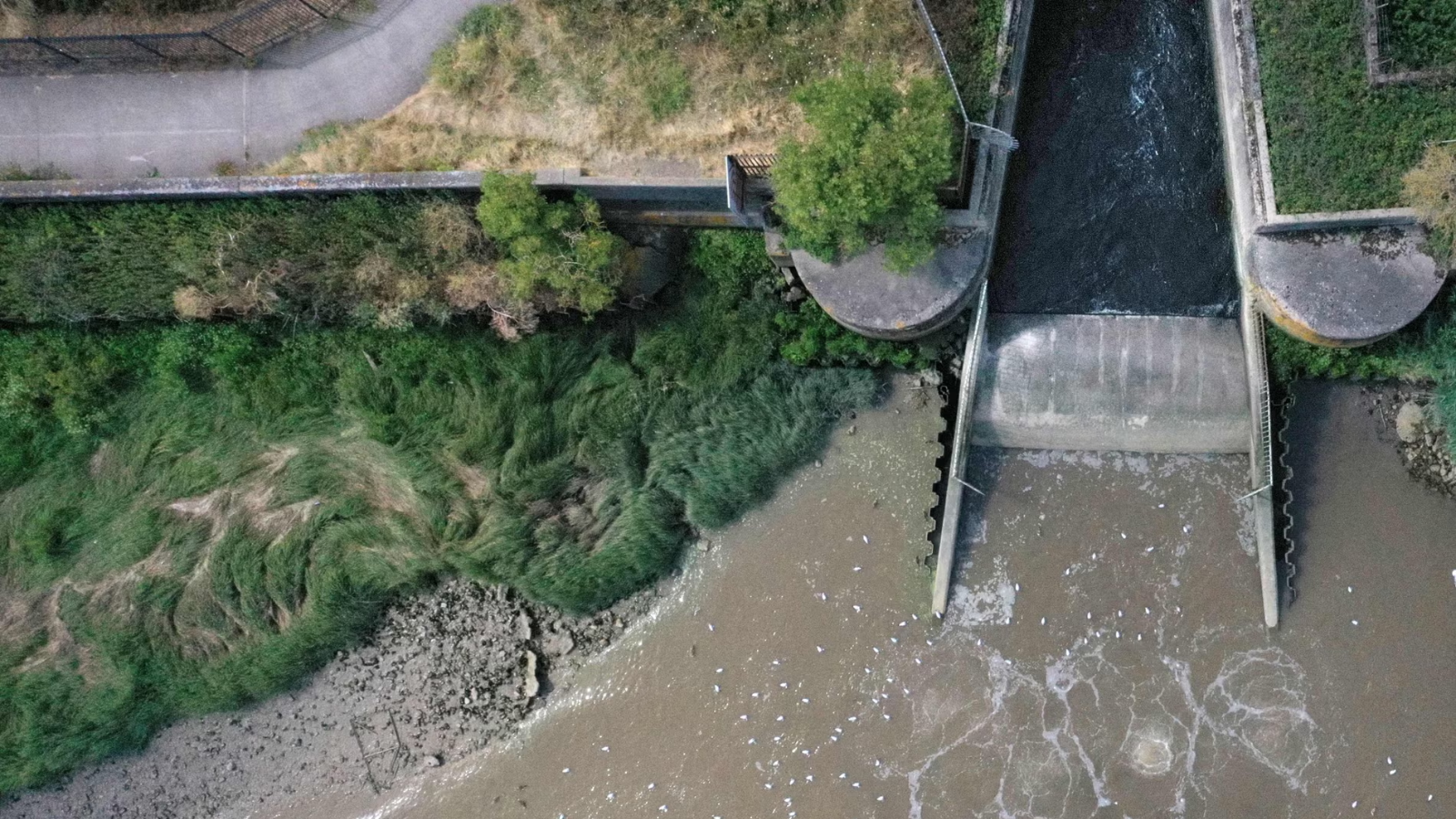
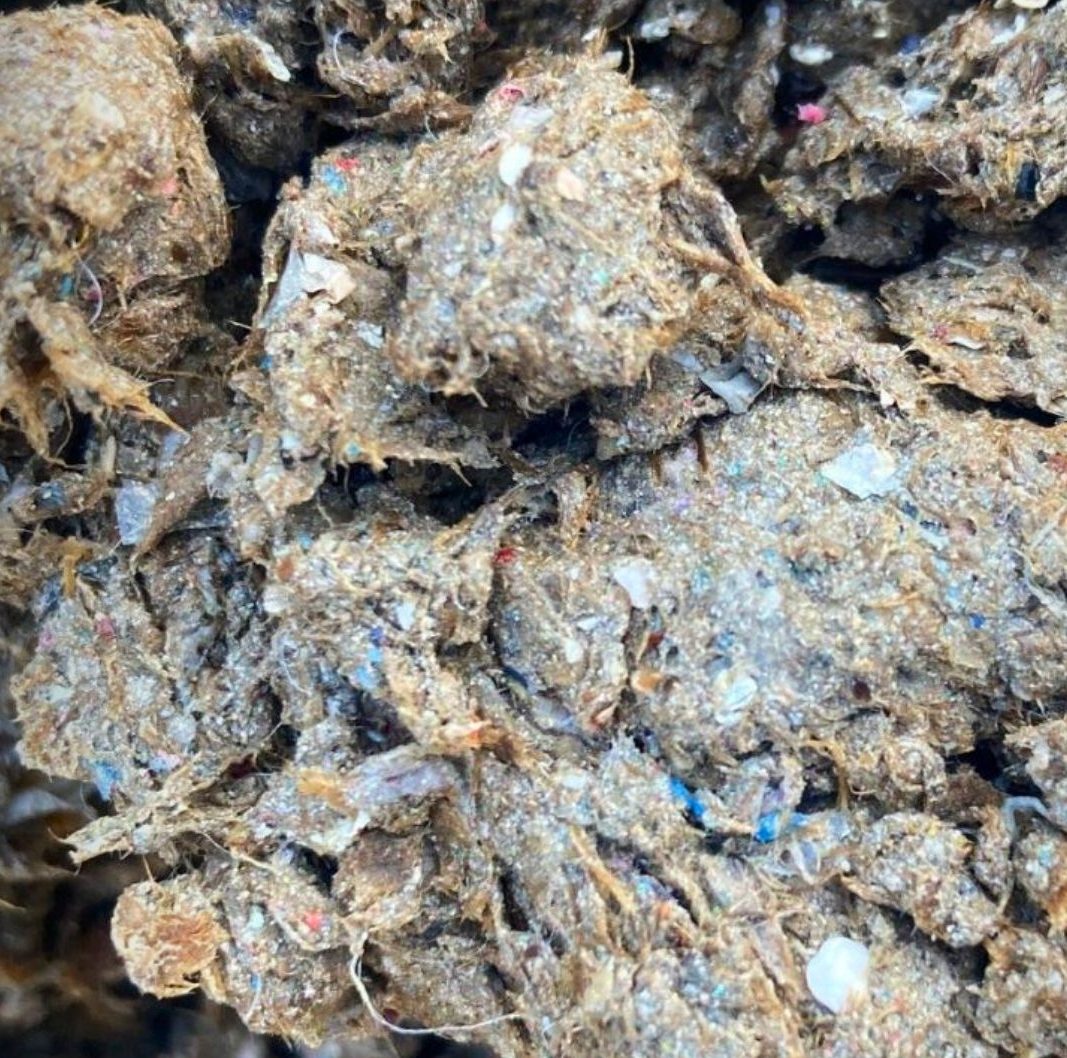

Concerned farmers across England have today announced a coordinated initiative to return sewage sludge contaminated with so-called “forever chemicals” back to the water companies that supplied it, citing growing fears for soil health, river health, food safety, and their own reputations.
The move follows mounting evidence that sludge spread on farmland contains PFAS chemicals, microplastics, and industrial residues that persist indefinitely in the environment.
Much of this cocktail originates from chemical and manufacturing industries, which helpfully design substances robust enough to survive heat, pressure, sunlight, and, it turns out, most attempts at water treatment. Farmers say they are no longer willing to act as what one described as “the final chapter in a very long and poorly edited industrial experiment.”
Under the scheme, informally dubbed “Sludge Back Guarantee™”, farmers plan to deliver unwanted biosolids directly to water company offices, treatment works, and executive car parks, accompanied by polite notes reading: “Thanks, but no thanks. Please enjoy your product.”
“We were told this stuff was a ‘nutrient-rich soil improver’,” said one arable farmer from the Midlands. “Turns out it’s more of a forever-chemical retirement plan. We grow wheat, not legacy pollution.”
Farmers stress that they are not anti-recycling, anti-fertiliser, or anti-water company in principle. They are, however, reluctant to spread materials that behave less like compost and more like a time capsule for industrial chemistry.
Clean river campaigner and responsible farming advocate Hugh Fearnley-Whittingstall said:
“British farmers have spent decades improving soil health and food standards, so it’s reassuring to know they’re now trusted to warehouse a selection of synthetic chemicals that don’t degrade, can’t be removed, and weren’t invited. It’s a bold new diversification strategy.”
The action follows growing concern within the farming community that they are being used as a convenient outlet for sludge generated not just from households, but from industrial effluent containing persistent synthetic chemicals. Critics say the system works with admirable efficiency: chemical companies produce substances that resist breakdown, water companies circulate them through treatment systems not designed to remove them, and farmers are then offered the end product as a sustainable soil enhancer.
River Action’s Head of Campaigns Amy Fairman said:
“This arrangement has the elegance of all good cost-saving exercises: the pollution stays, the risk travels along our rivers, and responsibility quietly disappears. Farmers aren’t rejecting recycling – they’re declining to be mistaken for hazardous-waste facilities.”
Farmers say they are now calling on:
- Chemical manufacturers to stop testing the limits of eternity in products that end up in wastewater
- Water companies to stop accepting industrial chemical waste into systems that produce agricultural sludge (or at least stop calling the result ‘beneficial’)
- Government to update decades-old rules and recognise that ‘persistent’ is not a synonym for ‘harmless’
- Regulators to require full disclosure of what is actually in sludge, ideally before it is spread rather than several decades afterwards
“Food security doesn’t mean ‘spread now, regret indefinitely’,” said a mixed farmer from Yorkshire. “Our soils are our pension, our business, and our responsibility. We’d quite like them not to double as a long-term chemical archive.”
Water companies contacted for comment said they were “reviewing the situation” and confirmed that while sludge was safe “within current guidelines,” they would “prefer not to receive it back.”
The Department for Environment, Food and Rural Affairs reminded farmers that April 1 is “not an appropriate day to trial reverse logistics for biosolids,” before adding that it would “continue to engage constructively with all stakeholders and, where possible, reality.”
Farmers insist the message is serious, even if the timing is not.
“We don’t want sludge wars,” said one. “We just want clean water, clean soil, and slightly fewer forever chemicals. Ideally none, but we’re trying to be realistic.”
Notes to editor
This press release is issued as part of April Fools’ Day and the “Return to Sender” programme described above is satirical.
However, the practice of spreading sewage sludge on agricultural land in England is very real. Sewage sludge can contain PFAS “forever chemicals”, microplastics, and other industrial contaminants that are not routinely removed during treatment and can persist in soils and waterways.
Farmers’ concerns about being asked to spread contaminated sludge, the lack of transparency over its contents, and the long-term risks to soil health, water quality, food safety, and public trust are genuine and widely shared.
Public concern is also significant. A recent YouGov poll conducted for River Action found that 92% of people in the UK believe water companies must ensure sewage sludge used on farmland is not contaminated. The same polling shows that 61% of respondents were unaware that sewage sludge from water companies is commonly spread on farmland, while half (50%) believe the practice poses risks to health and food quality.