Meet Dr Samir Seddougui, River Action’s Campaign Researcher

Download PDF

Q1. Tell us about yourself

Hi I’m Samir, I grew up in the West Midlands but have spent the last decade living in Bristol where I recently completed a PhD in Social Policy. I have always enjoyed being in water, often spending a lot of time on canals in and around Birmingham, which has more (miles of) canals than Venice! I’m now enjoying spending more time on naturally occurring bodies of water. Having lived in Bristol for the last decade, I have spent a lot of time around the River Avon, and enjoy cycling alongside the river on the way to Bath.

I have family across the world from Morocco to Australia, so I love to travel and explore new places and cultures. During my PhD I worked for several think tanks conducting research on corporate lobbying, Islamophobia and far-right organisations across Europe and North America. Throughout my time in Bristol I have been involved in many social justice campaigns, and strongly believe that social justice and environmental justice are interconnected. This is one of the reasons I am so excited to begin working at River Action and contribute to such important and impactful campaigns. I’ve recently moved to South East London, and really enjoying the variety of amazing cuisines from around the world.

Q2. How did you become interested in river protection?

Like many people, I found nature to be a solace during the Covid pandemic. It was around this time that I began to use Surfers Against Sewage’s SSRS sewage map to make a risk assessment on whether the nearest body of water was safe to swim in. This led me to wanting to find out more about the degradation of British rivers and wanting to collectively transform a broken system.

Q3:  You have had a very impactful career, investigating Islamophobia and racism, and supporting victims of hate crime. What have you enjoyed most about this kind of work and what have been its biggest challenges? 

Having spent around a decade fighting for racial justice, one of things I found most rewarding was being able to work closely with and support many individuals who have experienced hate-crime and discrimination. The criminal justice system is often complex to navigate with many obstacles to traverse, so being able to offer practical and emotional support is a really important service. I was also able to work closely on several landmark cases of racial discrimination and Islamophobia that led to change.

Working within racial justice often felt like swimming upstream against a tide which was constantly getting stronger. This continues to be a major challenge for the sector which has seen consecutive governments underplay the prevalence of systemic racism and the rise of far-right attitudes within society. River Action’s determination and optimism for the future really drew me to this role.

Q4: What are your greatest passions outside of work?

Having spent the last decade in Bristol I have really enjoyed exploring the various stone circles and neolithic sites that are in the South West, particularly Stanton Drew and Avebury which are great to really immerse yourself in the standing stones and their ancient history. I do like to be inside too, and spend a lot of time at gigs watching live music. Bristol has an incredible DIY music scene with amazing venues like Strange Brew and The Exchange. One day might be a 9-piece folk band, and the next a Chelsea Manning DJ set. I really value the diversity and forward thinking nature of the music scene there.

Q5. Tell us about your new position as River Action’s Campaign Researcher, What can we expect to see from your role in 2025?

In my role as campaign researcher I will be supporting the RA team by conducting analysis on river pollution across the UK so river action campaigns are evidence driven and reflect the reality of the current state of our rivers.

Q6. Finally, in your opinion, what is further needed/what needs to change to rescue Britain’s rivers?

We need to radically rethink the system and start putting the environment and the public before the profits of corporations. For too long the system has ignored the degradation of Britain’s rivers and as a result the health of the Rivers across the UK are in crisis. The impact of climate change and extreme weather patterns becoming more regular, only makes this more urgent. River Action are amongst several environmental organisations that are at the vanguard of driving positive change and a roadmap to address decades of policy failures.

“The illusion of change”: Water Commission falls short

Download PDF

Water Commission fails to propose bold reform

The Independent Water Commission’s final report fails to propose the bold reform urgently needed to fix the UK’s crumbling water system. While the report acknowledges the depth of the crisis, it ultimately offers “the illusion of change – not real change.”


Our CEO James Wallace said:

“This was a once-in-a-generation opportunity to reset a broken and corrupted system. Instead, the Commission blinked. After three decades of privatisation, there is no evidence it can work. The report diagnoses symptoms but avoids the cure, appeasing the vulture capital markets and failing to propose alternative public-benefit investment, ownership and governance models that have been proven across Europe. ”

“We needed a credible plan to rescue Britain’s rivers, lakes, and seas – and a clear pathway to bring failing companies like Thames Water into public control. Instead, we’ve been handed vague policy nudges that leave the current failed privatised water company model intact. When raw sewage is pouring into our waterways and reservoirs run dry, tinkering with regulatory half-measures simply isn’t enough to restore public trust. 

“The Government must act now with a powerful statement of intent by putting our biggest polluter – Thames Water – into Special Administration to send a warning shot across the stained bows of the Sewage Armada. Anything less will signal the UK is open to yet more corporate takeover. Our water is our life-blood and not for sale.”


What’s missing: the real reform agenda

River Action criticised the Commission for avoiding the structural changes needed to protect the environment, rebuild trust, and hold polluters accountable. Key omissions include:

  • Ending the privatisation model and shifting to public-interest ownership, based on successful international examples, which rebuild public trust and engage local stakeholders
  • Restructuring debt by using government-backed bonds that would reduce rapacious interest costs from 10-12%+ to 4%, saving 50% of customer bills
  • Triggering the Special Administration Regime (SAR) to bring failing companies like Thames Water into public ownership, which, contrary to ill-informed government warnings, will not cost the public purse billions
  • Acknowledging the true financial state of the industry – including that the cost of repairs to Thames Water’s assets of £23 billion would render its effective market value close to zero
  • Democratising governance, with public and environmental representation on company boards and transparent public oversight at regional and local levels
  • Banning self-monitoring, transforming data transparency and enforcing environmental laws through rapid, consistent prosecution including immediate access to courts, allowing regulators to focus on people and nature rather than polluters
  • Ensure the polluter pays principle is used across all upstream polluters, including agriculture and transportation, to clean-up our waterways

What the Commission gets right

River Action welcomed several important recommendations and acknowledgements:

  • When using Special Administration, the Government should consider public benefit ownership models – however there’s no mention of ministers needing to develop a clear, proactive policy now, not after Thames Water collapses
  • 8 new regional water system planning authorities to provide municipal oversight – described by River Action as “urgently needed,” especially following new figures showing a 60% increase in serious pollution incidents in 2024
  • A coherent 25 year national strategy for sewage and water infrastructure that connects planning, delivery, and pollution control across regions
  • The need for low-risk, low-return, long-term investment but falls short of stating convincingly how the failed privatised system can deliver this
  • The replacement of failed regulator Ofwat with a new regulatory watchdog but will it have the teeth to enforce the law?

River Action cautiously supports this proposed reform of regulation – provided it is ring-fenced from industry influence, properly resourced, integrates financial and environmental regulation, provides local oversight of planning, pricing and delivery and is empowered to keep water companies honest and puts public needs first.

Our CEO adds:

“Anything less risks repeating the same cycle of captured oversight and corporate impunity,”


A final warning against inaction

With public trust at an all-time low, River Action is calling on the Government to show leadership and adopt legally enforceable targets and reforms that:

  • End pollution for profit and the privatisation model
  • Prioritise environmental and public health
  • Return control of the UK’s water system to the public interest

We need bold and decisive leadership from the Labour Government to give the Environment Secretary and Defra the resources and support he needs to tackle the sewage scandal and freshwater emergency. If ministers fail to act now, they are not just neglecting their duty – they are protecting polluters and pandering to international investment markets, putting at risk our national water security, natural environment and public health. Delay and weakness is complicity in the further destruction of the lifeblood of our economy” – James Wallace, CEO of River Action

Meet Tim Birch, River Action’s Policy and Advocacy Manager!

Download PDF

Q1. Tell us about yourself

I live in West Wales and love walking the Pembrokeshire Coastal path watching wildlife such as grey seals, choughs and dolphins which we are fortunate to have on our doorstep. I grew up in the Peak District and spent many happy hours as a child bird watching amongst the hills and dales of Derbyshire. I can still remember how excited I got when I saw my first Dipper and Kingfisher on our local river so my connection with rivers goes back a long way. I love watching live music, particularly Irish folk and classical music, and enjoy playing the piano when i can.

Q2. How did you become interested in river protection?

When I finished at the University of Sheffield a group of us became particularly concerned about the state of rivers in South Yorkshire – particularly the Don and the Rother. They were heavily polluted by industry and sewage discharges. We decided to look into what was going on. As we began to examine the pollution registers for these discharges it became clear to us that companies were regularly breaching their discharge licences and little was being done by the regulatory bodies – so not much has changed there !

We decided to make a short film about what we found out and we established a local rivers campaign group called the Clean Rivers Campaign. This rapidly got local and national coverage and had a big impact. I’ll never forget when we got a Radio 4 crew who came up to interview us on a small boat on the River Rother which was one of the most polluted rivers in the UK at the time.

Q3. You have over 30 years of expertise in advocacy, biodiversity policy, and environmental campaigning at some of the most impactful UK environmental charities such as Greenpeace UK and Greenpeace International, the RSPB and the Wildlife Trusts. What have you enjoyed most about this kind of work and what have been its biggest challenges? 

I have worked at both the local, national and international level during my career in the nature conservation and environmental sector. I  have worked around the world on some of the biggest environmental issues that we face such as tropical rainforest destruction of the Amazon and in Indonesia and toxic pollution of our oceans.

These campaigns have brought me face to face with appalling environmental destruction. However, what i have always found most rewarding, when faced with such destruction, is having the chance to work with such a diverse mix of people and cultures who all share the same values about the need to protect and restore our amazing planet. That gives you an incredible amount of hope and drive to continue and never give up.

Q4. Tell us more about your position as a trustee of Tir Natur (a rewilding NGO in Wales), and your passion for rewilding.

I recently was asked to join the board of Tir Natur and have been delighted to join the first Welsh rewilding organisation. Tir Natur was set up to bring rewilding to Wales and to look for opportunities to showcase rewilding at scale in Wales. Wales has been slow to get on board with rewilding and I see Tir Natur as vital to help address this. Rewilding brings exciting new opportunities to both protect and restore nature and to also support and sustain local communities.

I have visited many rewilding sites in the UK and overseas and I have been both astonished and inspired to see how quickly nature can recover if it is given the freedom and space to do so. Rewilding is critical if we want to address the nature crisis in the UK and in Wales. The time has come to help our rivers become wilder across the UK!

Q5. Tell us about your new position as River Action’s Policy and Advocacy Manager, What can we expect to see from your role in 2025?

I am absolutely delighted to be joining River Action. I have been so impressed at the huge positive impact River Action has had as it rescue’s Britain’s rivers. It is clear that there is massive public support to clean up and restore our rivers and River Action has played a key role in bringing the plight of Britain’s rivers to the attention of the public. My role will be to help increase the advocacy impact of River Action with politicians, regulators, local authorities and business not only in England but across the devolved nations starting with Wales.

I will be helping to ensure that the incredible work of local community groups fighting for their rivers makes a significant political impact. I will also be helping to continue to develop our policy work so that we can advocate for the most river friendly policies.

Q6. Finally, in your opinion, what is further needed/what needs to change to rescue Britain’s rivers?

We need a real sense of urgency to rescue our rivers. For too long our rivers have become forgotten backwaters – that is changing particularly because of the work of River Action but we need to do more and we need to act fast. We need to continue to increase public awareness about the plight of our rivers and put forward the solutions to the problems our rivers face at all levels. More communities taking more action on their local rivers is vital to help create the pressure for change.

We need to continue to expose polluting practices and hold those polluters to account. The people supposed to be protecting our rivers need to step up and when necessary enforce the law – far too many river polluters are getting away with damaging our rivers and this has to stop.

We need to bring the market into the frame and that means supermarkets who are selling products that pollute our rivers during their production – this needs to change and fast and supermarkets need to help bring about that change. Our rivers are the living arteries running the length and breadth of our country – its so inspiring to be part of a movement helping to breathe life back into our rivers.

Fowl play: why this huge chicken farm has no place by the River Kennet

Download PDF
By Janet Coleman, River Kennet Campaigner

Seriously clucked off

As local residents lucky enough to live in Berkshire’s beautiful Kennet Valley we are seriously clucked off by the recent planning application from the landowner – the Sutton’s Estate – to locate a 32,000 bird intensive poultry unit at Bradfords Farm in a field designated AONB (National Landscape), on the edge of the floodplain just 200 metres from the River Kennet, SSSI. It beggars belief that Sir Richard Sutton Limited, a large commercial concern owning luxury hotels in London, and approximately 16,000 acres of land in UK, together with land in Ohio, US, couldn’t find somewhere more appropriate to locate their potentially polluting chicken factory.

We live very close to this site where we enjoy walking by the river and watching the abundant wildlife.  The thought that this treasured river, already under stress, will be put at further risk is completely unacceptable. Fortunately our campaign to fight off this threat to our environment and the potential damage to the River Kennet, one of only 200 chalk streams in the world, has prompted welcome and highly effective support from anglers, wildlife enthusiasts and organisations whose mission it is to care about our endangered environment. 


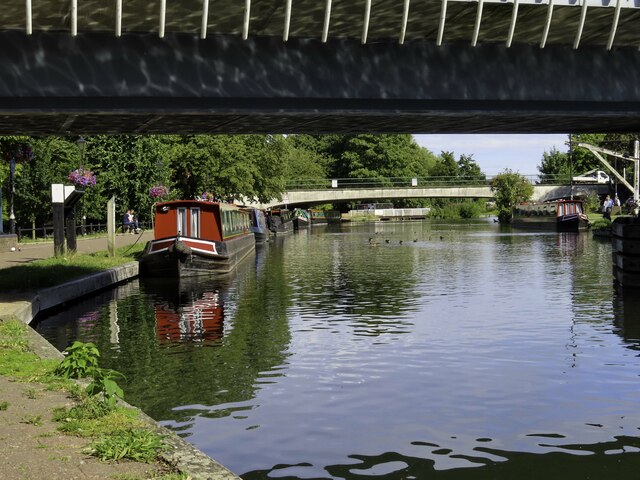
The River Kennet in Newbury © Steve Daniels

The game changer

Initially the objectors numbered a few dozen local residents but once we reached out to the likes of River Action and the Angling Trust the campaign really began to motor. Local angling clubs such as Newbury AA and Reading & District mobilised their members to the extent that there are now 232 formal objections. The Angling Trust made representations to both the Environment Agency and Natural England who have sent in comprehensive lists of concerns with the EA now escalating theirs to a formal objection. This, we feel, really could be a ‘game changer’.

We asked the applicants to a public meeting at which we were grateful to have the articulate support of James Wallace from River Action, Anna Forbes from Action for the River Kennel (ARK) – our local River Trust, Martin Salter (Head of Policy, Angling Trust) and various locals with knowledge of planning, avian flu and law.  It seemed to us that the applicant’s representatives were very ill prepared and unable to answer many questions. Fish Legal and Solicitors Leigh Day have also given valuable advice.


The case

Our case is simply this – 
  • We support responsible farming but this poultry unit on the proposed site would be an environmental disaster for the river.
  • Massive egg production units like this should be nowhere near any river and this applicant has plenty of environmentally more suitable land.
  • The only reasons given for the applicant selecting this field is its proximity to the farm manager’s house and convenient supply of electricity!
  • If permitted, the precedent will be set and all the other fields along the Kennet Valley owned by the applicant will have units for 32,000 chickens.  When asked this particular question the applicant’s representatives were unable to guarantee that this would be the only one.
  • The applicants have recently submitted a wholly inadequate Manure Management Plan.  They rely on their “circular farming” system which, in simple terms, means collecting waste from the unit, transporting it to another of their nearby farms for storage and then spreading it on land where they grow the grain to feed the chickens. This toxic waste has been legally classified as “industrial waste” and must be treated as such.
  • Hard evidence from the terminal decline of famous rivers such as the River Wye and Severn demonstrates that, far from being custodians of the land, many farmers cannot be trusted to look after habitats and water courses.


The LPA cannot allow this abomination

At the start of this campaign we felt everything was a struggle and that we were up against an applicant with sufficiently deep pockets that every point we raised would just be given to an expensive consultant for response. Fortunately the expensive consultant’s various reports were so inadequate that even we lay people could see there really was no justifiable reason for this poultry unit in this location, so close to the river.

Clearly the Environment Agency – rather better qualified than us to judge – found their reports more than inadequate and has formally objected in strong terms.  We are not there yet but with the EA’s support, and hopefully that of Natural England too, the local planning authority (LPA) surely cannot allow this abomination.

River Action granted permission to proceed with legal challenge against Ofwat 

Download PDF

Ofwat has forced customers to pay twice for water industry failures – and we are calling for urgent regulatory reform

We are taking water regulator Ofwat to a full court hearing, to challenge the approach Ofwat took when it set the price that water companies like United Utilities can charge their customers.

Ofwat’s approach was unlawful and, as a result of regulatory failings, the financial burden of water industry infrastructure neglect has been pushed onto customers – rather than those responsible.

The case is proceeding amid intensified calls for an overhaul of Ofwat, with growing scrutiny from the Independent Water Commission, led by Sir Jon Cunliffe, into whether the regulator is fit for purpose. We are calling for a reform of the regulator and, in particular, for Ofwat to stop water companies passing the costs of failures on to the public.


Water bill hikes – with no guarantees for the future

At the heart of the case is Ofwat’s 2024 Price Review (PR24), which approved above-inflation water bill increases, including an average annual rise of £123 per household, without guaranteeing the money will be spent on new infrastructure rather than plugging the gaps left by decades of underinvestment.

The legal challenge follows investigations by campaigners Matt Staniek and Windrush Against Sewage Pollution (WASP), which exposed chronic sewage pollution in the Lake Windermere area and regulatory failings around PR24.

While the claim focuses on the PR24 determination for United Utilities in relation to water works in and around Lake Windermere, River Action thinks it exposes fundamental failures in Ofwat’s approach – with national implications.

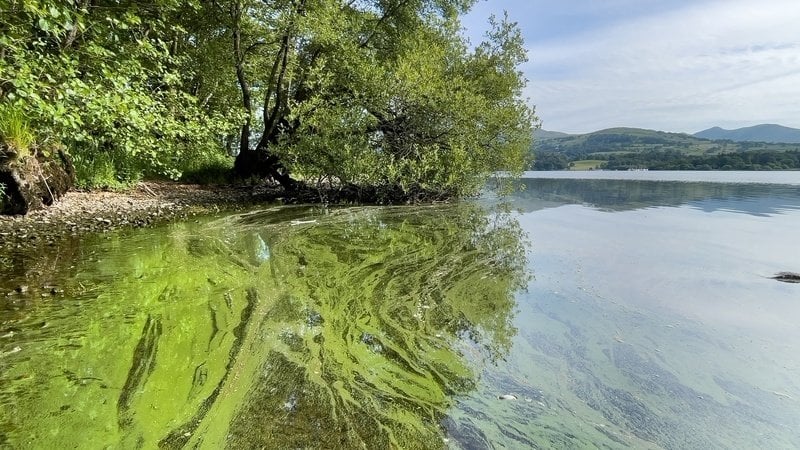
Lake Windmere, Algea blooms | Matt Staniek ©

Customers are being forced to pay twice

The regulator’s decision allows water companies, such as United Utilities, to charge customers twice: first for water bills that should have covered infrastructure maintenance and then again through new hikes aimed at fixing the same problems.

In August 2024, United Utilities was granted “enhanced funding” to upgrade sewage treatment works around Windermere. This approval came despite evidence submitted to Ofwat showing over 6,000 hours of raw sewage discharges in the lake in a single year. Ofwat ignored this data in favour of hydraulic simulation modelling, which fails to reflect on-the-ground conditions.


Legal grounds: flawed modelling, weak enforcement

Permission has been granted for all of our three grounds. Represented by law firm Leigh Day, we will argue that:

  • Ground 1: Ofwat approach to its own “not paying twice” policy was unlawful because it relied on theoretical hydraulic simulation modelling instead of the reality on the ground as seen in evidence provided to Ofwat.
  • Ground 2: Ofwat lacks a meaningful clawback mechanism if water companies misuse funds.
  • Ground 3: Ofwat failed to conduct legally adequate investigations into whether its approach is adequate.

A broken system that needs reform

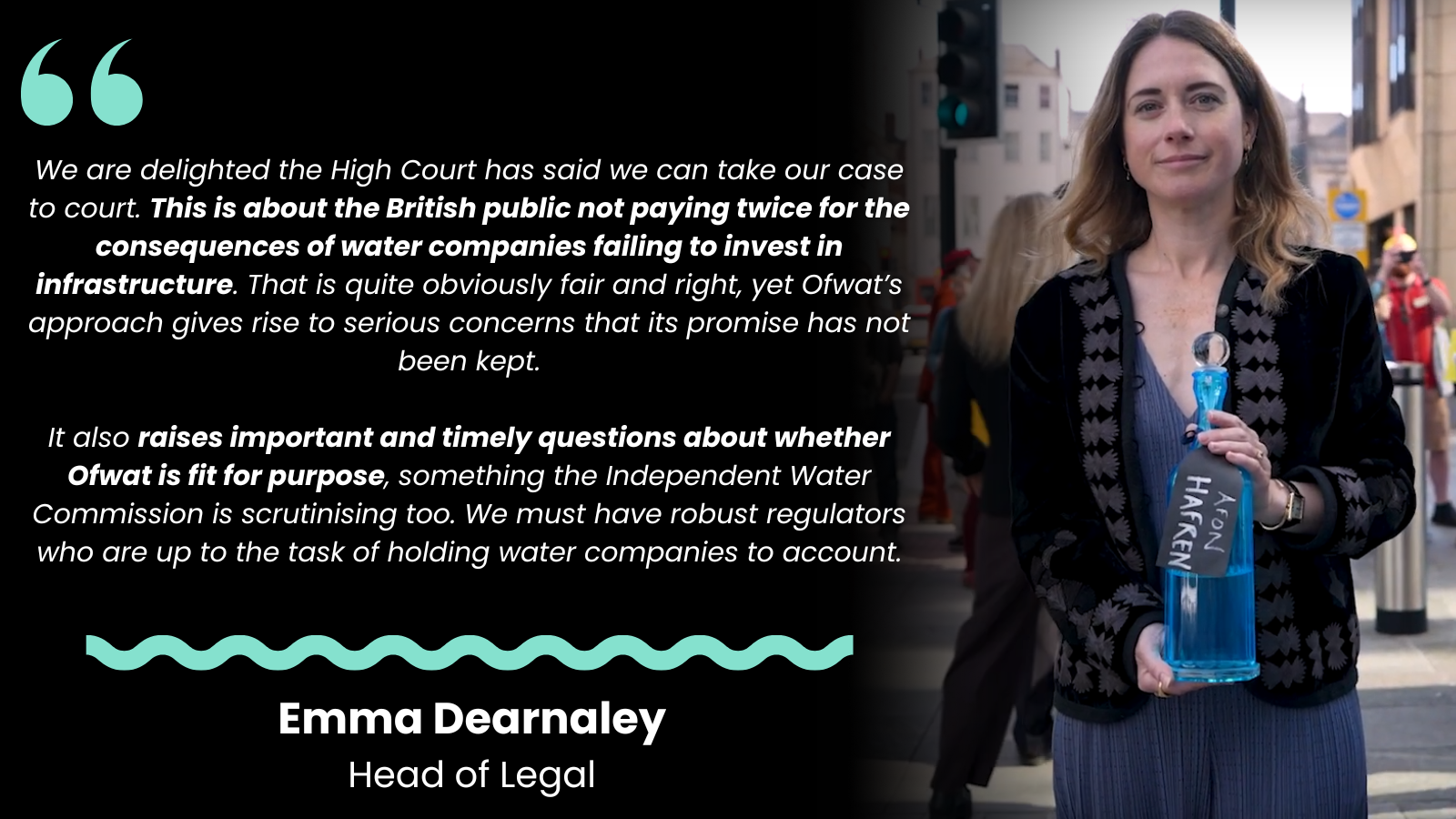
River Action’s Head of Legal Emma Dearnaley said,

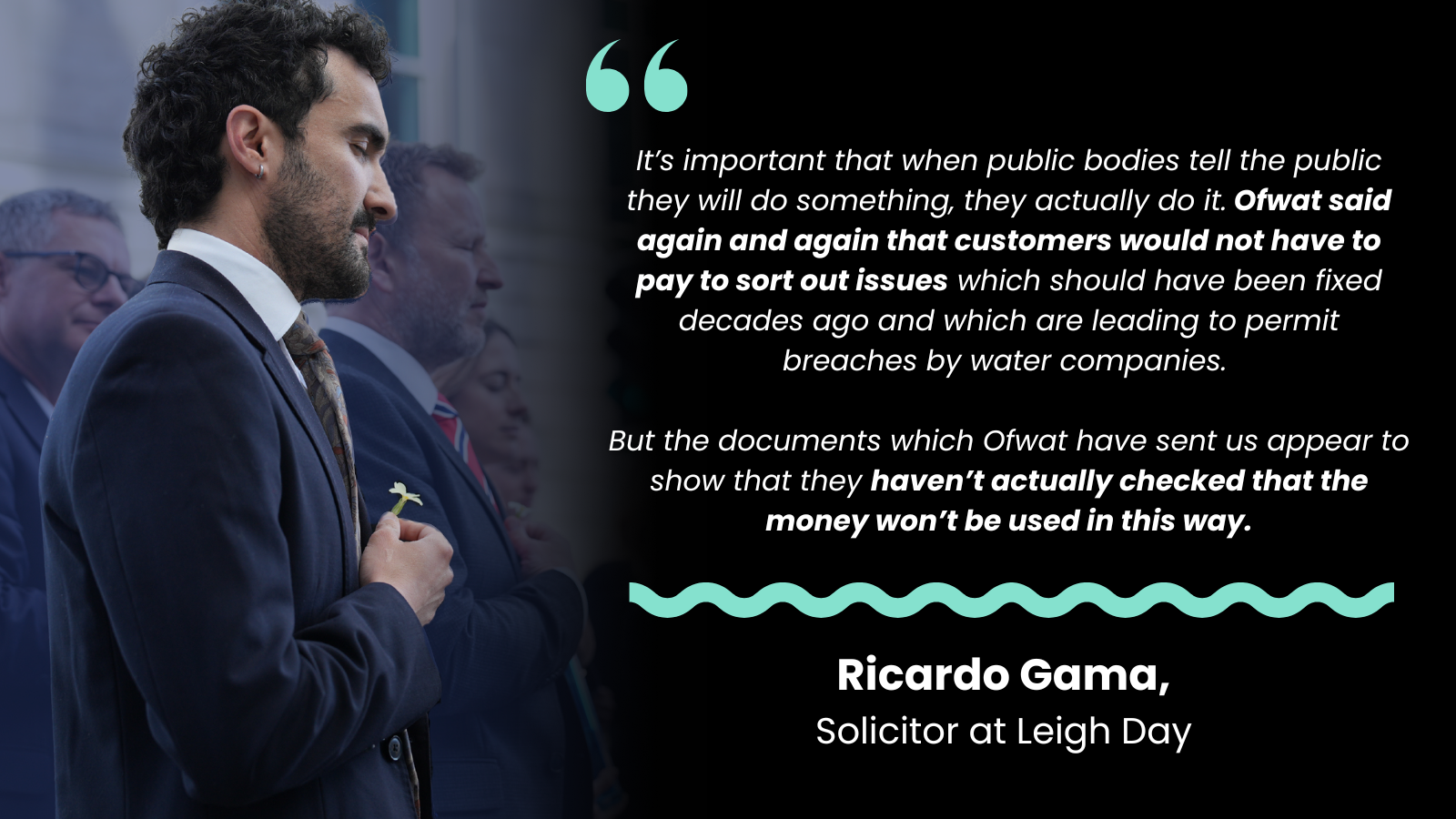
Ricardo Gama, partner at Leigh Day, added:

River Action wins landmark High Court case against Shropshire Council over industrial chicken farm chaos

Download PDF

High Court ruling sets national precedent that marks turning point for polluting factory farming in the UK

We have won a major legal victory in the High Court against Shropshire Council today, successfully overturning the approval of a 200,000-bird intensive poultry unit near Shrewsbury in the River Severn catchment. The High Court judgment marks a pivotal moment in the movement against factory farming in the UK.

The case was brought by local campaigner and River Action board member Dr Alison Caffyn, supported by River Action. The judgment quashes Shropshire Council’s planning decision and marks a major turning point in the fight against the irresponsible and harmful spread of factory farms and the protection of the UK’s iconic rivers.

This victory sends a clear message that planning authorities must:

1)  Assess the cumulative impacts of having multiple intensive agricultural developments in one river catchment before granting permission for another.

2) Consider how livestock production units dispose of the waste from treatment facilities downstream, including from anaerobic digestion plants.

The case highlights systemic failures to account for the environmental toll of having clusters of industrial-scale poultry farms in one area causing “ecological death by thousands of tonnes of chicken muck.”

It has shone a light on the problems with the planning system when it comes to agricultural developments in precious and protected environmental sites, such as the River Severn and River Wye catchments.

This case has importantly clarified the approach that local authorities across the country will need to take to properly assess the cumulative and downstream environmental impacts of any future intensive farming developments in protected areas. This will mean taking a combined approach when assessing new intensive agricultural developments instead of viewing them as being unconnected to what is already there.


A watershed moment for rivers

The judicial review focused on Shropshire Council’s failure to lawfully assess the environmental impact of the development, including the widespread and damaging practice of spreading poultry manure or digestate on surrounding land.

Key issues upheld by the court included:

  • Failure to assess cumulative impacts: The council failed to assess the total impacts of the development alongside other existing ones (including increases to chicken numbers consented through environmental permits instead of planning permissions).
    Failure to assess indirect environmental impacts: The council failed to lawfully assess the downstream impacts of the development, in particular the spreading of digestate on land.


Legal significance


The tide of megafarm pollution is turning

This judgment follows several recent challenges against industrial agriculture. In March, the High Court ruled in The National Farmers’ Union v Herefordshire Council that farming manure constitutes industrial waste in law, with significant implications for the sustainable management of manure-as-waste across the UK. Earlier this year, a proposed megafarm in Methwold, Norfolk was rejected over environmental concerns including the need to take full climate impacts into account when deciding whether to grant permission and the need to properly manage waste to prevent air and water pollution.

With the future of megafarms and our iconic rivers at a crossroads, the government now needs to drive industry-wide reform.

We hope that today’s victory will be a turning point in agricultural planning and policy, putting environmental health at the heart of decisions, stopping the spread of unsustainable megafarms and delivering proper protection for our rivers.

The grant of planning permission was quashed by the court.

Shropshire Council will not be appealing the decision.

Read the full judgment here.

Spending Review: Boost for farmers, blow for regulators

Download PDF

Spending Review: Good news for farm payments – but not for regulation as DEFRA budget reduced

We welcome the government’s commitment to significantly increase funding for Environmental Land Management Schemes (ELMS) – with the budget set to rise by 150% from £800 million in 2023/24 to £2 billion by 2028/29. This substantial investment offers a vital opportunity to support farmers in restoring nature, improving soil health, and reducing agricultural pollution in our rivers and streams. But is it enough?

In a difficult fiscal period, DEFRA needs all the support it can get to increase funding for the transition to nature-friendly farming. However, the Spending Review raises serious concerns about the Government’s ability to protect river health. DEFRA’s overall budget has been reduced by 2.3% in real terms – continuing over a decade-long decline in funding. As a result, it remains under-resourced to enforce environmental laws at scale, limiting regulators’ ability to hold polluters, including water companies, to account.

Water bill payers across the country expect their water companies to be held responsible for pollution – not rewarded for failure. Weakening the watchdogs that should be protecting the UK’s rivers and water supply is unwanted by the public.

Toxic sludge scandal: The hidden threat lurking in our fields

Download PDF
By Amy Fairman, Head of Campaigns, River Action

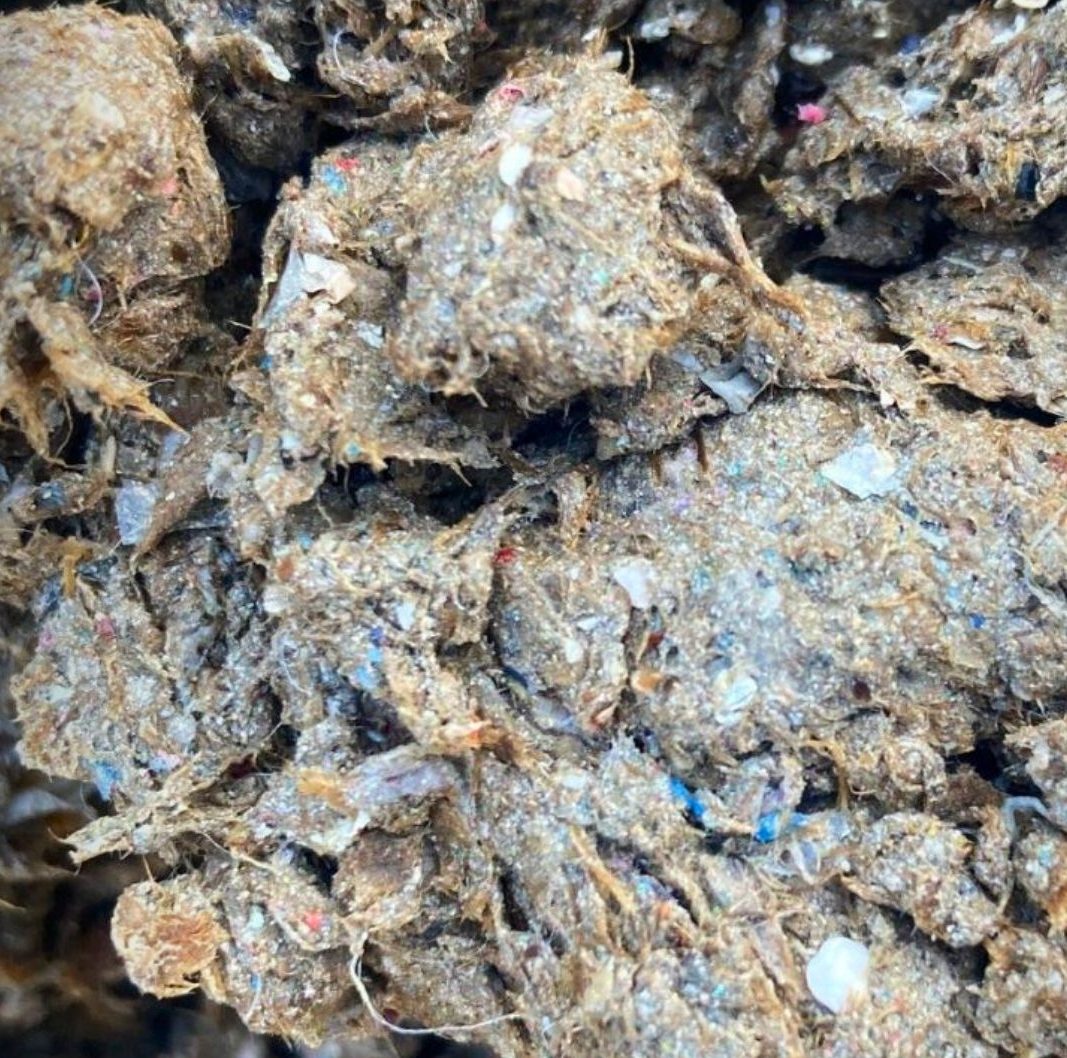
Across the UK, millions of tonnes of toxic sewage sludge is being dumped on our farmland every year. Marketed as “fertiliser,” this hazardous waste produced by water companies can contain a cocktail of microplastics, heavy metals, and dangerous “forever chemicals” that persist in the environment and accumulate over time. Shockingly, around 90% of this sewage sludge is ending up on the land that grows our food, leaching pollution into our soils and rivers.

This isn’t just a failure of transparency, it’s a ticking environmental time bomb that could even lead to soils becoming unable to support crop growth.

Thanks to our legal challenge against the Environment Agency, the Government is finally under pressure to confront this scandal head-on. And behind the scenes, water companies are panicking. A recent investigation by Unearthed has exposed their growing fears: if new regulations come into force to stop this reckless sludge spreading, they’ll be left with millions of tonnes of waste without a home.

And their plan? To make you, the public, pay for the clean-up. Again.


A broken system

Sewage sludge is the solid material left behind after wastewater is treated. It’s a necessary part of managing sewage. However, this sludge is not harmless compost. It’s laced with toxic pollutants, including PFAS (forever chemicals linked to cancer and infertility), microplastics, and heavy metals that poison the land and waterways. Yet water companies have been quietly offloading this waste onto UK farmland for decades, with little accountability and woefully inadequate oversight.

What’s worse, the water industry has not been upfront about what this sludge contains. Farmers have unknowingly spread this material across their fields, and regulators have turned a blind eye. Shockingly, the Environment Agency has axed its pledge to test sewage sludge for microplastics and ‘forever chemicals’ – an issue exposed recently by Fighting Dirty in its legal challenge.

But now the pressure is mounting for the Government to step up.


River Action’s legal push for change

Last year, we launched a legal challenge against the Environment Agency and the Government for failing to enforce the rules on sewage sludge spreading. Our case argued that the authorities were breaching their legal duties to protect human health and the environment by allowing excessive muck spreading that exceeds the immediate soil and crop nutrient needs, leading to nutrient runoff into waterways.

The result? The Government is now reviewing its enforcement guidance, a crucial step toward stopping the spread of toxic waste on our land and rivers. This could force water companies to find safer, cleaner ways to manage their sludge. But there’s a catch: if that happens, they’re already warning they’ll ask Ofwat for an emergency rise in water bills to cover the cost.

Let’s be clear: the public should not foot the bill for the water industry’s environmental negligence. We’ve already paid the price through polluted rivers, poisoned soil, and mounting ecological damage. The companies responsible must be made to clean up their own mess.

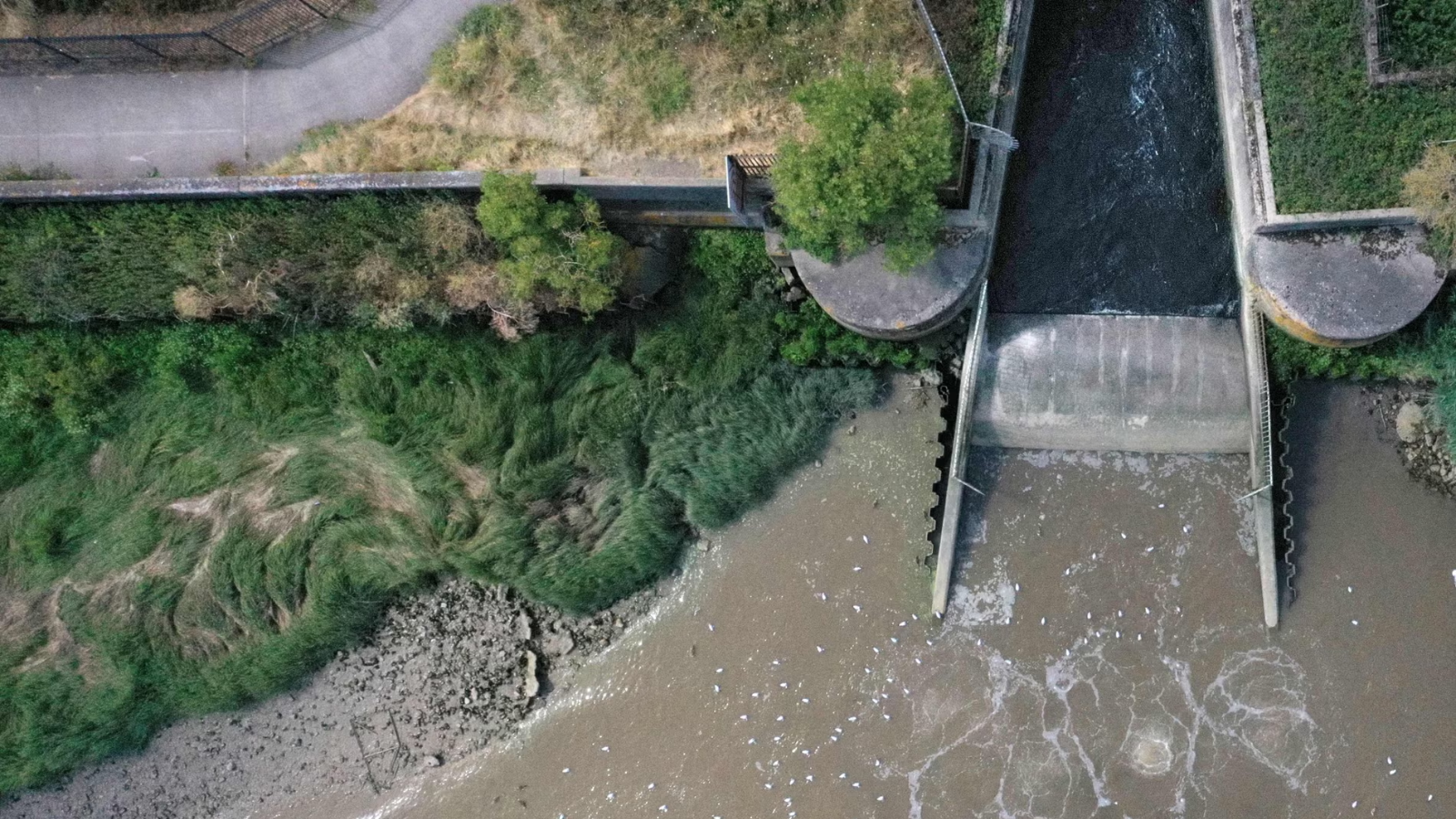
Sewage outflow into the River Thames © Getty Image

Time to act

This is a defining moment. For too long, the water industry has prioritised profit over public health and environmental protection. That must end.

Together with Greenpeace, we are calling on the new Secretary of State for Environment, Steve Reed, to take urgent action:

  • Stop the spreading of toxic sewage sludge on farmland
  • Make water companies pay the full cost of disposing of this waste safely
  • Introduce proper regulation and legal limits on the content of sludge used in agriculture

Sign the petition today and demand the Government puts an end to this toxic scandal. Let’s hold water companies accountable and ensure our land, rivers, and future are protected from pollution.

[SIGN THE PETITION]

Clean water in jeopardy: DEFRA cuts would sink Labour’s rivers, seas and lakes commitments

Download PDF

Ahead of the Government’s Spending Review, many of the UK’s most respected environmental organisations and campaigners, including the RSPB, GMB Union, The Wildlife Trusts, Good Law Project, Keep Britain Tidy, Surfers Against Sewage, WWF-UK, Wildlife and Countryside Link, British Rowing, The Rivers Trust, Hugh Fearnley-Whittingstall, Chris Packham, Robert Plant, Jim Murray, Liz Bonnin, Robert Macfarlane, and Imogen Grant, have joined forces demanding the Government increase funding to DEFRA and fully resource the regulators tasked with cleaning up Britain’s rivers, lakes, and seas.

In a letter sent to Prime Minister Sir Keir Starmer and Chancellor Rachel Reeves, the group, coordinated by River Action and in the wake of the March for Clean Water in November 2024, warns that Labour’s credibility on environmental protection is on the line. The letter follows widespread concern that any cuts to DEFRA’s budget in the Spending Review will severely undermine the Government’s ability to deliver on its clean water promises, made central to last summer’s general election campaign.

While the group acknowledges the introduction of the Water Special Measures Bill and the establishment of the Independent Water Commission led by Sir Jon Cunliffe, whose interim report was published on Tuesday this week, it stresses that without urgent and sufficient funding, these efforts risk being little more than symbolic.

The signatory organisations – including some of the UK’s largest environmental charities – represent millions of people across the country. Among them are groups that mobilised the 15,000-strong March for Clean Water in November 2024 – the largest-ever peaceful protest for clean water in British history.


 Key Facts:

  • Only 14% of rivers in England meet good ecological status.
  • In 2024, 3.6 million hours of untreated sewage was discharged into waterways across England and Wales.
  • Farm inspections remain so infrequent that each farm can expect to be checked once every 25 years.
  • Almost 50% of farms inspected in the last two years were non-compliant with environmental rules – but only 22% faced any form of enforcement.
  • The Environment Agency’s funding has been cut by 50% over the last decade, hollowing out its ability to monitor and prosecute polluters.
  • Water companies have racked up £64.4 billion in debt since privatisation and continue to pay out dividends while infrastructure fails.

The Coalition’s Core Asks:

  1. Fund the regulators – Restore and increase budgets for DEFRA, the Environment Agency, Ofwat and Natural England so they can enforce environmental law and hold polluters to account.
  2. Support nature-friendly farming – Expand and protect funding for the Environmental Land Management Schemes (ELMS) and Sustainable Farming Incentive (SFI) to enable farmers to play their part in river recovery.

Voices from Across the UK:

Growth for who?: The true cost of water pollution

Download PDF
By Henry Shepherd, Communities Coordinator, River Action

“Economic growth is the number one mission of this government” says Rachel Reeves.

Yet, as rivers fill with sewage and budgets for environmental protection are slashed, many small businesses and communities that rely on clean water are being left behind – or worse, shut down.

Across the UK, water pollution is no longer just an environmental and public health issue – it’s an economic one. Behind every brown plume, fish kill, or no-swim warning, there’s a person whose livelihood is taking a hit.

These aren’t abstract numbers or distant disasters, these are real people – watersports instructors, anglers, B&B hosts, event workers – who depend on rivers being clean, safe, and healthy. However, as the toxic cocktail of agricultural runoff, raw sewage, and chemicals continues to flood our waterways, and environmental oversight is gutted, many are finding themselves on the losing end of the government’s “growth” agenda.

“I’ve been shut down and unable to sell my product due to sewage spills upstream… I’m now effectively without a source of income”

Calvin, watercress farmer from Hampshire


The new Labour government has made no secret of its intention to turbocharge economic growth. This growth is achieved via cutting environmental budgets, and stripping regulators of the resources they need to hold polluters accountable. Those who end up winning are corporate shareholders – and the losers are small, local businesses that are being slowly drowned in polluted waterways. This has knock-on effects across entire local economies – the pint in the pub, the B&B, and the stop at the shop after your fishing trip hit local communities in ways we can’t always measure.

“Once a thriving business, I now haven’t taken on a customer in 12 months.”

Angela Jones, watersports business owner on the River Wye


It’s a bitter irony: the very communities that should be benefiting from Labour’s pursuit of ‘growth’ are being stifled by the fallout of short-term thinking and insufficient regulation. River-dependent businesses losing trade due to smell and stigma – cancelled sports events  and family holidays – river users unable to work after getting sick. Entire local economies are being dragged down by the stink of polluted rivers.

This is a symptom of a system that values profit margins over public health, investor returns over infrastructure, and “growth” over anything remotely sustainable. That’s why we’ve written to the Prime Minister and the Chancellor to urge them to end the era of cuts to Defra.

“We rely on membership subs for our Rowing club to survive … .if you don’t want to get sick, why would you pay to row on a nasty river?”

Tom, Club Captain at Durham University Rowing Club


Until water is protected like the public asset it is – not a dumping ground or a corporate cash cow – these stories will keep piling up. And so will the pollution. As the government finalises its spending plans on 11 June, we’re forced to ask:

Growth for who?

Privacy Overview

This website uses cookies so that we can provide you with the best user experience possible. Cookie information is stored in your browser and performs functions such as recognising you when you return to our website and helping our team to understand which sections of the website you find most interesting and useful.