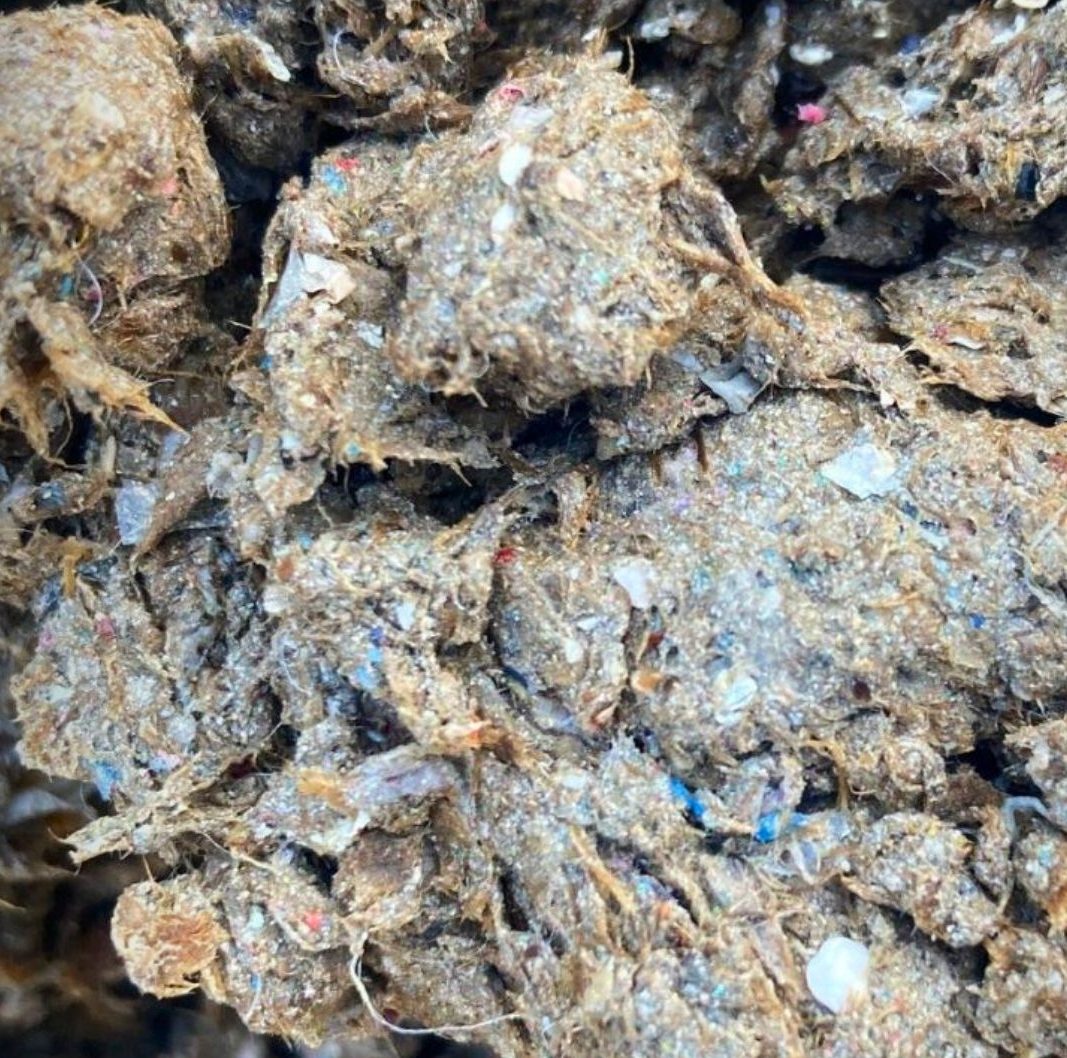
“Your chicken is killing our rivers”: British icons take on Nando’s over supply chain

Download PDF

A group of high-profile figures—including celebrities, musicians, comedians, and campaigners such as Paul Whitehouse, Jo Brand, Joanna Lumley, Chris Packham, Liz Bonnin, George Monbiot, Johnny Flynn, Dominic West, Jim Murray, and Hugh Fearnley-Whittingstall—have united to pressure Nando’s to take responsibility for its environmental impact. They are calling on the restaurant giant to clean up its supply chain and tackle its contribution to severe river pollution.

In an open letter, high profile names, backed by environmental groups River Action, The Rivers Trust, Friends of the Wye, and the Angling Trust, have challenged Nando’s sustainability credentials, citing their links with suppliers that are “killing our rivers”.

The River Wye, once voted the nation’s UK’s favourite river, is on the brink of ecological collapse due to pollution primarily caused by intensive farmingTens of millions of chickens are factory-farmed in the region, whose waste is poisoning local waterways and destroying vital wildlife habitats. Despite Nando’s insisting that ‘sustainability isn’t just a buzz word’, their supply chain is part of this environmental disaster.

The signatories’ urgent ask:

The coalition’s ask is simple: Nando’s must do for river protection what they did with their Better Chicken Commitment. They’re calling on the restaurant chain to design and implement a sector-leading plan to protect Britain’s rivers in their sustainability policy; no more PR speak, just real action.

Renowned naturalist and presenter Chris Packham highlighted the urgency, “If Nando’s wants to position itself as a sustainable and ethical company, it cannot ignore the environmental catastrophe in its supply chain. The Wye is dying, and companies profiting from its destruction must take responsibility.”

River Action’s Head of Campaigns Amy Fairman said, “The Wye River is on the brink of ecological collapse, and companies like Nando’s have a moral responsibility to ensure their supply chains are not driving this destruction.”

Liz Bonnin said, “If Nando’s truly cares about sustainability, it must act now to cut ties with polluting suppliers and set an example for the industry. Anything less is greenwashing.”

The coalition is calling on Nando’s to back up its words with real action, demanding immediate transparency and concrete steps to protect the environment. Their open letter—available for download here—urges the company to honour its advertised values and take meaningful responsibility for its supply chain’s impact.

Notes to Editors:

  • After public pressure over river pollution, Nando’s quietly removed references to their suppliers from their website. In their place, they published a new webpage about their connection to the River Wye that presents a misleading picture of their supply chain impact – one supplier amounts to many tens of farms and millions of chickens. The page makes vague claims about policies and waste management, while failing to address where the waste ends up and the core issue of intensive chicken farming’s contribution to phosphate pollution in the Wye catchment.
  • The Wye River catchment area has been subjected to significant ecological harm due to intensive poultry farming, with rising levels of phosphorus pollution leading to toxic algal blooms and the collapse of aquatic ecosystems.
  • Nando’s publicly advertises its commitment to sustainability and ethical sourcing, but questions remain about its adherence to these principles.

Major legal challenge goes to court to stop expansion of intensive poultry industry in River Severn Catchment 

Download PDF
The River Severn, Shropshire. © Getty Images

River Action board member Alison Caffyn has been granted permission by the High Court to challenge Shropshire Council’s approval of a large-scale poultry production unit in the River Severn catchment.

The judicial review aims to halt the further spread of industrial scale intensive poultry production both in the county and the wider catchment of the River Severn.   

The legal action is part of a wider campaign by River Action to use the law to prevent river pollution by intensive agricultural practices across the country.   

River Action says the Wye catchment area has been devastated by the failure to enforce anti-pollution regulations and it is determined to help prevent similar ecological damage to the neighbouring catchment of the River Severn.

The action is being taken by Dr Alison Caffyn, who lives in Shropshire and is a member of River Action’s advisory board. Dr Caffyn is represented by the environment team at law firm Leigh Day.   

In May, Shropshire Council approved an application by LJ Cooke & Son for a poultry production unit at Felton Butler, north-west of Shrewsbury.

The unit would house 230,000 birds, with Dr Caffyn arguing it is imperative to prevent “giant clusters of polluting poultry units” from being built.   

An application was made for a judicial review into the council’s decision, arguing the council failed to take a number of issues into account, including the effects of spreading manure and the emissions from burning biomass.

The High Court has now granted permission on the following grounds:

  • A failure to assess the effects of spreading manure and the emissions from burning biomass, which as indirect effects of the development, needed to be assessed  
  • A failure to impose a lawful planning condition on manure processing that would mean that the development would not cause groundwater pollution 

River Action plans to appeal the High Court’s decision not to allow the judicial review action also to be argued on the following grounds:

  • A failure to carry out a lawful appropriate assessment as required by the Habitats Regulations to ensure that the development would not adversely affect the integrity of a designated protected site  
  • A breach of regulation 9(3) of the Habitats Regulations, which requires the council to take steps to avoid the deterioration of habitats at protected sites 

Dr Caffyn and River Action say they consider Ground 3 the most important issue. It specifically concerns the potential for the development to adversely impact the integrity of designated protected sites, including Hencott Pool and Fenemere. The failure to properly assess these risks could lead to further deterioration of ecologically sensitive areas. 

Charles Watson, Chairman and Founder of River Action said:

“Like an appalling car crash in slow motion, exactly the same set of tragic events is now unfolding in catchment of the River Severn as has happened recently in the neighbouring catchment of the River Wye. By recklessly waiving through permission for ever more giant intensive poultry units, Shropshire County Council is effectively pronouncing the death sentence on yet another iconic British river. The construction of these giant unsustainable pollution clusters, with no due consideration being given of their cumulative environmental impact, cannot be allowed to continue. We look forward to supporting this critical legal action through its next phase as it goes to court.”

 Dr Alison Caffyn said:

“Shropshire Council has continued to grant planning permission for intensive poultry units across the county, despite increasing concern about the impacts on the Shropshire countryside and communities. The chicken population has grown so much that there are now nearly 65 chickens for every person in Shropshire.  And it appears that the Council has not been properly assessing the impacts of all that extra manure and ammonia emissions on our rivers and special habitats. We need them to stop allowing ever more levels of unsustainable industrial agriculture in Shropshire.”

 Leigh Day environment team solicitor Ricardo Gama, said:   

“The court’s decision to grant permission on two grounds is a crucial first step. However, the fact that permission was refused on Ground 3, which addresses the most pressing concern around protected sites, only strengthens our client’s resolve to see this fully challenged. 

“So far, the approach adopted has allowed industrial concentrations of poultry and livestock to be reared in highly sensitive countryside locations, with devastating impacts on local ecosystems. Our client hopes that this legal challenge will set a strong precedent for local authorities nationwide, urging them to reassess the cumulative environmental impacts of developments like these. It’s clear there needs to be a complete rethink of how such planning decisions are made, especially where protected sites are at risk.”

ENDS

Notes to editor

For more information contact Leigh Day press office at pressoffice@leighday.co.uk or call Maxine Wolstenholme on 07775713725.

River Action is an environmental charity on a mission to rescue Britain’s rivers from the deluge of pollution that has left the majority of our waterways in a severely degraded ecological condition. Its campaigns to date have focused on tackling the severe environmental crises created by both sewage and agricultural pollution.

River Action is co-convenor of the March for Clean Water on Sunday 3 November.

The March for Clean Water will be a legal, peaceful, family-friendly and inclusive demonstration. Timings will be confirmed in the run up to the event.To date, 100 organisations have pledged their support for the march including the National Trust, RSPB, Wildlife Trusts, Extinction Rebellion, Greenpeace, Angling Trust, Wildfish, British Rowing, Good Law Project, Ilkley River Action Group, Activist Anglers, Save the Wye Coalition and Henley Mermaids.

Why we took the government to court

Download PDF

By Charles Watson, chairman and founder of River Action.

Having spent a 25 year career in the crisis management end of the public relations industry, I recall counselling clients repeatedly that litigation was never something to take on lightly and the risks, almost without exception, will always outweigh the rewards.

And then, on 4 February this year, I found myself sitting as a litigant in Cardiff Crown Court, as our King’s Counsel rose to his feet to open River Action’s judicial hearing case against the Environment Agency and the Department for Environment, Food and Rural Affairs (Defra).

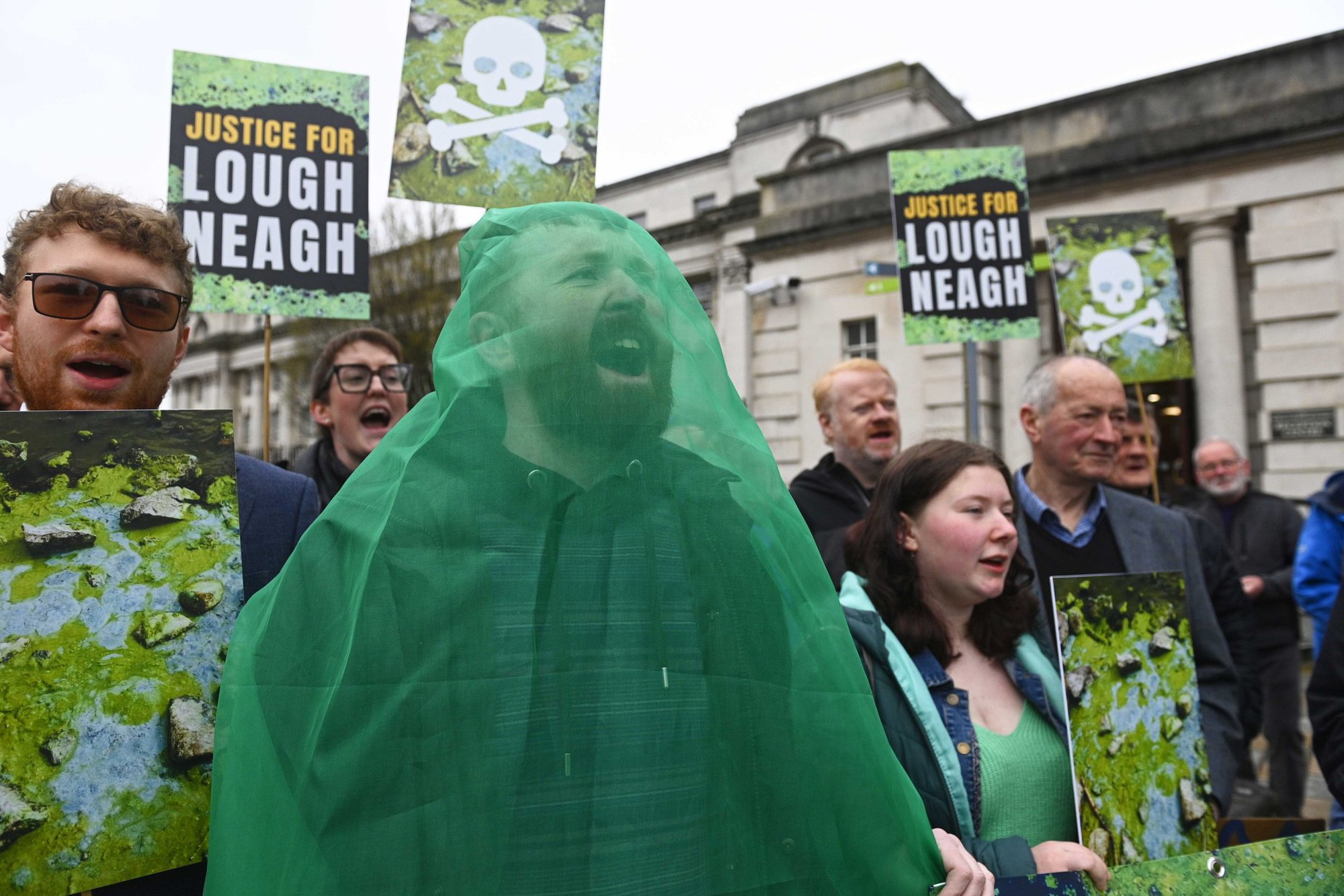
A clue to why I had ignored my own better judgment lay in a beautiful glass vial of water that was sitting beside me in the court room. It had been drawn the previous day from the River Wye and was presented to me as I entered the courthouse by members of some of the Wye community groups who had (very noisily) joined us that day outside the courthouse to demonstrate their solidarity.

Once well protected, the river is now almost dead

Often cited as one of our most loved rivers, the Wye rises high up in the Welsh mountain hinterland before flowing majestically through the English-Welsh borderlands to its mouth in the Severn Estuary. Our fourth longest river’s unique beauty and biodiversity has been recognised over the years by the award of some of the highest possible levels of environmental protection, such as its Special Area of Conservation status and the designation of swathes of its valley as Areas of Outstanding Natural Beauty.

But, devastatingly, within the space of less than a decade this magnificent river has become the UK’s Ground Zero of river pollution. One major cause has been the uncontrolled growth of the UK’s largest concentration of intensive poultry production, which has resulted in unsustainable quantities of toxic animal waste leaching into the river, causing untold ecological damage. Ninety five per cent of the Wye’s famous water crowfoot river weed has disappeared, snuffed out by putrid green algal blooms. Last summer, Natural England downgraded the river’s status to a level just one notch up from being pronounced dead.

It was for the Wye that we had gone to court.

To me, our legal case was incredibly simple. The environmental regulations that were there to protect the river had simply never been enforced by the very statutory bodies that were tasked to do so.

Failure to enforce farming rules has been catastrophic

The core of these regulations originated in 2018, when our then Environment Minister Michael Gove introduced the Farming Rules for Water. However, immediately on introduction, their non-enforcement farce began. Highly effective lobbying from the NFU ensured farmers were initially exempt from the new regulations, however Michael Gove’s predecessor at Defra Liz Truss, had already slammed the nails into the coffin of effective agricultural regulation by virtually closing down farm inspections, thus eliminating all means of future enforcement, with agricultural regulation shifting to an almost exclusively ‘advisory’ basis.

The net effect of this approach on rivers like the Wye has been nothing short of catastrophic. Every six weeks, when the sheds containing the catchment’s 25 million chickens are ‘harvested’, huge quantities of highly potent manure are shovelled out and spread (for convenient disposal) across the fields of the catchment. As a result, the soils of the Wye Valley have progressively become saturated with totally unsustainable levels of phosphorus. And the rest is history.

In our view, had the Farming Rules for Water been properly enforced, none of this could have happened. Indeed, the most important of these regulations (Rule 1 a) states clearly that: “Application of organic manures… to cultivated land must be planned in advance to meet soil and crop nutrient needs and not exceed these levels”.

However, guidance issued by Defra to the Environment Agency (thanks to another NFU lobbying coup) specifically exempts farmers from having to follow this critical rule, thus creating another gaping loophole in the protections the Wye so desperately needed.

Major victories were won in court

It was to challenge this terrible state of affairs that River Action went to court, with the case being heard in February in Cardiff. Here, our brilliant legal team squared up against the combined legal teams of the Environment Agency, Defra and the NFU (the latter having gatecrashed the proceedings at the last minute as an ‘intervener’).

Although, when judgment was passed down four months later and the judge ruled against us, it was apparent that River Action had won some major victories.

First, the judgment fully acknowledged that, due to the Wye’s severe levels of pollution, farming practices must change. Second, the legal status of the infamous guidance issued by Defra to the Environment Agency, was called into question, with the judgment that spreading manure in the autumn and winter should be limited, when the danger of polluting the river is at its highest, with the NFU’s intervention being unequivocally dismissed.

Finally, the judge made it clear that the overall basis of his dismissal of our claim was because changes to key enforcement policies made by the Environment Agency, during the course of River Action’s proceedings, subsequently brought it into compliance with the law, and that these changes were only made by the agency as a result of our claim.

Notwithstanding the above, we have immediately moved to appeal the judgment and continue the fight for the river. Given that the Environment Agency’s new enforcement policies apparently now bring it into line with the law, River Action will make it our business to audit the new approach, with Freedom of Information requests being dispatched on a rolling three monthly basis to enable us to monitor inspection and enforcement activities. Let’s see if the agency really has turned over a new leaf.

The new government should repeal the flawed guidance

Finally, following the judge’s questioning of the legal basis of Defra’s guidance to the Environment Agency, after the general election, the new Defra secretary of state will find, at the top of his or her in tray, our demands that this now discredited guidance is immediately repealed, or back to court we will go.

The turbid, slime-filled condition of the River Wye can only remind us how far we still have to go before the river stands a chance of being restored to its former glory. But, perhaps, by defying the odds (and all better judgment), we hope our travails through the courts might just have made a little bit of a difference in starting to reverse the repeated injustices that have been allowed to be inflicted upon this once magnificent river.

Campaign group to appeal legal challenge against the Environment Agency & prepares for further legal action to protect the Wye

Download PDF

River Action is appealing a High Court decision over pollution in the River Wye.

The campaign group has applied to appeal the recent Judgment passed down by Justice Dove which concluded that the Environment Agency’s approach to enforcement in relation to the River Wye Special Area of Conservation (SAC) was not unlawful.

Chair and founder of River Action Charles Watson said, “We remain deeply concerned that insufficient regulatory action is being taken to protect the River Wye from wide-spread pollution caused by unsustainable intensive agricultural practices. Because of this, one of the most highly protected rivers in the UK faces ecological collapse. We will therefore continue our legal fight to save the River Wye.”

River Action is taking the following six actions:

  1. Appeal of Judgment on Ground 3 of River Action’s recent Judicial Review hearing
  2. Establish an independent audit process of all on-going EA enforcement activity within the Wye catchment in relation to the application of the Farming Rules for Water
  3. Investigate widespread environmental non-compliance within the Wye’s free-range egg industry
  4. Investigate the EA’s alarmingly low response and attendance levels of pollution incidents
  5. Challenge the current DEFRA guidance with regard to enforcement of the Farming Rules for Water
  6. Call for the transparent publication by the EA of all information relating to pollution incidents and the consequential enforcement of environmental regulations, to mirror real time data now published by water companies regarding sewage spills

RIVER ACTION RESPONSE TO JUDICIAL REVIEW JUDGMENT AND PROPOSED NEXT STEPS

On May 24 2024, the Hon Mr Justice Dove handed down his judgment in River Action’s recent claim for Judicial Review against the Environment Agency.

The Judgment contained a number of significant wins for River Action. These included the acknowledgement by the judge of the undisputed severe levels of pollution caused by excessive levels of phosphorus in the waters of the River Wye and the recognition that farming practices must change. Going forwards, farmers will be limited in the amount of manure they can spread in the autumn and winter when the danger of polluting the river is at its highest.

The judgment calls into question the status of the current guidance issued by DEFRA to the EA regarding the enforcement of Rule 4(1)(a) of the Farming Rules for Water. Finally, the judge unequivocally dismissed the NFU’s intervention in the Judicial Review proceedings that Rule 4(1)(a) could be interpreted to routinely allow applications of manure in the autumn for use by the crop the following spring.

However, the judge dismissed the claim for judicial review on the basis that changes to key enforcement documents made by the EA during the course of the proceedings subsequently brought it into compliance with the law. The judge recognised that these changes were only made as a result of River Action’s legal claim.

Notwithstanding the above, River Action remains deeply concerned that insufficient regulatory action is being taken to protect the River Wye from the various severe pollution threats it currently faces and accordingly it is taking the following actions:

1. Appeal of Judgment on Ground 3 of the Judicial Review. River Action has applied to the High Court to appeal the Judge’s conclusion that the EA’s approach to enforcement in relation to the River Wye Special Area of Conservation (SAC) was lawful. In the landmark case of Harris v EA (2022), Mr Justice Johnson concluded that the EA had failed to discharge its duty under the Habitats Regulations 2017 because it was the only enforcement agency with the power to review water abstraction licences (water abstraction being a factor in the unfavourable status of the Broads SAC). River Action argued that the same principle applied to the Wye, because while there are a range of enforcement agencies addressing multiple threats to the SAC, only the EA can address the enforcement of the Farming Rules For Water. The judge disagreed, holding there are numerous potential sources capable of contributing to the phosphorus pollution in the Wye and that action is required not only under the 2018 Regulations, but also under other regulatory regimes.

2. Establish independent audit process of on-going EA enforcement activity in relation to the Farming Rules for Water. Mr Justice Dove accepted the EA’s evidence and acknowledged that “the defendant is working on a broad range of initiatives, including targeted farm inspections….”. River Action remains concerned that enforcement action is not being pursued with the urgency and application required to address the severe pollution of the river. Accordingly, River Action intends to establish a process to audit independently all EA enforcement activity of

the Farming Rules for Water in the Wye catchment. Under the Environmental Information Regulations (EIRs) 2004, River Action has requested details of:

  • All recent farm inspections undertaken by the EA;
  • Details of all identified breaches of the Farming Rules for Water;
  • The actions (if any) the EA has taken in response to each specific breach; and copies of Inspection Reports and documentation relating to any enforcement actions.

Going forward, River Action’s intends to request this information on a rolling, three-monthly basis.

3. Investigate widespread environmental non-compliance of the free range egg and poultry industry. In November 2023, a series of EIR responses received by River Action revealed widespread non-compliance with Slurry, Silage and Agricultural Fuel Oil (SSAFO) and Environmental Permitting Regulations (EPR) by a significant number of free range egg and poultry farms in the Wye catchment. Arising from extensive correspondence over a period of two years between the Wye and Usk Foundation and the EA, these revelations implied systemic non-compliance across the egg and poultry producing industry, implying another major potential source of river pollution. To investigate what action the EA has taken in the light of these revelations, River Action has accordingly requested information under the EIRs 2004 on:

  • The number of inspections of egg farms in the River Wye catchment over the last three years;
  • The number of enforcement notices issued to egg farms under SSAFO and EPR regulations.
  • Details of all enforcement actions/prosecutions that have subsequently taken place.

4. Investigate response and attendance levels of pollution incidents. River Action has reason to believe that the response and attendance levels by the EA to pollution incidents on the River Wye are insufficient given the severe pollution of the river and the fact that the status of the river isn’t improving. Accordingly, River Action has requested the following information under the EIRs:

  • Any written EA policy of responding to reported pollution incidents;
  • The number of pollution incidents reported within the Wye catchment;
  • The number of such incidents which were attended and investigated;
  • The subsequent action (if any) taken against polluters.

5. Pending action to challenge the current DEFRA guidance with regard to enforcement of the Farming Rules for Water. Given the questionable status of the current guidance issued by DEFRA to the EA regarding the enforcement of Rule 4(1)(a) of the Farming Rules for Water, River Action intends immediately after the General Election to request that the Secretary of State for DEFRA repeals this guidance to clarify that the environmentally damaging practice of spreading excess manures in autumn/winter months is a breach of the Rules.

6. Call for immediate availability of all information relating to enforcement of environmental regulations. In the context of the above, River Action is mindful that the Chief Executive of the EA recently raised public concerns about the burden on EA staff of responding to FOIA 2000/EIR 2004 requests. The relevant environmental regulations are long established (SSAFO since 2010, EPR since 2016 and the Farming Rules for Water since 2018) and there is a positive duty on public bodies to progressively make information about the state of the environment and their enforcement activities publicly available under the EIRs 2004. If this information was freely and publicly available, the EA would not have to respond to ad hoc requests. River Action is accordingly requesting that by the end of 2024, all environmental information relating to the enforcement of the above regulations should be proactively and transparently disseminated via an appropriate digital portal.

It is understood that the Chief Executive of the EA is well aware of the benefits of such an approach given that it was recently reported in the Guardian newspaper that “An Environment Agency spokesperson said: ‘Philip is completely committed to the highest standards of transparency, as he repeatedly stressed at the River Summit. He wants to make more EA data readily available, and we are already looking at how this can be achieved…”.

The public availability of such critical environmental information already has precedent following the recent legal requirement for water companies to publish real time data relating to sewage spills.

7. Further legal action under consideration. River action is currently reviewing a number of further opportunities with regards to taking legal action where evidence is apparent of regulatory bodies failing to fulfil their statutory duties to enforce the law.

ENDS

For interviews call Ian Woolverton on 07377 547 362 or email media@riveractionuk.com

NOTES TO EDITORS

River Action is on a mission to rescue Britain’s rivers by raising awareness of the crisis facing our rivers, and the failure of Government funded environmental agencies to make water companies invest in their polluting infrastructure and to prosecute illegal business practices that cause river pollution.

Farming practices will have to change, rules judge following River Action legal action over state of River Wye

Download PDF

A judge has ruled that farming practices will have to change so that farmers obey the Farming Rules for Water in response to a legal challenge by River Action over the Environment Agency’s alleged failure to enforce regulations to protect the River Wye form pollution.

In a judgment handed down today, a judge found that the Environment Agency (EA) had responded to River Action’s campaign for change and improved its enforcement of the Farming Rules for Water.

River Action says its legal action to make the Environment Agency face up to its responsibility to enforce regulations to save the River Wye from the effects of agricultural pollution was entirely justified and the EA would not have improved its approach to enforcement to convince the court that it was now complying with its responsibilities if it had not brought the legal action.

The judge was at pains to point out the important role the case has had in clarifying the legal obligations on farmers and the EA’s duties in enforcing them, finding:

“It is undoubtedly unfortunate, and has not assisted the defendant’s enforcement activities, that there has been a conflict in the interpretation of the 2018 Regulations between the defendant [The EA] and the interested party [DEFRA] . However, a significant by-product of these proceedings is, firstly, that that difference of opinion has been bought into the public domain for determination, and, secondly, that the defendant’s internal documentation (including for instance the FAQ’s) have been revisited, revised and refined to ensure that they have at their foundation the defendant’s interpretation of the 2018 Regulations.

“No doubt the clarification of the correct interpretation of the 2018 Regulations comprised within this judgment will provide further assistance in future.”

The High Court examined the EA’s enforcement of regulations that govern the amount of organic manure and artificial fertiliser that can be spread on agricultural land from which water runs off and leaches into the River Wye.

It was argued that the Wye is heavily polluted because excessive amounts of animal and in particular chicken manure are regularly spread across land within the river catchment, leading to a substantial increase in levels of phosphorus in the soil. This then runs off and leaches into the river, causing widespread algal blooms along the length of the river system, turning the water an opaque green.

Algal blooms block sunlight, remove oxygen and cause widespread algal deposits across the riverbed, with severe consequences for the vegetation and wildlife of the river. 

The Wye was designated a Special Area of Conservation (SAC) to protect the river’s once-famous extensive Ranunculus river weed beds. However over 90 per cent of the river’s Ranunculus have now been lost, smothered by algal blooms and last year Natural England downgraded the Wye’s environmental status to Unfavourable, declining.

River Action says this could have been seriously mitigated had the EA enforced existing environmental regulations. River Action had argued:

  • The Environment Agency has adopted an approach to enforcing the Farming Rules for Water (FRfW) that ultimately frustrates the purpose of the legislation it is supposed to enforce 

  • By slavishly following guidance issued by the Environment Secretary the Environment Agency has put itself in a situation where it is acting unlawfully
  • The Environment Agency has breached regulation 9(3) of The Conservation of Habitats and Species Regulations 2017 in that its policy on enforcement of the FRfW unlawfully fails to follow the requirements of the Habitats Directive

The judge dismissed the claim for judicial review on all three grounds, but he found that with the changes made to the EA’s enforcement practices during the course of the proceedings, the EA’s documents were compliant with the law. These changes were only made as a result of River Action’s legal claim.

Importantly, the National Farmers’ Union (NFU) put forward detailed evidence suggesting that it would not be viable to farm in a way that complied with River Action’s interpretation of the FRfW. Under very tight time constraints, and working with a range of farmers who practice sustainable and regenerative farming methods, River Action put forward compelling evidence that farmers could farm in a way that complies with the law. 

The judge found that the farming practices described in the NFU’s evidence will need to change if they are to comply with the FRfW, saying: 

“The claimant’s evidence demonstrates that there is practical experience of agricultural practices being capable of complying with the claimant and defendant’s interpretation of the regulations. The evidence provided by the intervener [the NFU] demonstrates that current agricultural working practices would have to change if the claimant’s and the defendant’s interpretation of the Regulations is to be complied with, and that changes to the way in which farms operate together with associated costs would arise from the operation of that interpretation. Whilst no doubt unwelcome to the intervener and its members, I am unable to accept that the evidence demonstrates the kind of impracticality or absurdity which justifies the rejection of the claimant’s and defendant’s case on this point. For the reasons I have set out above, is the appropriate interpretation of regulation 4 and its effect.”

River Action’s chairman and founder Charles Watson said: 

“We clearly have a number of reasons to be pleased with today’s judgement: River Action was deemed to have done the right thing in bringing this case to court; River Action’s  interpretation of the law was considered by the judge to be correct with the NFUs intervention being squarely dismissed; the judge has said farming practices must change; and, most significantly, the environmental damage perpetrated by intensive farming practices has been acknowledged and that thanks to River Action bringing its claim, the Environment Agency has changed its approach to enforcing the Farming Rules for Water. While the judge states the latter point is grounds to reject River Action’s belief that the EA continues to act unlawfully, we remain concerned that there is widespread evidence that agricultural regulations are still being broken across the Wye Catchment and that the EA is still not being held accountable for its failure to enforce the law. River Action is simply not prepared to sit back and continue to watch these injustices to our rivers continue. Accordingly, we are taking immediate advice with regards to appealing the judgment.” 

River Action is represented by Leigh Day environment team solicitor Ricardo Gama, who added:


“River Action feel vindicated in having brought their claim for judicial review. They believe that the dire state of the River Wye is in part because of a failure properly to enforce the rules that were put in place specifically to deal with agricultural pollution, the main cause of the decline in the health of the river. The judge has found that the Environment Agency’s enforcement policies are now lawful, but he has also noted that significant improvements were made to the policies to address the issues which River Action’s case has brought to light. 

“The judge was also unpersuaded by evidence put forward by the NFU that it would not be viable to farm in a legally compliant way if River Action’s interpretation of the law was right. The judge has said that River Action was right in their interpretation of the law and he welcomed the extensive evidence which River Action put forward of farmers who do the right thing and farm in a way that respects the rules. 

“River Action hope that the important clarification to the law contained in this judgement will help regulators, farmers and communities understand their legal duties. However, they are concerned with aspects of the judgement and are considering an appeal.”

ENDS

For interviews call Ian Woolverton on 07377 547 362 or email media@riveractionuk.com

STATEMENT: River Action’s response to the Wye Action Plan announced by the Government (12/04/24)

Download PDF

Responding to the Wye River Action Plan announced today by the Government, Chair and Founder of River Action Charles Watson said:

“The announcement of DEFRA’s long-overdue Wye Action plan, has to be welcomed in part. In particular, there is finally a clear acknowledgment of the causes responsible for the ecological collapse of the river and the role played by intensive agricultural and the poultry industry specifically. Notwithstanding the scandal of how this tragic situation was ever allowed to happen in the first place – and in particular how one of Europe’s largest concentrations of intensive poultry production could have ever conceivably been allowed to have been established in such a highly protected and ecologically sensitive river catchment – certain specific undertakings, such as the provision of more subsidy for wider river buffers can only be good news for the river.

However, our major disappointment is that while we were promised a year ago by the Secretary of State for DEFRA an “action plan” to save the Wye, we have instead been given today just an undertaking for “the development of a 5-10 year Catchment Plan” and that other proposed actions are similarly vague and lack definitive timelines, such amending Environmental Permitting Regulations on manure use being “subject to consultation”. There is also a thundering silence on critically important actions such as banning new intensive livestock production units and reducing the permitting thresholds for poultry units to ensure the widely polluting free range egg producers are brought into the permitting regime. The absence also of any new funding for the regulatory agencies – or commitment to be tougher on non-compliance means that the current ineffective advisory approach to regulation remains unchanged.

There is therefore a really disappointing lack of urgency in today’s announcement and given the failure of the existing Wye Nutrient Management Board over many years to fulfil its promise to develop a similar set of promises around implementing an effective Catchment Plan, I can’t help feeling that we have been here before.”

ENDS

For interviews call Ian Woolverton on 07377 547 362 or email media@riveractionuk.com

River Action launches legal crowdfunder to save the River Wye

Download PDF

River Action has been granted consent to pursue a legal challenge against the Environment Agency over its failure to enforce critical agricultural pollution regulations called the Farming Rules for Water

We will argue that by failing to prevent the spread of excessive levels of manure across agricultural land in the Wye river catchment, the EA has acted unlawfully by not enforcing existing rules for farmers. We are convinced that had these regulations been properly enforced, much of the horrific pollution along the River Wye could have been avoided. 


Today, we have launched a crowdfunder to help with the costs of our legal challenge. If you can, please share far and wide. Thank you for your support 💚.


River Action calls on Environment Minister to reveal promised plans to save the River Wye from ecological collapse

Download PDF

River Action has written to the newly appointed Secretary of State for Environment, Food & Rural Affairs seeking urgent clarification on when DEFRA will publish its promised emergency plan to save the River Wye from ecological collapse.

Minister Steve Barclay’s predecessor, Thérèse Coffey, undertook to publish an action plan by the end autumn this year. But with days to go before the start of winter, there are growing concerns that the plan will fail to materialise, leaving the Wye facing an existential crisis with no effective mitigation strategy in place.

Founder and Chairman of River Action UK Charles Watson says, “We have written to Steve Barclay, our seventh Environment Minister in seven years, seeking urgent clarification of the whereabouts of the Government’s plan to act regarding the ecological collapse of the River Wye. 

“His predecessor promised the plan by autumn this year, meaning Mr Barclay has just two weeks to make good this commitment. It would be appalling if such a critically important environmental policy action was to disappear between the cracks of DEFRA’s never-ending game of musical chairs.

“DEFRA must act now. With Natural England now having recently downgraded the environmental status of the river to “unfavourable-declining”, the situation on the Wye has reached a state of emergency, with little time left to save the river from comprehensive ecological collapse.”

Intensive poultry industry a major cause of the Wye crisis

Industrialised chicken production throughout the Wye region has now been established as one of the principal causes of the severe pollution of the river. Urgent and immediate action is now needed to end the destructive application of chicken manure across the soils of the river catchment, from where it constantly leaches into the watercourse.

Mr Watson says, “The soils of the Wye are now significantly oversaturated with phosphorus, a prime source of which originates from the continual spreading of the manure originating from the 25 million chickens that are intensively reared across the catchment. The run off of these nutrients, often exacerbated by unsustainable agricultural practices such as winter maize cropping, is the prime cause of the devastating algal blooms that are now witnessed along the length of the river system during the summer months.

“This severe ecological collapse of the iconic River Wye is one of the great environmental scandals of our times.

“The sickening and avoidable tragedy is that this situation could have been seriously mitigated had the Environment Agency properly enforced existing environmental regulations to prevent the excess application of animal waste on land that was already oversaturated with nutrients.”

High Court legal challenge against the Environment Agency

On 28th February 2024, River Action’s Judicial Review hearing will be heard in the High Court in Cardiff, where it will claim that both The Environment Agency and DEFRA have acted unlawfully in failing to adequately protect the River Wye from agricultural pollution.  

Noble Foods left with its pants down after Avara Food commitments.

Download PDF

ACTION AT LAST?

Last week we saw possibly the first tangible action being taken by a polluter to save the River Wye. Avara Foods, the regions largest poultry producer confirmed to it’s farming partners in the region that poultry manure from its supply chain will no longer be sold as fertiliser within the Wye catchment. This is a significant step forward in campaign to Save the Wye and is thanks to the considerable and consistent pressure put on polluting producers by local and national campaign groups, including River Action. BUT, we have questions for Avara on its plans:

Where will the manure go instead? It’s vital that we don’t simply see the pollution problem passed onto other catchments.

What will Avara do to clean up its sh*t? It’s great to see that Avara might not be contributing the the further destruction of the River Wye, but what’s it going to do to clean up the mess already caused. The Wye is on the brink of collapse and needs urgent action to undo the damage already caused.

NOBLE FOODS CAUGHT WITH ITS PANTS DOWN

And now we’ve seen an admission of guilt from the top polluter of the Wye, it leaves other large scale producers caught squarely with their pants down, continuing to defecate into one of the UK’s most loved rivers. So we’ve written to the CEO of the UK’s largest egg producer, Noble Food demanding urgent clarification of what actions it is taking to mitigate pollution emissions from its supply chain in the catchment of the River Wye.

We’ve asked Noble Foods to:

  • Clarify what comparable mitigation plan is Noble Foods implementing across its supply chain to that announced by Avara Foods and by when will this plan be implemented.
  • Explain what on-going environmental assurance standards Noble Foods will be demanding of its supply chain.
  • Publish the assessments and recommendations made by the Wye and Usk Foundation, following the statement on Noble Foods’ website that the Wye and Usk Foundation has been engaged to “assess our supply farms and put mitigation measures in place that reduce the impact of farming on the water environment such as limiting phosphate run-off”.

It is now imperative that other major poultry suppliers active in the Wye Region, starting with Noble Foods, follow Avara’s lead and clarify their own plans to end the pollution blight that their business practices have inflicted on what is one of the UK’s most iconic and ecologically important rivers.

Charles Watson, River Actions Founder and Chair says:

“Given that even the largest poultry producer in the Wye Catchment is now openly admitting to the role the intensive poultry industry has played in the severe pollution of this magnificent river, it seems extraordinary that Noble Foods (the region’s second largest poultry-based agri-business) has yet to publish any credible plan to remove its chicken litter from the Wye Catchment. Also, Noble Foods faces even greater environmental responsibilities given that, as a free-range egg producer, the need to mitigate nutrient run-off from the open ranges of its supplier farms poses an even greater environmental challenge than those faced by the broiler sheds that comprise Avara’s supply chain. Nothing but the full disclosure that we have demanded in our letter to Noble Foods will suffice”

River Wye catchment area landowners, businesses and clubs may have legal claim for damages against chicken producers for pollution

Download PDF

Law firm Leigh Day is investigating the potential for Wye Valley residents to sue chicken producers whose farming on an industrial scale is polluting the River Wye.

It is believed that people whose property lies within the River Wye catchment area have a good prospect of bringing a civil claim against companies involved in the production of poultry in the area.

The River Wye catchment crosses Powys and Herefordshire and has been at the forefront of the expansion of the chicken industry in the UK and researchers estimate the area houses 20 million or more birds at any one time, often in very large poultry units. The largest poultry processor is Avara, which reportedly processes two million birds a week in its Hereford plants alone.

Other producers supplied by chicken rearing operations in the Wye Catchment area include Noble Foods.

It is alleged that the high intensity farming is badly affecting the water quality of the River Wye to which landowners and others have a right under common law.

A separate legal claim against the Environment Agency, citing its failure to enforce the rules governing the amount of organic manure and artificial fertiliser that can be spread on agricultural land from which water runs off and leaches into the River Wye has been issued in the High Court.

Landowners, businesses, wildlife organisations and clubs such as swimming, angling and water sports organisations may have the right to use the watercourse and the right to receive water in its natural state without undue interference in its quality or quantity.

The civil claim is likely to allege that poultry producers generating significant quantities of phosphorous-rich manure which leach into the soil and into the river are, among other things, raising phosphorous levels which cause algal blooms which in turn cause biodiversity loss. The entitlement to clean free-flowing water courses means the landowners would have, among other potential claims, a nuisance claim against the chicken producers.

The civil claim is being investigated by a team led by Leigh Day partner Oliver Holland.

The deterioration in the state of the River Wye has been well documented and resulted in the public law claim that was issued this week. That claim explained that:

The Wye was designated a Special Area of Conservation (SAC) to protect the river’s once-famous extensive Ranunculus river weed beds. However over 90 per cent of the river’s Ranunculus has now been lost, smothered by the algal blooms which means the river is not meeting the SAC conservation status specified by the Habitats Directive. In June 2020, a thick algal bloom extended for over 140 miles, almost the entire length of the river.

  • The Wye was designated a Special Area of Conservation (SAC) to protect the river’s once-famous extensive Ranunculus river weed beds. However over 90 per cent of the river’s Ranunculus has now been lost, smothered by the algal blooms which means the river is not meeting the SAC conservation status specified by the Habitats Directive. In June 2020, a thick algal bloom extended for over 140 miles, almost the entire length of the river.
  • A study published in May 2022 by the University of Lancaster, Re-focusing Phosphorus use in the Wye Catchment (RePhoKUs Study) concluded that 60-70 per cent of the river’s total phosphorus load now comes from agriculture and an excess load of 3,000 tonnes of phosphorus is still being added to the river catchment area each year. This excess is accumulating at a rate equivalent to 17kg of phosphorus per hectare when the national average is 7kg per hectare.

Landowners who may be able to join the potential civil claim against large-scale chicken producers may have previously enjoyed abundant quality fishing and bathing in the stretch of the River Wye that their land borders.

It is likely that they will have experienced a severe loss of that amenity.

River Action is supporting the civil legal claim. Chairman and founder Charles Watson said:

“In addition to the failure of our environmental protection agencies to protect the Wye from the impact of agricultural pollution, the causes of the collapse of the river go much further. It is our belief that a number of major agricultural processing companies, who have profited hugely from the rapid growth of intensive poultry production, should have been more than aware of the environmental damage their supply chains have inflicted on the river.” 

Leigh Day partner Oliver Holland said:

“The pollution of the River Wye has reached such an extent that some predict it will suffer irreversible harm within a couple of years. Local businesses, landowners, wildlife groups and sports organisations all recognise the decline of this special natural environment. The work of dedicated researchers and conservationists has revealed the acute harm caused to the river, and as a result, to those who live in its catchment. We believe poultry producers have a case to answer for their role in bringing this deplorable situation about. We urge all those who think they may have been impacted by this urgent issue to contact us.”

Anyone who thinks they might have been affected in the way described can contact Nicholas Smith at Leigh Day on nsmith@leighday.co.uk or call 020 7650 1200.

Privacy Overview

This website uses cookies so that we can provide you with the best user experience possible. Cookie information is stored in your browser and performs functions such as recognising you when you return to our website and helping our team to understand which sections of the website you find most interesting and useful.