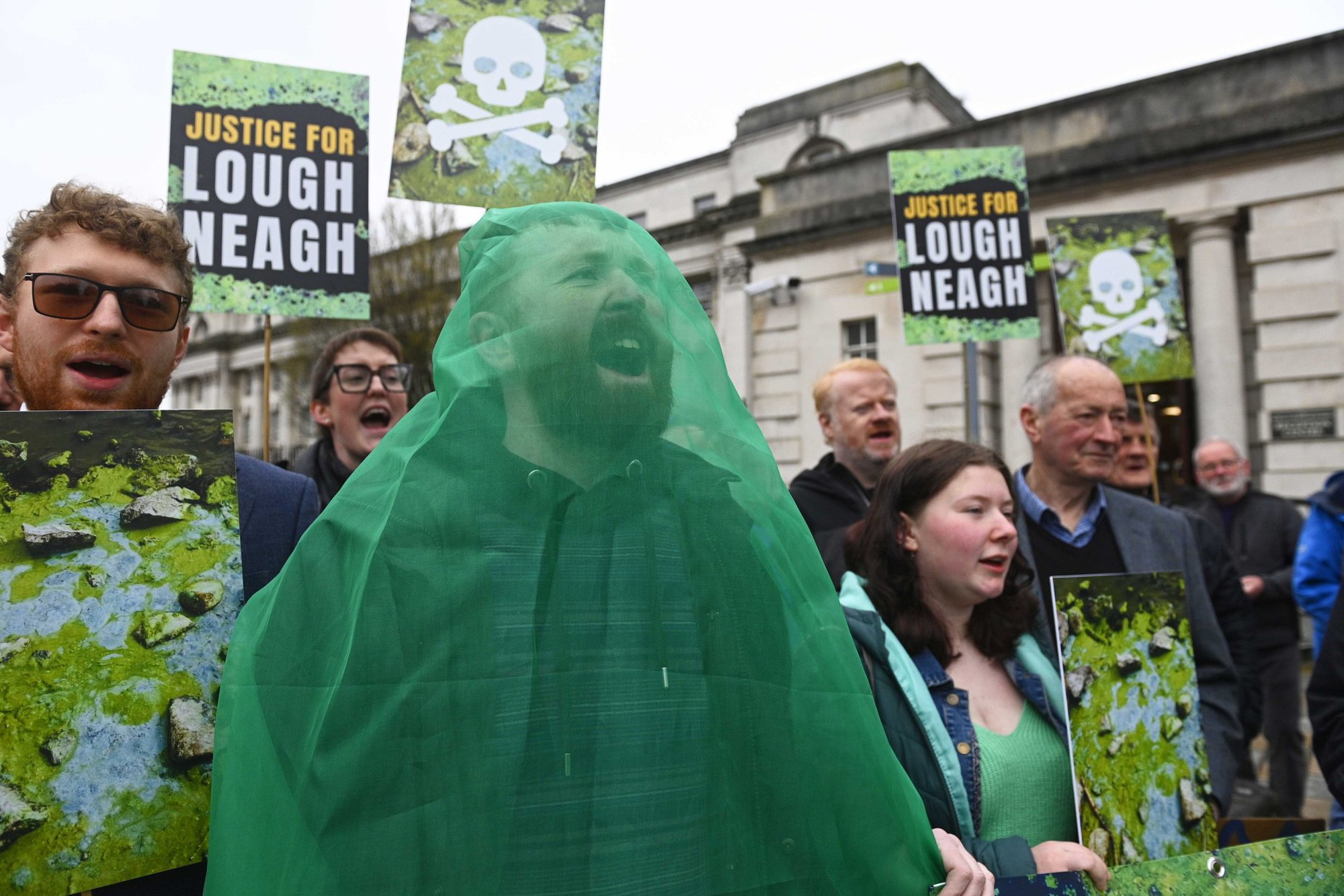
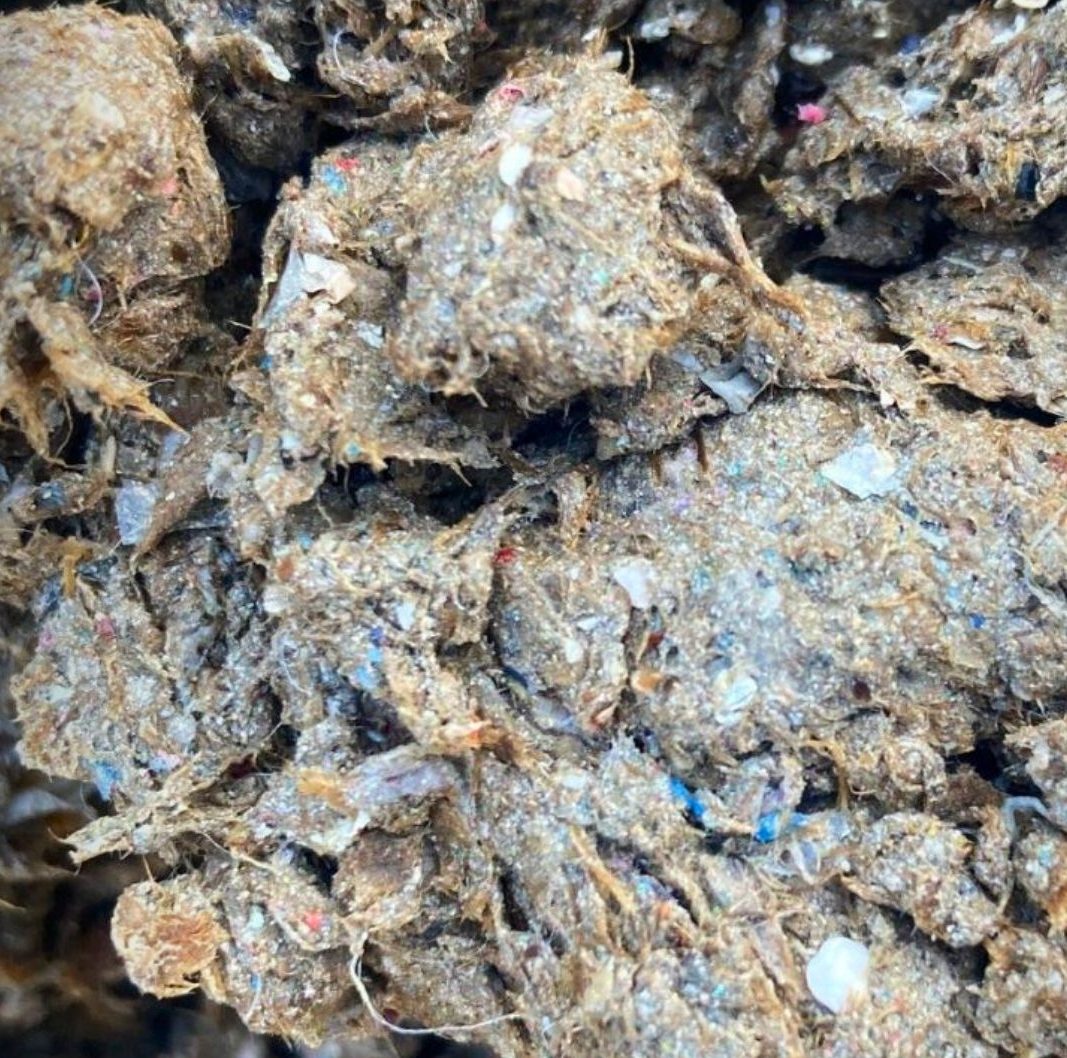
River Action to sue Ofwat over water bill rises

Download PDF


WHAT IS OUR LEGAL CHALLENGE AGAINST OFWAT?

Our legal challenge focuses on funding allocated for wastewater treatment works and pumping stations by United Utilities in and around Lake Windermere.

The case is being taken after detailed investigations were carried out by Save Windermere and Windrush Against Sewage Pollution, which revealed significant and systemic flaws in Ofwat’s approach.

We’re taking legal action to compel Ofwat to reassess its PR24 determination for United Utilities in relation to Windermere and to encourage Ofwat to reassess other water company schemes wherever there are concerns that customers are unfairly covering the cost of past failures.


WINDERMERE: A DAMNING EXAMPLE OF REGULATORY FAILURE

United Utilities, currently under fire after evidence obtained by Save Windermere, revealed 6,000 hours of raw sewage was discharged into Windermere last year, and is a case in point. We have commenced legal action claiming Ofwat has allowed the company to divert funds meant for future projects to deal with past failures—rather than investing in vital improvements to wastewater treatment and pumping stations around the lake.


A SYSTEM RIGGED AGAINST THE PUBLIC

We believe Ofwat has acted unlawfully by approving these funds without ensuring they are spent on genuine improvements to essential infrastructure. Instead, this so-called ‘enhanced funding’ is being allowed to be used to cover up years of failure.

Effectively, Ofwat has signed off on a broken system where customers are being charged again for services they have already funded—while water companies continue to mark their own homework and pollute for profit. This scandal must be addressed. The cost of fixing the UK’s crumbling water infrastructure should fall on the companies and their investors—not on the British public.

We are calling for immediate regulatory action to ensure water companies stop passing the cost of failure onto customers—and start taking responsibility for the environmental damage they have caused.

Dr Alison Caffyn: “Chicken farm… or factory?”

Download PDF

I have had to address this question twice in the last week. Both times I was chatting with people from conservation charities in Shropshire about the environmental impacts of intensive poultry operations locally. Both times the individual expressed sympathy with chicken farmers – along these lines: “It’s been so difficult for family farms in the last few years; what with low farm gate prices, huge shifts in support mechanisms and challenging climate changes. One has to symphathise if they feel their only option is to put up a chicken shed or two.” Each time I have tried to rebalance their perceptions of a typical ‘chicken farm’ in this area.

Firstly, it is true, there are some operations which fit the above description, particularly on and over the Welsh border. Small, one shed, free range egg units with, commonly, 16,000 birds operating in upland landscapes, diversifying from unprofitable sheep or cattle businesses. There are even some older chicken operations producing a few thousand organic and free range birds for the local market – but these are few and far between. The vast majority of intensive poultry units have capacity for 30-90,000 hens or many hundreds of thousands of broiler (meat) chickens.

When I interviewed farmers and land agents in Shropshire and Herefordshire for my research we discussed farmers’ motivations for going into poultry. I even developed a typology. The five ‘types’ included the ‘desperation factor’ described above. But there were also: older, large, well-established broiler operations – some dating back to the start of the industry in the 1960s and some still owned by the chicken processing company (Cargill). There were many large farms which diversified into poultry in order to support other farm enterprises. There were several large estates developing poultry as a new venture (for tenants) and finally, a few cases where investors had made speculative land purchases in order to set up a new poultry operation.

Some older sites have been expanded in stages over the decades with some IPUs now having 10-16 ‘sheds’ and up to a million birds. I was told the average return on investment (of about £500,000 per shed at the time) was ten years. Sooner, if the site installed biomass boilers and the like to receive generous Renewable Heat Incentive payments. Some IPUs were making substantial annual profits.

I’ve done a bit of number crunching to check my facts. The average size of all 150 odd IPUs in Shropshire is 131,000 birds. Broiler units are larger on average, housing around 200,000 birds per four sheds. Egg units are generally smaller averaging 83,000 hens – but that includes both several units with only around 4,000 birds and one large egg operation with nearly 2 million.

I have walked close to or through many IPUs in Shropshire and Herefordshire and spent more hours than I care to admit poring over satellite imagery of all the others. Most don’t look or sound or feel or smell like a farm. The brooding 100m long sheds, the acres of concrete, sickly reek and eerie stillness are not what you would expect on most farms. The operation is overseen on the site manager’s laptop or phone. There is a periodic rattle of feed being pumped along automatic feeding tubes. There will be someone who walks through each shed once a day to pick up the dead birds. Until, after six weeks, the lorries arrive to take the birds away to the processing factory.

You get the picture. And that picture is more factory than farm. An agricultural factory, in a rural location. But not a farm. And, indeed, many farmers say exactly this themselves.

We need to take this growing diversity of agricultural operations into account when addressing the impacts of the industry. No one want to accuse all farmers of environmental harm. Many are doing amazing, progressive things to transition towards more sustainable farming systems. Only a small percentage of farms locally have intensive livestock operations, but their environmental impacts far outweigh those that do not. But out of date perceptions and misplaced sympathy are not helpful – although they are often promoted by farming lobbyists.

Dr Alison Caffyn – River Action Advisory Board member

Dr Alison Caffyn: “We need Shropshire Council to stop allowing ever more levels of unsustainable industrial agriculture in Shropshire.”

Download PDF
Dr Alison Caffyn at the River Teme

It’s been an interesting start to 2025 as someone with my name on a current judicial review against a proposed new ‘chicken shed’ in Shropshire.….

First, both Steve Reed and Daniel Zeichner, perhaps panicked by angry farmers, say planning processes will be made easier for farm developments, so farmers can grow their businesses by putting up new ‘chicken sheds’. Then, Keir Starmer announces that judicial review (JR) rules will be amended to make it more difficult for NIMBYs to block and delay developments. Both announcements seem to be part of Starmer and Rachel Reeves’ growth agenda being pushed across all government departments.

To take the JR point first, I’m no legal expert but as I understand it you already have to prove there is a case to answer at the start of the process. It’s already a tough road to go down, with only a small proportion of cases being successful. So I’m not sure making it more difficult is necessary – maybe the announcement was just sending a pro development signal. With the case River Action and I are taking against Shropshire Council the judge agreed there was a case to answer on several grounds in our argument that Shropshire Council had inadequately assessed the environmental impacts of the proposed Intensive Poultry Unit (IPU).

It is unfortunate that citizens must take their local planning authority to court to stop more and more IPUs spreading across the landscape. But Shropshire Council has approved 64 applications for around 120 additional ‘chicken sheds’ housing over 5 million birds in the county in the last 10 years, taking the total chickens in the county to over 20 million at any one time. That’s 64 chickens per resident and maybe ten
times the amount of chicken poop than human poop.

Despite objections from local communities and businesses the Council continues to grant permissions without properly assessing the cumulative impacts of this industrial scale agriculture on air and water quality. That’s before you factor in risks such as antimicrobial resistance and bird flu. (Shropshire’s biggest IPU has had to cull two million birds in an outbreak this month.)

And that’s why it’s alarming to hear ministers suggesting government policies should support more ‘chicken sheds’ and make it easier to build them. There are many parts of the UK that are well beyond saturation point with intensive livestock farming. The River Wye catchment has proved the point and Shropshire, Lincolnshire, East Anglia, parts of Yorkshire and Northern Ireland are all on, or over, the brink of the same situation. Building more intensive livestock units will lock the UK even further into an industrial agriculture system, controlled by global multinational corporations, producing cheap but unhealthy food at the cost of nature, climate and communities.

And the crazy thing is we don’t even need more ‘chicken sheds’. The UK is already 90% self-sufficient in chicken and eggs. In fact, if we follow the advice of the Climate Change Committee and the National Food Strategy, we should be reducing meat consumption by 30%.

This type of agriculture is unsustainable and simply generates profits for supermarkets, fast food chains and global commodity giants. By all means make the planning system simpler and reduce the need for citizens to challenge planning decisions, but I would suggest doing it by developing clearer guidelines on, for example, how close IPUs can be built to neighbours, to watercourses and to other IPUs. In fact, why not introduce a moratorium on more IPUs in some areas? That would save everyone time and money!

If would be helpful if government policy focused on encouraging green growth and the types of farming that produce healthy food, boost local economies and help address our climate and nature crises.

– Dr Alison Caffyn, River Action Advisory Board member

Emma Dearnaley joins River Action

Download PDF

We’re delighted to introduce Emma Dearnaley, our new Head of Legal at River Action. In our latest blog, we get to know more about Emma and the role that she will play to help rescue Britain’s rivers.

  Q1. Tell us about yourself

  Hello – I’m Emma.

I knew from pretty early on that I wanted to be a lawyer and, although I’ve now had a range of jobs, using the law has been the thread that has run through them all. I’ve charted my own course through roles in commercial and civil litigation at a global law firm, law enforcement, government policy and non-profits – before settling in environmental campaigning.

I decided to leave conventional City law in 2018 having become increasingly curious about the law’s societal role (and my own, as a lawyer) and frustrated by its lack of accessibility to those without power or deep pockets. A period of exploring roles acting in the public interest then followed. It was during my time at Good Law Project that I received a loud wake up call that made me realise I wanted to use my skills, experience and energy to find solutions to the interconnected climate, environmental and nature crises.

Alongside my day job, I am a trustee of two social justice charities – Cranstoun and Music of Life – who I support in their missions to, broadly put, empower people to make positive changes in their lives.

I am a pragmatic optimist driven by the need and opportunity to take action to protect and restore our rivers and environment, for us and for future generations. I believe nothing is more essential than this.

Q2. You were previously the Legal Director at Good Law Project (GLP).  Tell us more about the role and your biggest highlights leading its legal work.

  GLP is a campaign organisation that uses the law to hold power to account, protect the environment and uphold the rights of people and communities. As its Legal Director, I was responsible for developing and leading its strategic litigation and other legal work and I was part of its senior management team.

It was a fantastic role that provided a full immersion in legal campaigning – by which I mean the use of legal tools and processes to achieve change as part of a campaign strategy – and gave me the chance to work on many different issues of importance. GLP is probably best known for its work exposing the government’s ‘VIP lane’ for Covid-19 personal protective equipment contracts and Partygate, but it was the climate and environmental work that I was most drawn to and I proactively grew this strand of work.

The first case I developed was what became a judicial review against Defra’s Storm Overflows Discharge Reduction Plan and GLP’s ‘Clean Waters’ campaign. As well as pushing for Defra’s plan to be improved (which it was as a result of one of our arguments), we looked to use the litigation to revive an English legal principle called the public trust doctrine that says the state has a duty to safeguard vital natural resources including rivers and hold them in trust for the public. That argument didn’t succeed in this case – we always knew it was very ambitious – but it may yet be used to protect water, as well as resources such as air, in cases that are to come – with its recognition in some US states giving cause for optimism. Beyond the legal outcomes, this campaign raised public awareness and – together with the work of other groups like River Action – helped to push the sewage pollution scandal up the political agenda.

I am also really proud to have worked with Friends of the Earth and ClientEarth to bring legal challenges that resulted in a High Court ruling that the government’s Carbon Budget Delivery Plan was inadequate. This significant win secured greater transparency, accountability and ambition, with the government required to revise its plans to include more robust measures to meet emission targets.

A major highlight came at the end of my time at GLP when the Supreme Court gave its landmark ruling in the Manchester Ship Canal v United Utilities case – in which GLP supported the Environmental Law Foundation to intervene and evidence the systemic nature of United Utilities’ failures – that ended the impunity of water companies for the damage they cause through sewage discharges. This judgment means that people and communities can now use private law nuisance and trespass actions to hold polluting water companies to account – and it is heartening to see claims being formulated off the back of this judgment and the law continuing to develop to provide clear avenues for challenge and protections for rivers and communities.

It was a joy and education throughout my time at GLP to meet so many inspiring people across the social justice, climate and environmental movements. It was through participating in a water strategy group that I first met Charles and James at River Action and started working with them, impressed by their focused and generous approach to environmental campaigning.

  Q3. Tell us about your new position as River Action’s first Head of Legal.  What can we expect to see from your role in 2025?

There is huge potential to use the law together with other forms of influence to move the dial on rivers in 2025 and beyond, especially with the newly formed Water Commission, public awareness at an all-time high, multiple routes of challenge available, and great opportunities for collective and community action across the country.

In my role, I expect to work with government to strengthen laws and policy. I expect to push organisations and companies to stop their polluting and environmentally damaging practices. And I also expect to take legal action to enforce the law or to make sure that others do, while recognising that you don’t need to bring or win every legal case in order to make people think harder about the decisions they make and what they choose to do.

  Q6. Finally, in your opinion, what is further needed/what needs to change to rescue Britain’s rivers?

Rescuing the UK’s rivers is a big and complicated challenge that requires a big and committed ecosystem of actors. Collaboration will be key.

It will require government, agricultural producers, industry, supply chain participants and water companies to make systemic changes and for them to be held to account by regulators and civil society. It is essential that the government sets ambitious policy and that regulators are effective after decades of inaction and underfunding. There are plenty of water and environmental laws that exist already and they would be good laws if they were adhered to and enforced. Now more than ever it is vital that we hold feet to the fire over failures and push for sustainable solutions to be identified and implemented.

Ultimately I think the power to deliver change comes from political and corporate will. But there is plenty that can be done to influence and apply pressure – and I’m excited to be at an organisation that is able to do that using a full toolbox, including by using the law and litigation when necessary.

Introducing ‘Friends of the Thames’ (FoTT)

Download PDF

Drew Richardson joins River Action

Download PDF

UK’s polluted rivers are sparking fury – and could decide the next General Election

Download PDF

By Charles Watson

When Labour published its election manifesto, a resounding cheer went up from River Action and many other groups campaigning to clean up our horrendously polluted rivers. We were delighted to see nature restoration and the need to improve water quality being acknowledged as priorities for the new government. We were also encouraged to see some tough talk around getting to grips with the disaster of our failing water industry and its equally poor regulator, OFWAT.

However, despite plenty of catchy soundbites designed to capitalise on the escalating public anger, these manifesto pledges were worryingly short on detail. There was no mention of the urgent need to tackle other sources of pollution, such as agricultural and road run-off – both massive issues for our waterways. There was no insight offered as to how the commitment for tougher regulation and water quality monitoring would be funded given the cash-strapped state of our water regulators.

The General Election came and our rivers spoke out loud and clear. Of the five true-blue safe seats of the catchment of the River Wye (one of the UK’s most polluted rivers), only one was retained by the Conservatives – with all successful candidates having signed up to radical action to clean up the river.

Meanwhile, across the country other once unassailable Tory seats were lost where river pollution was at the heart of the winning campaigns. Amongst these was Henley, the ultra-safe seat of former Tory Prime Ministers, where a resounding Lib Dem win put the severe pollution of the River Thames front and centre. Former Environment Ministers Terese Coffey and Mark Spencer, on whose watch the pollution of rivers continued unchecked, both lost their seats.

There is an urgent need to tackle all sources of pollution affecting our waterways (© Getty Images)

When Labour published its election manifesto, a resounding cheer went up from River Action and many other groups campaigning to clean up our horrendously polluted rivers. We were delighted to see nature restoration and the need to improve water quality being acknowledged as priorities for the new government. We were also encouraged to see some tough talk around getting to grips with the disaster of our failing water industry and its equally poor regulator, OFWAT.

However, despite plenty of catchy soundbites designed to capitalise on the escalating public anger, these manifesto pledges were worryingly short on detail. There was no mention of the urgent need to tackle other sources of pollution, such as agricultural and road run-off – both massive issues for our waterways. There was no insight offered as to how the commitment for tougher regulation and water quality monitoring would be funded given the cash-strapped state of our water regulators.

The General Election came and our rivers spoke out loud and clear. Of the five true-blue safe seats of the catchment of the River Wye (one of the UK’s most polluted rivers), only one was retained by the Conservatives – with all successful candidates having signed up to radical action to clean up the river.

Meanwhile, across the country other once unassailable Tory seats were lost where river pollution was at the heart of the winning campaigns. Amongst these was Henley, the ultra-safe seat of former Tory Prime Ministers, where a resounding Lib Dem win put the severe pollution of the River Thames front and centre. Former Environment Ministers Terese Coffey and Mark Spencer, on whose watch the pollution of rivers continued unchecked, both lost their seats.

So with a new seemingly river-friendly government in power last month, we all found ourselves sitting on the edge of our seats to see if these commitments were for real. Lo and behold a Water (Special Measures) Bill was duly announced as part of the Government’s legislative programme in the King’s Speech.

However, on scrutiny of its detail, all we could muster this time was a slightly muted cheer. Its main contents included powers to ban the payment of bonuses to water company CEOs (isn’t that what happened somewhat ineffectively to bankers after the financial crisis?); regulations to make water company bosses face personal criminal liability for breaking laws on water quality (but aren’t company directors already subject to criminal sanction if their businesses act unlawfully?); requiring water companies to install real-time monitors at every sewage outlet (although didn’t the last government announce last year that all of England’s storm overflows are now electronically monitored?); and, finally, the new powers to bring “automatic and severe” fines for water company transgressions.

Whilst the last point is excellent news, the key issue here is how will this be enforced?

The severely cash-strapped Environment Agency simply does not have the capacity to execute a tougher enforcement regime – and no commitments were made to provide any extra cash to the EA. Above all, the most striking thing about these commitments, is what was absent. For example, there was no mention of tackling the biggest polluter of our rivers, intensive agriculture. Of course, the King’s Speech only summarises planned legislation and His Majesty had a busy day with a further 39 prospective Bills to announce.

The devil will be in the detail and, until we see the first draft of the Water Bill, it’s unreasonable to be too critical. What is certain, however, is that if Keir Starmer honestly thinks that stopping the payment of bonuses to water company CEOs is enough to remedy the appalling state of our rivers, then he has another thing coming.

The Water Bill must offer definitive reform of the failed regulatory system which allowed the pollution of our rivers to happen in the first place. This will require significant funding to repair and re-empower bodies like the Environment Agency. It also can’t just hang its hat on catchy sound bites to exploit public anger over sewage discharges

With latest figures from the EA showing agriculture to be the biggest polluter of our rivers, the blight of diffuse agricultural pollution must also be addressed.

We know the Government has a lot on its plate, not least the recent chaos on our streets, but ministers must not take their eye off the ball on key issues like the nation’s water.

Come the next election, the electorate of the Wye Valley, where the boom in intensive poultry farming has been the prime cause of the severe pollution of the river, will once more be totally unforgiving if their elected politicians renege on their many promises to save one of our most iconic rivers. And they are the tip of a very large iceberg of voters angry at the decline of our rivers and beaches and dereliction of water firms.

Charles Watson, Founder and Chairman of River Action UK

Henry Shepherd joins River Action

Download PDF

We’re delighted to introduce Henry Shepherd, our new Communities Coordinator, who will be joining Chloe and Erica in our growing Communities Team at River Action. In our latest blog, we get to know more about Henry and the role that he will play to help rescue Britain’s rivers.

Q1. Tell us about yourself

I’m a young, passionate environmentalist and advocate for protecting the natural world upon which my and my generation’s future depends on. I’ve grown up in-and-around nature, and even in my time I have witnessed its dramatic decline. 

I’m desperate to protect and restore what little we have left, especially in the UK – not just because we rely upon it every day, but for its intrinsic value and beauty too. This has spurred my interest in the politics of environmental issues. 

Most likely as a result of my appreciation of the natural world, I am a keen traveller, always looking to visit new places and have new experiences. Apart from that, I enjoy a good country walk, love a bit of reggae, and still can’t beat a kick-about with my mates at the park.

Q2. How did you become interested in river protection?

From the canals in Birmingham where I went to University, to the Loch’s in the Highlands where I was born, I’ve always been around water. Every train journey, country walk, or road trip, we cross paths with our waterways. They are the veins of our environment running across the land. Their prolific pollution has infuriated me ever since I’ve known. How could we allow such short-sighted carelessness to take place, and even worse, allow people to profit from it? 

Turning this frustration and sense of injustice into hope can be hard in a sector in which many feel hopeless. Rivers, however, are a great example of how we really can make a difference. They are woven into so many aspects of our society and economy, uniting a wide range of stakeholders and presenting countless opportunities to play a part in working together towards a solution. 

So, whilst their desperate need for a voice was enough to motivate me, the potential for our rivers to set the standard for what people who care about the planet can achieve together also inspired me.

Q3. Tell us about your new role as Communities Coordinator at River Action…what can we expect to see from your role in 2024?

I am excited to be publishing and delivering the River Rescue Kit website, which aims to empower and encourage people from all walks of life to get involved in addressing the dire state of our rivers. 

As part of this, I will support and work alongside communities and campaigners to ensure that the new government understands that river pollution is an issue that the public cares about, and one that requires immediate and serious action. 

I’m also looking forward to coordinating campaigns at a grassroots level, as part of the Thames Campaign, and I’m keen to establish more community connections in Northern Ireland, North England, and in my homeland, Scotland.

Q4. Finally, in your opinion, what is further needed/what needs to change to rescue Britain’s rivers?

Firstly, for me, it’s an attitudinal shift that is required across certain sectors to one that sees our waterways not as resources to be exploited, but as essential infrastructure underpinning our society, food systems, economy, and our little remaining, wonderful wildlife. 

We also need stricter regulation, enforcement of the law, and increased funding – all across the agricultural sector, water sector, and the Environment Agency. This necessitates that precedents be set and lines be drawn by our government and courts to make it clear that the current state of play is not sustainable, and must, and can, change. 

To achieve this, we have to continue to use our voices to speak up for our rivers and demand that those in positions of power use their privilege to push for this issue to be addressed as a matter of urgency.

‘It’s the water, stupid’ – the big challenge for any new government

Download PDF

By Martin Salter, Angling Trust Head of Policy

‘When the world ends, someone will have daubed on a wall somewhere “It was the water, stupid” in a parody of Bill Clinton’s famous campaign reminder to his team to remain focused on what matters most.

As an angler I’ve lived all my life in, on or beside water. The rivers, oceans, lakes and ponds that have been my obsession for more than half a century are dying before our eyes. Either sucked dry by our relentless demand for more of this most precious natural resource or engulfed in a tidal wave of sewage and slurry, often both. Short sighted stupidity has been the hallmark of national water policy since before the Industrial Revolution. The current situation is little short of alarming:

  • Only 14% of our water bodies are now in good ecological condition.
  • In 2023 a total of 579,581 sewage spills recorded from storm overflows in
  • England and Wales for a total duration of 4.6 million hours.
  • Wastewater infrastructure replacement rate for pipes and main sewers is runnin at 0.05% of the network per annum – 10 times longer than the European average – meaning sewers with a 100-year life expectancy are meant to last for 2,000 years.
  • Environment Agency numbers show that in just the last year at least 120,000 fis were killed in sewage-related pollution incidents – the true figure will likely have been much higher.
  • The Atlantic salmon is now officially classified as an endangered species in the UK.

With a general election just a week away the condition of our rivers and waterways is higher up the political agenda than it has ever been. This follows years of relentless pressure from energised campaign groups such as Surfers Against Sewage, Angling Trust & Fish Legal, The Rivers Trust, Wildfish, River Action and many angling and local groups across the country, ably supported by celebrity angling activists like Feargal Sharkey, James Murray and Paul Whitehouse. Whilst it’s pleasing for campaigners like me to see our chosen cause front and centre of political debate, what is less encouraging is the failure of all political parties to acknowledge the depth and scale of the problem or to apply any serious thinking as to what needs to be done.

Last year over 579,000 sewage spills were recorded from storm overflows in England and Wales

Soundbites won’t fix our rivers and seas, but here’s 12 things that will make a difference if we elect a government with the guts to do what’s necessary.

My local water company, Thames Water, provides my three-bedroomed, semi-detached house in Reading with clean, drinkable water for a little over £1 a day. Absurdly, I can also use this heavily-treated liquid to water my garden, wash my car, and to flush my toilet. Speaking of which, my bodily waste is also taken away and allegedly treated before being discharged as effluent back into the same river system from which it came. That same pound will scarcely buy a bottle of water in a supermarket, or a glass of the stuff with added bubbles in a restaurant, yet people regularly hand over wads of cash without a second thought for both, even though what comes out of their taps costs almost nothing.

Water for almost nothing is no basis on which to build public policy about a basic resource on which all life depends, human, animal, bird or fish. Water needs to become as political in Britain as it is in other countries where living conditions are far harsher. Look behind many of the conflicts and tensions in the world today and what do you find? Conflict over water. Too much of it, causing sea levels to rise as we fail to heed the warnings of climate change and more of the earth’s surface becomes uninhabitable. Too
little of it, as warming temperatures turn once productive regions into searing dust bowls, causing millions of our fellow human beings to begin a giant migration in search of livable land.

In 2021, my organisation jointly published a report looking at the sheer scale of the investment backlog facing the water industry. Called ‘Time to Fix the Broken Water Sector’, it exposed the ticking timebomb at the heart of the UK’s wastewater infrastructure that threatens the health of almost every river and stream in the land. The key finding were:

  • A £10 billion investment funding gap over the last 10 years.
  • The declining condition of rivers and streams due to increased sewage spills every year.
  • The absurd expectation of a 2,000-year lifetime for sewage pipes and other infrastructure.
  • Failure to build any new reservoirs in the south-east since 1976 despite a 3 million population increase and huge projected growth in house building.
  • Lack of investment in water supply has seen excessive groundwater abstraction drying up some chalk streams altogether and damaging many other rivers.
  • The impossibility of delivering commitments in the Government’s own 25 Year
  • Environment Plan and our legal obligation under the Water Framework Directive.
  • Failure of both the Government and OFWAT to heed the promises in the 2011 water white paper, or indeed the warnings from the National Infrastructure
  • Commission and the National Audit Office, about the pressing need for investment in water and sewerage systems to address the challenges of climate change and population growth.
  • The prospect of severe drought events causing parts of southern England to run out of water within 20 years.
  • The consequences of failing to invest in water infrastructure that will cost more in the long term – £40 billion versus £21 billion, and thousands of jobs.

Much of this sorry state was triggered by the politicians’ wish to kick the can down the road rather than face up to the looming water crisis. And behind all of this has been the thoroughly useless regulator OFWAT whose former Chief Executive and previous water industry fat cat, Johnson Cox, promised in 2017 – ‘a decade of declining water bills.’ He did this at a time when OFWAT had neither the engineering nor environmental expertise to make these judgements, unless, of course, you didn’t give a fig for the environmental consequences. As a result, the price limits were set so low that under-investment was inevitable, making a bad situation worse.

Cover of the ‘Time to Fix the Broken Water Sector’ document – download the full report

It is patently absurd to have two regulators allegedly overseeing the water industry. You can’t separate the consequences of economic regulation (OFWAT) from the impacts on the water environment (Environment Agency). The consequences of the OFWAT investment roadblock are plain to see. Here are a few examples:

  • OFWAT directly cut planned investment in PR19 (between 2020-24) by £6.7 billion (or £1.34bn each year). They even boasted about the size of investment they had prohibited water companies from making.
  • OFWAT held down bills below inflation for over a decade, removing around £11 billion from investment that should have been ring-fenced for improvements.
  • Allowing bills to increase with inflation over the last decade would have provided more for investment, which could have been ring-fenced for the most urgent projects. This would have been the equivalent of sufficient funding for up to half a dozen reservoirs or meeting overflow targets five years earlier.
  • OFWAT decisions overturned. Four companies successfully appealed their PR19 decisions to the Competitions and Markets Authority (CMA) who ruled as follows to:
  • Restore £7 million for Yorkshire Water to cut overflow spills, deliver wastewater upgrades, and the protection of tens of thousands of properties in Hull against flooding.
  • Restore £18.3 million for Northumbrian Water to prevent 365,000 properties in
  • Essex being cut off for a potentially extended period.
  • Protect £40 million investment in strategic water interconnection by Anglian Water, rejecting Ofwat’s decision that would have reduced the capacity of the interconnection pipes.
  • Restore £ 5 million for Anglian to increase its sludge capacity to minimise the operational resilience risk around their ability to deal with increased volumes.

OFWAT has clearly shown not to be fit for purpose. It should be abolished in favour of a publicly accountable single water regulator alongside a complete reform of the management and rebuilding of the UK’s water resources to deliver clean and plentiful water and wastewater infrastructure fit to meet the challenges of climate change and a growing population, without further damaging the environment.

OFWAT’s rejection of necessary investment has directly caused problems. For example:

  • The whole industry was denied sufficient funding for leakage improvements over more than a decade.
  • They refused almost all of five English and Welsh companies’ climate resilience proposals to fund wastewater capacity upgrades, cutting the budget from £403 million to £16.4 million. This stopped £387 million of investment that would have allowed a half-decade head start on the storm overflows programme while also reducing sewer flooding.

Given the scale of both the environmental and economic challenge posed by a failing water sector with a crumbling infrastructure, the next government has little choice but to introduce primary legislation to abolish the two regulator model and overhaul the entire regulatory oversight of the industry to put environmental needs front and centre in a complete sector reset.

When water was privatised in 1989, the new companies were able to acquire public assets that were completely debt free. Thirty-five years later, companies like Thames Water are now a staggering £15 billion in debt and teetering on the brink of bankruptcy. A succession of private owners levered this debt mountain to strip out more than £7 billion in dividends to shareholders whilst paying eye-watering bonuses to top executives as a perverse reward for presiding over operational failure and turning a
blind eye to financial sharp practice. Vampire owners like Macquarie should never have been allowed to mortgage their company’s balance sheets to fund excessive dividends. OFWAT could and should have prevented it.

Every piece of this scandal took place right under the nose of OFWAT, whose senior directors see no contradiction in taking highly paid jobs in the same companies they are supposed to be regulating only the month before.

The next government needs a new Water Industry Act to either create entirely new community interest entities to operate the water infrastructure or, at the very least, to correct the gaping loopholes in the current legislation that allow public assets and vital public resource to be traded like Bitcoin irrespective of the looming threats to both the economy and the environment.

The EA has been systematically hollowed out by a 57% cutback in its resources since 2010 turning from the bulldog it should be into the ineffective lapdog it’s now become. Enforcement rarely occurs and when it does it can take years to bring polluters to court. Only a minority of reported fish kills will even trigger a visit from Agency staff who are now simply spread too thin to be effective.

The organisation has suffered from poor leadership and is massively risk averse at a time when environmental stakeholders and the public at large are looking to it to take tough action in defence of our rivers and waterways. The Environment Agency is now under new leadership. The next government must give them the resources to do the job, and make it clear it must hold polluters to account, and ensure the protecting the environment is its first, last, and only priority.

Only a minority of reported fish kills trigger a visit from Environment Agency staff

Part of any new deal for water must involve getting serious about planning and building control.  It must treat water as a national infrastructure priority. It’s crazy that planning for capital projects is squeezed into a five-year time frame. Something the nuclear industry, for example, would consider laughable. Reservoirs take years to plan, years to build and a long time to fill. We need long term investment planning if we are to be in anyway serious about resolving the challenges posed by declining water quality, climate change and population growth.

Here are some much needed reforms the new Environment Secretary should bring in immediately:

  • The National Infrastructure Commission should be instructed to set out the funding needed to:
    • Adapt to climate change
    • Restore infrastructure to a decent standard (e.g. by setting a target to
    • Match European average replacement rates by 2030)
    • Eliminate ecological harm
    • Eliminate all serious pollution incidents.

OFWAT (or its successor) should be required to deliver consent to match that level of funding or explain to Parliament why it hasn’t.

  • The new government should replace the clunky and little heeded Strategic Policy Statement for Water – currently the only way ministers can seek to influence the ‘independent’ regulator – with an Outcomes Direction to force them to take decisions in line with the priorities above.

While a new Water Act is necessary in the next Parliament these immediate measures would not require legislation. The current Water Industry Act just says that government should provide high-level guidance to the regulator. The problem is that it doesn’t.

With 85% of the world’s chalkstreams located in England, our stewardship of these precious assets is little short of shameful. These globally recognised, iconic ecosystems should be exemplars of a pristine aquatic environment. Instead, some are now used as open sewers and others are sucked dry through over abstraction. The Hertfordshire chalkstreams such as the Rib, Beane, and Ver have been reduced to a shadow of their former selves and now are often completely dewatered in stretches that were once
home to a thriving population of brown trout and coarse fish. Water companies like Affinity find it easier and cheaper to suck the chalk aquifers dry rather than invest in the storage of winter rainfall.

A basic tenet of any water policy must be to collect surplus in times of plenty to guard against economic and environmental damage in times of scarcity. A new Water Act must enshrine this principle into law.

It should also do the following:

  • Streamline the planning process for water resources projects so that small projects, including nature-based solutions, that interlink are approved as one project.
  • Amend Development Consent Order legislation so that non-potable water schemes are eligible. This is crucial for speeding up delivery of water transfers in and between regions.
  • Set a clear target for drought resilience standards as legal minimums (currently they are advisory).
  • Reform building regulations to ensure proper water efficient homes (including appliance labelling and minimum efficiency standards).
  • End the developers automatic right to connect into the local sewerage system if it lacks sufficient capacity to treat the effluent to standard. Force developers to pay for local upgrades required by their proposals.
A reduction in abstraction is vital to stop rivers running dry.

The UK is well behind other countries in using wastewater sensibly. For example, in Spain it’s a requirement to use treated wastewater on golf courses rather than abstracting fresh drinking water from the public supply.

We need to quickly follow what is already happening in Europe by using treated wastewater for agricultural irrigation and businesses. This would reduce demand and abstraction and could make a significant difference to river health thereby improving the environment for invertebrates and fish.

If having a combined rainwater and foul water sewerage system complete with storm overflows delivers ‘pollution by design’ the anomalies in the current permitting system create ‘pollution by permission’. The whole system needs a complete overhaul focusing on the health of the rivers and seas rather than treating them as dumping grounds of last resort when the system fails or trigger points are reached.

A particularly absurd anomaly sees water companies measured on what they keep in the pipe not what spills out of it. And the counting of storm overflow spills makes little sense as currently a five-minute spill is counted the same as one that lasts 12 hours. We need to move to assessed volumetric measures. It’s the volume of shit that needs counting, not the length of time a pipe might be dribbling. It is also ridiculous that pipes at the same sewage treatment site are individually permitted rather than permitting all the combined output with an incentive to maximise the treated flow.

The headline figures on sewage pollution are primarily around storm overflows, but just wait until the rising mains start crumbling as is already happening in the Thames Water region. That’s when we get total wipe out – when a problem becomes an environmental catastrophe. By 2050, in many of our water companies a majority of their rising mains will be over 100 years old and well past their sell by dates. In a few cases we are still relying on the brilliance of Victorian engineers to keep untreated sewage out of the
rivers. This is clearly not sustainable.

Of course, storm discharges are unacceptable, they are horrible and stink, but do a lot less damage than a fractured rising main sewer. Investment priorities need to be focused on reducing the most harm and this should include getting ammonia and phosphorus levels down in small streams in dry weather where the harm caused to fish and invertebrates is acute.

Anglers and local river groups invest millions of hours of volunteer time every year into the maintenance and improvement of water environments by clearing litter, restoring habitats and monitoring and fighting pollution. They see what is happening and are often ‘the canaries in the coal mine’. Currently the EA does nothing about discharges from septic tanks or from the growing army of live-aboard boaters. Local intelligence can help plug these gaps.

In 2022, in response to record levels of sewage discharges and the continued failure of the Environment Agency to properly monitor the threats to our rivers, the Angling Trust established a national Water Quality Monitoring Network of citizen volunteers to collect and analyse water samples in their areas. It has now engaged over 784 anglers from 278 clubs operating on 202 rivers across 68 catchments collecting around 5,600 individual samples. The results are alarming with 44% of samples exceeding recommended phosphate and nitrate levels, 200 incidents of algae blooms and 300 pollution incidents observed.

Citizen science clearly has a big role to play as we need much better data to make proper decisions but currently the EA won’t accept their results. This is absurd and we need the government to intervene and ensure a role for citizen volunteers alongside an accreditation scheme with independent verification.

Our Water Quality Monitoring Network shows citizen science has a big role to play in river management

The privatisation of our water industry has been a disaster and I doubt if any of the politicians likely to be in the hot seats in DEFRA have any real comprehension of the extent and scale of the problems they are about to inherit. But let’s not get too starry eyed about the record of the sector in public ownership for there really was no ‘golden era’ when the rivers flowed bright and clear and the taps kept running. In the 1950’s the tidal Thames in London was declared ‘biologically dead’ and further upstream around Staines, where I grew up, there were signs advising us not to bathe in its polluted waters.

There are now many rivers and streams that have been brought back from the brink primarily thanks to European legislation like the Urban Wastewater Treatment Directive, as well as tougher domestic controls. But rules and regulation require properly funded and empowered regulators with a clear sense of purpose that put the environment first. They also require an industry that is accountable and an infrastructure that it fit for purpose rather than the ‘creaking and leaking’ timebomb that is about to land on the desk of the new Secretary of State for the Environment.

By all means, play around with different ownership models that deliver proper accountability for this most vital of our public assets. But please, please don’t forget to fix the pipes.

Download a copy of our Angling Manifesto – Vote for a Fishing Future

How do rivers fare in the manifestos? A review by River Action

Download PDF

By James Wallace CEO, River Action UK

The water pollution crisis in our rivers, lakes and seas is one of the leading issues for the 2024 general election. River Action, joined by communities and organisations nationwide, has raised the alarm and called on voters to join the campaign. But are suggestions like The Charter for Rivers reflected in the manifestos?

Freshwater is the lifeblood of our land, enabling food and water security, underpinning our economy, literally sustaining lives. But our rivers and lakes are dying – only 14% of rivers in England are in good ecological condition and 83% of rivers are highly polluted by sewage and agriculture. 

Earlier this year, water quality testing from River Action revealed high levels of dangerous E.coli bacteria in the River Thames ahead of the famous Boat Race. With 3.6 million hours of raw sewage spilled in 2023 and water companies accruing £64 billion in debt since privatisation while rewarding shareholders with £78 billion of dividends, this is no surprise. Known by many of our neighbours as ‘The Dirty Man of Europe’, the UK has some of the worst water quality.

Meanwhile, we risk running out of clean freshwater with no joined-up national plan. Water companies leak 3 billion litres every day, and we are facing a shortfall of 5 billion litres a day in just a few years.

Now that we are clear on the scale of the crisis, let’s look at how our rivers, lakes and seas could be protected and restored in the next government.

Labour

Starting with (according to the polls) the frontrunner candidate for the next government. The manifesto essentially wrote itself from various recent Labour announcements. Having first trumpeted it would ban bonuses for polluting water company bosses’ in October 2023, they have made it a top feature in the manifesto. Likewise bringing criminal charges against persistent lawbreakers. This is a welcome policy but not the urgent systemic root and branch regulatory reform needed.

How, we wonder, will they accelerate the penalty and prosecution process, having committed to automatic and severe fines? It took 6 and 4 years respectively for Thames Water and Southern Water to be prosecuted for major fish kills by the poorly performing Environment Agency. It needs a new bold government to give the enforcers back their sharp teeth. Labour’s commitment to independent pollution monitoring is well received. We can’t have polluters marking their own homework. But, with the Environment Agency notoriously turning-up late and downgrading serious pollution incidents, we need the threat of immediate inspections reinstated to rattle illegal polluters.

In March this year, Labour vowed to put water companies into special measures to force them to clean up their toxic mess and protect people’s health. This made the manifesto, but the party has been light on detail of what these special measures would be. For example, what is their commitment to ensuring the taxpayer does not bail out a failing water company like Thames Water?

Labour has remained quiet on agricultural pollution, likely due to its targeting of rural votes and pacifying the National Farmers’ Union. The manifesto recognises that the Environmental Land Management scheme (ELMS) must work for farmers and nature. But unlike the other manifestos it does not put a number on what support would look like. A missed opportunity to support struggling farmers.

Surprisingly, there is nothing on water scarcity – how can a party claim to prioritise growth when our freshwater, therefore economy, is at risk of drying up? 

Conservative

With the backdrop of an attack on net zero costs and threat of new oil and gas licensing rounds, the Conservative’s environmental manifesto pledges are a roundup of the policies introduced while in government. Why does it take an election to announce reviewing Ofwat’s dreadful Price Review process? They lack ambition compared with 2019 and what is needed to remedy more than a decade of environmental degradation. 

Their manifesto is marred by almost daily news about the failing water industry while under their tenure – most recently, analysis from the BBC found every major English water company has reported data showing they have discharged raw sewage when the weather is dry. We are concerned to see the returned threat of scrapping the nutrient neutrality rules which protect vulnerable waterways. If last autumn’s Commons v Lords debacle is anything to go by, can we expect the Conservatives to continue to set up housing against clean rivers? We can and must have both. And the proposal to use polluter fines to fund nature based solutions will only work if sufficiently punitive and hefty. At the moment it pays to pollute.

We were pleased to see the River Wye get a mention in the manifesto. However, it was in reference to the ‘Plan for the River Wye’ which local campaigners have ridiculed for falling ‘far short’, countering with their own action plan to revive the river. The manifesto does at least recognise the need for an increased farming budget, with a commitment to increase it by £1 billion over the Parliament; mimicking but not matching a policy first mentioned at the Liberal Democrat conference last autumn.

As the Conservatives fight to hold their rural seats, expectations were almost non-existent about the potential for a shake up on their water policy. With the announcement of banning wet wipes made three times over as many years, we have become accustomed to repeated broken/recycled promises. Perhaps a new version of the Conservative party, reverting to its small ‘c’ conservative roots might emerge post election, incorporating more of the Conservative Environment Network’s manifesto for rivers, seas and waterways; such as linking water company CEOs pay with environmental performance and ensuring housebuilding doesn’t contribute to storm overflow discharges?

Liberal Democrats

After Ed Davey fell off a paddleboard in Lake Windermere to highlight the sewage crisis, it was no surprise that our polluted waters feature as the top Lib Dem environmental message. While they have long trailed their sewage policies, the manifesto included a few interesting new ideas. Policies include ‘blue flag standards’ and ‘blue corridors’ to drive clean and healthy waterways and giving local environmental groups a place on water companies’ boards. Restructuring water companies into public benefit companies could help put people and planet before profit, giving a voice to communities and ensuring financial rewards relate to environmental performance. Their proposed abolition of Ofwat may be a good step too… will a tough new regulator rise from the swamp?

A Sewage Tax on water company profits may resonate with voters, a direct way of linking environmental and financial performance. An explicit reference to enforcing laws on sewage overflows is welcome, but should extend to other water pollution including agriculture. The current damp squib advisory approach to law enforcement has led to the ecological collapse of rivers like the Wye. As with the other manifestos reviewed, there is limited explicit reference to the essential ingredients to regulatory reform such as an increase in Environment Agency inspections and publishing independent pollution monitoring data. The public has a right to know what goes into their inland and coastal waters – and who is to blame – and all parties should commit to transparency (which would also save the regulators time and money on information requests and legal prosecutions).

The Lib Dem manifesto does make the direct link between farming and rivers, with a commitment to “support farmers to reduce the pollution of rivers, streams and lakes” and plans to properly fund the Environmental Land Management scheme with an extra £1 billion a year. The creation of an Environmental Rights Act – guaranteeing everyone’s right to a healthy environment could help them achieve the target of doubling nature by 2050.

It seems that beyond the confines of electoral targets, the Lib Dems have an opportunity to position themselves as the party for water and broaden focus out from just sewage pollution. This was demonstrated with voter approval in the rural Tiverton by-election last year and may be repeated in the general election. But as with the others, there was silence on water shortages, although a single social tariff for water bills to eliminate water poverty was a nod in the right direction.

Green

Finally, to the Greens, who recognised in their manifesto launch that they have no expectations of forming a government but instead will play a key role in holding the party in power accountable. Their manifesto states what they will push for in parliament rather than what they would implement as Government. 

Backed by a promise to tax the super rich, the Green Party manifesto has the environment as one of its three key pillars, and directly recognises the food system as the “greatest driver of nature loss and pollution.” They would triple support for farmers to transition to nature friendly farming, and link payments to reduced use of pesticides and agrichemicals. And, they would end factory farming, which by default would significantly reduce agricultural nutrient pollution.

Greens would take water companies back into public ownership. Will that extend to reforming the environmental regulators and toughening enforcement? Under the current system, fines from water companies that are put back into protecting the environment equate to approximately 1% of funds distributed to shareholders. Such a derisory penalty, acts as a reward rather than deterrent for breaking the law.

The Greens propose tackling the water crisis through other means too. Setting aside 30% of land by 2030 to allow natural recovery of waterways, and assert a Right to Roam to increase access and people’s likelihood of caring about the environment that sustains them.

The potentially one or two new Green MPs will follow in the footsteps of Caroline Lucas, one of the few MPs to cast a wide net on raising river pollution issues, and after reading the manifesto we expect to see the new generation of Greens to do the same.

Reform

There is not much to say here. Reform’s manifesto commits to cancelling all EU inherited regulations (i.e. all our current environmental standards and protections) and abandoning any commitment to achieving net zero. The Reform Party will scrap climate-related farming subsidies and stop Natural England protecting wildlife. There is no reference to rivers or ending pollution.

In conclusion

It is very encouraging that four manifestos have cited water pollution but there’s little to get excited about. Whichever party forms the the next government has a long way to go to inspire belief that significant action will be taken to save our rivers, lakes and seas over the next parliament, as key measures were limited or missing from the manifestos including:

  • Sewage – significant reform of Ofwat’s failed regulation of the water industry to end decades of profiteering and pollution, and restructuring and refinancing failing water companies linking environmental and shareholder performance, putting people and planet before profits. 
  • Agriculture – strengthening regulation on intensive livestock farming and enforcing the law, limiting density of factory farms in catchments, supporting farmers with environmental incentives, enabling nutrient trading – turning farm waste into resource – and increasing farmers’ share of food pricing.
  • Water scarcity – restoring wetlands, building more reservoirs and fixing leaking water pipes so we do not run out of water; delivered through a nationwide plan to secure water within and between catchments, while decreasing demand for abstraction, protecting our most vulnerable waterways like chalk streams. 
  • Monitoring and enforcement – properly funding environmental protection agencies and water industry regulators, publishing independent pollution monitoring and sharing data with the public and between regulators, equipping and instructing them to take firm action against polluters. 

Protecting public health – ensuring the Environment Agency properly monitors our rivers and publishes transparent data and guidance about when it is safe to use rivers, and making water companies introduce tertiary treatment of final effluent in areas of high use and risk.

It’s not our job to tell anyone how to vote on July 4th, but as we head to the polls what we can do is constantly urge all politicians to put water – rivers, lakes and seas – at the heart of the next parliament. 

We must value water as if it’s the elixir of life and enabler of every aspect of our economy. We must start acting like we are in a freshwater emergency. That means a government that prioritises this urgent mission. One that will provide the financial and policy commitments, but also the leadership to rebuild trust and mobilise regulators, civil servants, politicians and industry into action. We need to welcome in a new era of collaborative working – across parties, sectors and communities – moving beyond blame and deceit to achieve rapid transformational systemic solutions. To do this, the new government must define and own the problem, be transparent and fulfil its promises now, not in future decades, and that starts with committing to wholesale regulatory reform backed by sufficient funding.

For real change, we need the new Secretary of State for the Environment to sit opposite the Prime Minister at Cabinet, next to the Chancellor of the Exchequer, and for the environment to be front and centre in our nation’s political future.

#VoteCleanRivers

James is Chief Executive of River Action. He is a naturalist, archaeologist and social entrepreneur and has established enterprises ranging from renewable energy, regenerative agriculture and green finance to ecotourism, nature restoration and deep sea exploration. Prior to helping Charles Watson develop River Action into a national charity, James was CEO and Co-founder of Beaver Trust where he led the coalition to protect and live alongside native beavers.

James campaigns to rescue Britain’s rivers using systemic, local solutions, working collaboratively in the freshwater emergency. He convenes national stakeholders, bringing together government, industry, NGO and community leaders to secure abundant, clean water and restore wildlife habitats, while holding polluters and regulators to account in the courts of public opinion and law.

Privacy Overview

This website uses cookies so that we can provide you with the best user experience possible. Cookie information is stored in your browser and performs functions such as recognising you when you return to our website and helping our team to understand which sections of the website you find most interesting and useful.