
Farmers across England begin ‘Return to Sender’ programme for chemical-laced sewage sludge – April Fools

Download PDF

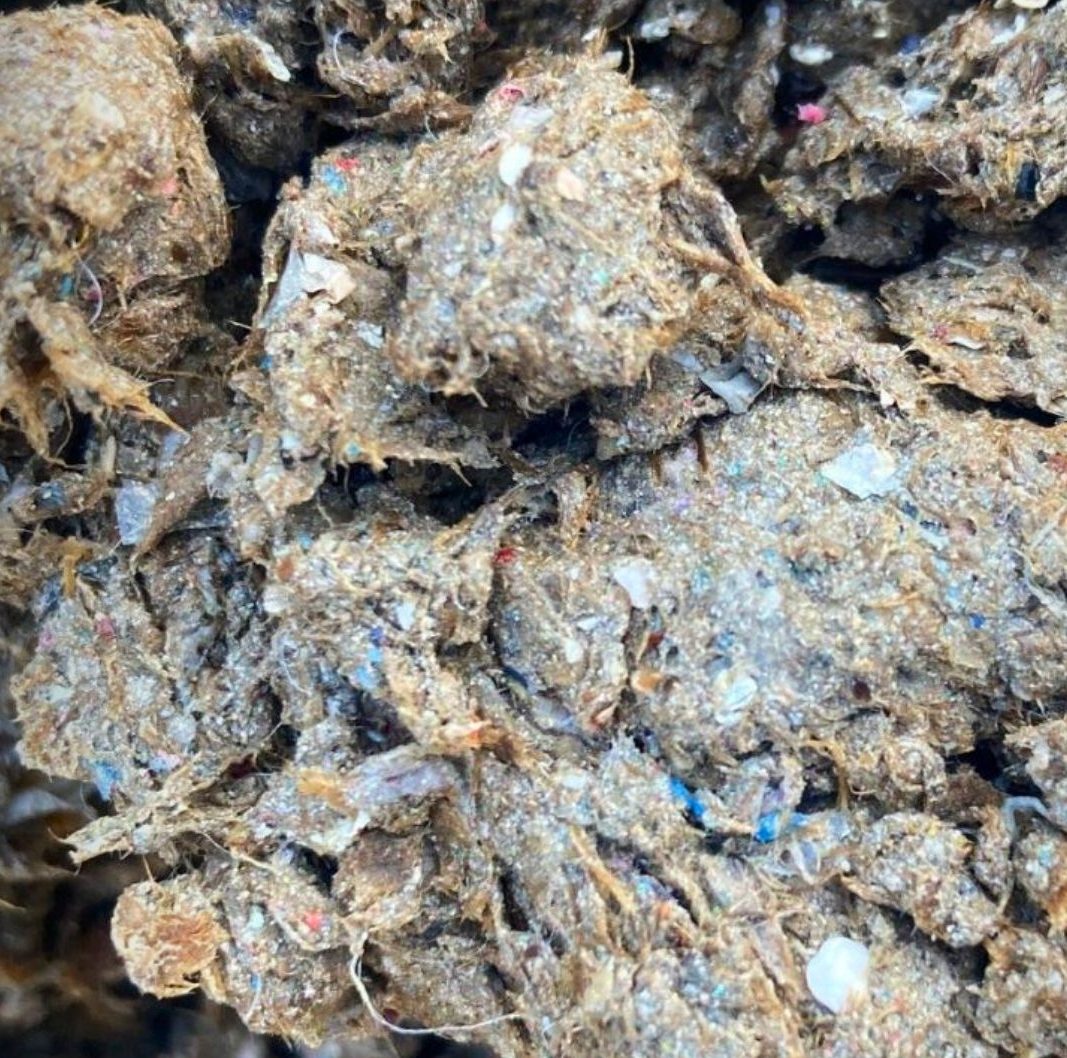
Concerned farmers across England have today announced a coordinated initiative to return sewage sludge contaminated with so-called “forever chemicals” back to the water companies that supplied it, citing growing fears for soil health, river health, food safety, and their own reputations.

The move follows mounting evidence that sludge spread on farmland contains PFAS chemicals, microplastics, and industrial residues that persist indefinitely in the environment. 

Much of this cocktail originates from chemical and manufacturing industries, which helpfully design substances robust enough to survive heat, pressure, sunlight, and, it turns out, most attempts at water treatment. Farmers say they are no longer willing to act as what one described as “the final chapter in a very long and poorly edited industrial experiment.”

Under the scheme, informally dubbed “Sludge Back Guarantee™”, farmers plan to deliver unwanted biosolids directly to water company offices, treatment works, and executive car parks, accompanied by polite notes reading: “Thanks, but no thanks. Please enjoy your product.”

We were told this stuff was a ‘nutrient-rich soil improver’,said one arable farmer from the Midlands.Turns out it’s more of a forever-chemical retirement plan. We grow wheat, not legacy pollution.

Farmers stress that they are not anti-recycling, anti-fertiliser, or anti-water company in principle. They are, however, reluctant to spread materials that behave less like compost and more like a time capsule for industrial chemistry.

Clean river campaigner and responsible farming advocate Hugh Fearnley-Whittingstall said:

“British farmers have spent decades improving soil health and food standards, so it’s reassuring to know they’re now trusted to warehouse a selection of synthetic chemicals that don’t degrade, can’t be removed, and weren’t invited. It’s a bold new diversification strategy.”

The action follows growing concern within the farming community that they are being used as a convenient outlet for sludge generated not just from households, but from industrial effluent containing persistent synthetic chemicals. Critics say the system works with admirable efficiency: chemical companies produce substances that resist breakdown, water companies circulate them through treatment systems not designed to remove them, and farmers are then offered the end product as a sustainable soil enhancer.

River Action’s Head of Campaigns Amy Fairman said:

“This arrangement has the elegance of all good cost-saving exercises: the pollution stays, the risk travels along our rivers, and responsibility quietly disappears. Farmers aren’t rejecting recycling – they’re declining to be mistaken for hazardous-waste facilities.”

Farmers say they are now calling on:

  • Chemical manufacturers to stop testing the limits of eternity in products that end up in wastewater
  • Water companies to stop accepting industrial chemical waste into systems that produce agricultural sludge (or at least stop calling the result ‘beneficial’)
  • Government to update decades-old rules and recognise that ‘persistent’ is not a synonym for ‘harmless’
  • Regulators to require full disclosure of what is actually in sludge, ideally before it is spread rather than several decades afterwards

“Food security doesn’t mean ‘spread now, regret indefinitely’,said a mixed farmer from Yorkshire.Our soils are our pension, our business, and our responsibility. We’d quite like them not to double as a long-term chemical archive.

Water companies contacted for comment said they were “reviewing the situation” and confirmed that while sludge was safe “within current guidelines,” they would “prefer not to receive it back.”

The Department for Environment, Food and Rural Affairs reminded farmers that April 1 is “not an appropriate day to trial reverse logistics for biosolids,” before adding that it would “continue to engage constructively with all stakeholders and, where possible, reality.”

Farmers insist the message is serious, even if the timing is not.

We don’t want sludge wars,said one. “We just want clean water, clean soil, and slightly fewer forever chemicals. Ideally none, but we’re trying to be realistic.”


Notes to editor

This press release is issued as part of April Fools’ Day and the “Return to Sender” programme described above is satirical.

However, the practice of spreading sewage sludge on agricultural land in England is very real. Sewage sludge can contain PFAS “forever chemicals”, microplastics, and other industrial contaminants that are not routinely removed during treatment and can persist in soils and waterways.

Farmers’ concerns about being asked to spread contaminated sludge, the lack of transparency over its contents, and the long-term risks to soil health, water quality, food safety, and public trust are genuine and widely shared.

Public concern is also significant. A recent YouGov poll conducted for River Action found that 92% of people in the UK believe water companies must ensure sewage sludge used on farmland is not contaminated. The same polling shows that 61% of respondents were unaware that sewage sludge from water companies is commonly spread on farmland, while half (50%) believe the practice poses risks to health and food quality.

BREAKING: Water companies report ‘self-cleaning water’, as rivers fight back

Download PDF

   In an unexpected turn of events, water companies have announced a groundbreaking discovery: self-cleaning water. After decades of grappling with relentless pollution, rivers have decided to take matters into their own currents.

“For years, we’ve been working tirelessly to—well, mostly explain why we can’t stop sewage spills,” said Dr. Flo Waters, Thames Slaughter Chief Innovation Officer. “But now, something unbelievable is happening: our rivers are retaliating.”

Thames strikes back: sewage returned to offender

   Londoners have reported bizarre incidents along the Thames, where sewage is refusing to stay put. “My tap water turned brown mid-sip,” gasped one unfortunate water bill payer. “I don’t even live near the river.”

Other reports include showers mysteriously shutting off when users fail to recycle, toilets flushing in reverse, and entire streets of luxury flats experiencing “unexpected indoor rain”. 

“Honestly, it’s great the rivers are fighting back,” added Waters. “Because, despite our company being Europe’s largest water utility, we’re completely skint. Sure, the regulator just approved massive bill hikes, and the High Court agreed to our £3bn emergency loan but weirdly, that money never seems to reach the ‘fixing things’ department.”

River Severn & Wye snap: The great chicken manure rebellion

   Meanwhile, in rural areas, rivers like the Severn and Wye are rising up against industrial-scale chicken farms. Reports suggest massive waves of nutrient-rich sludge have been flinging themselves back onto farmland. “I woke up, and the fields around our chicken factory were mysteriously re-fertilised overnight—whether I wanted it or not,” grumbled a chicken factory manager

Eyewitnesses in the Wye Valley claim that thousands of litres of suspiciously murky water have been seen creeping upstream, seemingly trying to return to the vast chicken barns housing millions of birds that produced the mess in the first place. “It’s like the river finally snapped,” one environmentalist noted. “I saw a duck give a man the side-eye for even looking at the water funny.”


Hugh Fearnley-Whittingstall, chef and long-time campaigner for cleaner rivers, commented:

   “For years, we’ve been warning that dumping endless tonnes of chicken muck into rivers would have consequences. But did anyone listen? No. And now, the Wye has gone full exorcist, projectile vomiting waste right back where it came from. If the Government won’t hold these companies accountable, at least the rivers are showing some self-respect.”

Campaigners rejoice: “Finally, nature is doing our job”

   Environmental activists, long frustrated by Government inaction are breathing a sigh of relief. “For decades we have begged politicians to crack down on pollution but they are simply obsessed with growth at all costs and refuse to take real action to return our rivers to health,” said activist Angela J Trout. “But now? The rivers are handling it themselves. The Thames is rejecting sewage, the Wye is returning chicken muck to sender, and frankly, I wouldn’t be surprised if the Mersey starts sending legal threats to water companies.”

   With rivers across the country tackling the issue, campaigners say they finally have hope. “It’s a win-win,” Trout continued. “The environment gets cleaner, and we don’t have to sit through another meaningless consultation on ‘sustainable economic growth’ while sewage floods our rivers.”

Authorities baffled—citizens warned to treat rivers with respect

   Thames Slaughter, Untreated Utilities and other water companies remain deeply confused with executives at Untreated Utilities reportedly considering whether to charge customers extra for rivers with ‘self-cleaning’ properties.

   In the meantime, citizens are advised to be nice to their local waterways—or risk their taps running backwards, their farmland fighting back, or, worst of all, a personal visit from an extremely angry trout.

   The Secretary of State was unavailable for comment today after being ruthlessly ambushed by a rare gang of wild salmon. Eyewitness Jim Murray (The Crown, Masters of the Air) described the attack: “They were just strolling to a North London dinner party, blissfully ignoring the state of our rivers, when suddenly—bam!—the salmon leapt at them. I fear the Minister’s suit is beyond salvation.”

   How thrilling that the High Court has given Thames Slaughter the green light to slap an extra £3 billion onto Londoners’ water bills—just to service their debt! It’s only fitting that Old Father Thames has finally taken a seat at the table, right beside Thames Slaughter CEO Chris Easton at the Fleecin’ Customers Casino. After all, as Chris himself mused in that BBC doc to justify his pipe-busting salary: “Cream and shit always rise to the top.”


Privacy Overview

This website uses cookies so that we can provide you with the best user experience possible. Cookie information is stored in your browser and performs functions such as recognising you when you return to our website and helping our team to understand which sections of the website you find most interesting and useful.