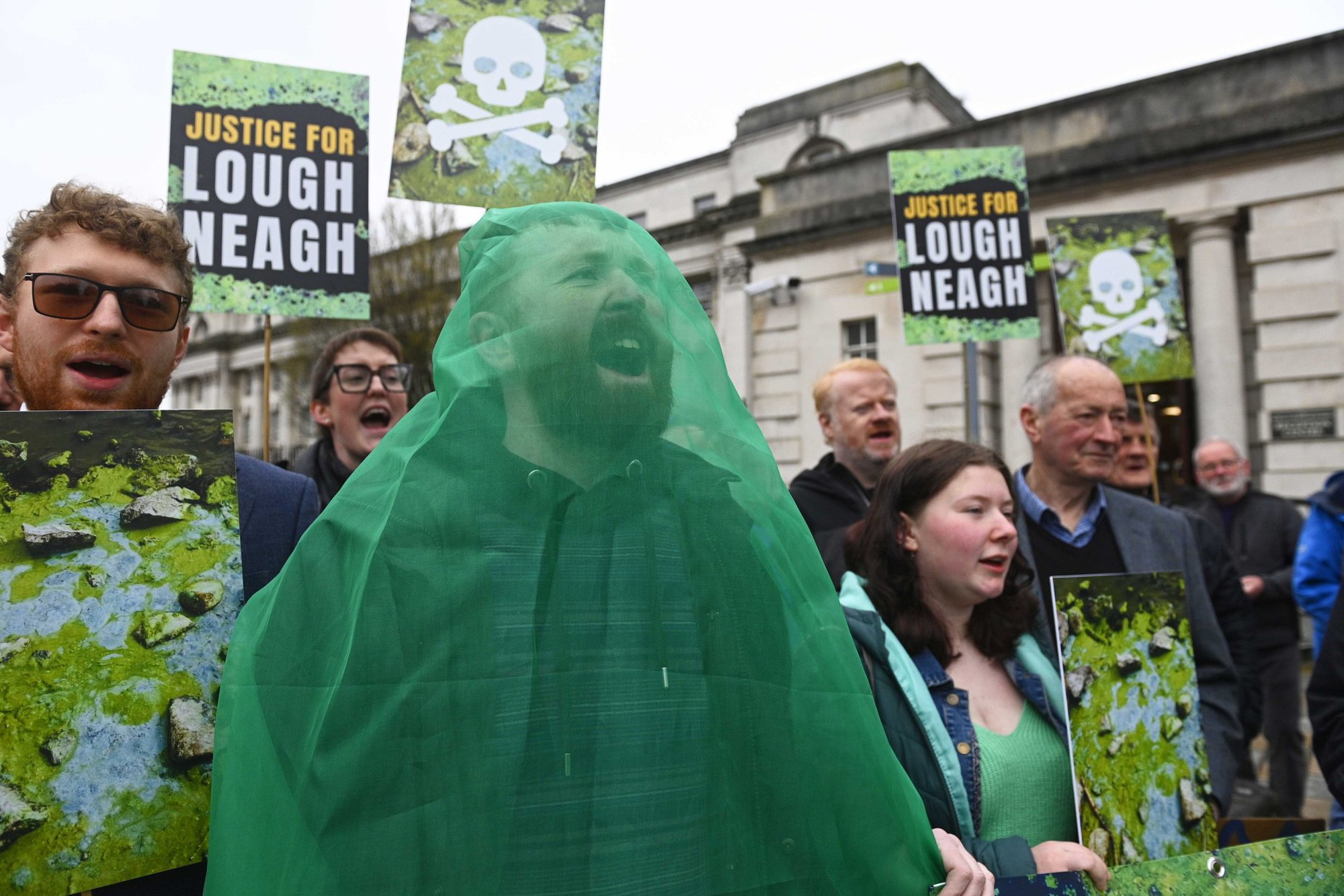
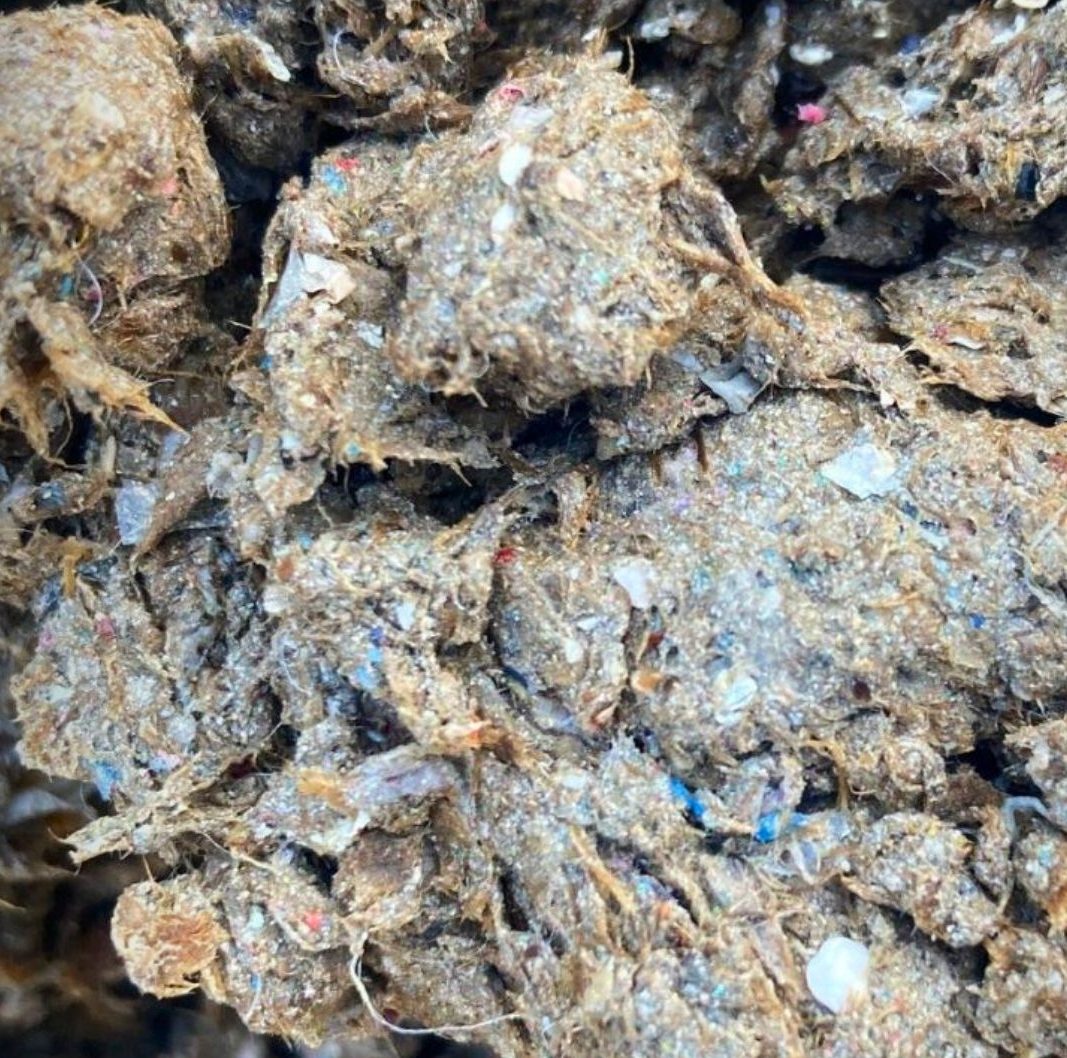
High Court ruling adds weight to challenge to intensive poultry unit in Shropshire 

Download PDF

A judicial review case supported and funded by campaign group River Action as part of its drive to limit the uncontrolled growth of large-scale intensive poultry production farms has been strengthened by an important High Court ruling this week.

A judge has allowed further grounds to be added to the claim brought by River Action advisory board member Dr Alison Caffyn. It is challenging Shropshire County Council’s planning permission for the construction of a large-scale intensive poultry unit.

Granting permission, the judge said that there is ‘wider interest’ in the court hearing the extra two grounds at the substantive hearing due in the coming months, and emphasised that it would be helpful to have the court’s authority on the issues raised.

The case is now set to be heard on four grounds when it is presented to the High Court at a hearing in March or April 2025.

The legal action aims to stop the spread of intensive poultry production in Shropshire and the River Severn catchment area, and is part of a nationwide campaign by River Action to prevent river pollution caused by intensive agricultural practices.

An application for the poultry production unit by developer LJ Cooke & Son was approved by Shropshire Council in May 2024 after it had initially been rejected, with the site located north-west of Shrewsbury at Felton Butler.

In July 2024, a legal challenge opposing the poultry unit was launched by Dr Caffyn, who lives in Shropshire and is a member of River Action’s advisory board.

The case argues that the decision to grant permission failed to account for the cumulative impact of the rapid and uncontrolled increase of intensive poultry units being constructed within specific river catchments. It is argued that the effect of spreading manure and the emissions from burning biomass is causing severe concentrations of river and air pollution.

Following the recent severe pollution of the neighbouring catchment of the River Wye, which is believed to be because of the expansion of intensive poultry production, the case argues that the catchment of the River Severn is now being subject to similar environmental threats.

Follow the High Court ruling, the expanded grounds being argued in the March judicial review hearing are:


  • A failure to assess the effects of spreading manure and the emissions from burning biomass, which as indirect effects of the development, needed to be assessed.
  • A failure to impose a lawful planning condition on manure processing that would mean that the development would not cause groundwater pollution.
  • A failure to carry out a lawful appropriate assessment as required by the Habitats Regulations to ensure that the development would not adversely affect the integrity of a designated protected habitat – an area with special status due to its natural importance.
  • A breach of regulation 9(3) of the Habitats Regulations, which requires the council to take steps to avoid the deterioration of protected habitats.


The first two grounds were given permission in October 2024, with permission for the third and fourth grounds being given permission at a hearing in February 2025.

The proposed poultry unit would house 200,000 birds and include four poultry rearing buildings each over 100 metres long, as well as a biomass store with boilers. It would be located 400 metres from an existing poultry site, which is thought to hold nearly 500,000 birds.

Permission for the unit was initially refused after Natural England advised that three nearby protected sites, Shrawardine Pool, Lin Can Moss and Fenmere, could be impacted by aerial pollutants.

Council officers also raised concerns over the lack of detail on how the development would handle chicken manure without an anaerobic digester – a large sealed vessel used to break down organic materials.

However, the plans for the development were approved after LJ Cooke & Son proposed exporting manure to a third party anaerobic digestion unit.

Chairman and founder of River Action, Charles Watson, said:

“Like an appalling car crash in slow motion, exactly the same set of tragic events is now unfolding in catchment of the River Severn as has happened recently in the neighbouring catchment of the River Wye. We believe the waving through of permission for ever more giant intensive poultry units by Shropshire County Council is environmentally reckless. We are determined to do whatever it takes to support this critically important legal claim to end the ecocide which we say is being perpetrated upon our most iconic rivers by uncontrolled intensive agricultural practices.”

Dr Alison Caffyn said: 

“It’s really encouraging that the two extra grounds have been approved. We’re looking forward to demonstrating next month how inadequate Shropshire Council’s processes have been in granting planning permission for this industrial chicken operation. Shropshire has some really special countryside and habitats and local people need to be sure that the Council is protecting these and the River Severn catchment”

Leigh Day environment solicitor Ricardo Gama said: 

“Our client is delighted that the court has allowed two further grounds to proceed to a full hearing. This means that the hearing will now encompass the detrimental impact our client says the poultry unit will have on nearby protected habitats, as well as from the negative effects of pollution from manure and burning biomass. We look forward to arguing the case in the High Court, as part of River Action’s wider campaign to protect rivers from pollution caused by intensive agricultural activity.”

ENDS

River Action to sue Ofwat over water bill rises

Download PDF


WHAT IS OUR LEGAL CHALLENGE AGAINST OFWAT?

Our legal challenge focuses on funding allocated for wastewater treatment works and pumping stations by United Utilities in and around Lake Windermere.

The case is being taken after detailed investigations were carried out by Save Windermere and Windrush Against Sewage Pollution, which revealed significant and systemic flaws in Ofwat’s approach.

We’re taking legal action to compel Ofwat to reassess its PR24 determination for United Utilities in relation to Windermere and to encourage Ofwat to reassess other water company schemes wherever there are concerns that customers are unfairly covering the cost of past failures.


WINDERMERE: A DAMNING EXAMPLE OF REGULATORY FAILURE

United Utilities, currently under fire after evidence obtained by Save Windermere, revealed 6,000 hours of raw sewage was discharged into Windermere last year, and is a case in point. We have commenced legal action claiming Ofwat has allowed the company to divert funds meant for future projects to deal with past failures—rather than investing in vital improvements to wastewater treatment and pumping stations around the lake.


A SYSTEM RIGGED AGAINST THE PUBLIC

We believe Ofwat has acted unlawfully by approving these funds without ensuring they are spent on genuine improvements to essential infrastructure. Instead, this so-called ‘enhanced funding’ is being allowed to be used to cover up years of failure.

Effectively, Ofwat has signed off on a broken system where customers are being charged again for services they have already funded—while water companies continue to mark their own homework and pollute for profit. This scandal must be addressed. The cost of fixing the UK’s crumbling water infrastructure should fall on the companies and their investors—not on the British public.

We are calling for immediate regulatory action to ensure water companies stop passing the cost of failure onto customers—and start taking responsibility for the environmental damage they have caused.

High Court ruling declares farming manure as ‘waste’ in major victory for River Action in its fight against industrial-scale poultry production in Wye Valley

Download PDF

Landmark court ruling declares farming manure as ‘waste’ in major victory for River Action in its fight against industrial-scale poultry production in Wye Valley and exposes the failure of a regulatory regime that has failed to protect the environment


In a huge boost for River Action’s campaign against industrial scale poultry production, the High Court has today ruled that chicken manure can be classified as ‘waste’ and a council was entitled to require it to be disposed of under council waste rules. The Judgment has huge implications for handling manure on farms everywhere.

Pollution from agriculture, much of it from manure from animals on farms, is the biggest source of water pollution in the UK.

Following the adoption of Herefordshire County Council’s (HCC) Minerals and Waste Local Plan (MWLP) in March 2024, the National Farmers Union (NFU) mounted a judicial review challenge arguing that manure produced by agricultural developments like intensive Poultry Units (IPUs) is an agricultural “by-product” and should not be classified as ‘waste’ under the Waste Framework Directive (WFD). Before the court, the NFU did not dispute that chicken manure is the main source of nutrient pollution causing an ecological crisis in the River Wye. But it still argued that none of the controls on waste handling should apply and that HCC could not deal with it through a policy (policy W3) its MWLP.

In its intervention, River Action said environmentally damaging algal blooms in the River Wye have arisen as a result of livestock manure causing excessive phosphates to build up in the soil, which then runs off and leaches into waterways.  River Action argued that manure should be classified as ‘waste’ at least until its point of use under the WFD, and that controls need to be in place to ensure that waste producers take responsibility for disposing of waste in a lawful way.

The Hon Mrs Justice Lieven agreed that it cannot be assumed that manure will be used in an environmentally safe way. She then agreed with River Action that, given the environmental problems caused by chicken manure in the Wye catchment area with narrow and specific exceptions, manure is ‘waste’ in law up to the point it is sold or transferred to a third party. This means that chicken producers in Herefordshire will have to provide a detailed plan at the planning application stage to ensure chicken manure can be disposed of safely, including full transparency on the manure’s destination and application. They cannot rely on wastewater rules monitoring.

The judge also comprehensively rejected the NFU’s argument that HCC had to assume that the Farming Rules for Water (FRfW) – which regulate the spreading of manure on fields – were operating effectively to combat water pollution, so that no harm would be caused to the Wye by additional chicken manure – when all parties accepted that that was not the case. She observed that the FRfW are “a regulatory regime which beyond any doubt had failed to protect the environment from harm” and that HCC was justified in adopting a policy that recognised the FRfW were failing to operate effectively.

That is a clear win for common sense and realism given that historically developers often argue in planning cases that environmental consequences will be dealt with by other regulatory regimes, and so should not be the subject of planning controls.  The judge was clear that planning authorities did not have to make any such assumption, where there was clear evidence that other regimes were failing, as is all too often the case.

River Action chair Charles Watson said:

”This historic court ruling marks a major victory both for the River Wye and rivers generally across the nation and it exposes yet another attempt by the NFU to push back on important initiatives intended to end the blight of agricultural pollution in our rivers. 

We believe the ruling clarifies once and for all that the intensive factory production of livestock is clearly an industrial manufacturing process, whereby the often-toxic waste that it produces must be treated as such. 

This landmark ruling should set a vital precedent not just for other planning authorities to embed similar enhanced protections into all planning applications for livestock production developments. It also demonstrates that our environmental regulators need to now take urgent action to enhance pollution regulations to reflect the serious threat that intensive livestock production clearly poses to the health of our rivers.”

River Action was represented by Carol Day, Ricardo Gama and Julia Eriksen of Leigh Day and David Wolfe KC (Matrix Chambers) and Peter Lockley (11 King’s Bench Walk).

Leigh Day environment team solicitor Carol Day said: 

“The NFU sought to challenge common-sense policies in the Minerals and Waste Local Plan requiring new poultry units to have a detailed plan for disposing of chicken manure on the basis that the manure is not waste in law and therefore not covered by the MWLP.

“The judge resoundingly agreed with River Action that chicken manure is classified as ‘waste’ in law. This judgment vindicates HCC’s approach and is a victory for the River Wye and the wider environment.”

This means that people proposing new Intensive Poultry Units in Herefordshire will need to put in place proper arrangements for dealing with the huge volumes of manure that is produced. The judgment should also now mean that proper environmental controls are put in place across the country to oversee the production and handling of manure from animals on farms.”

—ENDS–

You can read the full judgment from the High Court, here.

Ofwat ‘acted unlawfully’—forcing customers to pay twice for failures, say campaigners

Download PDF

Environmental group River Action has accused Ofwat of acting unlawfully by using recent, significant bill hikes to cover past infrastructure failures—forcing customers, rather than investors, to foot the bill for decades of neglect. This is despite Ofwat having committed to put in steps to prevent customers paying twice.

Instead of funding essential new water and sewage projects, these price rises—approved in last year’s Ofwat price review—could be being misused to fix long-standing issues that should have been addressed years ago. This means there is nothing to stop customers from being charged twice to clean up an environmental disaster in the nation’s rivers, seas and lakes caused by chronic underinvestment in Britain’s water infrastructure.

River Action’s legal challenge against Ofwat

River Action has taken the first step in a legal challenge against Ofwat, on the basis it acted unlawfully in its Price Review 2024 (PR24) determination for United Utilities. The challenge focuses on funding allocated for wastewater treatment works and pumping stations in and around Lake Windermere.

River Action argues that Ofwat unlawfully approved ‘enhanced funding’ from customers without a mechanism to ensure the money will be used solely to improve sewerage services; rather than bring services into compliance when that should have already happened under past schemes. This means there is nothing to stop customers paying twice for services that have not yet been delivered.

This follows detailed investigations by campaign groups Save Windermere and Windrush Against Sewage Pollution, which exposed significant and systemic flaws in Ofwat’s approach.

River Action is taking legal action to compel Ofwat to reassess its PR24 determination for United Utilities in relation to Windermere and to encourage Ofwat to reassess other water company schemes wherever there are concerns that customers are unfairly covering the cost of past failures. However, River Action is not calling for PR24 to be overturned or for investment levels to be reduced, recognising the urgency and importance of increased investment in Windermere and elsewhere.

Windermere: A damning example of regulatory failure

United Utilities, currently under fire after evidence obtained by the campaign group Save Windermere, revealed 6,000 hours of raw sewage was discharged into Windermere last year, and is a case in point. River Action has commenced legal action claiming Ofwat has allowed the company to divert funds meant for future projects to deal with past failures—rather than investing in vital improvements to wastewater treatment and pumping stations around the lake.

Campaigners warn that millions of pounds intended for infrastructure upgrades may be used to patch up outdated and crumbling water and waste systems—exacerbating the pollution crisis in England’s largest and best-known lake.

A system rigged against the public

River Action believes this problem extends far beyond a single water company. Under PR24 (Price Review 2024), Ofwat has likely permitted other firms to operate in a similar way—leaving billpayers to pick up the tab for failings that should have been fixed with previous funding.

Emma Dearnaley, Head of Legal at River Action, said:

“We believe Ofwat has acted unlawfully by approving these funds without ensuring they are spent on genuine improvements to essential infrastructure. Instead, this so-called ‘enhanced funding’ is being allowed to be used to cover up years of failure.

“Effectively, Ofwat has signed off on a broken system where customers are being charged again for services they have already funded—while water companies continue to mark their own homework and pollute for profit.

“This scandal must be addressed. The cost of fixing the UK’s crumbling water infrastructure should fall on the companies and their investors—not on the British public.”

Leigh Day solicitor Ricardo Gama said:

“Ofwat has said again and again in public that it won’t let price rises be spent on fixing historic issues which are leading water companies to breach their permits. They’ve said in black and white terms that customers won’t be expected to pay twice. But in documents seen by River Action it looks like Ofwat hasn’t done its homework in checking whether the money it’s letting United Utilities take from customers will actually be used for that purpose. River Action believes that this is reflective of a broader lack of due diligence by Ofwat over the decades, which has led to money not being spent on infrastructure improvements and instead being diverted to investors’ pockets.”

River Action is calling for immediate regulatory action to ensure water companies stop passing the cost of failure onto customers—and start taking responsibility for the environmental damage they have caused.

ENDS

Campaigners demand Nando’s go public with promised audit of chicken suppliers harming UK rivers

Download PDF

Campaigners have welcomed Nando’s decision to carry out an independent audit of the environmental impact of its chicken supply chain in response to growing evidence of the ecological damage being caused to UK river catchments by the unsustainable disposal of the millions of tons of animal waste produced by chicken factory farms. However, they are also calling on the company to go further in ensuring full transparency and accountability and have written to Nando’s with their demands.

In a letter to the CEO of Nando’s Mark Standish, environmental campaign group River Action, alongside public figures including Dame Joanna Lumley, Hugh Fearnley-Whittingstall, Chris Packham, Dominic West, Jo Brand, Mya-Rose Craig, Paul Whitehouse, Robert Plant, Robert Macfarlane, Johnny Flynn, Jim Murray and George Monbiot, have urged the restaurant chain to take stronger action. They have asked specifically that the company commits publicly to two key actions:

  • Environmental Leadership: Commit publicly to the protection of Britain’s rivers as a core pillar of its sustainability policies. These commitments must demonstrate rigorous standards to ensure that the vast quantities of potentially toxic chicken manure produced by Nando’s supply chain is managed in an environmentally responsible manner; and does not cause further diffuse pollution of UK river catchments.
  • Timely Transparency: Publish the full findings of the promised supply chain audit in full no later than three months from now, allowing consumers to make informed decisions about the brand’s procurement  practices.

Huge public interest

The campaign, coordinated by River Action, has sparked huge interest on social media, with fans engaging in conversations and amplifying the discussion. A social video post by activist-actor Jim Murray (The Crown, Masters of the Air) standing waist-deep in the River Wye, dressed in a sharp business suit and calling on Nando’s to stop polluting Britain’s rivers, has gone viral—so far amassing more than 4.5 million views. His powerful message has further fuelled public debate, putting increased pressure on the brand to respond.

These demands come as recent YouGov BrandIndex UK data revealed a sharp decline in customer satisfaction with Nando’s following the exposure of its river polluting supply chains.

River Action’s Head of Campaigns Amy Fairman said, “Factory-farmed poultry is wreaking havoc on Britain’s rivers, polluting vital waterways like the River Wye. But brands like Nando’s have the power and the responsibility to drive change. By demanding stricter environmental standards from their suppliers, they can help protect our rivers.

“Nando’s recent commitment to an independent audit is a step in the right direction, but transparency and accountability must follow. Now is the time for bold action. We urge Nando’s to lead the way, commit to protecting rivers, full transparency in their promised audit, and hold suppliers to the highest environmental standards. Our rivers can’t wait—will Nando’s rise to the challenge?”

Hugh Fearnley-Whittingstall, environmental campaigner and chef, added: “It’s encouraging to see Nando’s taking steps to investigate its supply chain, but true leadership means full transparency and a commitment to real change. Consumers deserve to know that their food choices are not contributing to environmental harm, and Nando’s has the power to set a new industry standard by holding their suppliers accountable.”

ENDS

Notes to editor
River Action met with Nando’s Chief Operations Officer, Head of Sustainability and Head of Reputation and Communication on 13 February to discuss concerns about their supply chain’s impact on UK rivers.Actor activist Jim Murray’s social video post has so far been viewed more than 4.5 million times. Breakdown:

  • Instagram: 2,700,000
  • TikTok: 1,800,000
  • LinkedIn: 61,000
  • X: 26,000
  • Facebook: 2,500


Dr Alison Caffyn: “Chicken farm… or factory?”

Download PDF

I have had to address this question twice in the last week. Both times I was chatting with people from conservation charities in Shropshire about the environmental impacts of intensive poultry operations locally. Both times the individual expressed sympathy with chicken farmers – along these lines: “It’s been so difficult for family farms in the last few years; what with low farm gate prices, huge shifts in support mechanisms and challenging climate changes. One has to symphathise if they feel their only option is to put up a chicken shed or two.” Each time I have tried to rebalance their perceptions of a typical ‘chicken farm’ in this area.

Firstly, it is true, there are some operations which fit the above description, particularly on and over the Welsh border. Small, one shed, free range egg units with, commonly, 16,000 birds operating in upland landscapes, diversifying from unprofitable sheep or cattle businesses. There are even some older chicken operations producing a few thousand organic and free range birds for the local market – but these are few and far between. The vast majority of intensive poultry units have capacity for 30-90,000 hens or many hundreds of thousands of broiler (meat) chickens.

When I interviewed farmers and land agents in Shropshire and Herefordshire for my research we discussed farmers’ motivations for going into poultry. I even developed a typology. The five ‘types’ included the ‘desperation factor’ described above. But there were also: older, large, well-established broiler operations – some dating back to the start of the industry in the 1960s and some still owned by the chicken processing company (Cargill). There were many large farms which diversified into poultry in order to support other farm enterprises. There were several large estates developing poultry as a new venture (for tenants) and finally, a few cases where investors had made speculative land purchases in order to set up a new poultry operation.

Some older sites have been expanded in stages over the decades with some IPUs now having 10-16 ‘sheds’ and up to a million birds. I was told the average return on investment (of about £500,000 per shed at the time) was ten years. Sooner, if the site installed biomass boilers and the like to receive generous Renewable Heat Incentive payments. Some IPUs were making substantial annual profits.

I’ve done a bit of number crunching to check my facts. The average size of all 150 odd IPUs in Shropshire is 131,000 birds. Broiler units are larger on average, housing around 200,000 birds per four sheds. Egg units are generally smaller averaging 83,000 hens – but that includes both several units with only around 4,000 birds and one large egg operation with nearly 2 million.

I have walked close to or through many IPUs in Shropshire and Herefordshire and spent more hours than I care to admit poring over satellite imagery of all the others. Most don’t look or sound or feel or smell like a farm. The brooding 100m long sheds, the acres of concrete, sickly reek and eerie stillness are not what you would expect on most farms. The operation is overseen on the site manager’s laptop or phone. There is a periodic rattle of feed being pumped along automatic feeding tubes. There will be someone who walks through each shed once a day to pick up the dead birds. Until, after six weeks, the lorries arrive to take the birds away to the processing factory.

You get the picture. And that picture is more factory than farm. An agricultural factory, in a rural location. But not a farm. And, indeed, many farmers say exactly this themselves.

We need to take this growing diversity of agricultural operations into account when addressing the impacts of the industry. No one want to accuse all farmers of environmental harm. Many are doing amazing, progressive things to transition towards more sustainable farming systems. Only a small percentage of farms locally have intensive livestock operations, but their environmental impacts far outweigh those that do not. But out of date perceptions and misplaced sympathy are not helpful – although they are often promoted by farming lobbyists.

Dr Alison Caffyn – River Action Advisory Board member

‘A National Scandal’: High Court greenlights Thames Water’s £3bn bailout amid financial and environmental ruin

Download PDF

Responding to the High Court’s decision to approve Thames Water’s £3bn rescue plan— in a legal case in which neither DEFRA nor OFWAT opted to participate —River Action chair and founder Charles Watson said:

“This national scandal is a disaster for Thames Water bill payers and the environment. Instead of recognising now is the time for a special administration of Thames Water, the decision saddles customers with the responsibility for funding billions of junk-rated debt while its executives, investors and shareholders escape responsibility. Customers will now bear the brunt of massive interest payments through higher water bills, paying for corporate failure while our rivers remain choked with sewage.”

“We are extremely surprised that neither the Government nor the water regulator, Ofwat, chose to give evidence in court to support the public interest—leaving it instead to Charlie Maynard MP and campaigners Windrush Against Sewage Pollution to represent us.

“The Government cannot stand by and allow this reckless bailout to continue. It must step in, take back control of Thames Water, and put an end to years of environmental destruction and financial mismanagement – ahead of the even more expensive restructuring that Thames Water has planned.”

“The public’s outrage, as seen at the recent March for Clean Water, makes it clear—people have had enough. The Government must not only take back control of Thames Water but also pass the strongest possible Water Bill to ensure polluters pay and our rivers are properly safeguarded. The Government must recognise that clean rivers and healthy communities aren’t a barrier to economic growth—they enable it.”

“Your chicken is killing our rivers”: British icons take on Nando’s over supply chain

Download PDF

A group of high-profile figures—including celebrities, musicians, comedians, and campaigners such as Paul Whitehouse, Jo Brand, Joanna Lumley, Chris Packham, Liz Bonnin, George Monbiot, Johnny Flynn, Dominic West, Jim Murray, and Hugh Fearnley-Whittingstall—have united to pressure Nando’s to take responsibility for its environmental impact. They are calling on the restaurant giant to clean up its supply chain and tackle its contribution to severe river pollution.

In an open letter, high profile names, backed by environmental groups River Action, The Rivers Trust, Friends of the Wye, and the Angling Trust, have challenged Nando’s sustainability credentials, citing their links with suppliers that are “killing our rivers”.

The River Wye, once voted the nation’s UK’s favourite river, is on the brink of ecological collapse due to pollution primarily caused by intensive farmingTens of millions of chickens are factory-farmed in the region, whose waste is poisoning local waterways and destroying vital wildlife habitats. Despite Nando’s insisting that ‘sustainability isn’t just a buzz word’, their supply chain is part of this environmental disaster.

The signatories’ urgent ask:

The coalition’s ask is simple: Nando’s must do for river protection what they did with their Better Chicken Commitment. They’re calling on the restaurant chain to design and implement a sector-leading plan to protect Britain’s rivers in their sustainability policy; no more PR speak, just real action.

Renowned naturalist and presenter Chris Packham highlighted the urgency, “If Nando’s wants to position itself as a sustainable and ethical company, it cannot ignore the environmental catastrophe in its supply chain. The Wye is dying, and companies profiting from its destruction must take responsibility.”

River Action’s Head of Campaigns Amy Fairman said, “The Wye River is on the brink of ecological collapse, and companies like Nando’s have a moral responsibility to ensure their supply chains are not driving this destruction.”

Liz Bonnin said, “If Nando’s truly cares about sustainability, it must act now to cut ties with polluting suppliers and set an example for the industry. Anything less is greenwashing.”

The coalition is calling on Nando’s to back up its words with real action, demanding immediate transparency and concrete steps to protect the environment. Their open letter—available for download here—urges the company to honour its advertised values and take meaningful responsibility for its supply chain’s impact.

Notes to Editors:

  • After public pressure over river pollution, Nando’s quietly removed references to their suppliers from their website. In their place, they published a new webpage about their connection to the River Wye that presents a misleading picture of their supply chain impact – one supplier amounts to many tens of farms and millions of chickens. The page makes vague claims about policies and waste management, while failing to address where the waste ends up and the core issue of intensive chicken farming’s contribution to phosphate pollution in the Wye catchment.
  • The Wye River catchment area has been subjected to significant ecological harm due to intensive poultry farming, with rising levels of phosphorus pollution leading to toxic algal blooms and the collapse of aquatic ecosystems.
  • Nando’s publicly advertises its commitment to sustainability and ethical sourcing, but questions remain about its adherence to these principles.

Dr Alison Caffyn: “We need Shropshire Council to stop allowing ever more levels of unsustainable industrial agriculture in Shropshire.”

Download PDF
Dr Alison Caffyn at the River Teme

It’s been an interesting start to 2025 as someone with my name on a current judicial review against a proposed new ‘chicken shed’ in Shropshire.….

First, both Steve Reed and Daniel Zeichner, perhaps panicked by angry farmers, say planning processes will be made easier for farm developments, so farmers can grow their businesses by putting up new ‘chicken sheds’. Then, Keir Starmer announces that judicial review (JR) rules will be amended to make it more difficult for NIMBYs to block and delay developments. Both announcements seem to be part of Starmer and Rachel Reeves’ growth agenda being pushed across all government departments.

To take the JR point first, I’m no legal expert but as I understand it you already have to prove there is a case to answer at the start of the process. It’s already a tough road to go down, with only a small proportion of cases being successful. So I’m not sure making it more difficult is necessary – maybe the announcement was just sending a pro development signal. With the case River Action and I are taking against Shropshire Council the judge agreed there was a case to answer on several grounds in our argument that Shropshire Council had inadequately assessed the environmental impacts of the proposed Intensive Poultry Unit (IPU).

It is unfortunate that citizens must take their local planning authority to court to stop more and more IPUs spreading across the landscape. But Shropshire Council has approved 64 applications for around 120 additional ‘chicken sheds’ housing over 5 million birds in the county in the last 10 years, taking the total chickens in the county to over 20 million at any one time. That’s 64 chickens per resident and maybe ten
times the amount of chicken poop than human poop.

Despite objections from local communities and businesses the Council continues to grant permissions without properly assessing the cumulative impacts of this industrial scale agriculture on air and water quality. That’s before you factor in risks such as antimicrobial resistance and bird flu. (Shropshire’s biggest IPU has had to cull two million birds in an outbreak this month.)

And that’s why it’s alarming to hear ministers suggesting government policies should support more ‘chicken sheds’ and make it easier to build them. There are many parts of the UK that are well beyond saturation point with intensive livestock farming. The River Wye catchment has proved the point and Shropshire, Lincolnshire, East Anglia, parts of Yorkshire and Northern Ireland are all on, or over, the brink of the same situation. Building more intensive livestock units will lock the UK even further into an industrial agriculture system, controlled by global multinational corporations, producing cheap but unhealthy food at the cost of nature, climate and communities.

And the crazy thing is we don’t even need more ‘chicken sheds’. The UK is already 90% self-sufficient in chicken and eggs. In fact, if we follow the advice of the Climate Change Committee and the National Food Strategy, we should be reducing meat consumption by 30%.

This type of agriculture is unsustainable and simply generates profits for supermarkets, fast food chains and global commodity giants. By all means make the planning system simpler and reduce the need for citizens to challenge planning decisions, but I would suggest doing it by developing clearer guidelines on, for example, how close IPUs can be built to neighbours, to watercourses and to other IPUs. In fact, why not introduce a moratorium on more IPUs in some areas? That would save everyone time and money!

If would be helpful if government policy focused on encouraging green growth and the types of farming that produce healthy food, boost local economies and help address our climate and nature crises.

– Dr Alison Caffyn, River Action Advisory Board member

Campaigners urge government control of Thames Water, warning Mayor of London swimmable Thames a ‘pipe dream’ under polluting for profit utility

Download PDF

As Thames Water’s top brass meet with the Greater London Authority to explore ways to make the capital’s waterways swimmable, the failing utility is simultaneously seeking High Court approval for a £3 billion rescue plan—prompting campaigners to demand that the Government take back control of the water company.

They warn that “a swimmable Thames is a pipe dream with Thames Water in tatters” and reveal dangerously high levels of E. coli were detected last week near to the site of today’s London Assembly meeting, underscoring the urgent need for accountability and action.

Giving evidence at today’s public hearing is CEO of River Action James Wallace. He says, “We applaud the Mayor of London for his bold and commendable actions aimed at making London’s waterways swimmable. His commitment to ensuring cleaner, healthier waterways for Londoners demonstrates strong leadership that will benefit generations to come. We have seen him take a firm stand against corporate interests pushing for a third runway at Heathrow due to air pollution concerns—now we need him to double down on tackling the water pollution crisis by standing up to yet more corporate polluters.

“Let’s be clear, until Thames Water is held accountable as the main polluter of the River Thames and made to invest in clearing up the mess of decades of profiteering and polluting, nothing will change and the Mayor’s ambition will remain a pipedream.

“As evidenced by soaring levels of debt and sky high interest rates, the privatisation experiment has failed. The only solution is for the Government to take back ownership of Thames Water and write off the bad debt that stains customer bills and the river. We call upon the Mayor of London and the Greater London Authority to pressure the Government to put Thames Water in special administration and restructure its finances prioritising the  people and the environment, not private profit.”


Revealed: 2025 sewage discharges and E.coli testing on the Thames


Since the start of 2025, Thames Water has dumped at least 784 hours and 58 minutes of sewage directly into the Thames, from its source at Cricklade to its mouth at Long Reach—wreaking havoc on vital ecosystems and endangering public health.

Now campaigners can reveal that last week water quality testing by River Action citizen scientists using a Fluidion World Health Organization WHO accredited verified E.Coli analyser, found dangerously high levels of pollution from sewage pollution along the River Thames at Greenwich near to today’s Assembly meeting. Between January 27 and January 31,  River Action conducted eight water quality tests and found levels of E.coli up to 15 times higher than the Environment Agency considers the minimum acceptable level for designated bathing waters. The levels found were far in excess of what is considered ‘safe’ by the environmental regulator.

Protest led by Friends of the Thames Friends of the Thames, a newly formed not-for-profit seed-funded by River Action and directed by clean river advocate Laura Reineke, today leads a protest outside of the public hearing on making the Thames a swimmable river.

From 9am, paddlers, swimmers, rowers and community groups will demand a cleaner, healthier capital river for all; pointing the finger at Thames Water for persistent and often illegal discharges of sewage that pose a serious threat to human health, water security and wildlife.

Laura Reineke, co-founder of Friends of the Thames, said: “The Thames is more than just a river; it is an iconic symbol of our country and provides the water that sustains our capital’s economy. Its persistent pollution is unacceptable, and Friends of the Thames is here to ensure that action is taken, and promises are kept.  We as a country have become disconnected from our nature and countryside; I’d love to see all communities reconnect with the Thames, and foster a love for her that flows through generations to come.

“We will present Thames Water’s representative with a vial of river water—a stark reminder that their duty is to protect the Thames, a living, breathing river they are suffocating with raw sewage.”Wildlife biologist and broadcaster Liz Bonnin added, “I join River Action in calling for the Mayor of London to hold Thames Water to account for decades of unchecked pollution in the name of profit, devastating this important riverine ecosystem and threatening public health. The company’s plans to increase customer bills, despite paying out £158.3 million in dividends last year alone, speaks volumes. We must make the polluter pay and transform the industry so that it serves people and the planet, as it always should have.”


ENDS

  Notes to editor

  • Between January 27 and January 31, River Action conducted 8 tests on the River Thames at Drawdock Slipway, Greenwich. Tests results indicate an average of 8,233 E.coli colony forming units (CFU) per 100ml of water. To meet bathing water quality standards, this level should be below 900 CFU per 100ml to meet the lowest water quality deemed safe for swimming. Our highest recorded spike reached 15,000 CFU, more than fifteen times the acceptable limit.
  • Dedicated to uniting communities along the Thames, Friends of the Thames will advocate for 1) restoration; 2) hold polluters accountable; 3) build a citizen science network to monitor water quality from source to sea.
  • Friends of the Thames will connect communities from source to sea and closely monitor the Mayor of London’s commitment to delivering on promises to clean up the capital’s lifeblood river. The grassroots campaign group will build alliances with river users across the Thames catchment, spanning urban areas and the commuter belt. It will bring together existing citizen scientists and data and establish a network of new citizen scientists to fill in any gaps from the source of the nation’s capital river in Gloucestershire to the Thames Estuary at Southend-on-Sea.
  • Friends of the Thames will reach out to councils across the Thames catchment area, inviting them to sign a Rights of the River Thames  embedding the rights of the Thames as a valuable and irreplaceable ecosystem, and giving the river a voice. This pledge will emphasise the shared responsibility of communities, authorities, and corporations to protect the nation’s capital river for future generations, and begin the process of changing the way we interact with the river, from using and over managing her, to a living, breathing artery that feeds us and the nature that calls her home.


For more information, please contact Laura Reineke friendsofthethames@gmail.com, 07989396210 .

  • High-resolution images and interviews are available upon request.
Privacy Overview

This website uses cookies so that we can provide you with the best user experience possible. Cookie information is stored in your browser and performs functions such as recognising you when you return to our website and helping our team to understand which sections of the website you find most interesting and useful.