Andy Burnham’s talked about taking back control of failing utilities – now’s his chance
By James Wallace, CEO at River Action
A new chapter in British politics
Andy Burnham’s arrival in Downing Street today marks the beginning of a new chapter in British politics. But it could also mark something even more significant: the beginning of the end of England’s failed experiment with shareholder-first water companies. For the first time in decades, a Prime Minister has entered office having explicitly argued for greater public control of England’s water industry. Those words now carry the weight of Government. They also come at a moment when public confidence in the privatised water model has all but collapsed.
Our rivers are polluted. Bills continue to rise. Infrastructure is crumbling. Companies have accumulated vast debts while paying billions to shareholders, creditors and executives. The promise of privatisation, that private ownership would deliver investment, efficiency and better outcomes for customers and the environment, has failed. The public knows it.
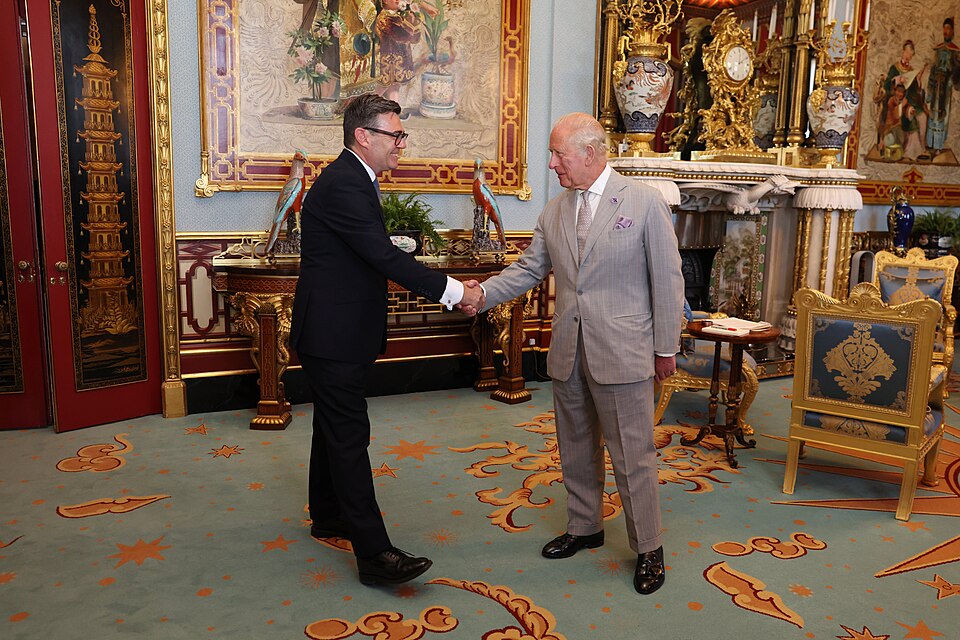
Prime Minister Andy Burnham arrives at 10 Downing Street. Picture by Lauren Hurley
Public opinion has reached a tipping point
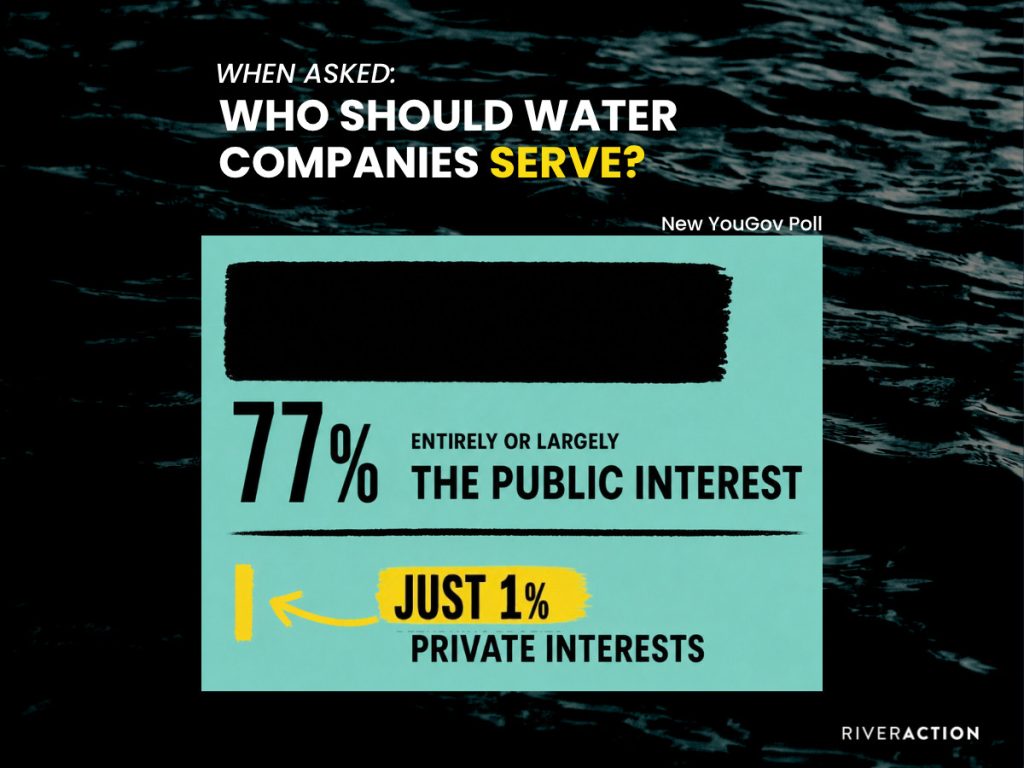
New YouGov polling reveals an extraordinary consensus. Just one per cent of the British public believes water companies should put shareholders or private interests first. By contrast, 77% believe they should operate entirely or largely in the public interest.
It is an overwhelming rejection of the very purpose the industry has been allowed to serve for more than three decades. The message becomes even clearer when people are asked how water companies should use their profits. Only 1% think they should be returned to investors. Instead, people want profits reinvested into the things that actually matter: fixing leaking infrastructure (44%), reducing customer bills (28%) and improving environmental performance (17%), a major part of this being restoring the health of our rivers.
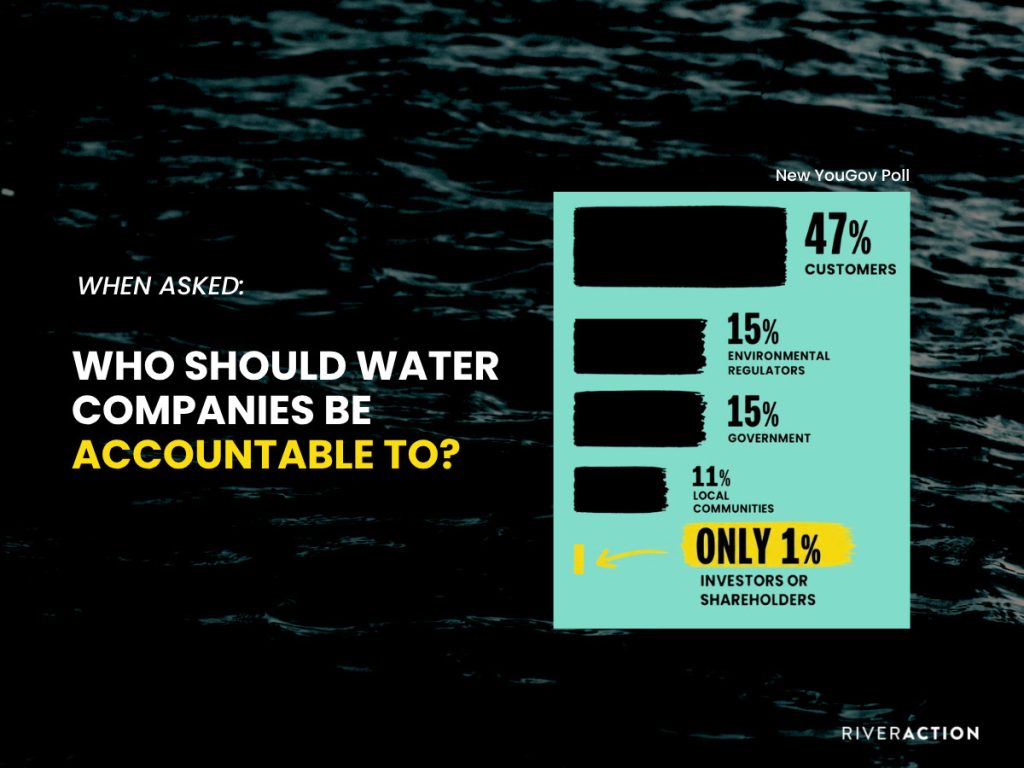
When asked who water companies should be accountable to, nearly half (47%) chose customers. Just 1% chose investors.
These findings confirm what campaigners have been seeing for years, and what became impossible to ignore in the run-up to the 2024 General Election, the nationwide mobilisation at the March for Clean Water in November 2024, and the collective efforts of activists across the country. Public understanding has caught up with the reality: people want water companies that serve communities and nature, not investors.
Only 1% of respondents said Water companies should be accountable to investors or shareholders.Source: YouGov Poll, July 2026
Burnham’s first major opportunity to answer that question may come sooner than expected
Thames Water remains in deep financial distress while continuing to preside over repeated illegal pollution and environmental failures. If as Prime Minister, Burnham puts the ailing firm into a special administration regime (SAR) that will allow services to keep running until a buyer can be found, as was reported yesterday he is considering, the government will have a once-in-a-generation opportunity to do far more than simply stabilise its finances.
It could redesign England’s largest water company around a different purpose: serving customers, protecting rivers and investing for the long-term, rather than maximising financial returns for faceless investors.
That does not mean returning to the underfunded and poorly regulated nationalised water industry of the past. We can do it better this time. Water is unlike almost any other sector. Customers cannot choose another supplier. Rivers cannot negotiate with polluters. The industry exists because it provides an essential public service – our lifeblood – on which every community, organisation and sector depends.
Its ownership, investment and governance should reflect that reality. The poll demonstrates that the public already understands this. Three quarters of people believe water companies should be operated in the public interest. Of those, the reforms receiving the strongest support are legal requirements to reinvest profits into infrastructure (chosen by 55%), greater transparency (37%), stronger independent regulation (33%) and an end to executive bonuses for failure (39%).
None of these ideas are radical. What has become radical is defending a model that allows monopoly companies to prioritise investor returns while the evidence shows rivers deteriorate, public health is threatened and customers pay more.
For too long, debates over the ownership and purpose of water companies have been framed as politically divisive. These findings suggest that argument has now moved on. There is a clear opportunity for politicians from across the political spectrum to unite behind what the public wants: water companies that serve people and nature, not investors.
Just 1% of the British public surveyed believe that water companies should prioritise private interests.Source: YouGov Poll, July 2026
Burnham has inherited one of Britain’s most broken sectors
He has also inherited a rare political opportunity. If he uses Thames Water’s crisis to reshape the industry around the public interest rather than investor returns, he will not simply be responding to public opinion. He will be leading one of the most significant reforms of England’s water system since privatisation.
The era of pollution for profit has lost its public licence.
The country is ready for something that demonstrates leadership and integrity. The new Prime Minister should seize the moment, starting with putting Thames Water into a Special Administration Regime.