Can supermarkets help rescue our rivers?
By Claire Birch, Senior Campaigns Coordinator at River Action
What do supermarkets have to do with the health of our rivers?
Quite a lot, as it turns out.
The UK’s biggest supermarkets have enormous influence over how food is produced. Through the standards they set, the contracts they offer and the prices they pay, it’s supermarkets that are shaping farming practices across the country. That means they also have the power to help tackle one of the biggest causes of river pollution: excess nutrients from agriculture.
This summer, River Action took that message directly to the boardrooms of three of the UK’s largest retailers: Tesco, M&S and Sainsbury’s.
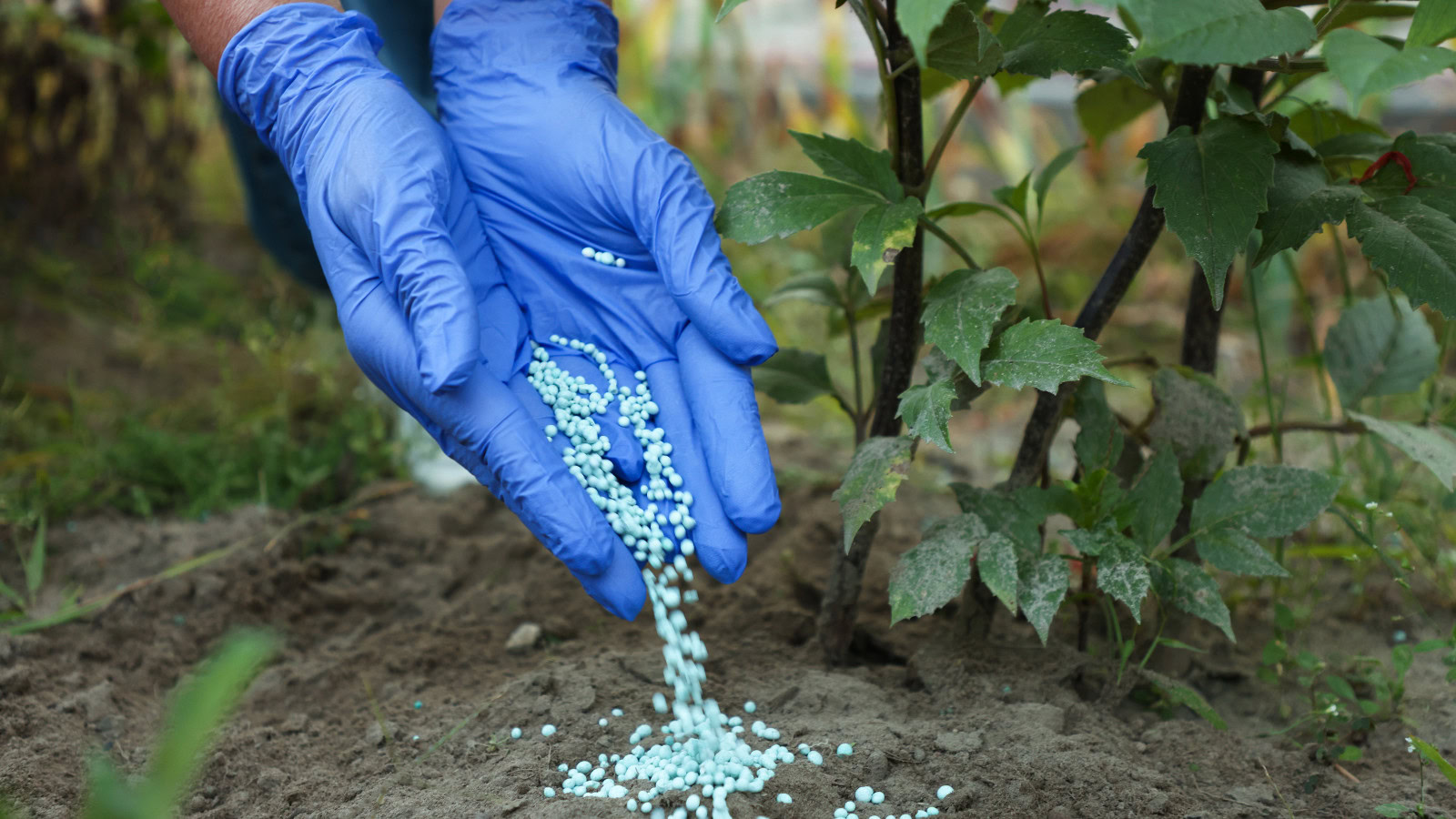
At each company’s Annual General Meeting (AGM), we asked a simple question: how are you using your buying power to help farmers reduce reliance on imported synthetic fertilisers by making better use of home-grown nutrients like farmyard manure?
This isn’t just an environmental issue. Recent geopolitical shocks have exposed how vulnerable the UK’s food system is to volatile global fertiliser markets. At the same time, poor nutrient management is contributing to pollution that is choking our rivers, harming wildlife and degrading soils. Supporting farmers to make better use of the nutrients already available on farms can help build a more resilient, affordable and sustainable food system.
Here’s what we heard.
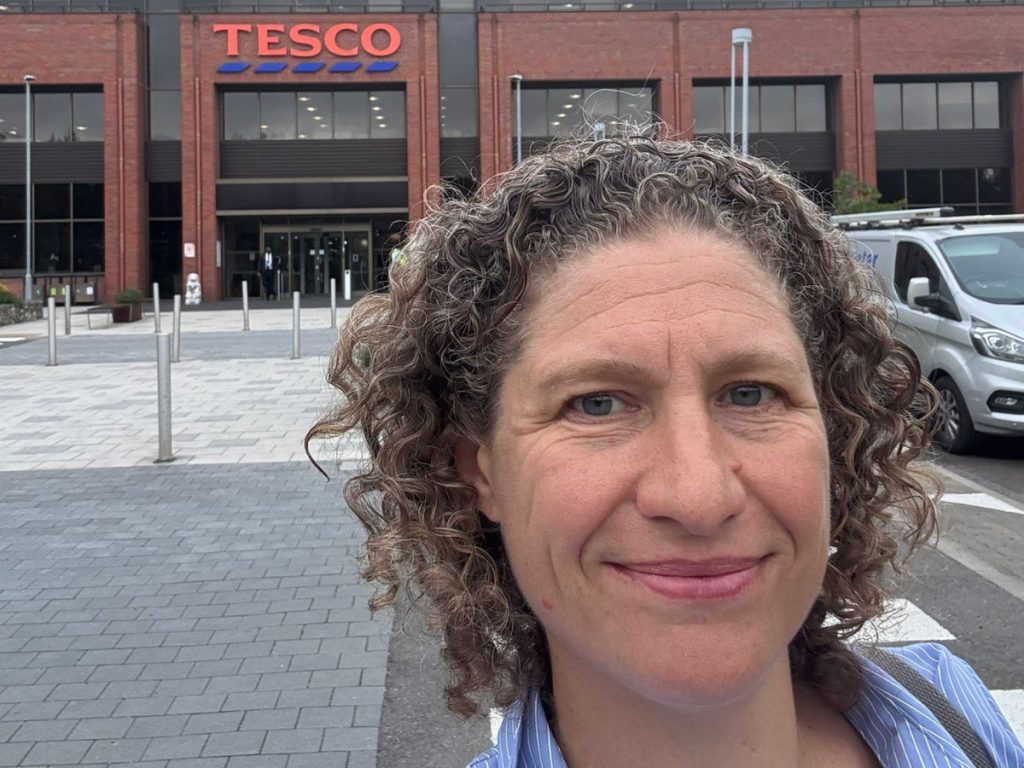
Tesco: Positive ambitions, but no clear answer
Tesco highlighted its commitment to sustainable farming, pointing to its long-standing farming groups, partnerships with suppliers and efforts to reduce fertiliser use.
However, when we asked specifically how the company is helping farmers replace imported fertilisers with home-grown nutrients such as manure, there was no direct answer. Instead, we were referred to Tesco’s ESG team for a follow-up discussion.
We’re still waiting for that response.
M&S: A missed opportunity
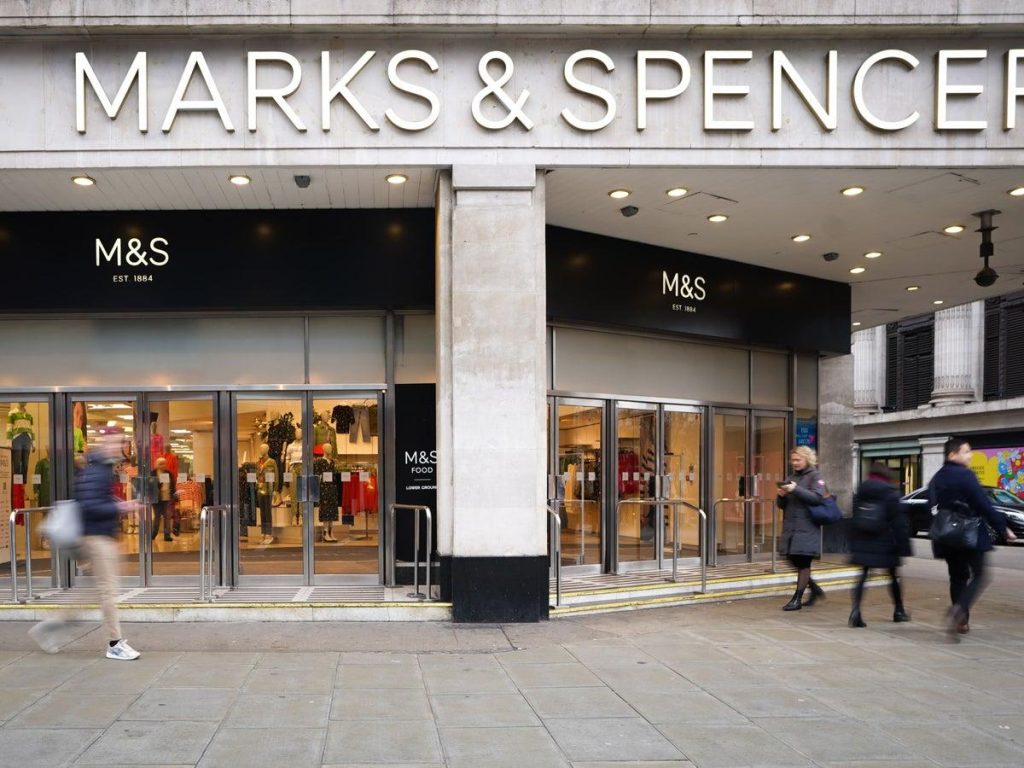
Unlike the other retailers, M&S chose not to take our question during its AGM, instead providing a written response afterwards.
The company outlined its ambitions around regenerative agriculture and supporting sustainable farming practices. These are welcome commitments, but the response stopped short of addressing the heart of our question: how will M&S actively support farmers to reduce reliance on imported fertilisers and turn manure from a pollution problem into a valuable resource?
As one of the UK’s leading food retailers, M&S has an opportunity to show leadership by helping drive this transition across its supply chains.
Sainsbury’s: A constructive conversation
Sainsbury’s response was the most encouraging.
Chief Executive Simon Roberts emphasised the company’s long-term relationships with farmers and welcomed the discussion. Following the AGM, River Action was introduced to Sainsbury’s Director of Agriculture, Gavin Hodgson, and we’ll be continuing the conversation with him to explore these issues further, discussing practical ways of supporting farmers to make better use of home-grown nutrients.
Just as importantly, Sainsbury’s recognised that our approach was solutions-focused. Rather than simply highlighting problems, we challenged the company to work with farmers to deliver practical change. That constructive dialogue is exactly what is needed if we are to transform food production while protecting nature.
Why this matters
For too long, discussions about river pollution have focused on cleaning up the damage after it has happened.
But healthy rivers start much earlier, on the farms that produce our food and in the decisions made by the companies that buy it.
Supermarkets have enormous influence over farming practices. They can reward producers who improve nutrient management, support investment in more resilient farming systems and help reduce dependence on imported synthetic fertilisers that leave farmers exposed to global price shocks.
This isn’t about placing blame on farmers. It’s about recognising that retailers have the market power to support the transition towards farming systems that are better for farmers, consumers and nature.
Our conversations with Tesco, M&S and Sainsbury’s show that supermarkets increasingly recognise the importance of sustainable farming. The next step is turning those commitments into practical action.
River Action will continue working with retailers, challenging them where necessary and collaborating where possible, to ensure they use their buying power to help restore our rivers.