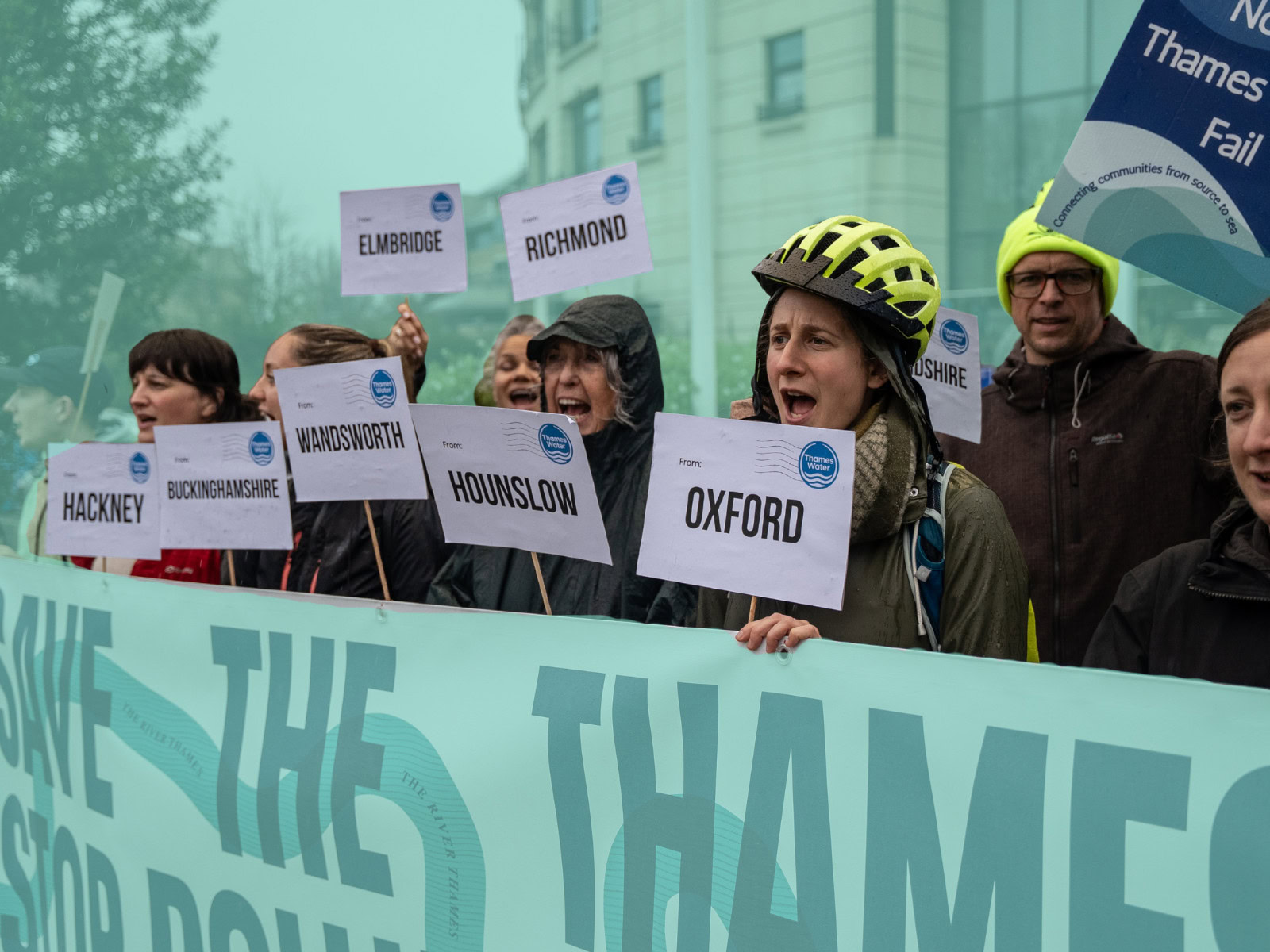
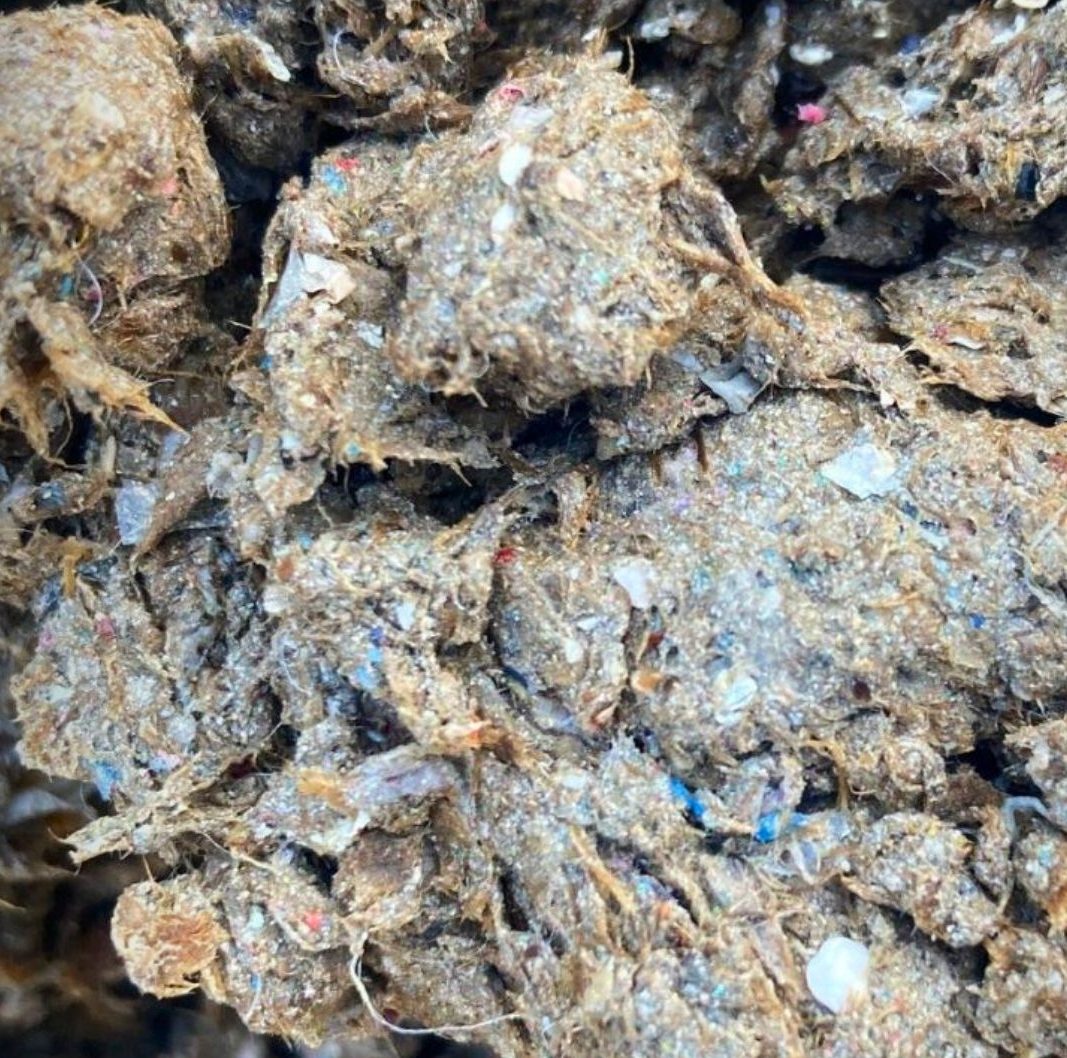


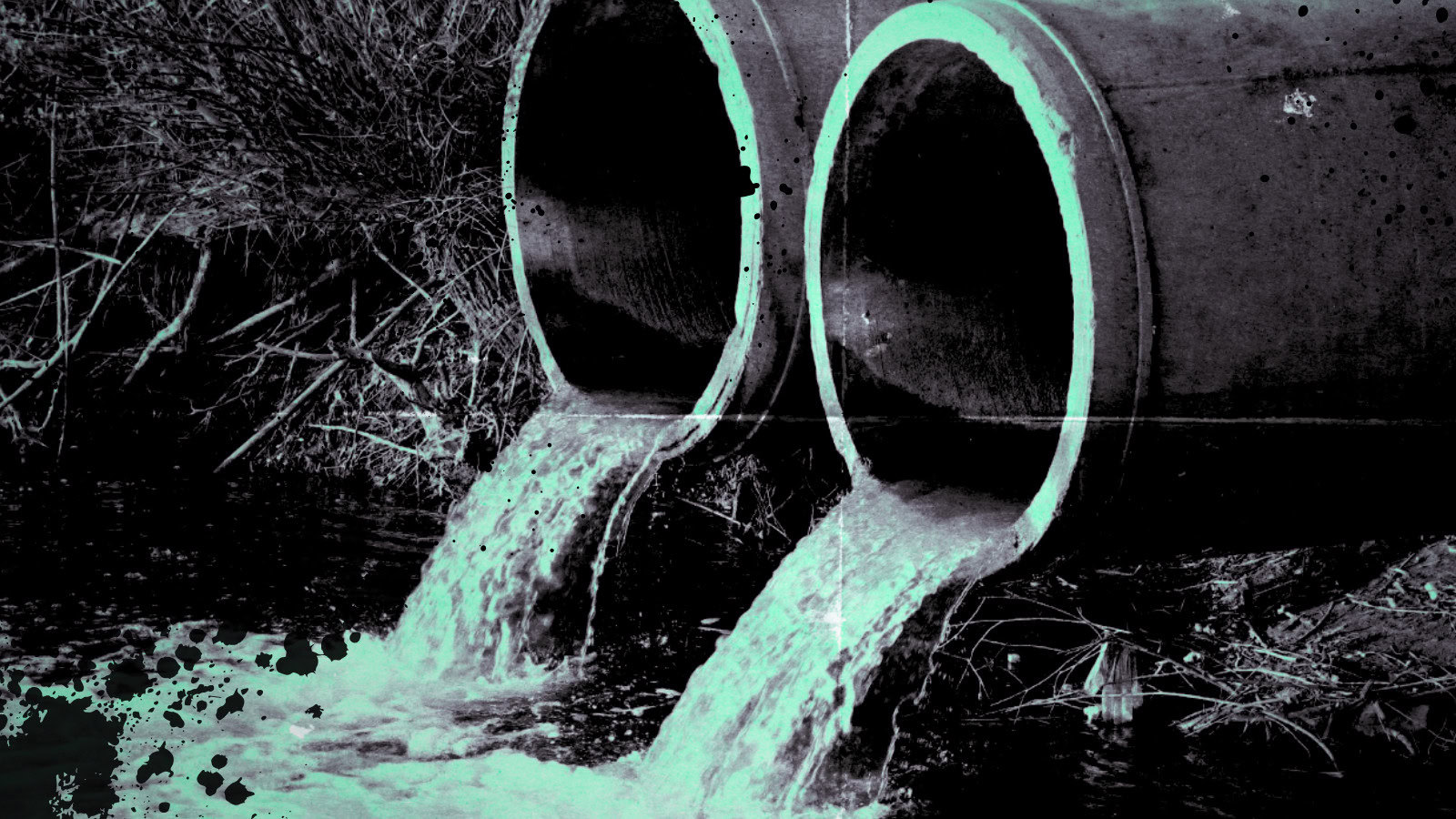
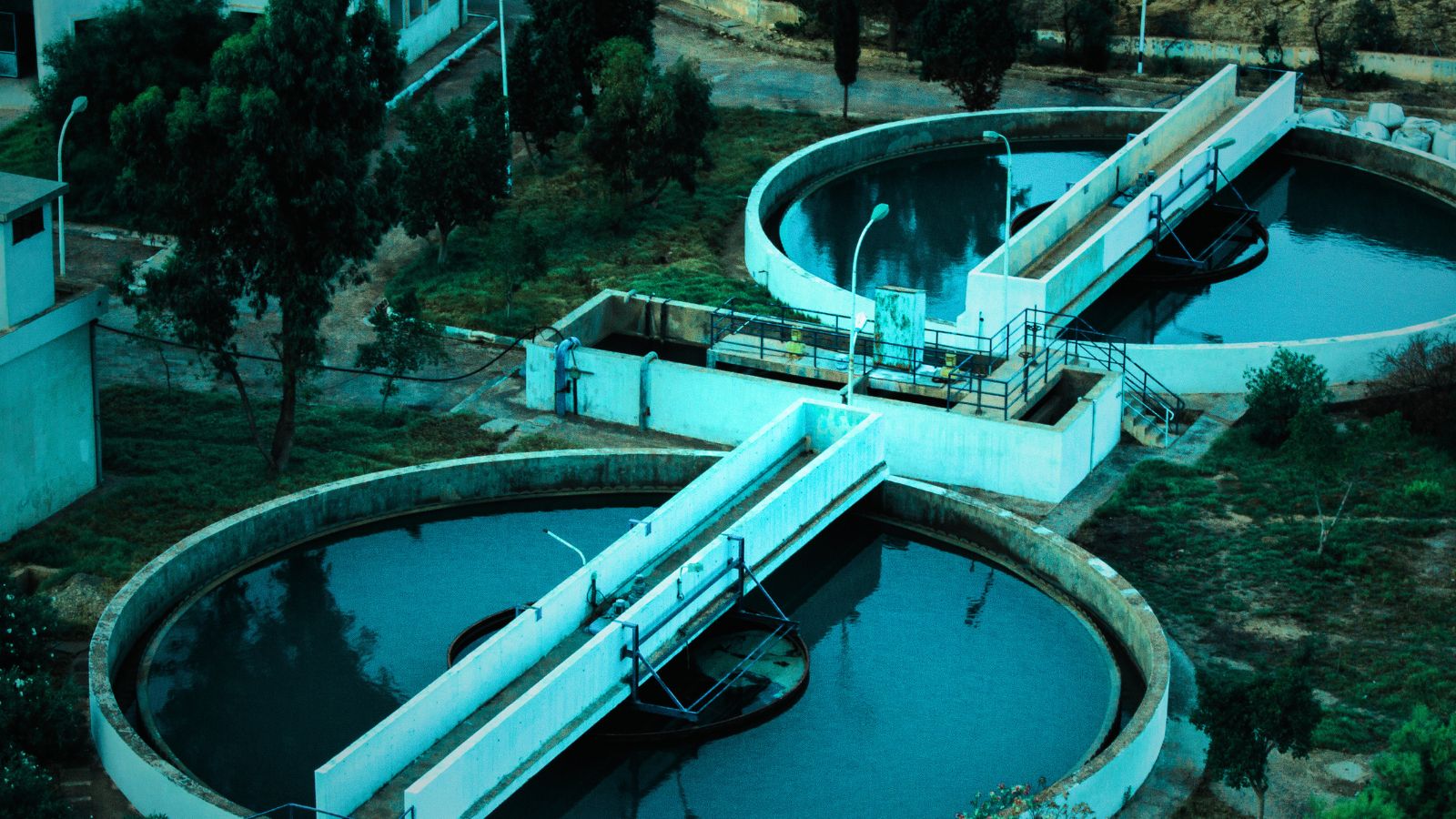

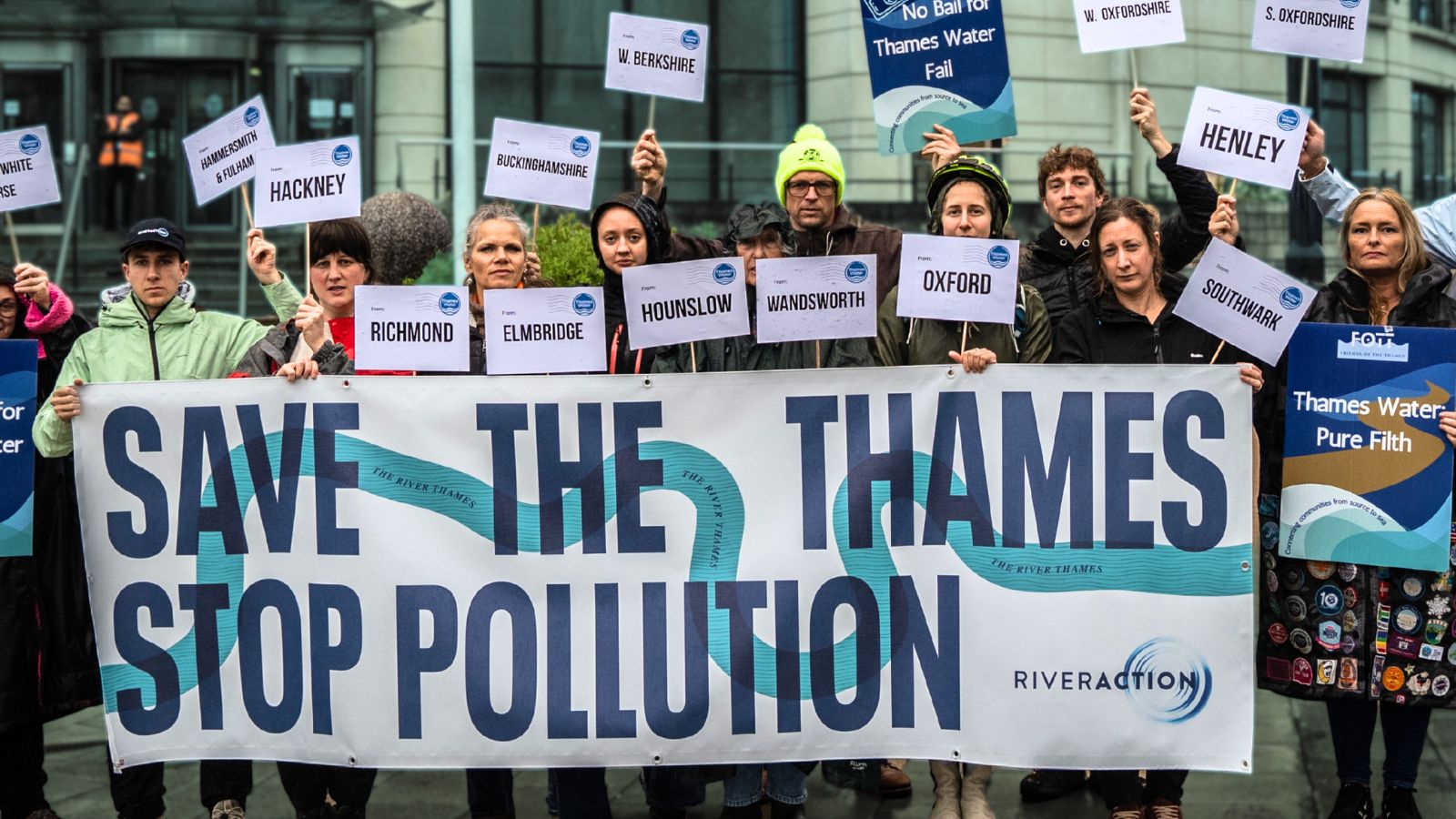


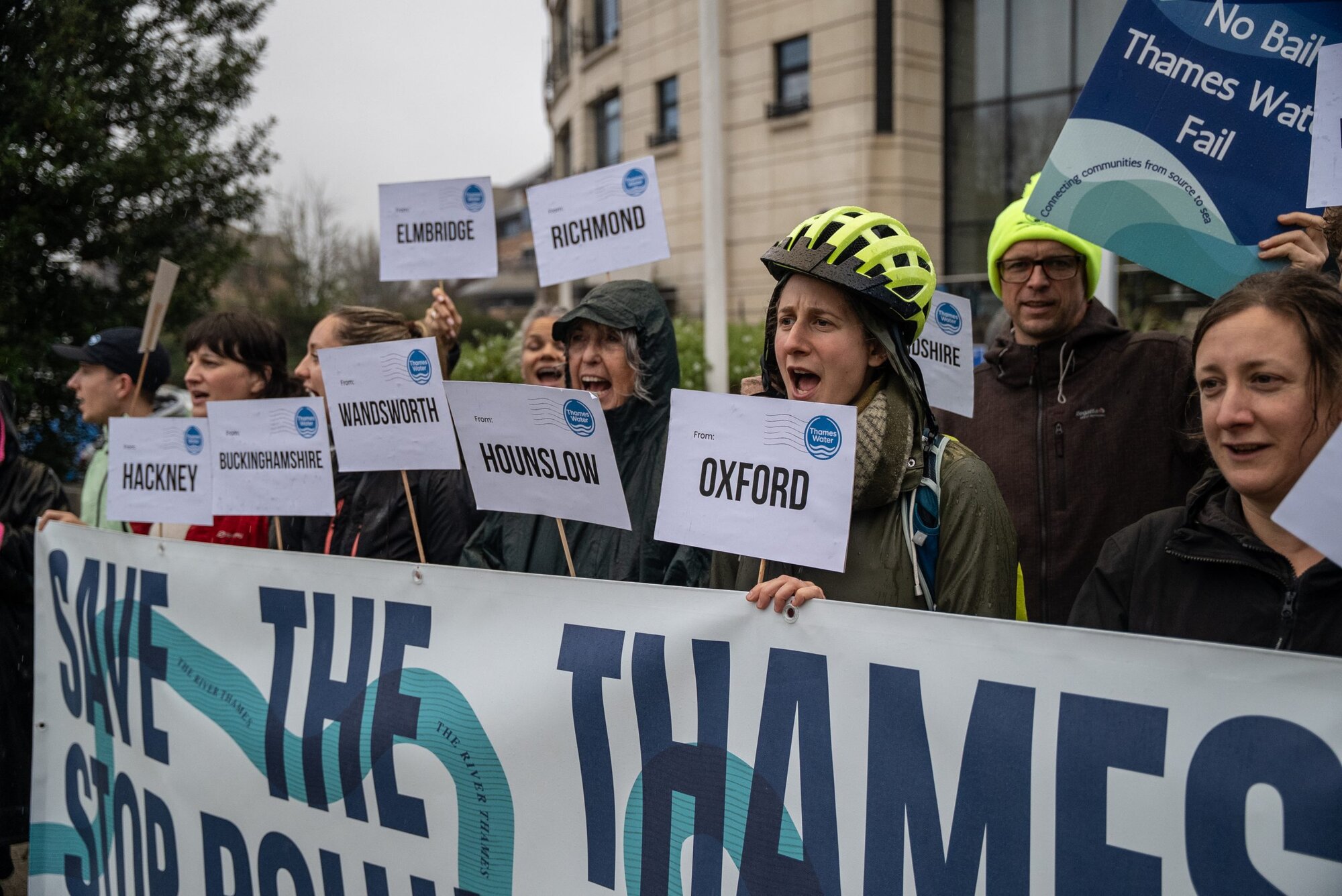





Sewage pollution crisis: Untreated sewage from combined sewer overflows (CSOs) is discharged into the Thames, often exceeding permits, endangering wildlife, ecosystems, and public health. In 2025, Thames Water reported 9,189 discharges and 107,822 hours of discharge.
Failing infrastructure: Decades of prioritising shareholder profits over necessary infrastructure investments have left ageing systems unable to cope with modern demands. Misconnected sewage pipes continue to pollute the river, while the absence of essential upgrades like tertiary treatment allows harmful waste to persist, putting both the environment and public health at risk.
Lack of accountability: Water companies face minimal pressure to take meaningful action, with weak government policies failing to address the crisis effectively. This leaves local communities to bear the burden, often driving change without sufficient support from the authorities.
Thames Water Under Investigation: Thames Water is under investigation by Ofwat and the Environment Agency for illegal sewage discharges and failures in wastewater management. In August 2024, Ofwat proposed a £104 million fine against the company, but while this amount might seem significant, it barely makes a dent in the company’s vast finances or the scale of the issue.
The water industry prioritising profits over public welfare: In 2025, total net debt across the sector reached £82.7 billion, a huge increase from when it was debt-free after privatisation. Yet in 2024-25, water companies paid out over £645 million in dividends to shareholders. Meanwhile, Thames Water’s CEO is paid up to £1 million annually, showing a stark contrast between high executive pay and the urgent need to invest in our ageing infrastructure.