
Can supermarkets lead the way to a resilient food system?
By Claire Birch, Senior Campaign Coordinator at River Action.
What if supermarkets used their power as a force for good to transform the food system? Instead of relying on expensive imported fertilisers, they could support better use of our own ‘UK-made’ manure, in turn protecting rivers from pollution caused by wasted poo, while also helping keep food prices down.
On June 16, we attended Tesco’s AGM to ask them just that.
The power of supermarkets
Behind every supermarket shelf lies enormous power. These gatekeepers control 95% of UK food sales, shaping farming practices, consumer habits, and the health of our nation.
Supermarkets often portray themselves as champions of both British farming and British families – so they can hardly be unaware of the pressures currently facing both farmers and consumers.
Global fertiliser costs have surged, driven by supply chain disruptions like the closure of the Strait of Hormuz, forcing farmers to pay up to 40% more for imported crop nutrients. These costs are passed on at the tills, with the ONS reporting price increases of more than 38% over the last five years.

Environmental impact of synthetic fertilisers
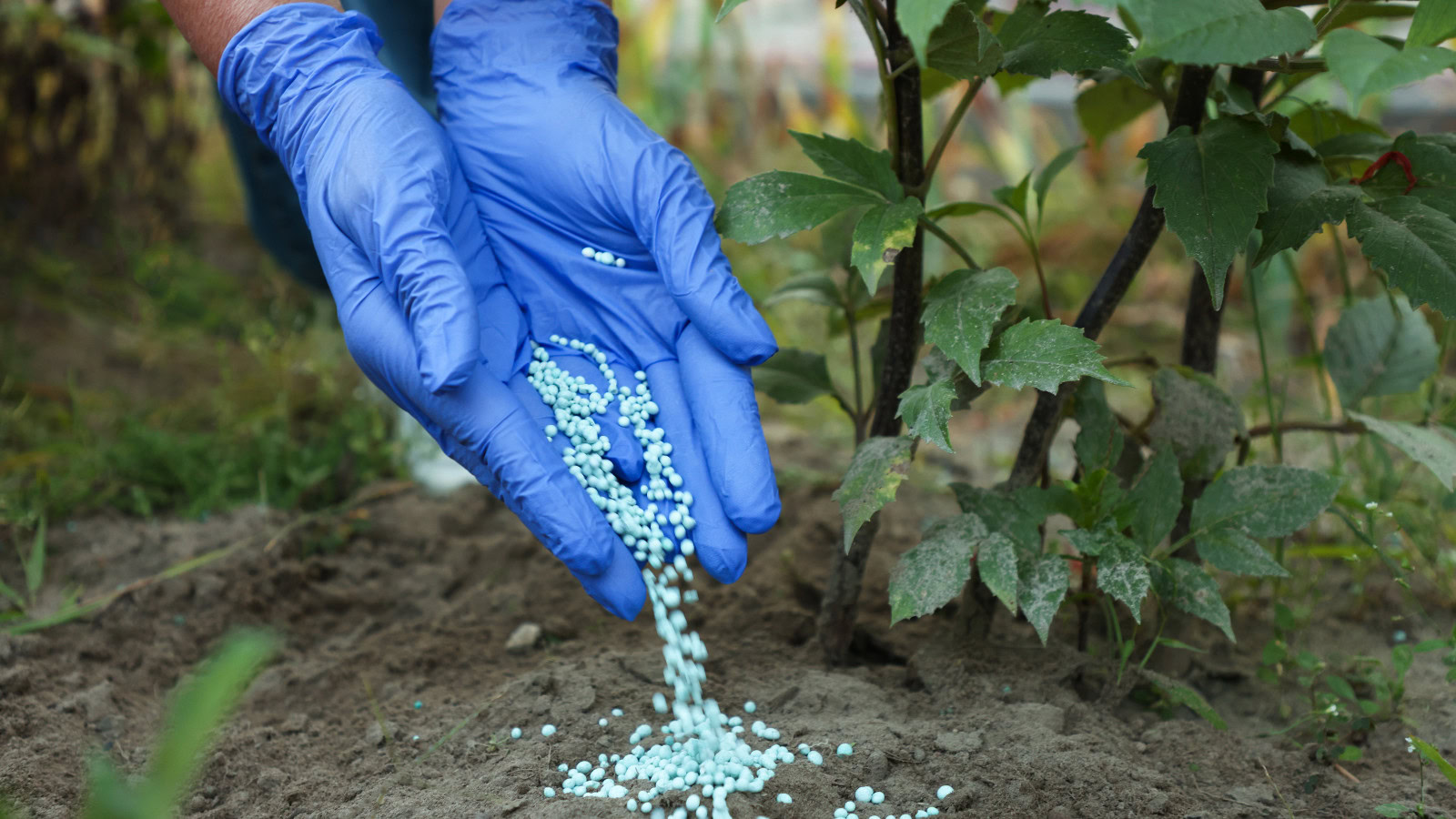
Synthetic fertilisers are made using fossil fuels and come with a heavy environmental cost. These imported chemicals can degrade soil health by acidifying soils, killing beneficial microorganisms and depleting natural organic matter. Over time, soil fertility can become heavily dependent on chemical inputs, rather than developing the resilience of healthy ecosystems.
The environmental damage extends far beyond the farm fields, with more than half of applied synthetic nitrogen and phosphorus not absorbed by crops, washing into rivers and contributing significantly to water pollution.

The UK makes a lot of poo
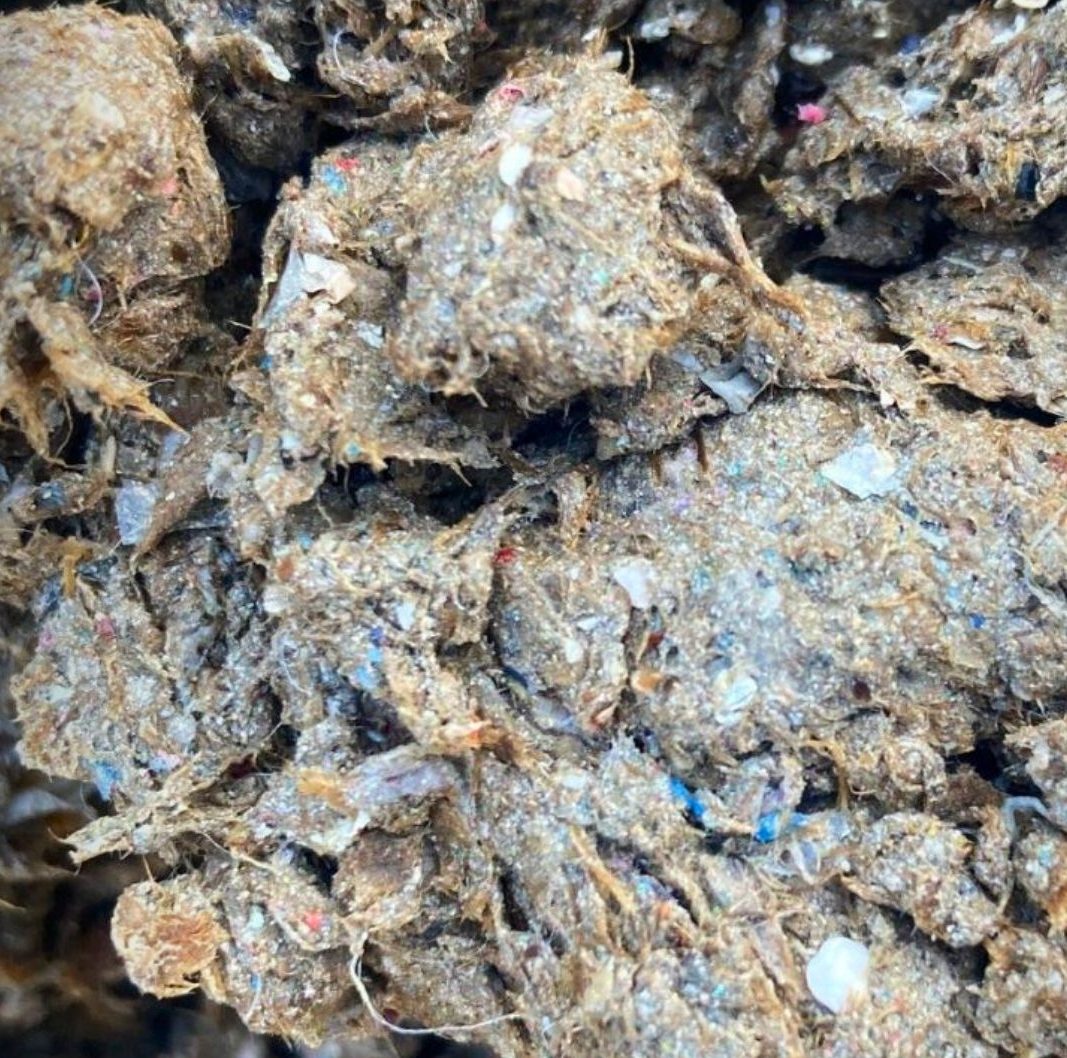
UK intensive poultry farming alone generates an estimated 700,000 tonnes of manure each year. When over-applied or poorly stored, manure can release nutrients that leach into soils and eventually enter rivers causing ‘eutrophication’ and a greeny-brown algal soup that snuffs-out the light, oxygen and life of waterways. Some manure is sent to expensive anaerobic digesters. While these produce useful energy, they also produce more polluting ammonia emissions than the original waste. Other manure is incinerated, creating additional environmental impacts.
Instead, this valuable manure resource could be returned to farmland as fertiliser where there is a deficit of phosphates and nitrates. With proper treatment and storage, this home-made resource could be transported from farms or catchments where there is a surplus of nutrients to areas where nutrients are needed most.
The UK annual spend on foreign fertilisers fluctuates heavily with energy and gas prices, but ranges between £1.4 billion and £2.0 billion. That money is leaving UK farms, and lining the pockets of polluting mega corporations.
A circular manure system, trading nutrients between farmers, could reduce these costs considerably, and have the additional benefit of reducing pollution, improving soil health, adding organic matter, and improving soil structure.

What can Tesco do?
Supermarkets have the power to help build a more resilient food system in the UK, by driving sustainable practices through its supply chain, supporting farmers to improve environmental standards and value the nutrients in manure rather than waste them. By partnering with Share Action, we were able to raise the issue at Tesco’s Annual General Meeting with board members and shareholders present.
And their answer? Predictably we received a general response, with the CEO Ken Murpher referring to “open book” relationships with suppliers, saying these helped protect farmers from market shocks, although he did not explain exactly how.
He also referred to efforts to reduce fertiliser use, mentioning a return to “good old-fashioned farming”, and highlighted examples such as low-carbon broccoli and potato production.
When we pressed Ken on what Tesco is specifically doing to increase the use of home-grown nutrients rather than imported fertilisers, he couldn’t answer. Instead, he deflected to the Environmental, Social and Governance team to follow up with us – which we are now doing.
This is an opportunity for supermarkets to support farmers, protect customers from price shocks and lead the transition to a more resilient food system. We’ll be keeping up the pressure, asking the same question at the AGMs of Marks and Spencer’s and Sainsbury’s in the coming weeks.