
Thames E. coli surges despite £4.6bn Tideway Tunnel
One of the highest E. coli readings ever recorded by independent citizen scientists has been detected in the River Thames following this week’s heavy rainfall, despite London’s £4.6 billion Tideway Tunnel being designed to dramatically reduce sewage pollution.
Testing undertaken at Fulham Reach Boat Club in Hammersmith at 9am on Wednesday 24 June recorded 58,000 E. coli per 100ml of river water.
The result has been independently verified by Fluidion using its ALERT One System, a World Health Organization (WHO)-approved rapid water-testing technology that was used by the French authorities to monitor water quality during the Paris 2024 Olympic Games.
For comparison:
- DEFRA classifies more than 1,000 cfu/100ml as poor bathing water quality. When bathing water quality is classed as poor, Government advice is not to swim.
- The latest reading is 58 times higher than that threshold.
- It is among the highest readings ever recorded through Fulham Reach Boat Club’s River Action-funded monitoring programme.
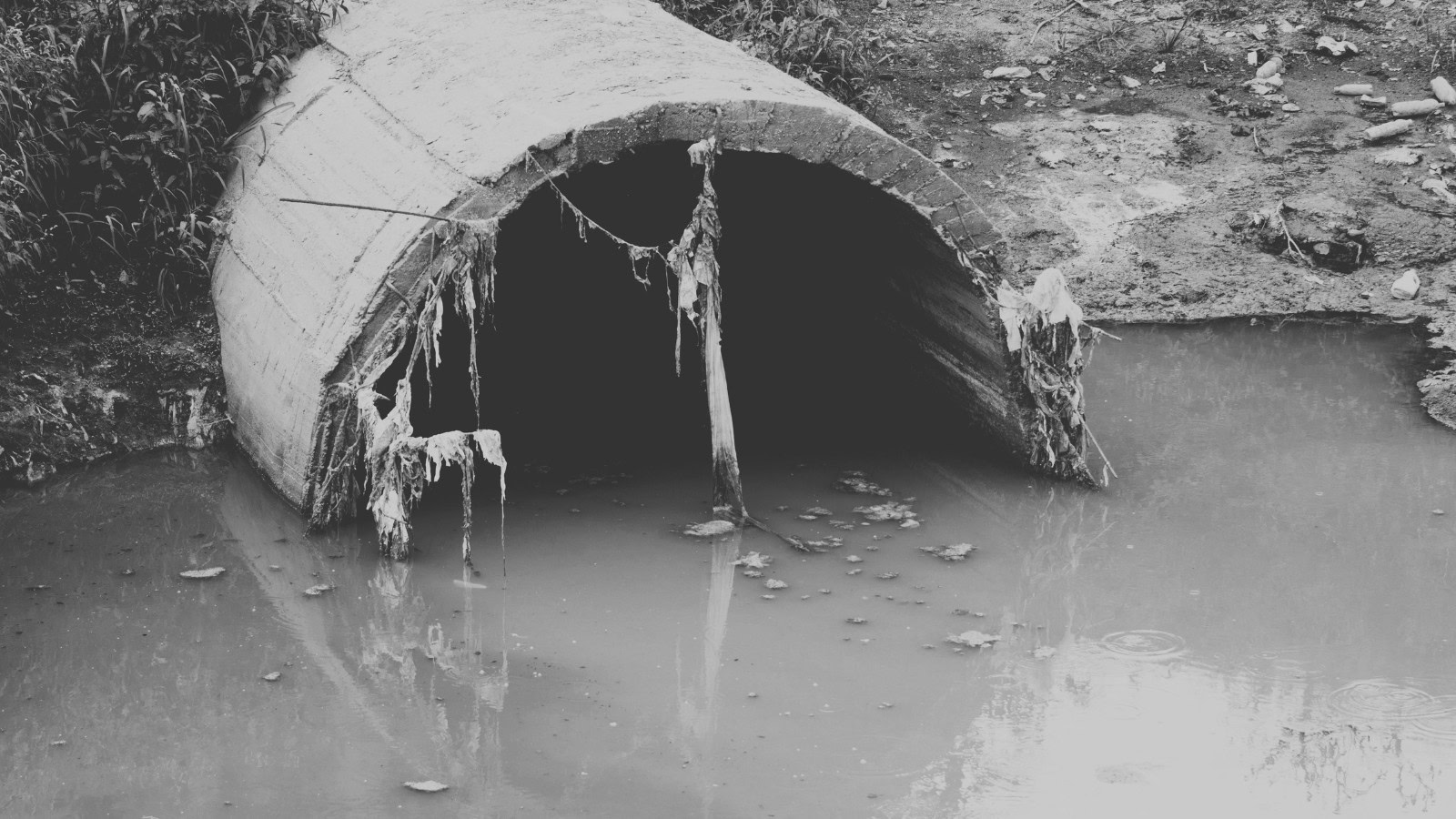
The result follows Combined Sewer Overflow (CSO) discharges after Monday’s storms, including a four-hour discharge from Hammersmith Pumping Station and a discharge from Acton Storm Drain. Both assets are connected to the Tideway Tunnel, raising serious questions about why sewage still entered the Thames during a relatively short period of heavy rainfall.
A spokesperson for Fulham Reach Boat Club said, “This is one of the highest E. coli readings we’ve ever recorded. It demonstrates that sewage pollution remains a significant public health issue on the Thames, even after the Tideway Tunnel has come into operation.”
CEO of River Action James Wallace said, “These results should ring alarm bells. A £4.6 billion super sewer was supposed to stop the River Thames from being routinely contaminated with sewage, yet we’re still seeing shockingly high levels of E. coli after rain. People who row, paddle or swim in the Thames deserve answers, not excuses.
“This is yet more evidence that Thames Water has failed to invest in the infrastructure needed to protect public health and our rivers. The Government should place the company into a Special Administration Regime and take this essential utility out of private hands.”
Since September 2024, Fulham Reach Boat Club has collected 74 water samples. The average E. coli concentration has been 1574.5 E. coli / 100ml, making this week’s result more than thirty times the site’s average.
River users, including rowers, paddleboarders, kayakers and open-water swimmers, are being urged to take extra precautions while bacteria levels remain elevated, including washing their hands, boats and equipment thoroughly after river use.
Further monitoring will continue over the coming days to establish how long it takes for water quality to return to more typical levels.