What do the results of the Senedd Elections mean for Welsh rivers?
By Ellie Roxburgh, Policy and Advocacy Manager
Plaid Cymru takes the Senedd
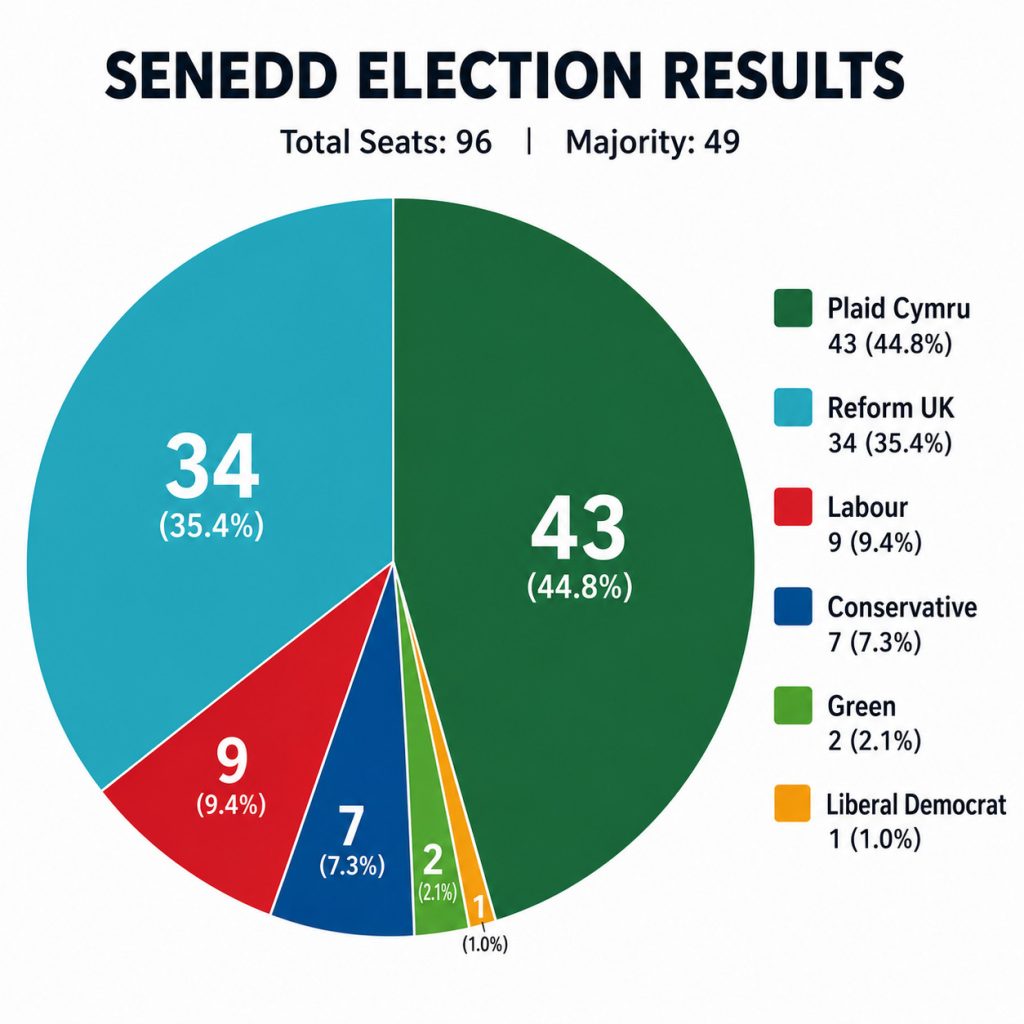
For the first time since devolution, a new party holds the reins in the Senedd. Plaid Cymru won the election with 43 seats, followed by Reform with 34.
As expected, the election was very much a two-party race, with Labour, the Greens and the Liberal Democrats doing somewhat worse than polls had predicted. Labour now holds 9 seats, Conservatives have 7, Greens have 2 and Lib Dems have 1.
Plaid falls short of the 49 seats needed for a majority, but with other parties doing worse than expected, they have limited options with whom to form a coalition. Labour and Plaid are unlikely to find common ground on much, given that Plaid just ousted the long-standing party. Reform and the Conservatives together make a substantial opposition, but we are yet to see if they will work together. Prior to the election, the Conservatives leader, Kemi Badenoch, indicated they would not work with any party that is not delivering, and that “the only deal we’re doing is a deal with the Welsh people”, which could be inferred as an alliance with Plaid over Reform.
In his victory speech on Saturday, Rhun ap Lorweth announced that Plaid will be seeking a minority government. He has now been announced as First Minister of Wales, supported by the two Green Party members.
What will Plaid do for Welsh rivers?
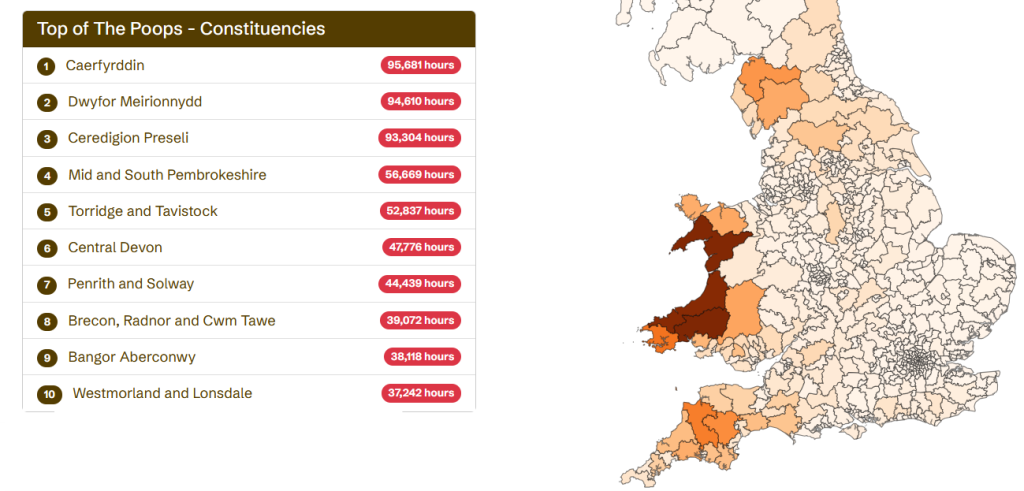
In 2025, six of the ten UK constituencies with the highest combined sewage overflows were in Wales, cumulating to over 415,000 hours of pollution. Last year, Natural Resources Wales (NRW) announced that seven out of nine protected rivers are failing Good Ecological Status due to phosphorus pollution. Salmon are expected to disappear completely from some Welsh rivers by 2030.
However, while Plaid Cymru’s manifesto offered positive steps towards tackling environmental issues, rivers were notably absent from their first 100 days pledge, launched during the Parties’ Conference in February. Yet with wider water reforms from Westminster imminent, Plaid Cymru will need to outline its position on addressing river pollution.
Closing the regulatory gap on river pollution
Westminster is expected to announce new legislation to clean up rivers tomorrow (Wednesday 13th May) in the King’s Speech through the ‘Water Reform Bill’. The UK Government has indicated its intention to create a new integrated regulator for the water sector, combining Ofwat, the Drinking Water Inspectorate and some functions of the Environment Agency, with implications for the regulation of Welsh water companies. While Plaid has committed to seeking full devolution of powers over water, interim processes for interaction with NRW will need to be established. This could be a timely opportunity for Plaid to take action on NRW, the Welsh environmental regulator, which is widely recognised as not fit for purpose.
NRW as it currently operates is limited in impact, in part due to a lack of resourcing, but also a failure to implement an effective strategy for reducing pollution from both agricultural sources and the water sector.
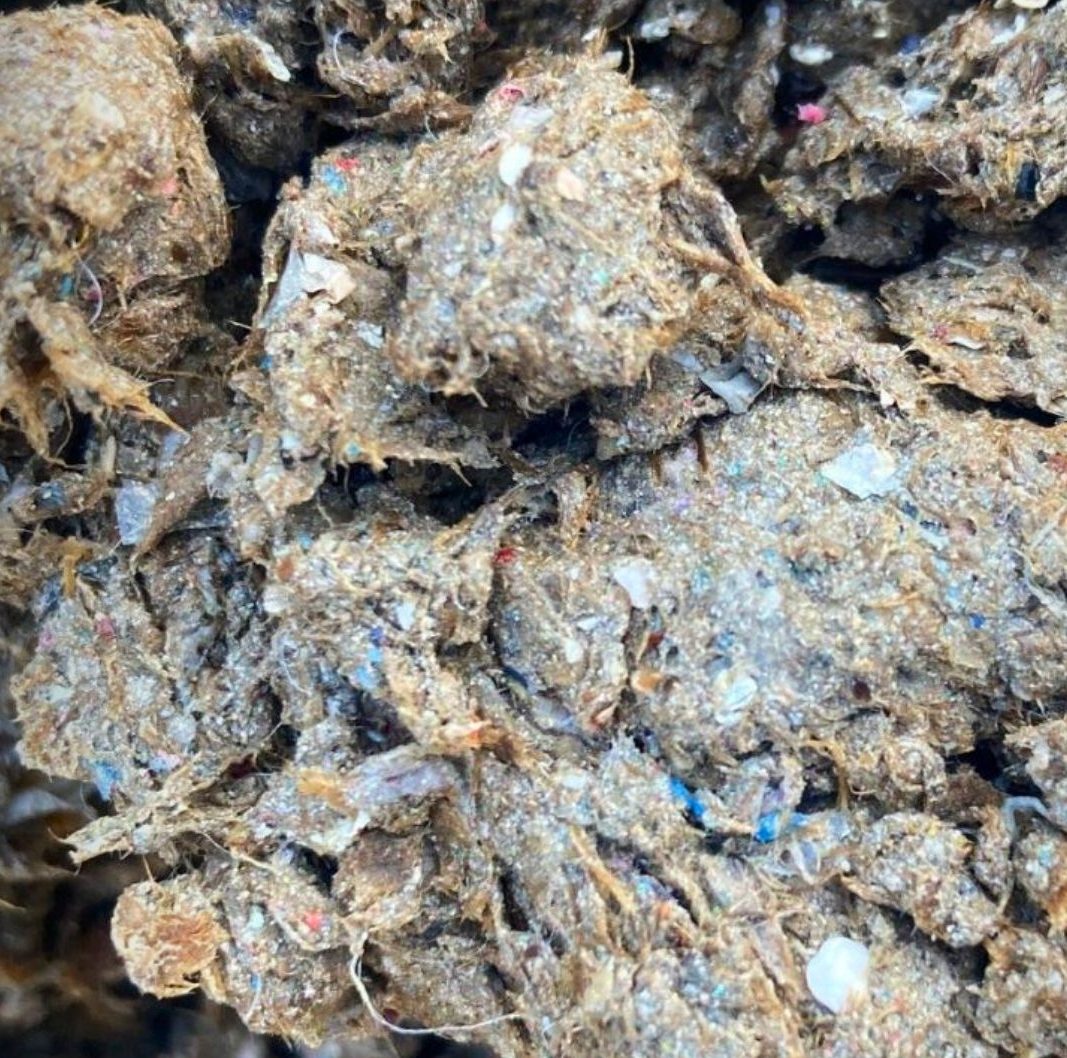
One area that River Action has identified is the process by which NRW deals with pollution from industrial livestock. As it stands, NRW has chosen to ‘wash its hands’ of pollution by failing to take into account the environmental impact of manure once it leaves the farm boundary. Any reform of NRW must ensure that, as a regulator, it acknowledges and uses its full powers to act, including placing conditions on permits or refusing them where pollution risks cannot be properly controlled.
What about the water companies?
Plaid’s manifesto set out a commitment to set up a new Welsh water regulator, with powers to set price controls, limit bonuses, and direct capital investment to reduce sewage spills, upgrade infrastructure and make environmental improvements.
While better regulation is certainly part of the solution, the ability of water companies to prioritise financial returns over customers and the environment remains a fundamental issue. As a not-for-profit, Dwr Cymru Welsh Water can still pay executives and bondholders high amounts. Although it does have lower bills than many English water companies and fewer pollution incidents, it continues to contribute to unacceptable levels of environmental pollution.
Plaid has also committed to setting out pathways towards the nationalisation of Welsh Water. Public ownership would help address the issue of financial extraction from essential water services. There are also other alternatives, such as municipally ownership, or community-interest models, which could attract the investment needed while prioritising environmental protection and public benefit. Whatever structure is chosen, water companies and the regulator should have a statutory duty to prioritise the environment and public health.
It is now up to this new Senedd Government to decide whether stronger regulation alone will set the Welsh water sector on a path to environmental recovery, or whether more fundamental structural reform of Dwr Cymru Welsh Water is needed to stop the pollution of Welsh rivers and waterways.