Rivers in decline, communities take their fight to the High Court
By Emma Dearnaley, Head of Legal, River Action
It has come to this.
More than 4,500 people, angry, frustrated and exhausted, have turned to the courts because they believe their rivers have been polluted and those allegedly responsible have not been held to account.
On Monday last week, the High Court heard the first stage of a landmark legal case led by law firm Leigh Day over pollution in the rivers Wye, Lugg and Usk. It is the largest claim ever brought over UK environmental pollution. Behind that headline figure are thousands of individuals who feel they have been left with no other option – and more people joining every week.
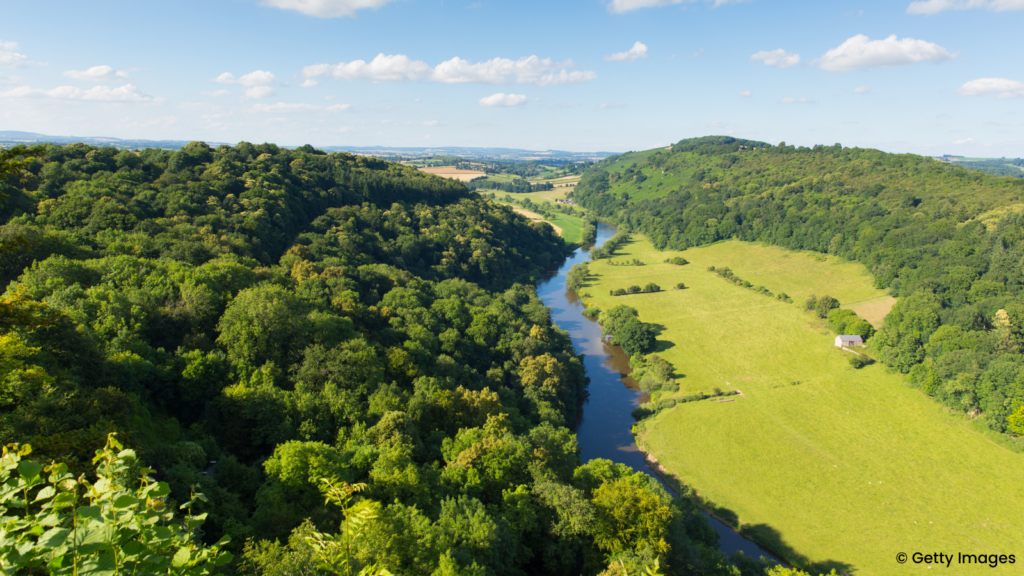
These are not abstract environmental concerns. These are rivers people live beside, rely on and identify with. They support wildlife, local economies, farming, tourism and public health. Yet they are now widely seen as being in serious decline.
The legal claim
The legal claim is against Avara Foods, its subsidiary, Freemans of Newent, and Welsh Water. The allegation is that pollution from intensive poultry production and sewage discharges has combined to push these rivers beyond what they can sustain – materially impacting the rivers and local communities.
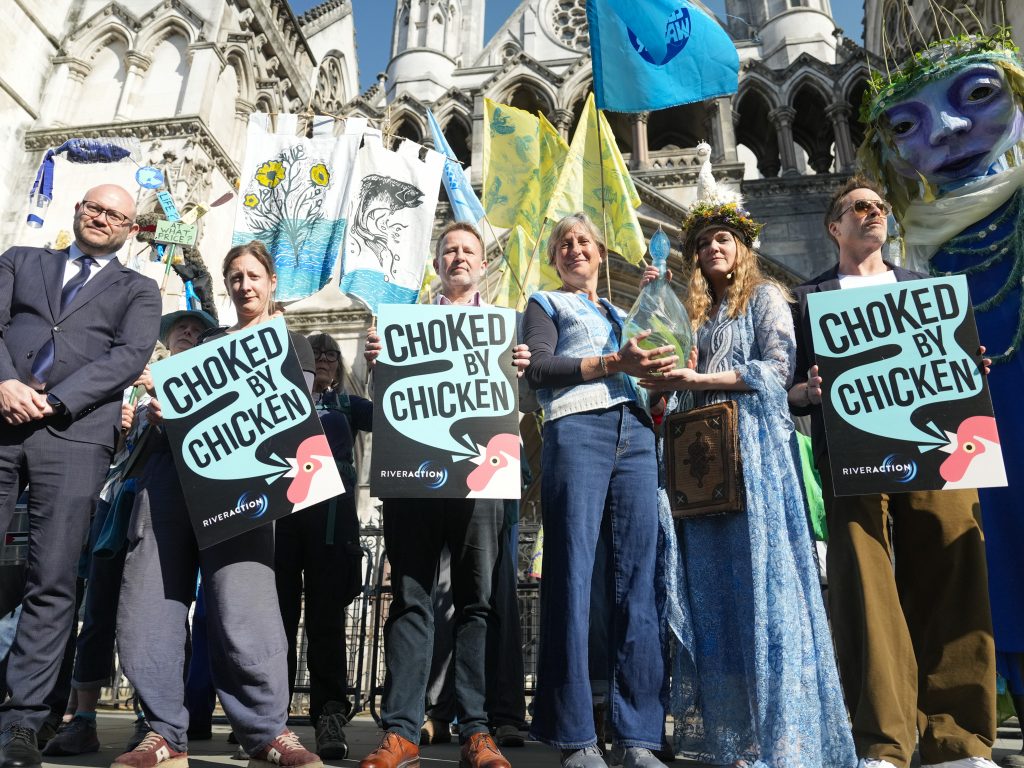
Avara Foods supplies poultry to some of the UK’s leading supermarkets and fast-food chains, producing chicken at an industrial scale in a concentrated area.
Communities along the Wye, Lugg and Usk argue that this industrial model carries a clear environmental cost, and that the corporate group directing the scale and profit of this intensive poultry operation cannot ignore their alleged role in driving the system behind the pollution of these rivers.

Welsh Water – a serial polluter
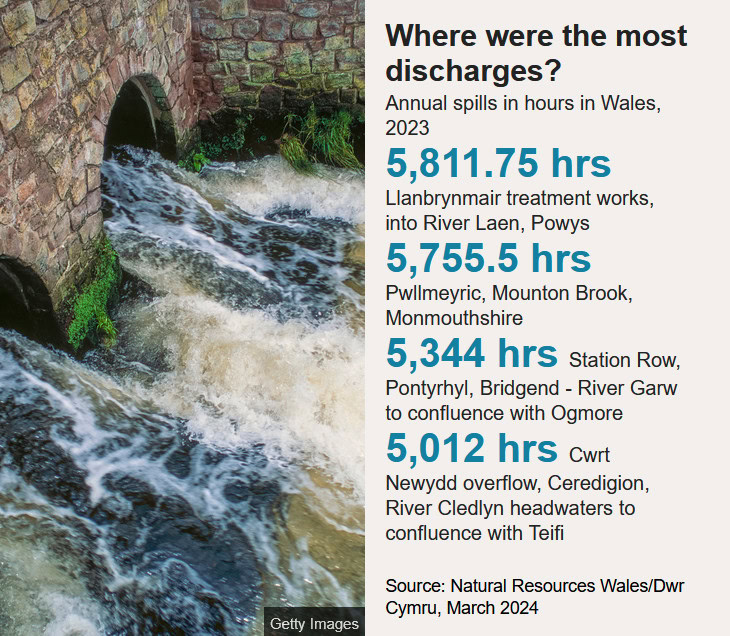
Welsh Water/Dŵr Cymru, the region’s sewerage operator, is also accused of materially contributing to pollution through the discharge of sewage into these rivers and through the production of sewage sludge applied to land in a similar way to poultry manure.
In 2023, Dŵr Cymru Welsh Water was responsible for over 916,000 hours of sewage releases across Wales and England, accounting for around 20% of the UK total, with over 70,000 hours believed to have occurred in the River Wye Catchment.
Communities say they are being forced to live with the consequences of a system that allows waste to enter waterways that should be protected.
A claim brought by the people, for the people
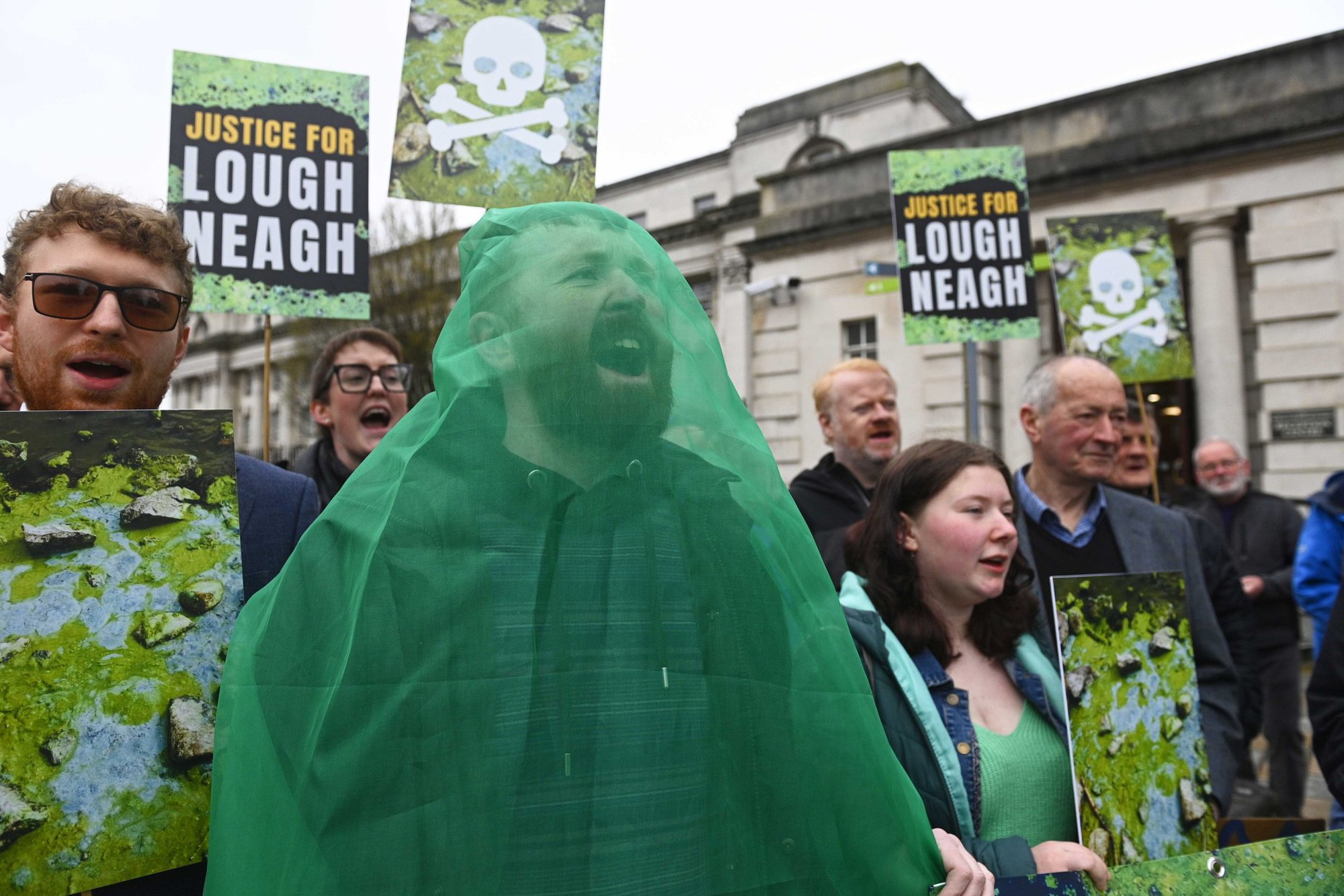
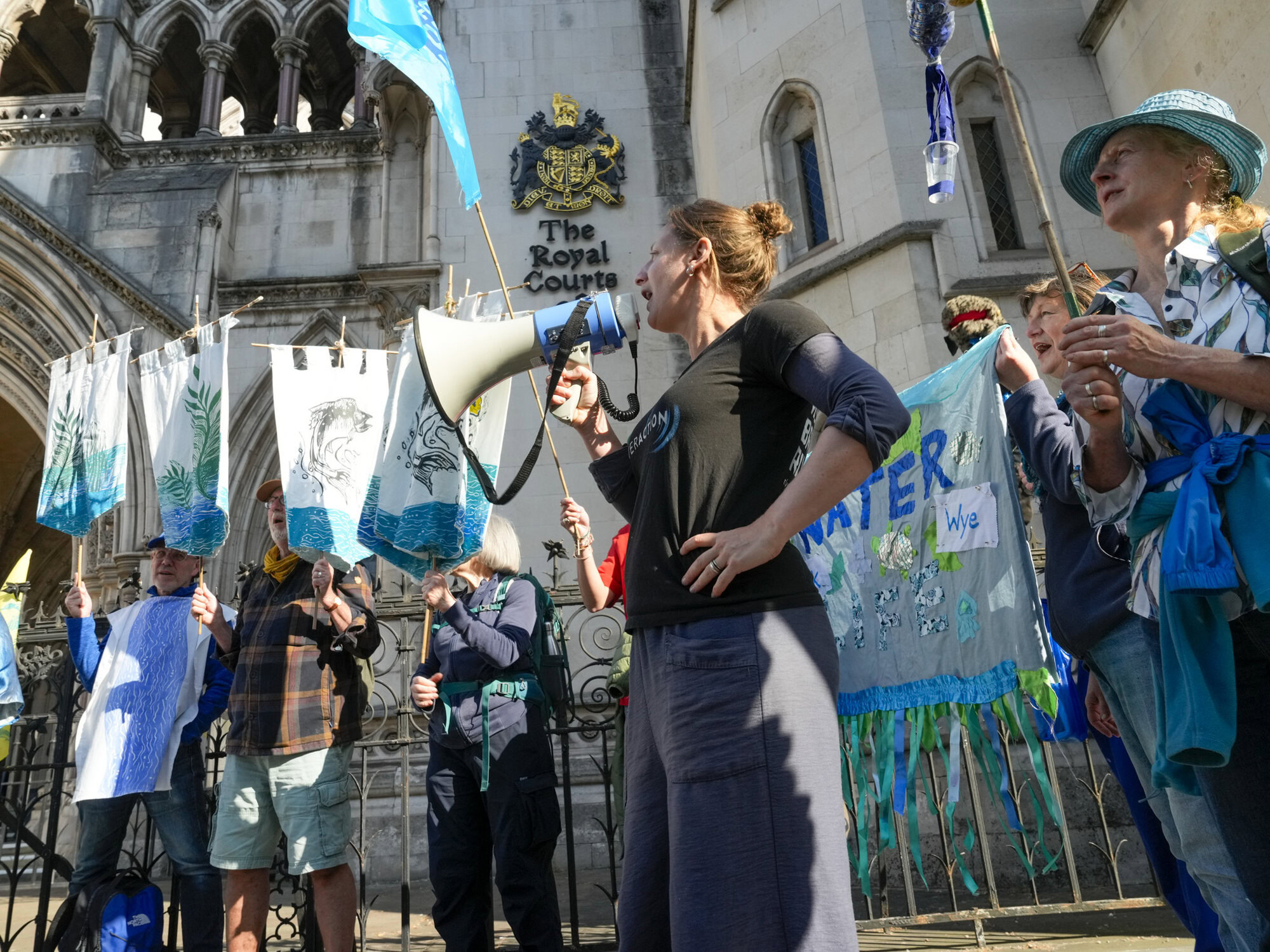
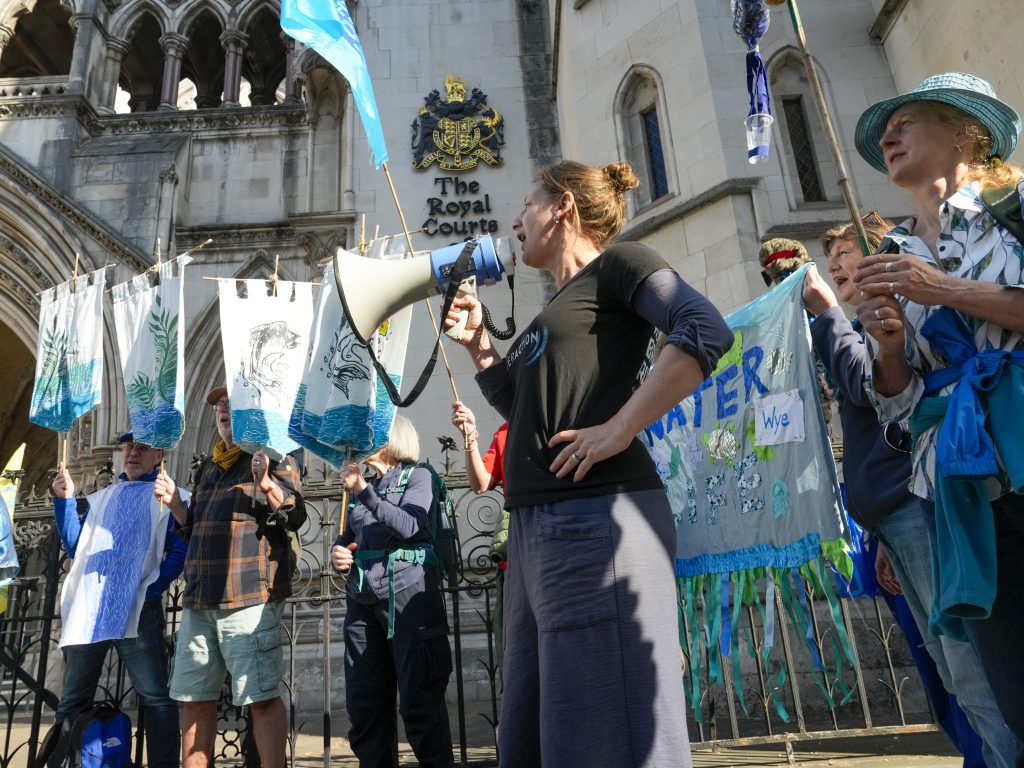
Outside the Royal Courts of Justice, peaceful demonstrators gathered in support, in an action organised by River Action UK. Many had travelled from Wales and Herefordshire. They beat drums, held a blessing of the rivers, and stood alongside the Goddess of the Wye, a 10-foot puppet symbolising the river. It underscored that this case is not only legal, but personal to a community who have suffered real losses.
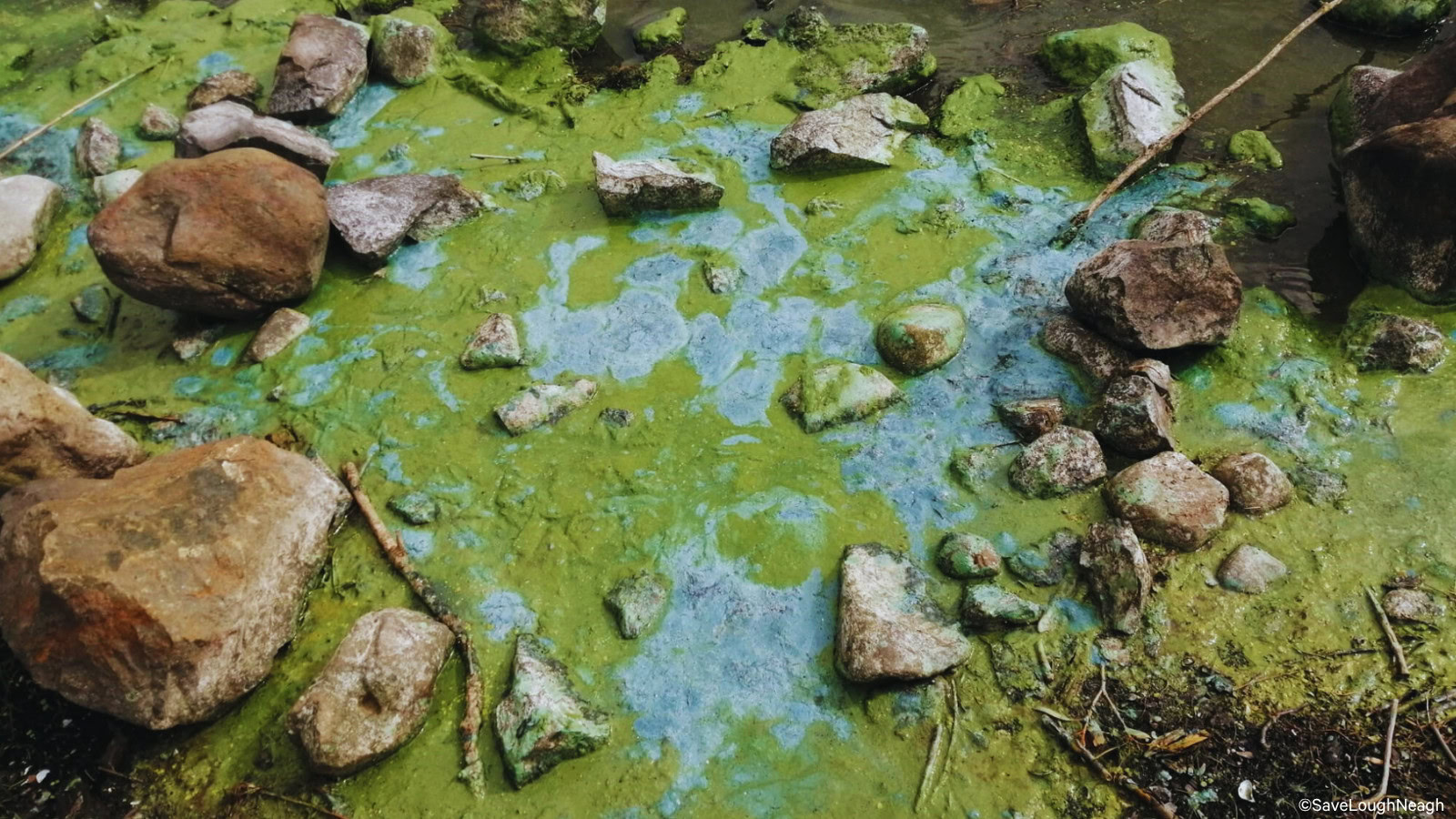
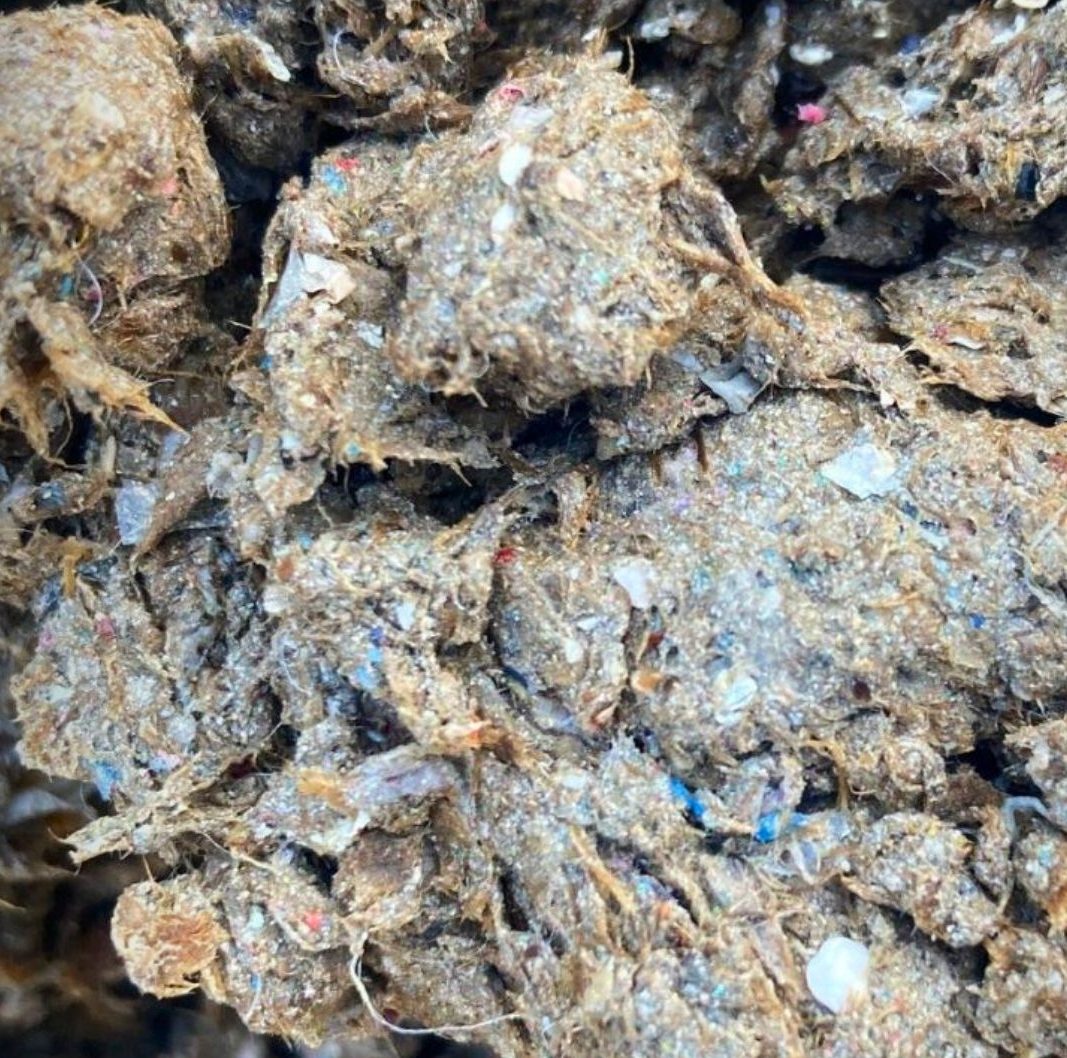
At the centre of the case is nutrient pollution, particularly phosphorus and nitrogen, linked to sewage discharges and poultry manure spread on land and washed into waterways. These nutrients can trigger algal blooms and bacteria that strip oxygen from the water, damaging ecosystems and killing aquatic life. Sewage discharges and poultry manure are also alleged to have directly added further harmful bacteria to these rivers.
For the people bringing this claim, this is not theoretical. They say they have seen water quality decline, wildlife disappear, and rivers they once used become unsafe. Many point to impacts on livelihoods and the value of their homes, others to their health. All describe a sense that the situation has been allowed to worsen without effective intervention.
It is time for real accountability
This case is about accountability. It asks whether those who have operated in these catchments at an industrial scale should make right the damage the communities claim has been caused.
Last week’s hearing did not determine the outcome. Instead, it began to set out how the case will proceed, including timelines, whether more people can join, and what information must be disclosed by the Avara group defendants. These decisions matter. The clearer the scale of harm, the harder it becomes to ignore.
Claimants are seeking change. They want allegedly harmful practices addressed and reversed, and are asking whether those allegedly responsible should be required to repair the damage already done. The case comes at a time when the sustainability of intensive farming and the performance of wastewater systems are under increasing scrutiny. Both can cause serious environmental harm if done at a scale the eco-system cannot absorb.
For many involved, the aim is simple. They want clean, healthy rivers again. Rivers they can use, rely on, and pass on in a better state.
Change can no longer wait
What makes this case significant is not just its size, but what it represents. It reflects a growing belief that environmental protections are not keeping pace with the pressures on natural systems, and that legal action has become one of the few remaining routes for a community to demand change and seek redress.
Thousands of people are no longer prepared to accept that the decline of their rivers is inevitable. They believe these rivers have been pushed too far, and they are now asking the court to decide what accountability should look like. This case is not just about the Wye, the Lugg and the Usk. It is about whether environmental harm on this scale can be challenged, and whether communities can force change when other systems fail, with the potential for significant ramifications nationally.
Above all, it is about whether communities act when the damage is clear, and whether we are prepared to restore what has been lost.