





Our rivers are in crisis.
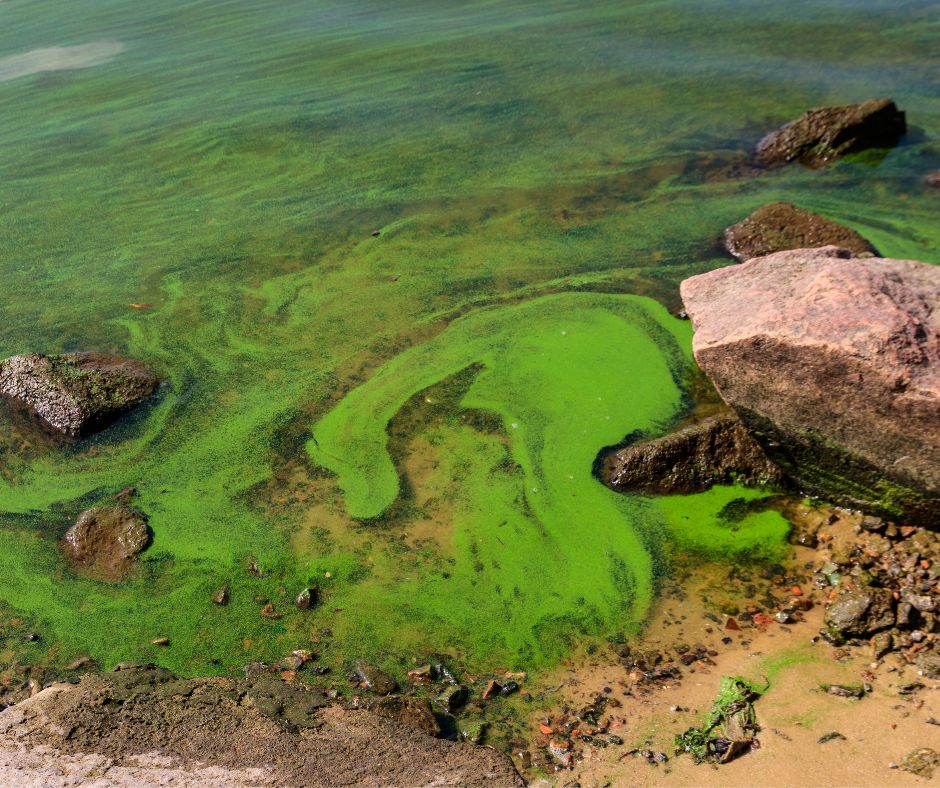
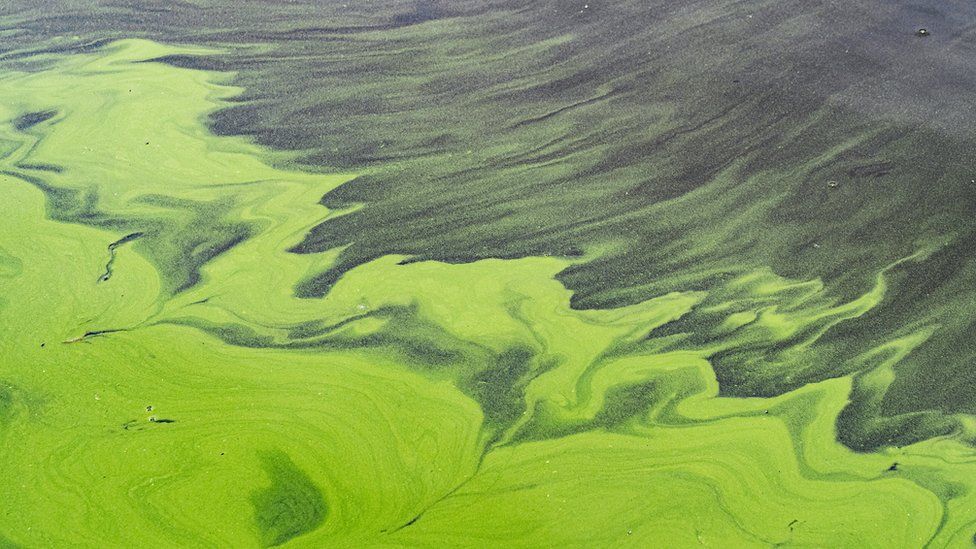
Across the UK, river health is declining, driven largely by pollution from sewage and agriculture. In 2024 alone, there were 450,000 sewage spills in England, releasing waste into rivers, lakes and seas for a combined 3.6 million hours. In Wales, over 115,000 discharges polluted waterways for 900 thousand hours, while 2,337 river stretches were damaged by agricultural pollution.
The impact is severe. Around 75% of UK rivers now pose a serious risk to human health. Not a single river has good chemical status, and only 14% meet good ecological standards.
This crisis is the result of systemic failure. For decades, successive governments have failed to show the ambition needed to protect our rivers – weakening regulations, underfunding enforcement, and allowing polluting sectors to continue damaging the environment.
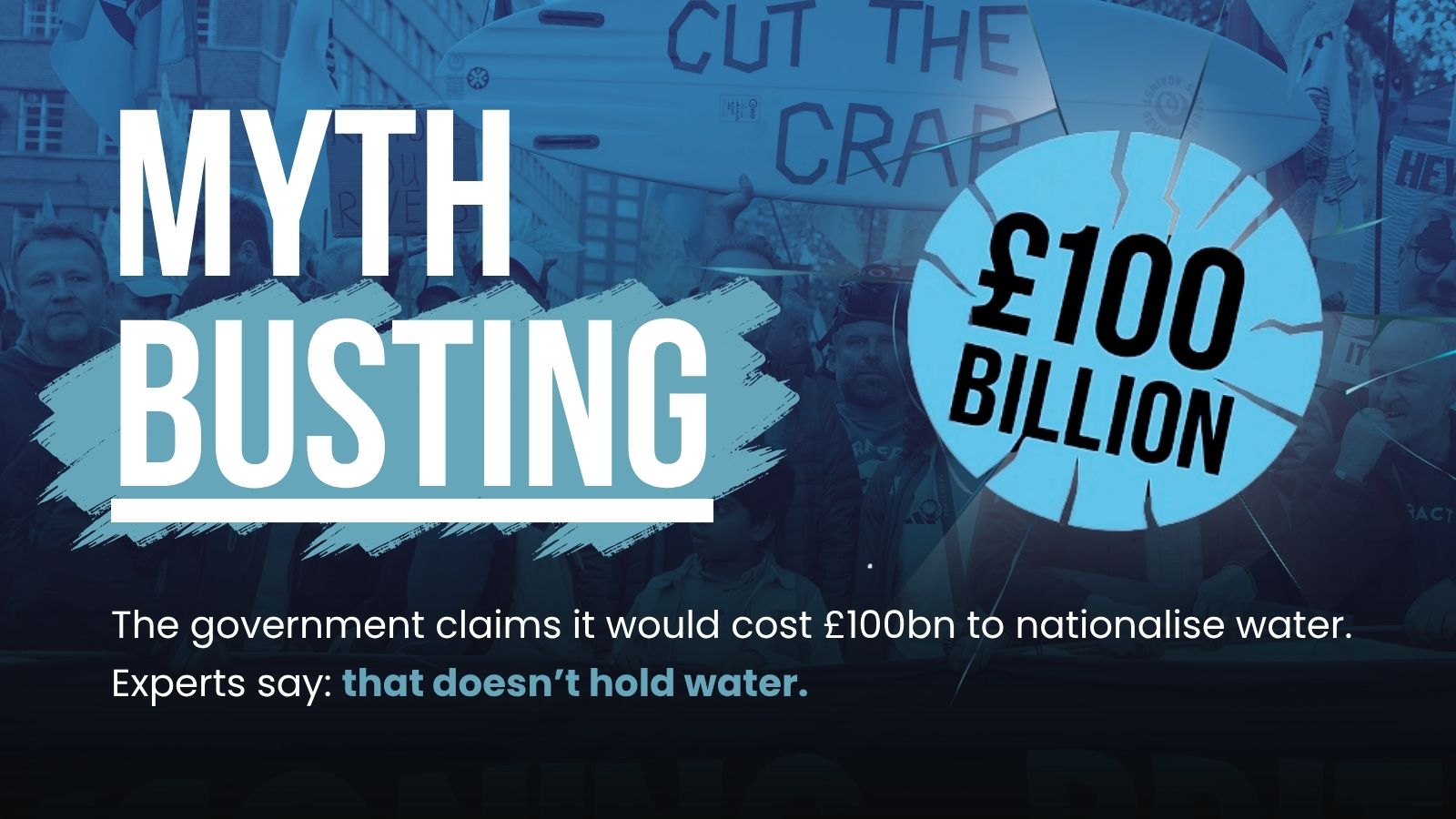
Water companies have prioritised profits over public health and the environment, loading up £74 billion in debt while paying out £83 billion in dividends. Meanwhile, infrastructure has been neglected: 20% of water is lost through leaks, and no new reservoirs have been built since 1992.
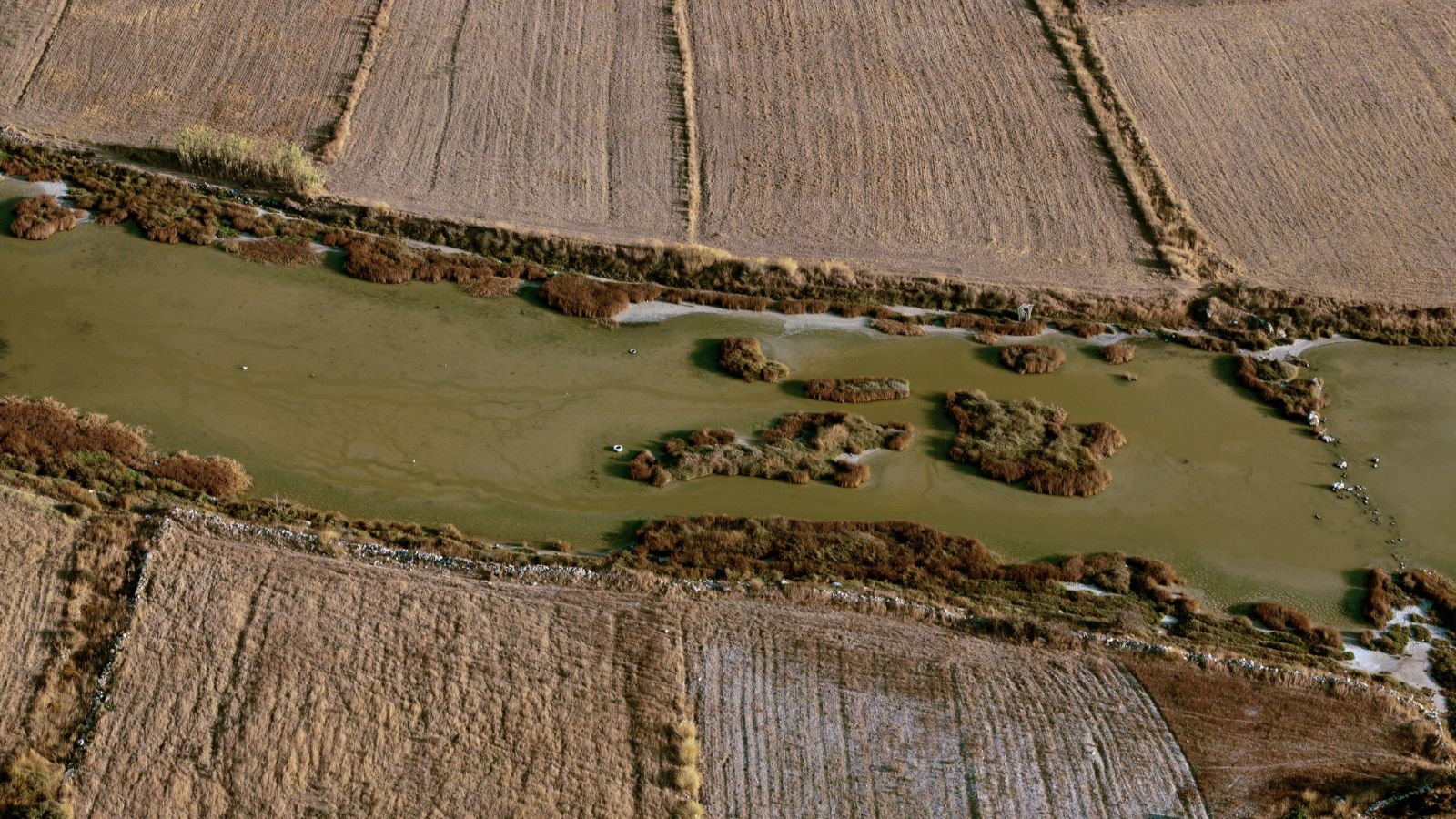
But sewage is only half the story. Agricultural pollution is an equal driver of poor river health but it has not received the attention or resources it demands. Governments must invest in solutions that support farmers, tackling the profitability pressures that drive harmful intensification, while providing better training and advice on nutrient management.
We also need a shift to catchment-wide planning, identifying what each river needs to recover and targeting action accordingly. Without this, pollution will continue to flow unchecked, damaging wildlife, contaminating drinking water, and holding back a thriving, sustainable farming sector.