River Action launches new Agricultural Water Pollution Strategy
Cleaning up the UK’s river crisis was a key election commitment for this government, but current efforts risk falling short by focusing too narrowly on sewage.
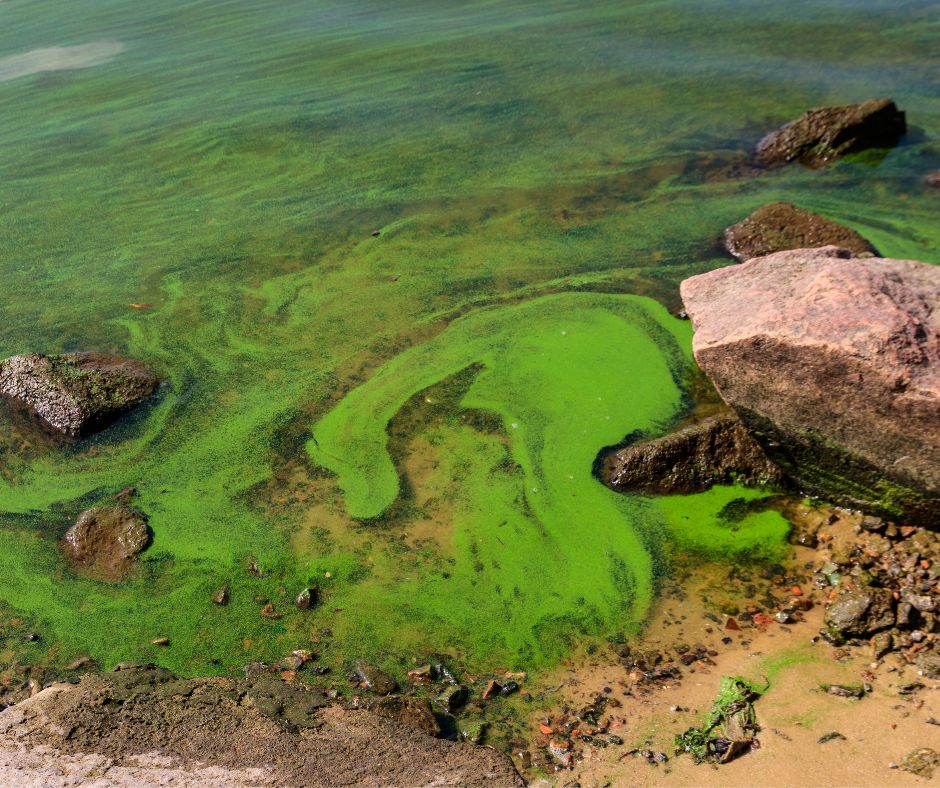
Despite popular claims that sewage is the leading cause of the UK river’s poor health, agriculture is the biggest culprit, affecting 45% of water bodies. This is primarily driven by nutrient and chemical pollution running off agricultural land.
Nutrient pollution from fertiliser use – particularly nitrogen and phosphorus – drives eutrophication, harming ecosystems, contaminating drinking water and damaging coastal areas.
Synthetic fertiliser and livestock manure are the two primary drivers of nutrient pollution.
- Synthetic fertilisers are used to boost crop yields beyond nature’s limits, but both the production and use come at an environmental cost. In the UK, the current nitrogen use efficiency of synthetic fertilisers is 55% for crop production, meaning about half of fertilisers are lost to the environment, and this drops to 6-37% for animal products, like dairy.
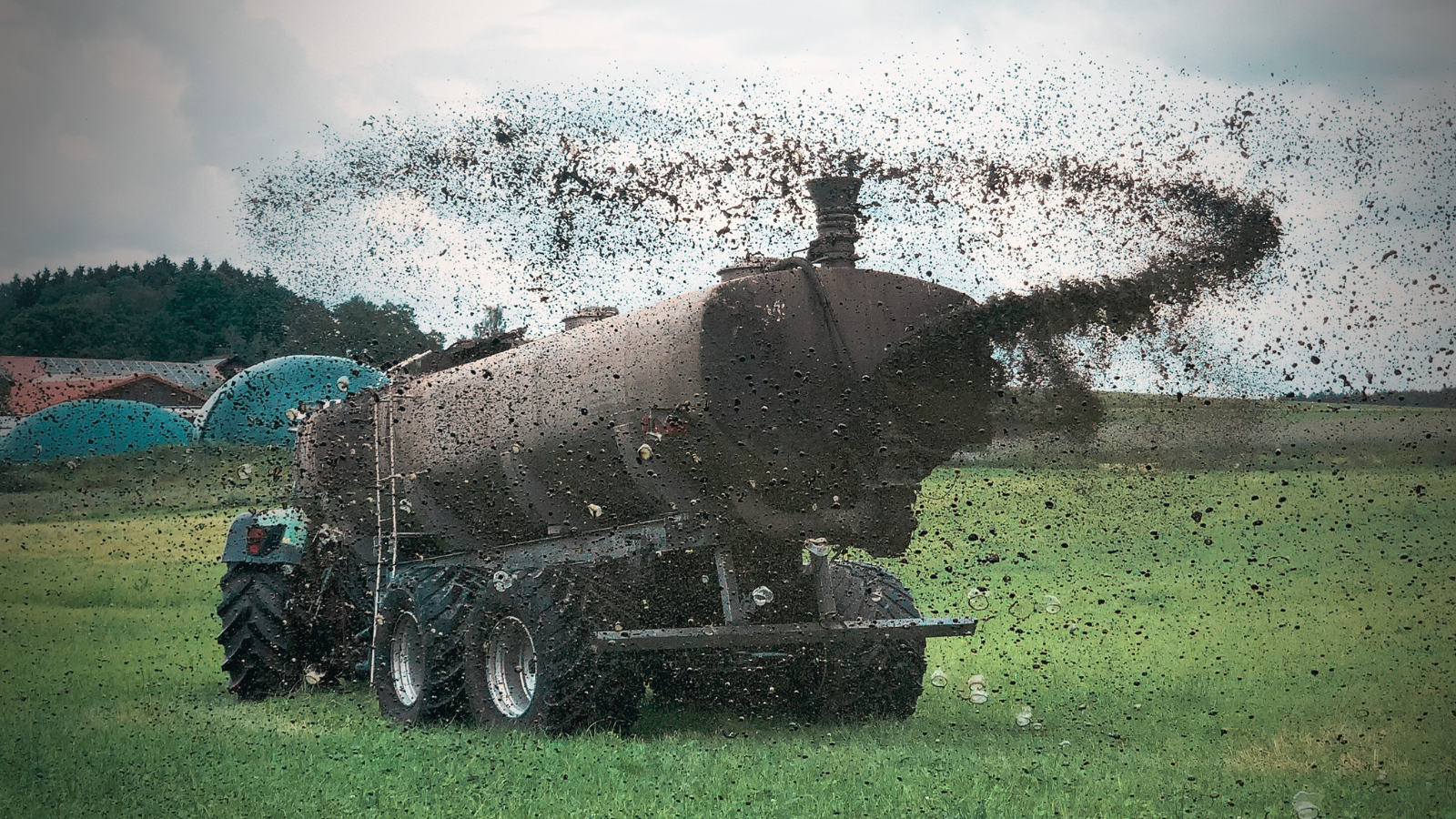
- Livestock manure is a valuable nutrient resource that is recycled onto land to fertilise crops, providing an array of nutrients to soils. Its environmental impact is determined by its form, depending if animals are housed in slurry or straw based systems.
Nutrient pollution risk is directly related to the type of farming system. Industrial livestock farming systems are higher risk because animals are raised indoors – in confined spaces – and thus produce vast amounts of manure that has issues relating to storage and application. The rapid increase in industrial livestock units across England and Wales means slurry is produced in ever increasing quantities. These units rely on synthetic fertilisers to grow feed both in the UK and abroad, driving deforestation in biodiverse areas, with half of agricultural land used to grow feed for animals in these systems. High concentrations of phosphate and nitrogen in feed means the livestock manure is highly concentrated in these nutrients, and is thus a risk for environmental pollution.
There are a multitude of confounding reasons for such a large agricultural water pollution issue, including:
- Poor enforcement of regulations at the mercy of reduced budgets
- Piecemeal regulation with a multitude of inconsistent requirements of farmers
- Ever intensifying agricultural livestock production, supported by synthetic fertilisers
- Poor quality of slurry infrastructure due to financial constraints of small-scale and tenant farmers
Beyond nutrient pollution, sewage sludge is a fertiliser that is unprecedented in its impact, with alarm bells being raised by NGOs over the chemical contaminants present. Sewage sludge is an emerging source of pollutants, with evidence showing contamination with PFAS, microplastics and industrial chemicals. Water companies are paid by chemical producers to take their waste, which is mixed with wastewater before farmers are given the product to use as fertiliser. Typically, farmers are unaware of the contaminants and the potential fertility impacts of continuous use of sludge on soils, with over 3.5 million tonnes of sewage sludge is spread on agricultural land every year.
Our recent survey found that 92% of people in the UK believe water companies should ensure sewage sludge on UK farmland is not contaminated; 88% support making water companies publicly report contamination levels in treated sewage sludge; 87% support increasing regulation on monitoring of treated sewage sludge.
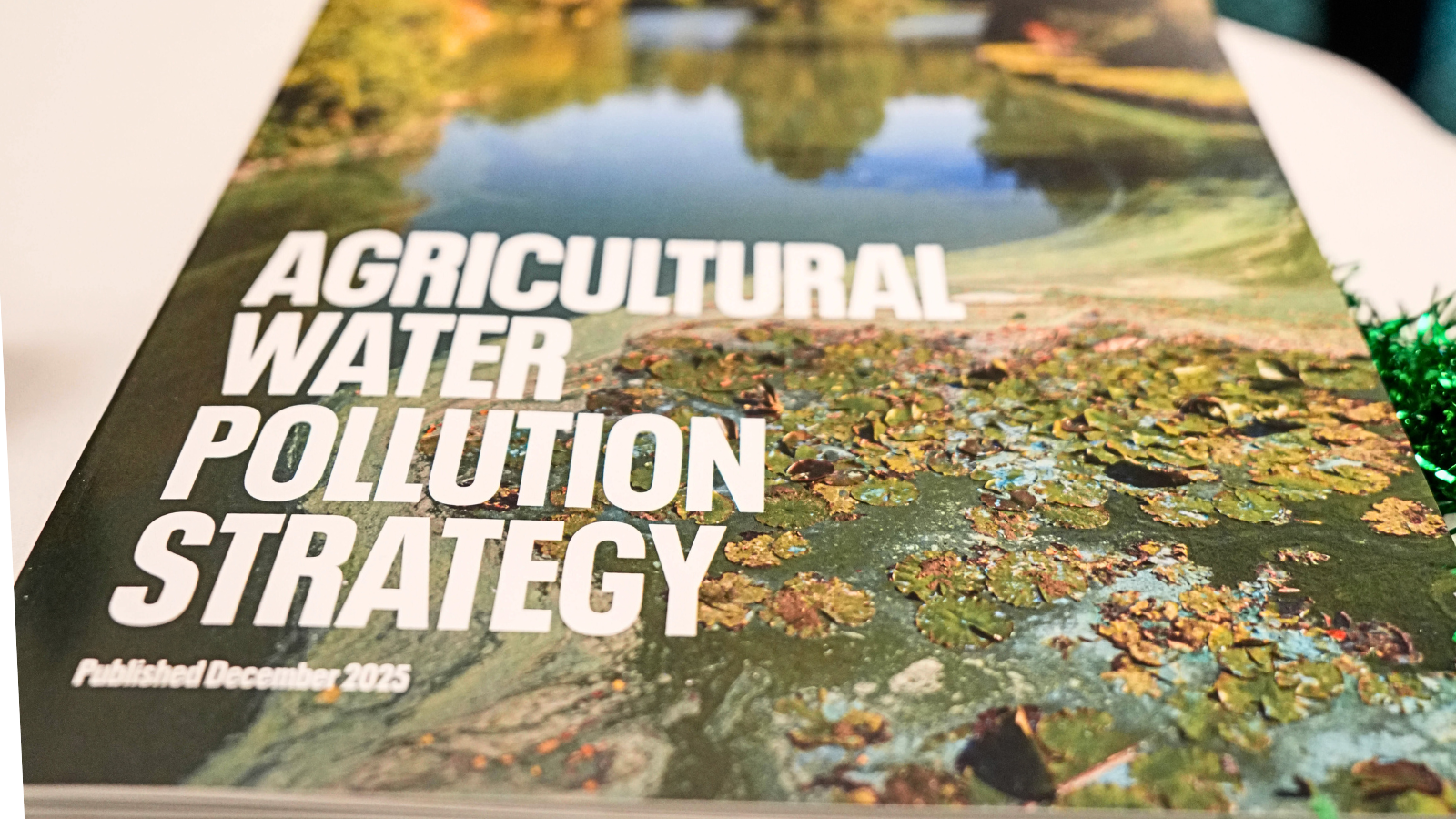
To conclude, we have put together an Agricultural Water Pollution Strategy with seven recommendations that would help the government to tackle water pollution with the same ambition that has been shown to tackling the water sector crisis:
- Proper and clear enforcement of anti-pollution regulations
- A well resourced and better trained Environment Agency
- Appropriate funding and updated planning guidance for slurry infrastructure
- Implement Sustainable Nutrient Management Plans overseen by a Defra Task Force
- Lower thresholds for Environmental Permitting Regulations and extend to beef and dairy
- Transition to a catchment-based approach to nutrient management, using regional water authorities
- Prevent toxic sewage sludge contaminating agricultural land
River Action’s Agricultural Water Pollution Strategy was formally launched in Parliament on 17 December 2025, hosted by Alistair Carmichael MP (Chair of the EFRA Committee) with speeches from Emma Hardy MP (Minister for Water) and Helen Browning OBE (CEO of the Soil Association).
The event brought together policymakers, regulators, farmers, scientists, and environmental campaigners to outline a credible, evidence-based roadmap for reducing agricultural pollution while supporting fair and sustainable farming. Speakers welcomed the strategy as a basis for concerned parties from the farming and environmental sectors to work with the government to identify a way forward. Helen called for better monitoring to assist regulators in identifying progress on farms, as well as more research into agricultural practices that work for both farmers and the environment.