Construction Site Pollution: The Silent Threat Smothering Our Rivers
By Simon Hunter, CEO – Bristol Avon Rivers Trust
A Hidden Crisis With Very Visible Harm
If you’ve ever stood beside a river and watched it flow clear and vibrant, you’ll know the feeling of peace and connection that our waterways bring. Now imagine that same river turned murky and lifeless, its gravel beds choked with silt, its life below the surface silenced. This is not a distant problem – it’s happening right here in the Bristol Avon catchment, and it’s largely preventable.
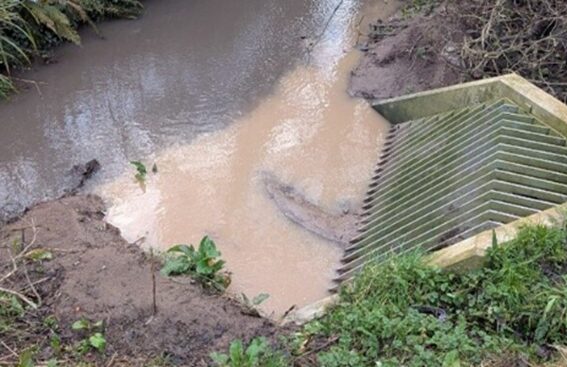
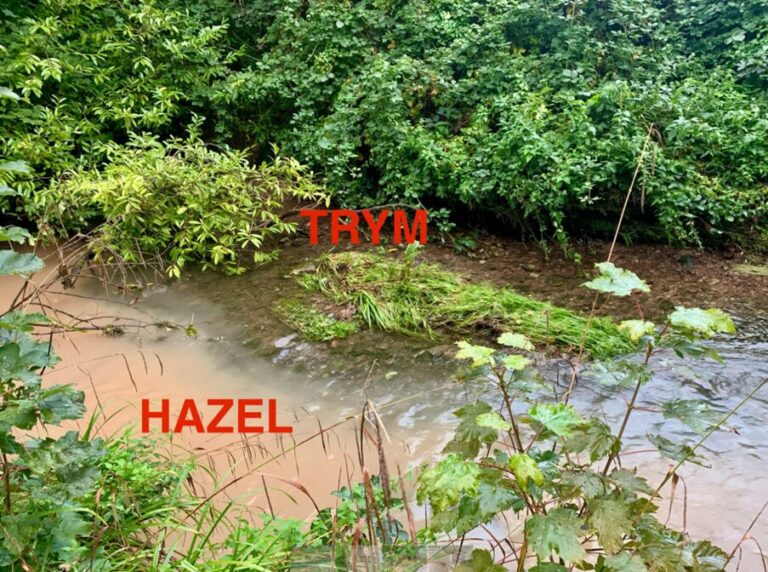
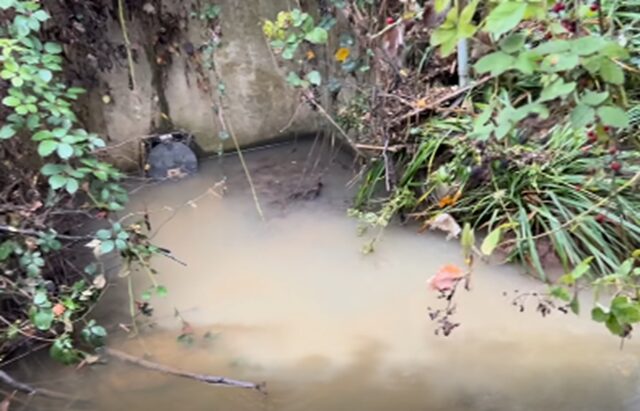
Pollution from construction sites might not make the headlines like oil spills or chemical disasters, but make no mistake: it’s a silent killer of river health. Every time heavy rainfall washes sediment, concrete washout, fuels, lubricants, and other contaminants off poorly managed sites and into watercourses, our rivers suffer.
This isn’t just about aesthetics. Fine sediment literally smothers river beds, filling the gaps between gravels that invertebrates and fish eggs need to survive. It alters channel shape, reduces habitat diversity, and disrupts the very processes that keep rivers healthy. What’s more, with climate change driving more intense storms, the volume of runoff and potential for damage is increasing.
Communities Give Everything – Only to See It Washed Away
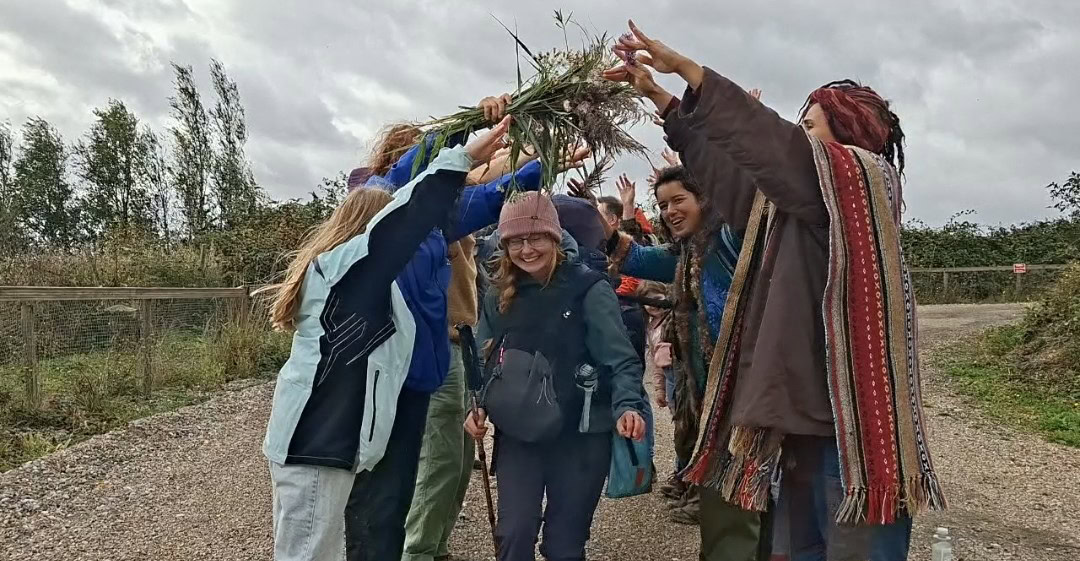
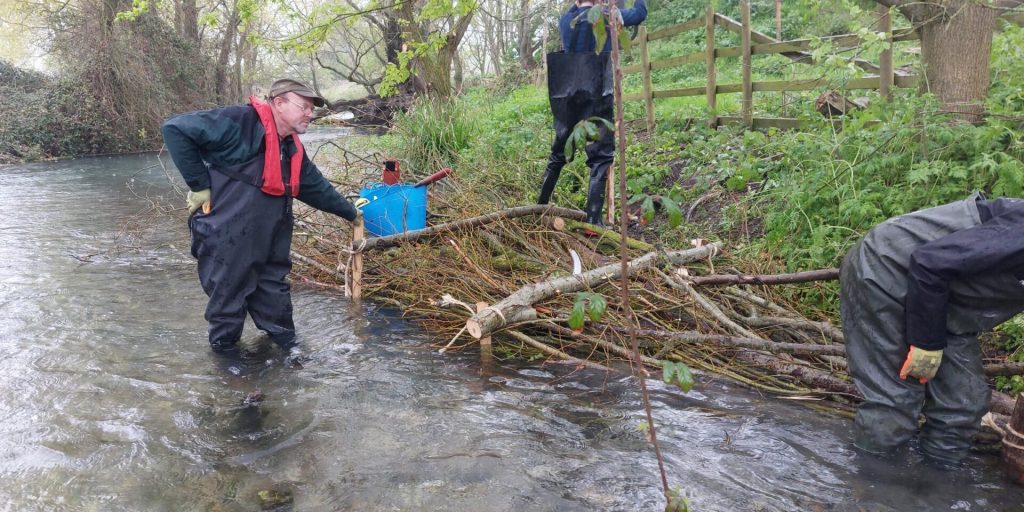
Across the Bristol Avon catchment, community groups pour heart and soul into river restoration. They clear invasive plants, remove rubbish, monitor water quality, and plant trees to stabilise banks. But when sediment-laden runoff from nearby development buries the habitats, they’re working to improve, it’s not just disheartening – it’s counterproductive.
We’ve seen this again and again: volunteers offer thousands of hours of effort, only to have their work undermined by pollution that should have been prevented at source.
Houses, Infrastructure – Yes. But Not at Nature’s Expense
We agree that new homes, schools, roads, and other infrastructure are necessary. Growth and development are part of a thriving society. But it’s not a choice between development and healthy rivers – we can deliver both. With proper planning, investment in pollution control measures, and rigorous enforcement, it’s entirely possible to build responsibly while maintaining thriving freshwater ecosystems.
The Problem Isn’t Ignorance – It’s a Failure to Act
The tools and guidance to prevent pollution on construction sites already exist. Best practice measures like sediment traps, wheel wash stations, appropriate stockpile management, and controlled drainage are well understood. What’s missing is consistent implementation and enforcement. When developers cut corners, or when regulators fail to act decisively, it’s our rivers that pay the price – and that cost isn’t abstract. It shows up in lost biodiversity, diminished recreation opportunities, and weakened climate resilience.
We Can and Must Do Better
At Bristol Avon Rivers Trust, we believe that healthy rivers are non-negotiable. They’re essential to climate adaptation, community wellbeing, and the natural capital that supports life in our region. Our rivers should not be collateral damage to development.
Here’s what needs to happen:
- Developers must embed pollution prevention into day-to-day site practice, not as an afterthought but as standard operating procedure.
- Regulators must act swiftly and transparently when prevention fails, applying the polluter pays principle without delay.
- Communities and charities should be supported, not left to pick up the pieces after harm has occurred.
A Call to Action
Our rivers deserve more than well-meaning words. They deserve meaningful protection and robust action. The solutions are not beyond us – what’s needed is the collective will to implement them. Development and nature don’t have to be at odds. With commitment, collaboration, and accountability, we can secure thriving rivers alongside vibrant communities.
If you care about clean water, thriving wildlife, safe spaces for recreation, and resilient landscapes in a changing climate, then this issue matters. Let’s stop pollution at the source. Let’s defend our rivers before it’s too late.