

Outdated regulation: Regulations governing sewage sludge date back to 1989 and fail to account for modern contaminants. While the practice of spreading sludge on farmland has been banned in some countries, it continues in the UK with limited scrutiny.
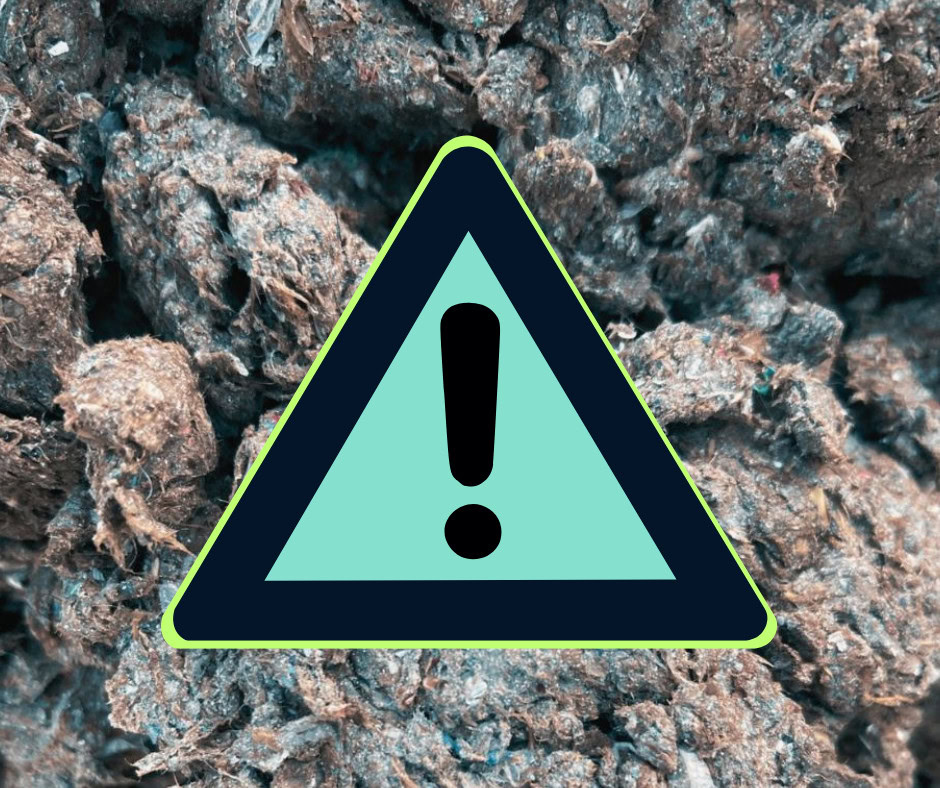
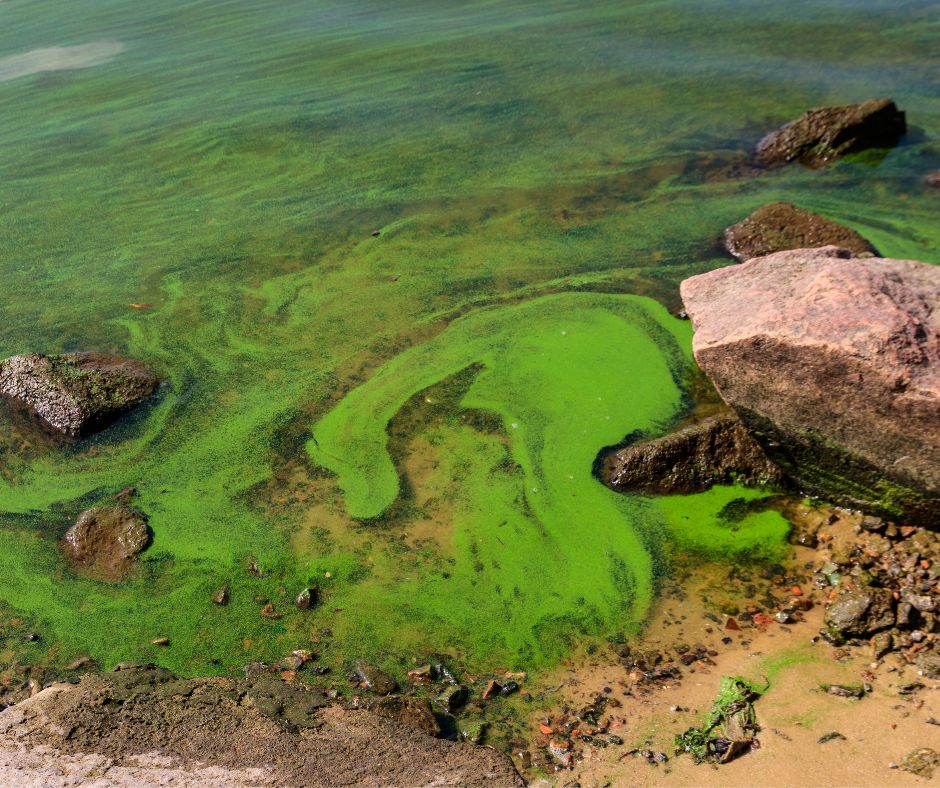
Risks to soil, water and public health: Spreading contaminated sludge on agricultural land poses significant risks to soil health, water quality and public health. Repeated applications can degrade soil structure and fertility, potentially leaving land unable to sustain healthy crop growth over time.
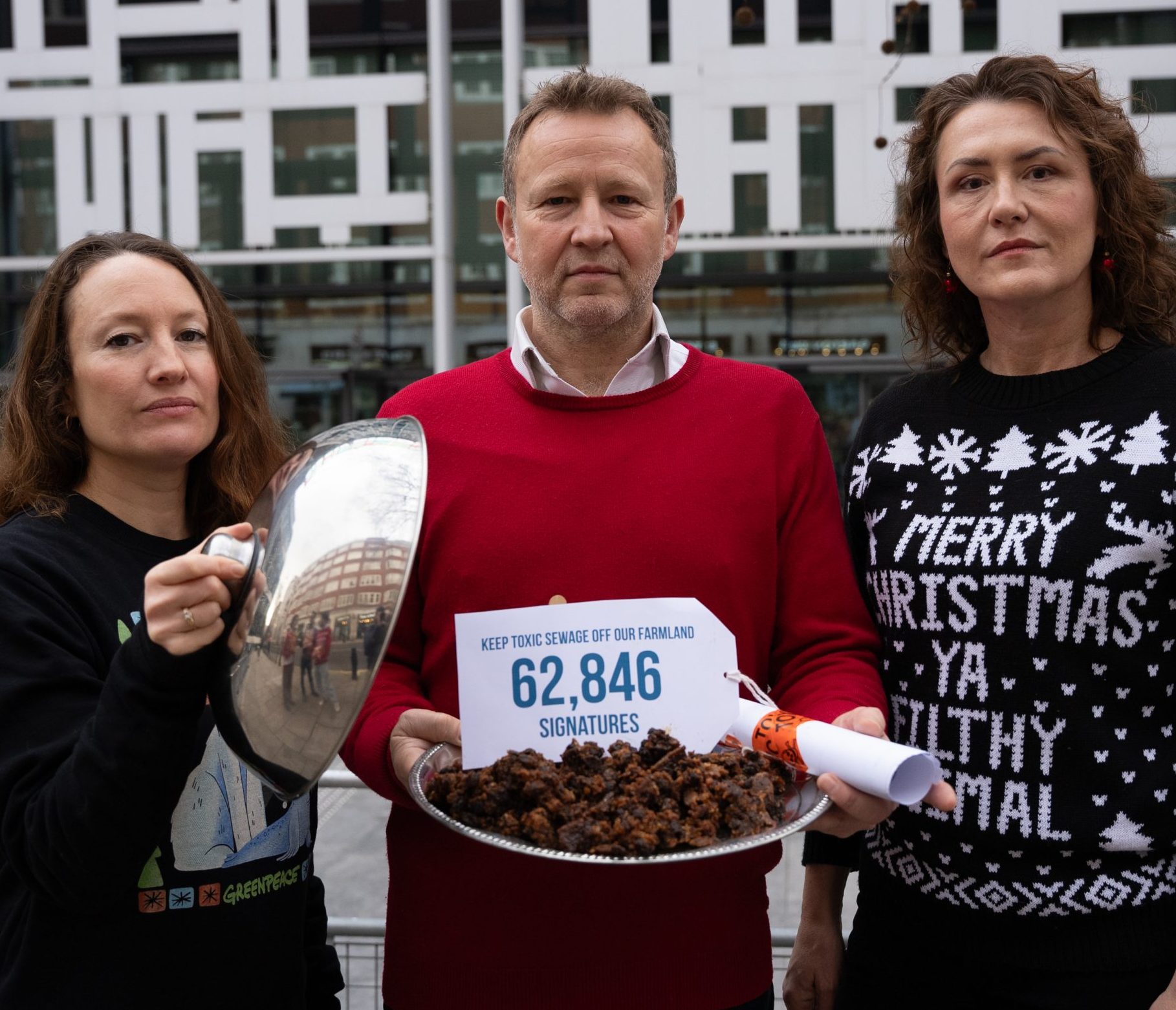
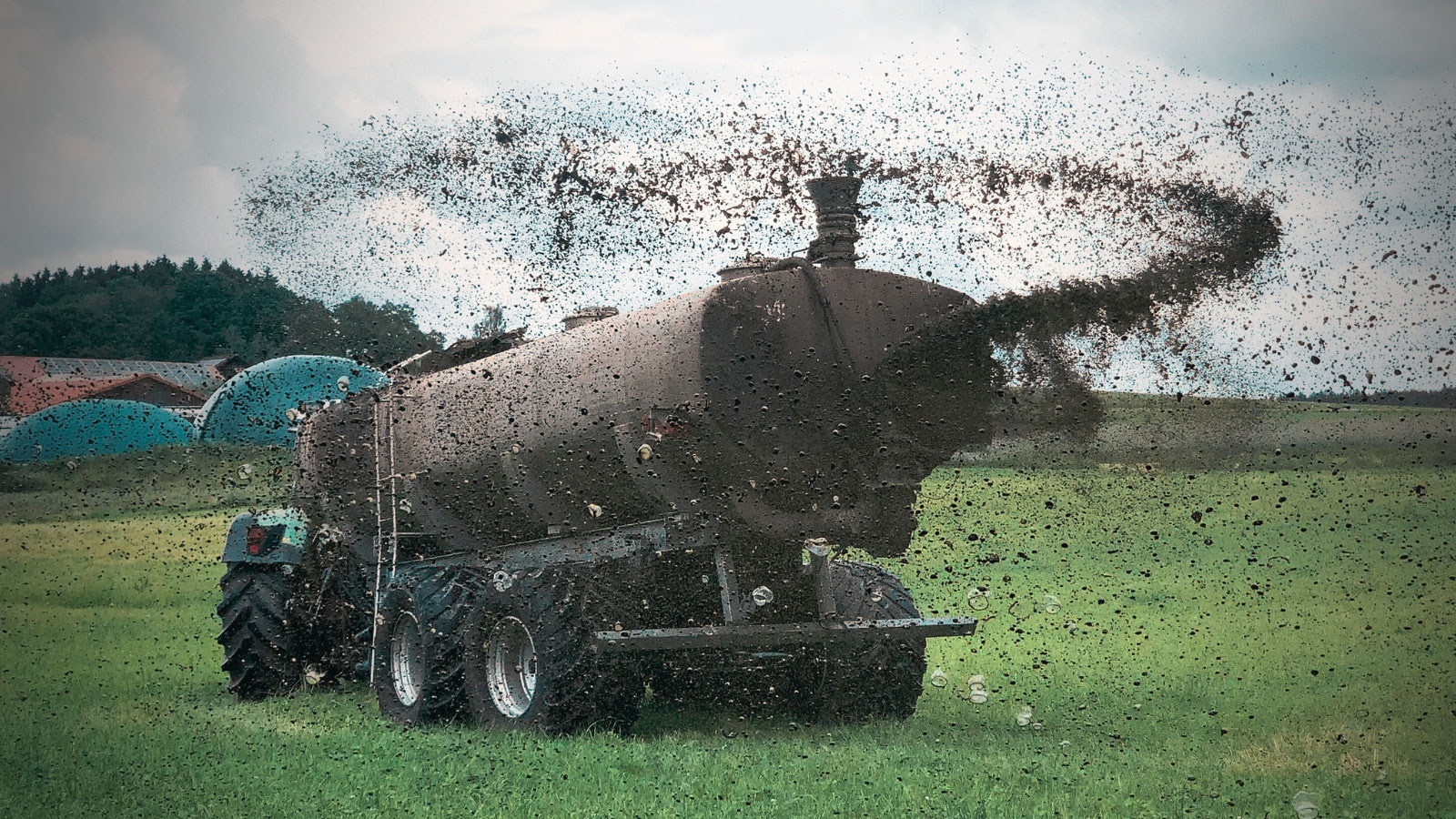
Millions of tonnes spread on farmland: Around 3.5 million tonnes of sewage sludge are spread on UK farmland each year, sold as a cheap or free fertiliser. The water industry relies heavily on agricultural land as a disposal route and is increasingly concerned that farmers may refuse to accept it. Water companies have even sought approval from Ofwat to raise customer bills to manage sludge as waste if landspreading is no longer viable.
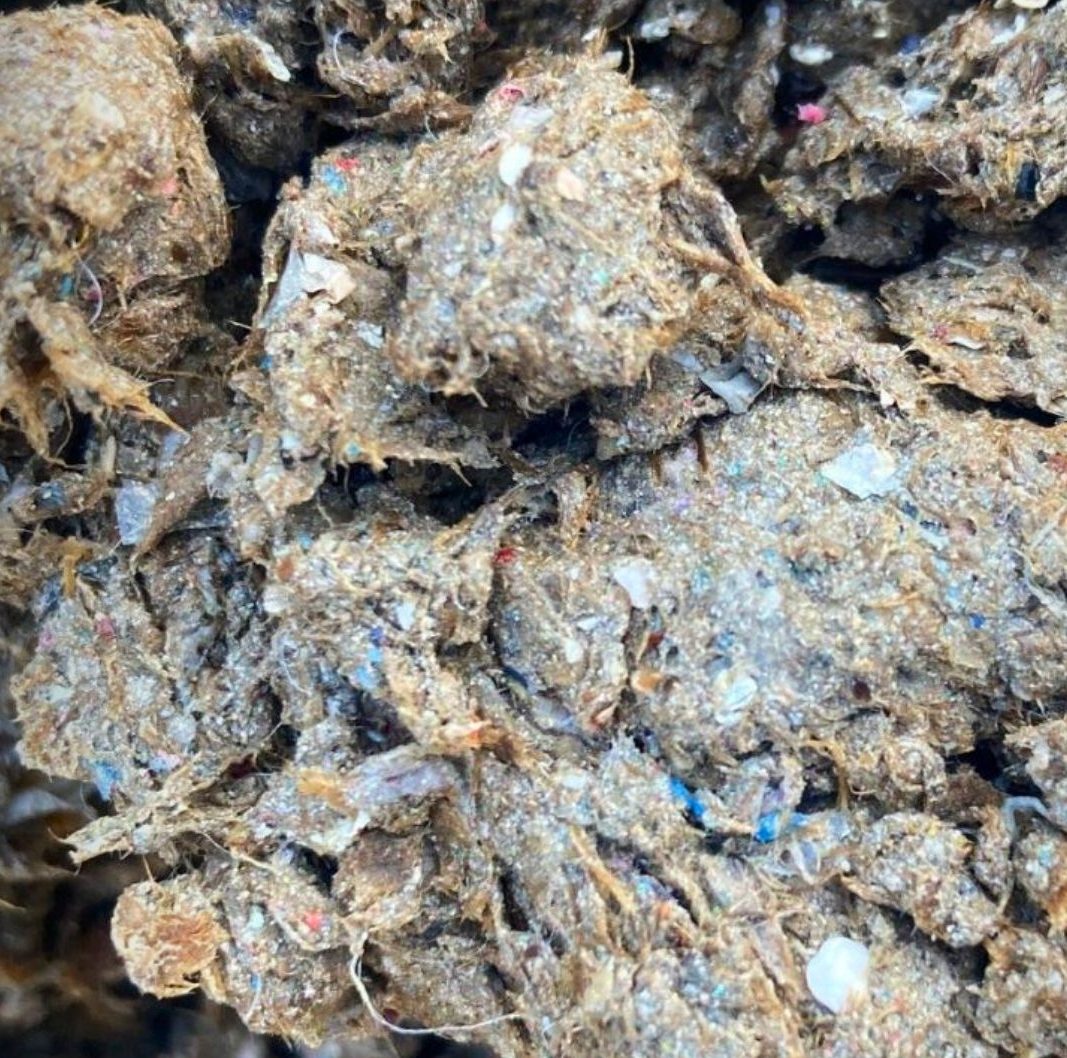
Delayed action on reform: For three years, DEFRA has failed to act on proposals to tighten the rules that allow water companies to sell contaminated sludge to farmers. This delay comes despite repeated warnings from the Environment Agency about chemical and microplastic contamination.