
News
Environmental and nature-friendly farming groups warn Government risk missing river clean-up targets without action on agricultural pollution
Leading environmental and nature-friendly farming organisations, including River Action, Nature-Friendly Farming Network, The Rivers Trusts, Surfers Against Sewage, Wildlife and Countryside Link, WWF-UK, Wildfarmed, RSPB and the Soil Association, have written to the Secretary of State for Environment, Food and Rural Affairs calling for urgent government action to tackle agricultural water pollution.
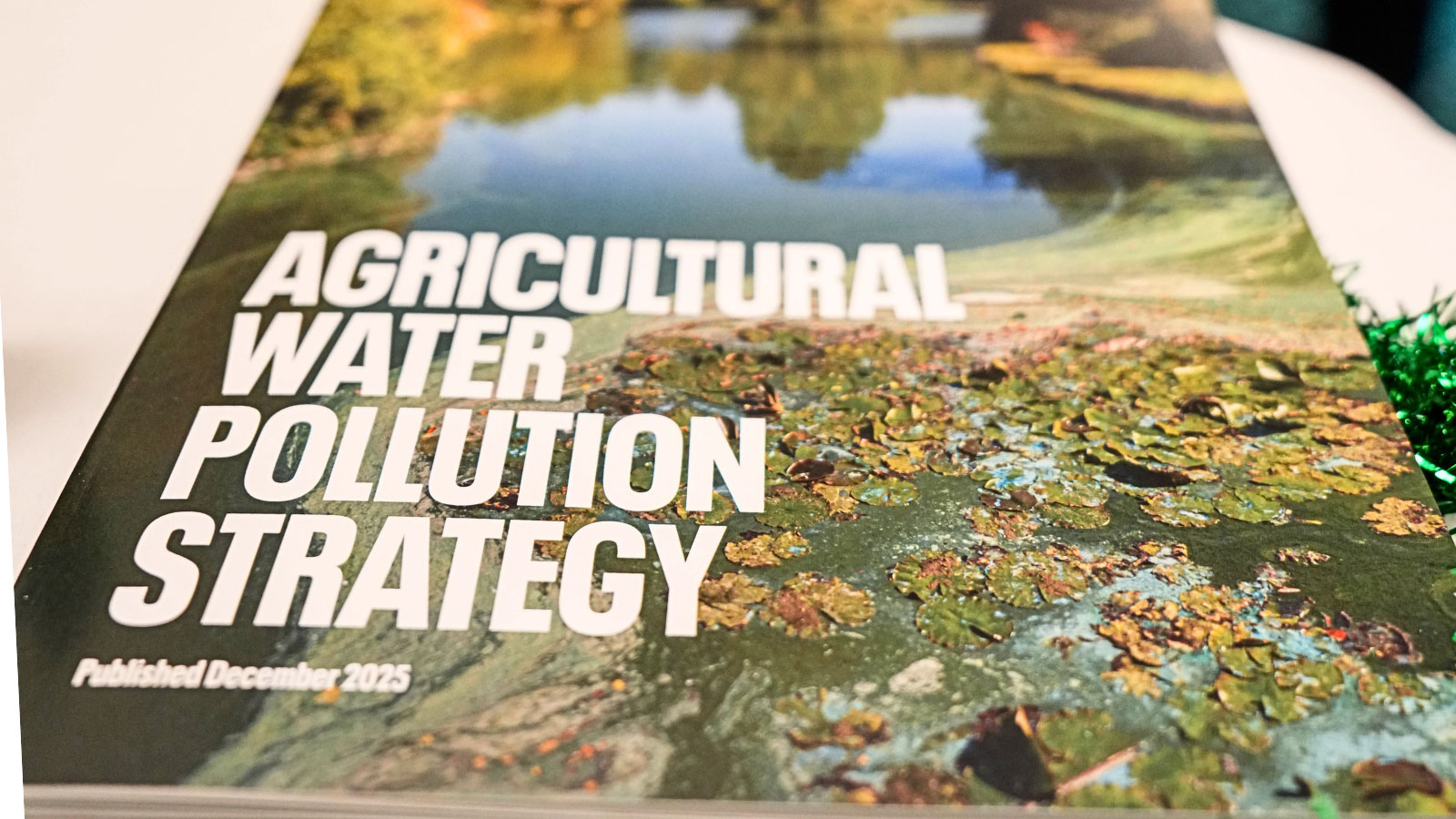
The letter follows the launch by River Action in December 2025 of a dedicated Agricultural Water Pollution Strategy, warning that current efforts to clean up rivers risk falling short by focusing too narrowly on sewage while neglecting a major source of pollution.
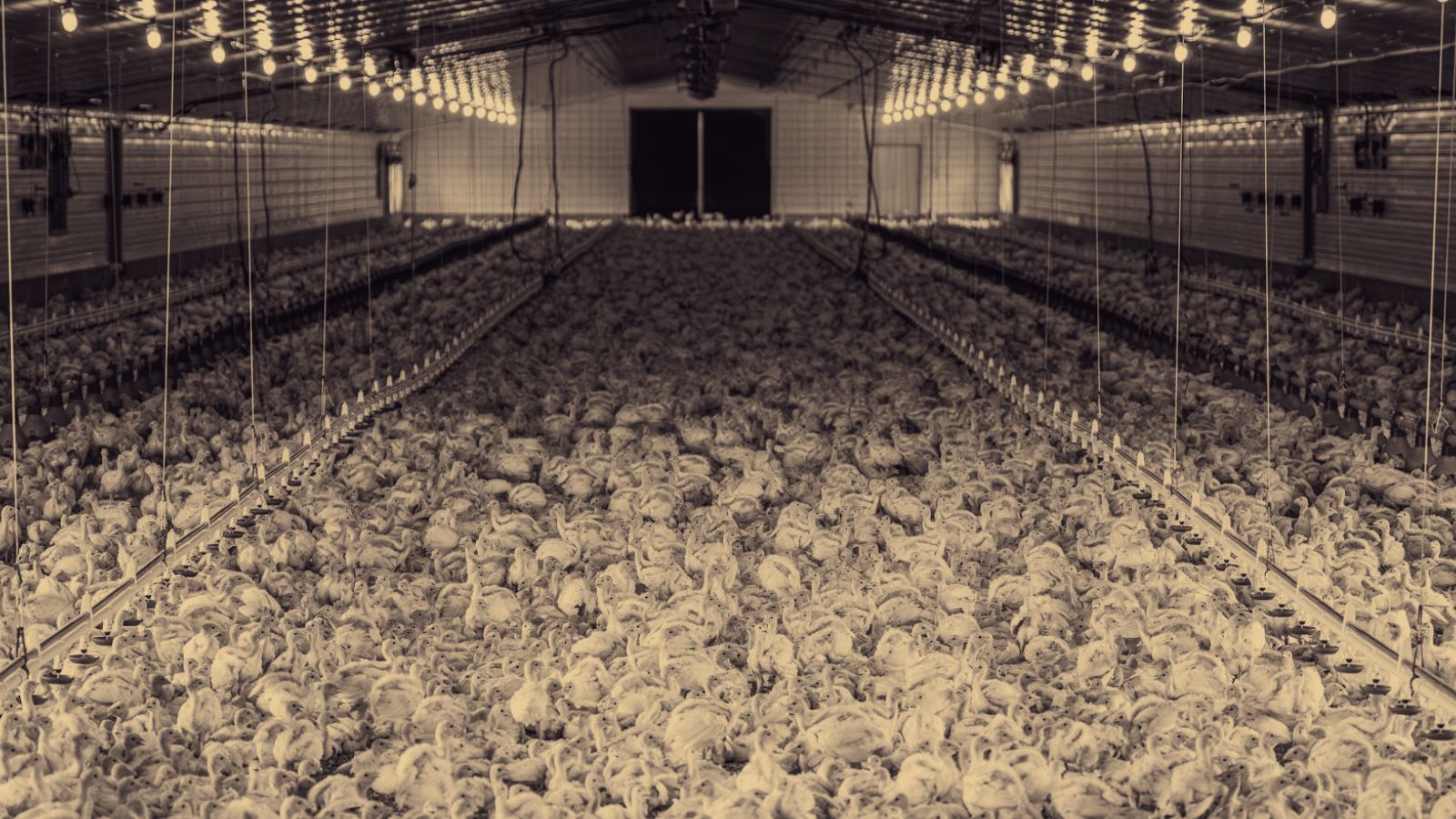
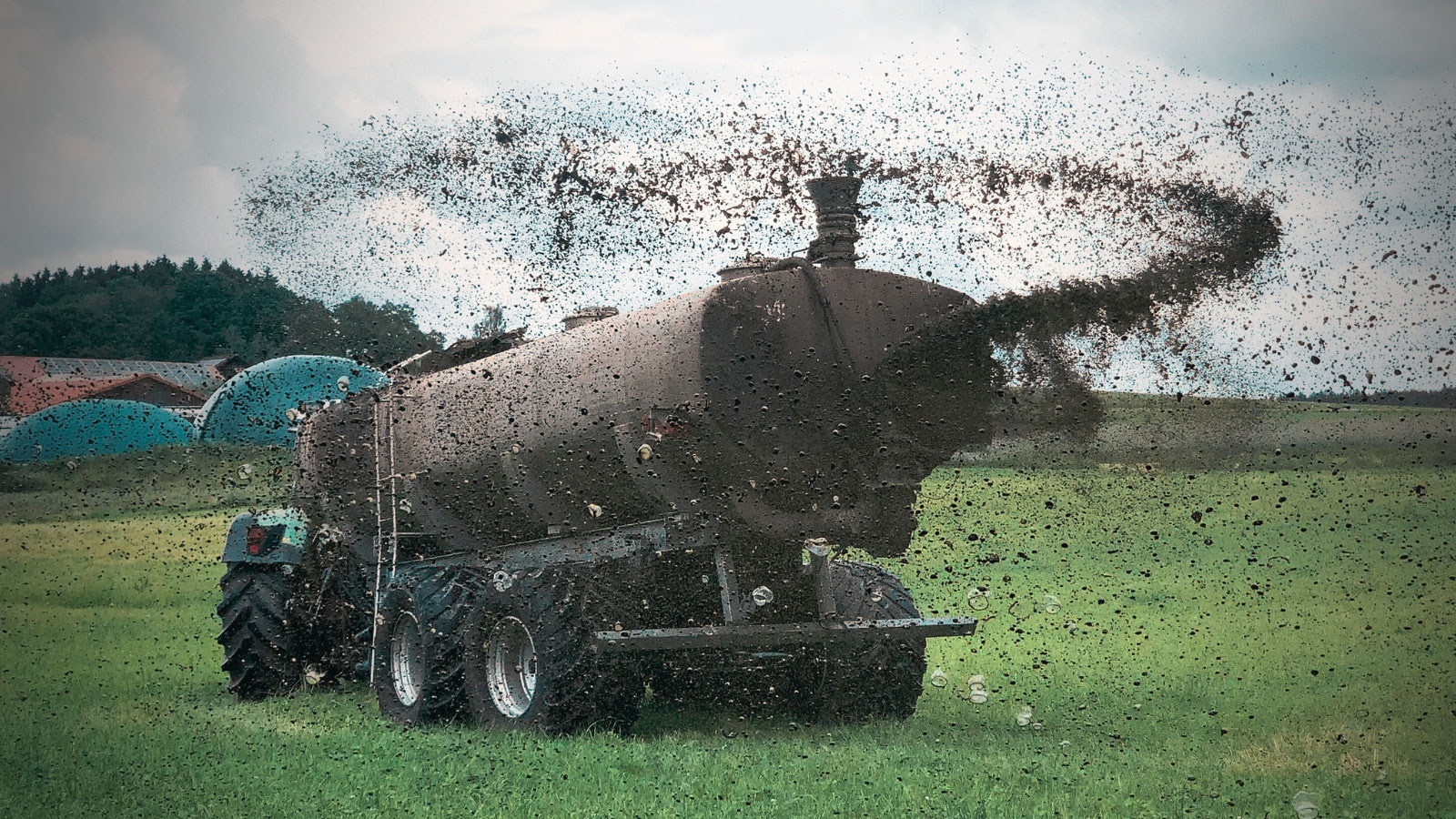
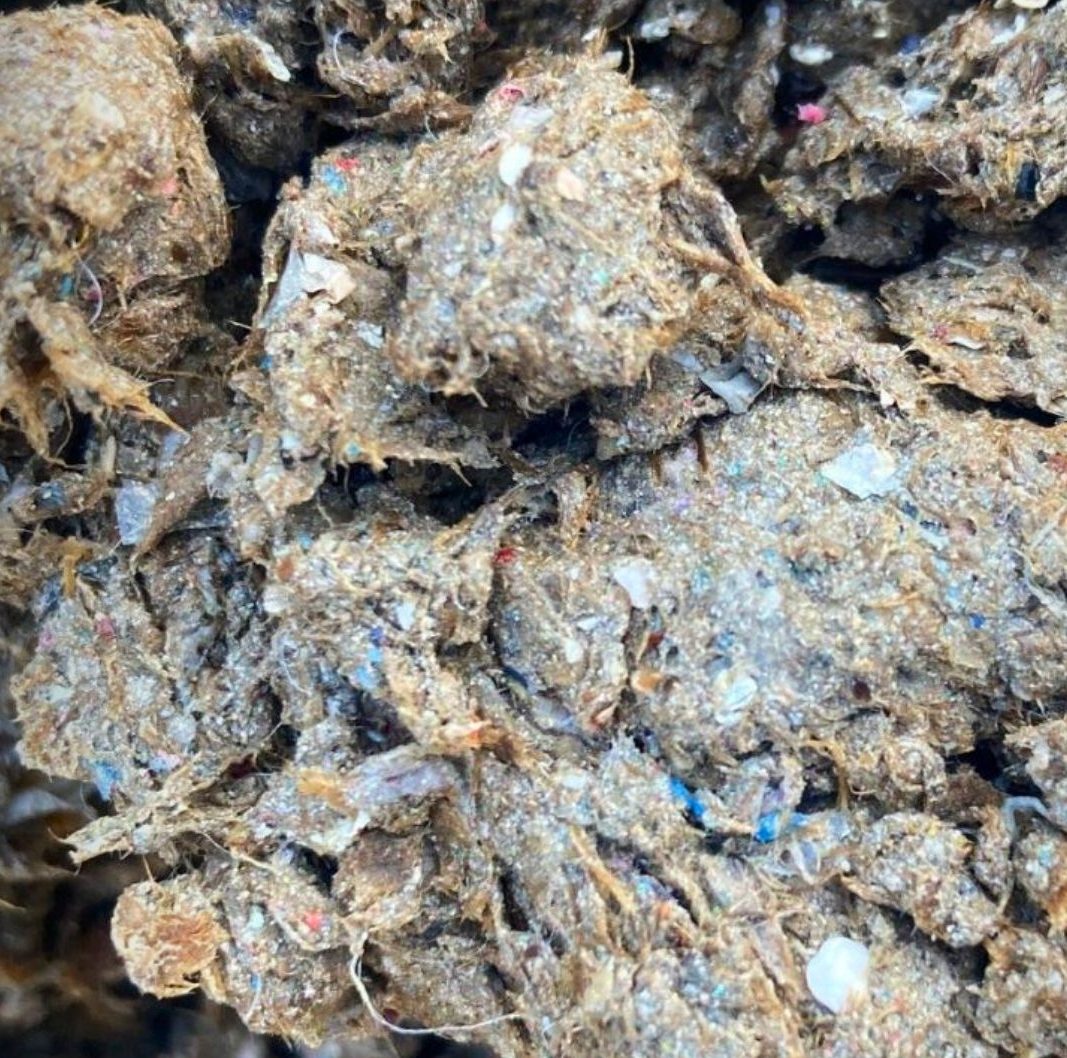
The Strategy identifies excess nutrients from large-scale livestock systems and contaminants from sewage sludge as two leading sources of agricultural water pollution. Both nutrients and sludge are used as fertilisers, yet are not often valued as they should. Sewage sludge in particular holds great risks because of toxic chemicals, plastics and pharmaceuticals, including ‘forever chemicals’, which risks further contaminating soils and rivers after being spread on farmland.
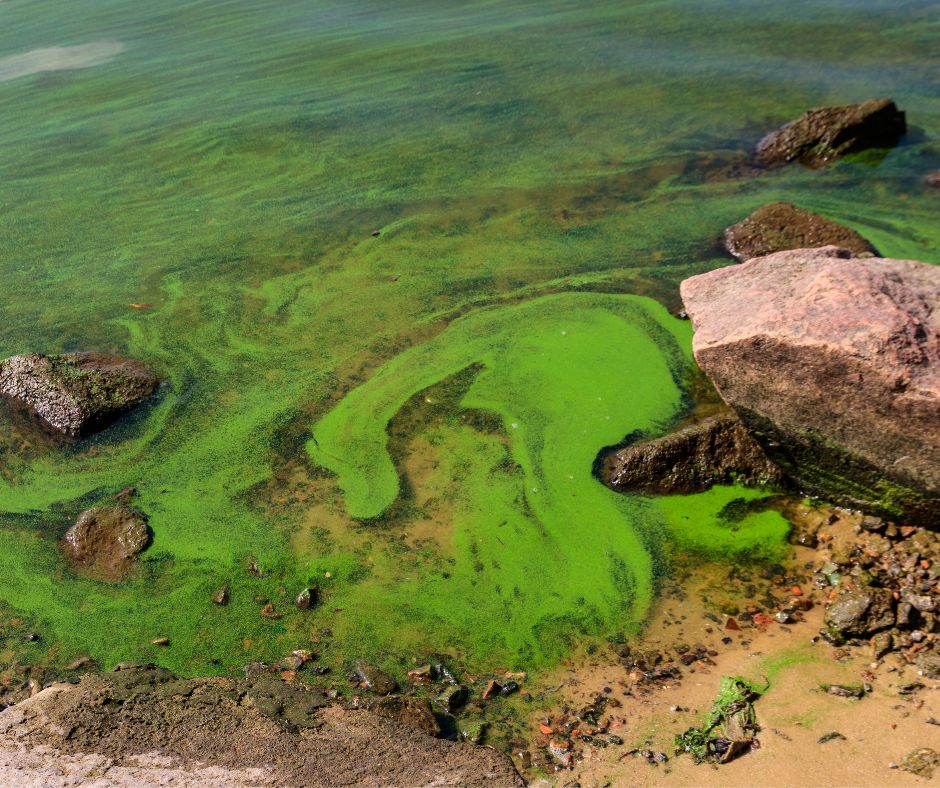
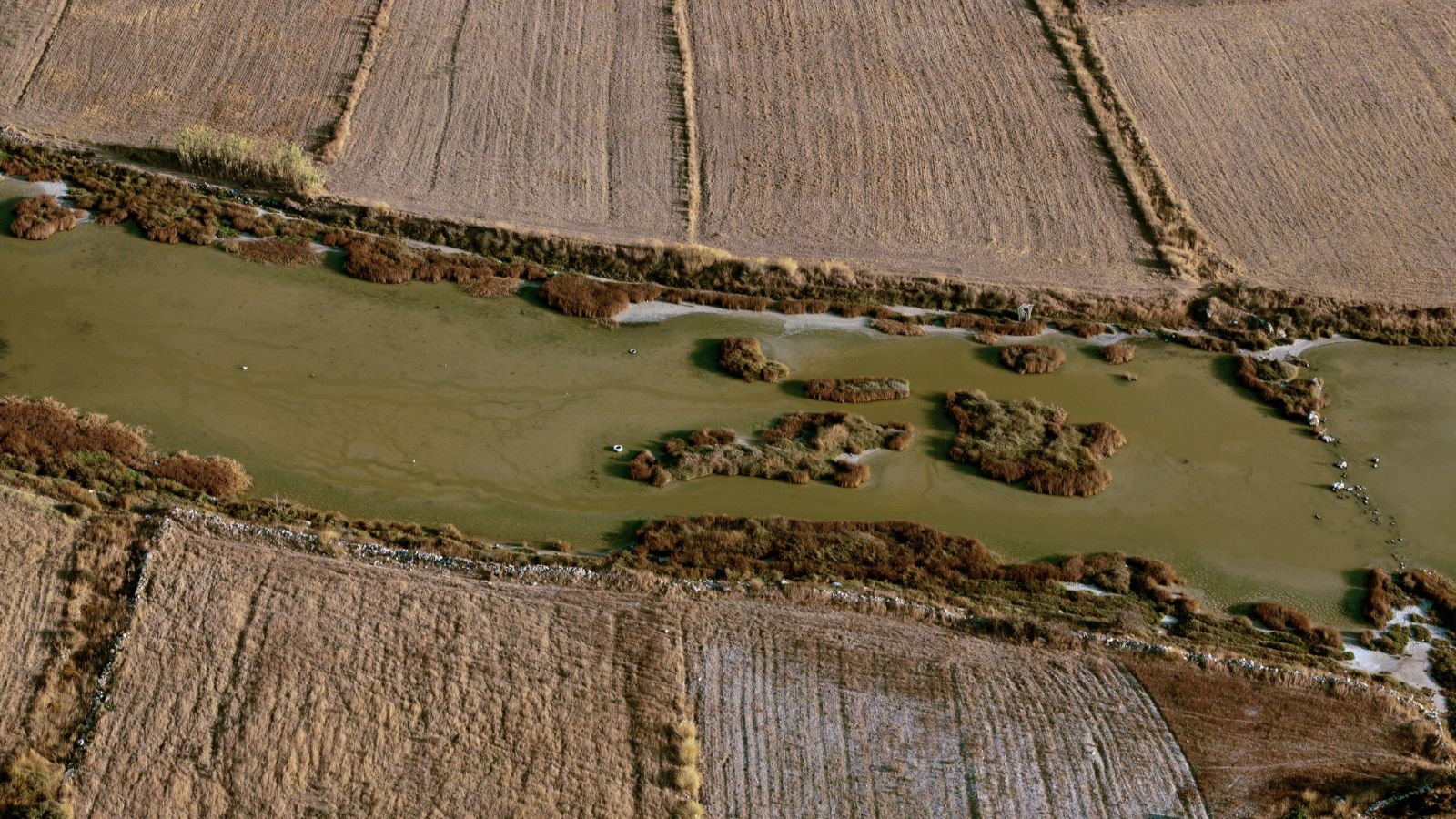
Agriculture is now recognised as a significant source of water pollution as sewage, yet it has not received the same political focus, regulatory attention or investment. Without decisive action, the Government will fail to meet its pledge to clean up rivers, particularly when the recently published Water White Paper dedicated only one page to agricultural water pollution, reinforcing its treatment as secondary to sewage.
The signatories welcome Defra’s revised Environmental Improvement Plan and its new targets to reduce agricultural pollution. However, they warn that these targets are unrealistic without significantly stronger action and are likely to be missed on current progress.
The Government’s own regulator supports these concerns. The Office for Environmental Protection has warned that slow progress on agricultural water pollution is undermining overall efforts to improve the water environment.
While recent attempts to reform agricultural pollution rules, including greater engagement between Defra, farmers and environmental groups, are encouraging, they do not yet go far enough to deliver change at the scale required. Farmers need stable, long-term support and clear direction, not short-term schemes or piecemeal reforms, to reduce pollution while continuing to produce food.
River Action’s policy and advocacy manager Ellie Roxburgh said, “The government cannot credibly claim it is cleaning up rivers while continuing to sidestep a major source of pollution flowing into them. Agricultural pollution does as much damage to our rivers as sewage, yet it remains under-regulated, under-resourced and politically neglected.
“We welcome the Government’s consultation on sewage sludge. It must lead to strong updated regulation with meaningful action that goes beyond end-of-pipe solutions, stopping water companies from selling contaminated sludge to farmers and with all polluters across the supply chain held responsible.”
“We also welcome the Government’s new forever chemical plan, but it lacks the level of ambition needed, relying too heavily on monitoring and voluntary action rather than firm regulation and enforcement.”
In response, River Action’s Agricultural Water Pollution Strategy sets out measures it says are essential if government is serious about cleaning up rivers:
- Proper and consistent enforcement of anti-pollution regulations, ending reliance on under-resourced, reactive compliance.
- A well-resourced and properly trained Environment Agency, with the capacity to monitor, inspect and enforce agricultural pollution rules.
- Appropriate funding and updated planning guidance for slurry infrastructure, to prevent pollution from storage and land application.
- Mandatory Sustainable Nutrient Management Plans, overseen by a Defra-led taskforce to ensure accountability and coordination.
- Lower thresholds for Environmental Permitting Regulations, extending tighter controls to beef and dairy operations currently outside the regime.
- A transition to catchment-based nutrient management, using regional water authorities to manage pollution at river-basin scale.
- An end to toxic sewage sludge contaminating farmland, including stronger controls on contaminants such as PFAS and microplastics.
Richard Benwell, chief executive of Wildlife and Countryside Link, said the breadth of support behind the letter showed the urgency of the issue. “If ministers are serious about meeting their nature and water quality commitments, tackling agricultural pollution must now be a top priority, not an afterthought.”
This year presents a rare policy window. Major strategies and legislation covering land use, farming incentives, food policy, circular economy measures and water reform give the Government the opportunity to act decisively if they are aligned and used boldly.
The environmental sector is united in calling for urgent, coordinated action and stands ready to support solutions that enable food production without harming rivers.
The message to ministers is clear: delivery, not delay. The credibility of the Government’s commitment to clean up rivers is now at stake.
Notes to editors
The letter to the Secretary of State for Environment, Food and Rural Affairs was signed by a cross-party group of parliamentarians, environmental organisations, farming networks, legal experts and civil society groups, reflecting broad concern about the impact of agricultural pollution on rivers.
Signatories include senior figures from leading environmental organisations, including River Action, Wildlife and Countryside Link, WWF-UK, RSPB, Surfers Against Sewage, The Rivers Trust, the Soil Association and the Nature Friendly Farming Network, alongside representatives from farming, research, legal and community groups.
Political signatories span parties and chambers, including MPs from Labour, Liberal Democrat and Green parties, as well as members of the House of Lords.
The full list of signatories is as follows:
James Wallace (CEO, River Action UK)
Terry Jermy MP (South West Norfolk, Labour)
Roz Savage MP (South Cotswold, Liberal Democrat)
Ellie Chowns MP (North Herefordshire, Green)
Adrian Ramsay MP (Waveney Valley, Green)
Siân Berry MP (Brighton Pavilion, Green)
Carla Denyer MP (Bristol Central, Green)
Lord Randall of Uxbridge
Baroness Jones of Moulsecoomb
Helen Browning (CEO, Soil Association)
Richard Benwell (CEO, Wildlife and Countryside Link)
Catherine Gunby (Executive Director, Fidra)
Gavin Crowden (Director of Advocacy, WWF-UK)
The Duchy of Cornwall
David Wolfe KC (Matrix Chambers)
Alison Caffyn (Rural Researcher)
Alastair Chisholm (Director of Policy, CIWEM)
Martin Lines (CEO, Nature Friendly Farming Network)
Rebecca Wrigley (CEO, Rewilding Britain)
Ellen Fay (Founder, Sustainable Soil Alliance)
Kevin Austin (Director of Policy and Advocacy, RSPB)
Giles Bristow (CEO, Surfers Against Sewage)
Georgia Elliott-Smith (Founder, Fighting Dirty)
Mark Lloyd (CEO, The Rivers Trust)
Natasha Hurley (Deputy Director, Foodrise)
Dee Edwards (Chair, Communities Against River Pollution)
Rob Bray (Chief People and Sustainability Officer, Wildfarmed)
The letter was sent to Rt Hon Emma Reynolds MP, Secretary of State for Environment, Food and Rural Affairs. A copy of the letter is available here.