News
Government White Paper on Water Reform Falls Short of Real Reform
Today, the government has released its long-awaited Water White Paper. This White Paper sets out the Government’s response to the recommendations made by Sir Jon Cunliffe’s Review of the water sector in 2025. Although there are some welcome steps, it falls short of the ambition and enforcement needed to Rescue Britain’s Rivers.
CEO of River Action, James Wallace said:
“The publication of the Water White Paper signals the Government recognises the scale of the freshwater emergency, but lacks the urgency and bold reform to tackle it.
“Proposals for a new water regulator, including the appointment of a Chief Engineer, alongside infrastructure ‘MOTs’ and no-notice inspections of water companies, are welcome steps, provided the regulator is truly independent, equipped with real powers and funded by The Treasury to hold polluters to account.
“However, major gaps remain. These reforms will fail unless the privatised model is confronted head-on. The crisis is the result of a system that prioritises short-term profits and shareholder payouts over people, rivers, and public health.
“Special Administration must be the clear route to a public benefit model for water. It is the mechanism by which failing water companies can be taken out of extractive ownership and restructured so that investment serves customers and the environment, not short-term results. This requires clear, published triggers for Special Administration and a firm commitment to reform ownership and finance so that profits are secondary, long-term, and conditional on strong environmental performance and public benefit.
“We are also concerned about the emphasis on smart meters, which risks placing responsibility on households when water companies have failed for decades to invest in ageing, leaking infrastructure. Millions of litres of water are lost every day, and consumers should not be asked to pay for corporate underinvestment.
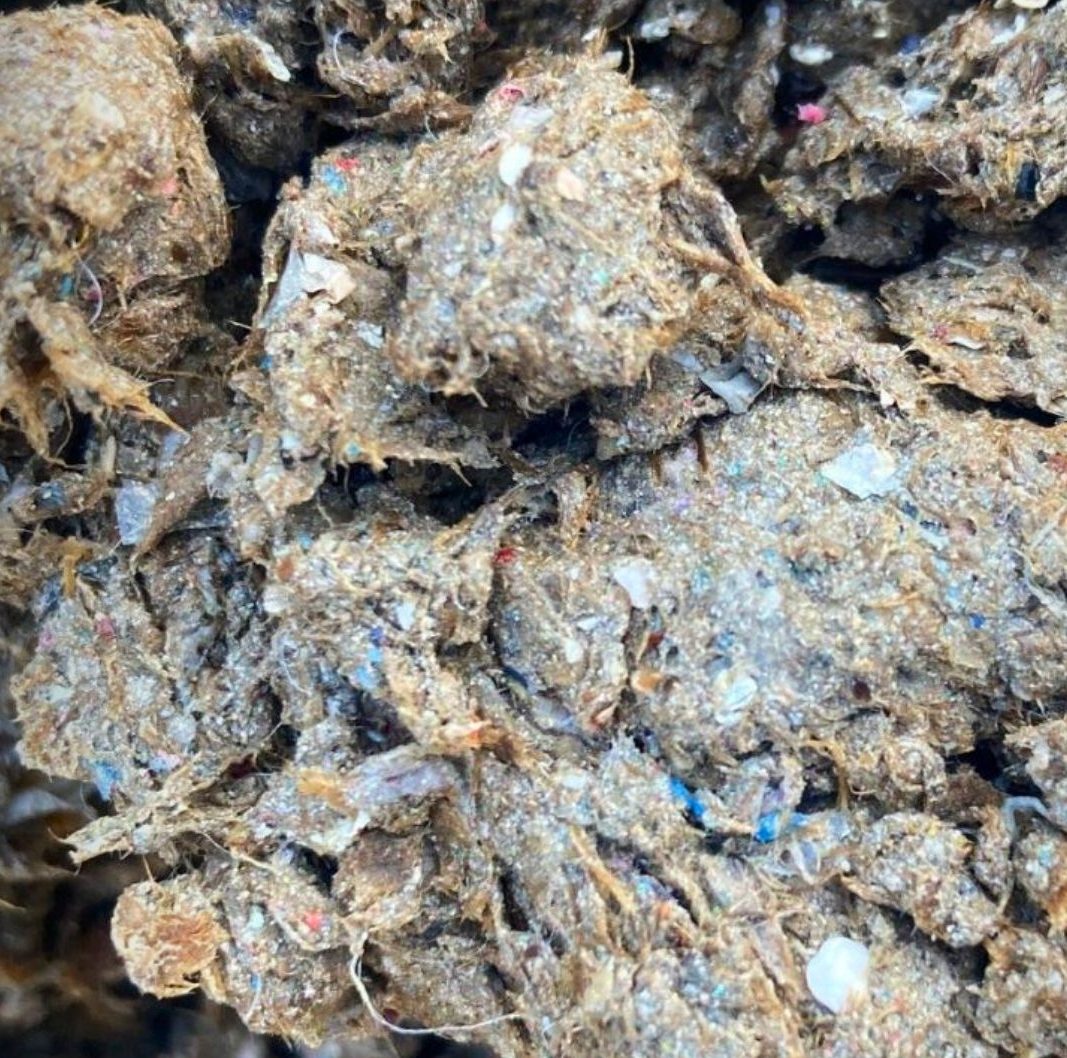
“Finally, while agricultural pollution is acknowledged, the proposals do not yet go far enough in ambition or enforcement needed to tackle this problem at source. The abomination of sewage sludge epitomises the challenge: farmers pay water companies for sludge to spread industrial ‘forever’ chemicals on the land that grows our food. The real test of these reforms will be whether they deliver a system that puts public and environmental protection ahead of corporate profiteering.”
As the government prepares its upcoming Water Reform Bill, we will continue to push for real, meaningful reform and press for tougher enforcement, stronger accountability, and a water system that works for people and nature — not lining the pockets of polluters.